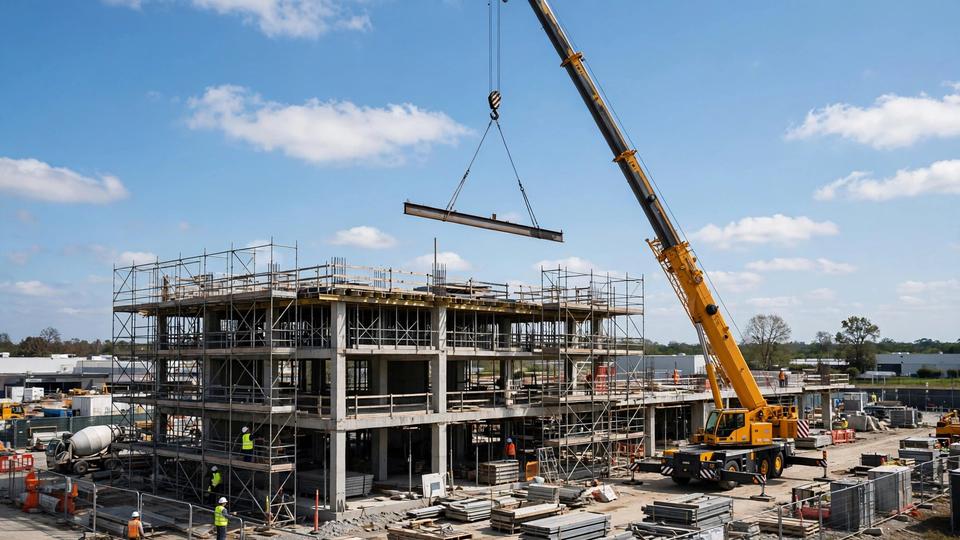
Heavy equipment is the backbone of a construction business, and it is also one of its largest expenses. A new mid-size excavator can cost well over $150,000, and a contractor running multiple crews might need several machines at once. Tying up that much cash in equipment can strain a business that lives project to project.
Leasing lets contractors put machinery on the job site without the massive upfront purchase. You pay a predictable monthly amount, use the equipment for the term, and then buy it, renew, or return it. But leasing is not the right answer in every situation. This guide breaks down the real pros and cons of construction equipment leasing so you can decide what fits your operation.
How Construction Equipment Leasing Works
An equipment lease is a contract that gives you the use of a machine for a fixed term in exchange for monthly payments. The leasing company, whether it is the manufacturer’s finance arm, an independent lessor, or a bank, retains legal ownership of the equipment. You get the machine, you maintain it, and you operate it under the terms of the agreement.
Leases differ from rentals. A rental is typically short term, from a day to a few months, and the rental company handles maintenance. A lease usually runs 24 to 72 months, and you take on maintenance and insurance much like an owner would. The difference between wet and dry leases adds another layer for contractors, since some arrangements include an operator while others are equipment only.
The Pros of Leasing Construction Equipment
Lower Upfront Cost and Preserved Cash Flow
The main advantage of leasing is that it keeps cash in the business. Instead of a six-figure purchase or a large down payment on a loan, most equipment leases require little to no money down. That leaves your credit lines and reserves free for payroll, materials, and the next bid. For growing contractors, this flexibility is often the deciding factor.
Predictable Monthly Payments
Fixed lease payments make budgeting simple. You know exactly what the machine costs each month for the whole term, which makes it easier to factor into project bids. When you own equipment outright, surprise repair bills can wreck a tight estimate. Leased equipment under warranty or a service plan smooths those costs out.
Access to Newer, More Reliable Machines
Leasing makes it easier to run modern equipment with the latest fuel efficiency, emissions compliance, and telematics. Newer machines break down less often and carry stronger resale value. At the end of a lease, you can return the machine and lease the current model instead of selling a depreciated asset. Work truck leasing follows the same logic for contractors who want newer vehicles without the ownership burden.
Potential Tax Benefits
Depending on the lease structure, payments may be deductible as operating expenses, or the equipment may qualify for depreciation deductions. Many contractors find that leasing aligns the equipment’s cost with the revenue it generates on jobs. Tax treatment varies, so confirm the specifics with your accountant before choosing a structure.
The Cons of Leasing Construction Equipment
Higher Total Cost Over Time
The biggest downside is that leasing usually costs more than buying if you keep the machine for a long time. You pay for the convenience of low upfront cost through interest and fees built into the payments. If a machine will run hard for eight to ten years, a purchase often wins on total cost.
You Do Not Build Equity
Monthly lease payments do not build ownership unless the lease includes a buyout. With a fair market value lease, you pay thousands of dollars and end up with nothing to sell at the end. Contractors who rely on equipment as a business asset, and as collateral for future borrowing, may prefer ownership.
Usage and Condition Restrictions
Some leases cap operating hours per year, with penalties for excess use. There are also return condition requirements: excessive wear, damage, or unauthorized modifications can trigger end-of-term charges. Excess wear and tear charges are a common source of disputes, so document the machine’s condition at delivery with photos and a written inspection.
Long-Term Commitment
Breaking an equipment lease early is expensive. Termination fees often amount to most or all of the remaining payments. If your project pipeline dries up or you win a job that needs different equipment, you are still on the hook for the full term. Make sure the lease length matches your realistic business horizon.
Lease vs. Buy vs. Rent: When Each Makes Sense
Buying is usually the best move for core equipment you will use every day for many years. A flagship excavator or dozer that anchors your fleet will generally cost less to own over its full life than to lease repeatedly.
Leasing fits equipment you need for a defined period, want to keep current, or cannot afford to buy outright. A contractor expanding into a new specialty, for example trenchless utility work, might lease the specialized machines until the revenue justifies a purchase.
Renting wins for short-term or specialized needs. If a job needs a large crane for three weeks, renting is far cheaper than leasing one for three years. Many contractors mix all three: owned core fleet, leased mid-life machines, and rentals for special projects.
What to Look for in a Construction Equipment Lease
Not all leases are created equal. The details below separate a good deal from an expensive mistake. Reading the lease before signing is a habit every contractor should adopt, especially for five-figure annual commitments.
End of Term Options
Know whether the lease ends with a dollar buyout, a fair market value purchase option, or automatic return. Each path has different cost implications, and the buyout figure should be stated clearly rather than left to a future appraisal.
Maintenance and Warranty Coverage
Clarify who handles maintenance and whether the manufacturer’s warranty runs the full lease term. Heavy equipment repairs are expensive, and a machine whose warranty expires in year two of a five-year lease exposes you to major repair risk. Some lessors bundle service contracts into the payment, which can be worth the added cost.
Hour Limits and Penalties
Check for annual hour caps and the penalty rate for exceeding them. Construction usage is hard to predict, so negotiate caps that fit your real workload. A lease that penalizes you for working hard is a lease you should renegotiate or walk away from.
Insurance Requirements
Lessors require insurance covering the equipment’s full value plus liability coverage. Heavy equipment on a job site carries real risk of damage, theft, and third-party injury. Get insurance quotes during your comparison shopping, since premiums vary and they are part of the true cost of the lease.
Common Mistakes Contractors Make With Equipment Leases
The most common mistake is leasing for too long. A 60-month lease on a machine you will want to replace in three years locks you into outdated equipment or a costly early exit. Match the term to how long you realistically expect to keep the machine.
Another mistake is ignoring the total cost. Compare the sum of all payments plus any buyout against the purchase price plus expected maintenance. The comparison should be honest, including the tax treatment of each option, before you commit.
Skipping the condition documentation at delivery is another pitfall. If you cannot prove a dent or leak was there when you received the machine, you may pay for it at return. Photograph everything, note hour meter readings, and keep a signed delivery report.
Making the Decision
Leasing construction equipment is a financing tool, not a shortcut. It helps contractors grow without crippling cash flow, stay current with technology, and budget with confidence. It costs more over the long haul, restricts your flexibility, and builds no equity.
The contractors who do best with leasing are the ones who match the tool to the situation: lease what changes fast or serves a defined project, buy the core machines that earn their keep for a decade, and rent the one-off needs. Run the numbers for each machine, negotiate the end-of-term options, and choose the structure that keeps your business both equipped and financially healthy.