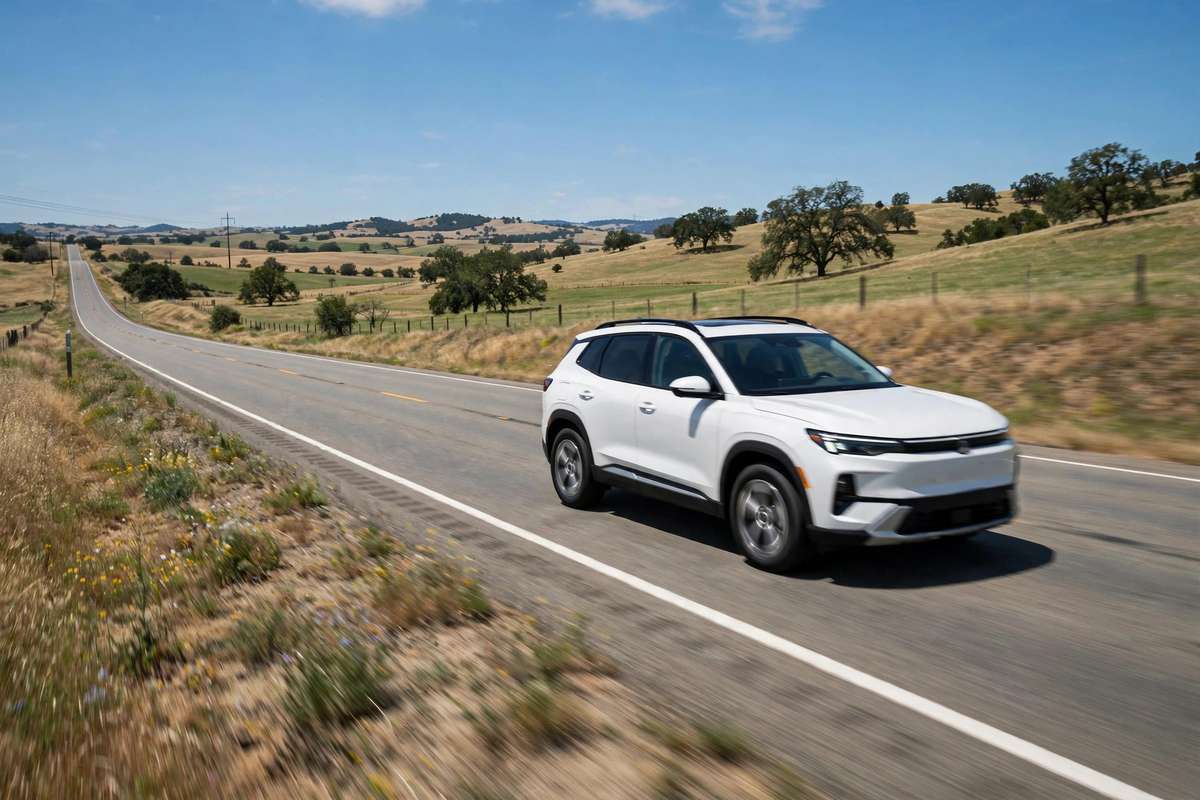
Demo and loaner cars sit in a sweet spot of the new car market that many shoppers never think to explore. These are the vehicles a dealership uses for test drives, shuttle service, or as temporary transportation for customers whose cars are in for service. After a few thousand miles and a few months of duty, they get rotated out and sold or leased, usually at a meaningful discount compared to a brand new car with ten miles on the odometer.
For lease shoppers in particular, demo and loaner cars can be one of the best values in the building. The combination of a reduced selling price and a lease structure that is already priced around depreciation creates a double discount that is hard to match with a fresh off the truck car. But demo leases come with their own wrinkles, from mileage limits that have already been nibbled at to warranties that started ticking the day the car entered service. Here is how the pros and cons actually shake out.
What Demo and Loaner Cars Really Are
The terms demo and loaner describe cars the dealer used as part of its own operations rather than selling to a retail customer. A demo is typically driven by dealership staff or managers, or set aside as a vehicle customers can test drive. A loaner, sometimes called a courtesy vehicle, is lent to service customers while their own car is in the shop. In most cases the car was never titled to a private owner, so it can still be sold or leased as a new car, even with several thousand miles showing.
That never titled detail is what makes demo leasing possible at all. Because the car is technically still new, it qualifies for new car lease programs, including subsidized money factors and factory lease incentives. The dealer is motivated to move it because every month it sits in service fleet rotation it loses value, and factory programs often require service loaners to rotate out after a certain number of miles or months.
The Main Advantage: A Lower Price for the Same Car
The headline benefit of leasing a demo is simple: you lease the same car for less money. The dealer discounts the selling price to reflect the miles already on the odometer, often several thousand dollars below what an identical untitled car would sell for. On a lease, that discount lowers the capitalized cost directly, which is the number your payments are calculated from. A few thousand off the capitalized cost can easily cut the monthly payment by fifty to one hundred dollars compared with leasing the same model fresh from inventory.
There is a second, quieter advantage. Demo and loaner cars are usually loaded up with options, because dealers pick well equipped cars for their fleets to show off the model line. You may end up driving a higher trim than you would have bought at the same payment, with features like heated seats, upgraded audio, or driver assistance packages baked in. If you want more car per monthly dollar, demos are one of the most reliable ways to get it. When you compare the deal, make sure you understand how much down payment a car lease really needs so you compare payments honestly against a brand new car quote.
Demonstration Cars Qualify for Factory Lease Incentives
One reason demo leases can look almost too good is that they often stack with the same factory incentives as new cars. Lease cash, subvented interest rates, and loyalty offers generally apply to never titled vehicles, and demos meet that definition. Occasionally a manufacturer will even offer extra dealer cash specifically to help move aged demo and loaner inventory, which the dealer can pass through as additional discount.
The practical result is a payment that can undercut the advertised special for a brand new version of the same car. This is why savvy lease shoppers ask about demo availability before negotiating. The catch is selection. You are limited to what the dealer has rotating out of its fleet, which means limited colors, trims, and option combinations. If you are flexible, the savings are real.
The Cons: Mileage, Wear, and Warranty Considerations
The tradeoffs start with the odometer. A demo may arrive with anywhere from one thousand to eight thousand miles already driven, and that matters because lease mileage allowances are calculated from the car’s current mileage, not from zero. A 36 month lease at twelve thousand miles per year on a car with four thousand miles gives you an allowance of forty thousand miles total, not the forty four thousand a new car would allow. The lessor adjusts the residual value downward to reflect those miles, which eats into some of the discount.
Wear is the second concern. Loaner cars are driven by dozens of different people who have no particular reason to treat the car gently. Curb rash on wheels, small door dings, and stained upholstery are common on retired loaners. You should inspect the car as carefully as you would a used car, because any wear and tear beyond normal that you sign off on becomes your problem at lease end. Make the dealer note existing damage in writing before you sign.
The Warranty Clock Is Already Running
Perhaps the most overlooked downside of a demo lease is the warranty. On most makes, the factory bumper to bumper warranty starts the day the car is placed into demo or loaner service, not the day you lease it. If you sign a 36 month lease on a car that has been in service for six months, you may have only thirty months of warranty coverage left, with the last months of your lease effectively uncovered.
For reliable brands this is a minor concern, since most warranty claims happen early if they happen at all. But on vehicles with pricier repair histories, those uncovered months carry real risk. Ask the dealer for the in service date in writing and compare it against your lease term. If the warranty expires before your lease does, factor the cost of potential repairs or an extended service contract into your comparison with a brand new car.
What to Inspect Before Signing a Demo Lease
Do the same homework you would do on any lease, plus a used car inspection. Walk around the car and document every scratch, dent, and stain, then have the dealer sign off on that condition report. Pull a vehicle history report if the dealer offers one, and confirm the car was never titled to a private party, because a titled car would be a used car and would not qualify for new car lease programs.
Ask specifically about the in service date, the exact mileage, and whether any warranty work has already been performed. Then run the numbers against a brand new car. Request a quote on an equivalent new vehicle with the same terms so you can see whether the demo discount is genuinely large enough to justify the extra miles and the shorter warranty. A good rule is that the demo should save you at least the equivalent of the miles it carries, and usually much more. If the savings are thin, the brand new car is the better deal. Our guide on how to tell if a car lease deal is actually good walks through the math you can use for this comparison.
Who Should Lease a Demo, and Who Should Skip It
Demo leases are ideal for flexible shoppers who prioritize payment over perfection. If you drive moderate miles, can take what is available rather than ordering a specific color and trim, and do not mind a car that has been gently broken in by others, the savings are hard to beat. Commuters who put steady highway miles on a car and return it at lease end are the classic demo lease winners.
You should probably skip the demo route if you drive close to your mileage limit already, since the reduced allowance could push you into overage fees. Skip it too if you are particular about a specific configuration, or if the warranty timeline leaves you uncovered for a large part of the term. In those cases the brand new car’s full mileage allowance and full warranty are worth the higher payment.
The Bottom Line on Demo and Loaner Leases
Leasing a demo or loaner car trades a little selection, a few thousand miles, and some warranty time for a meaningfully lower payment on an otherwise new car. For flexible shoppers the math usually works strongly in their favor, especially since demos still qualify for factory lease incentives. The key is to inspect carefully, get the in service date and existing damage in writing, and compare the final numbers against a brand new car before committing. Do that, and a demo lease can be one of the smartest deals on the lot.