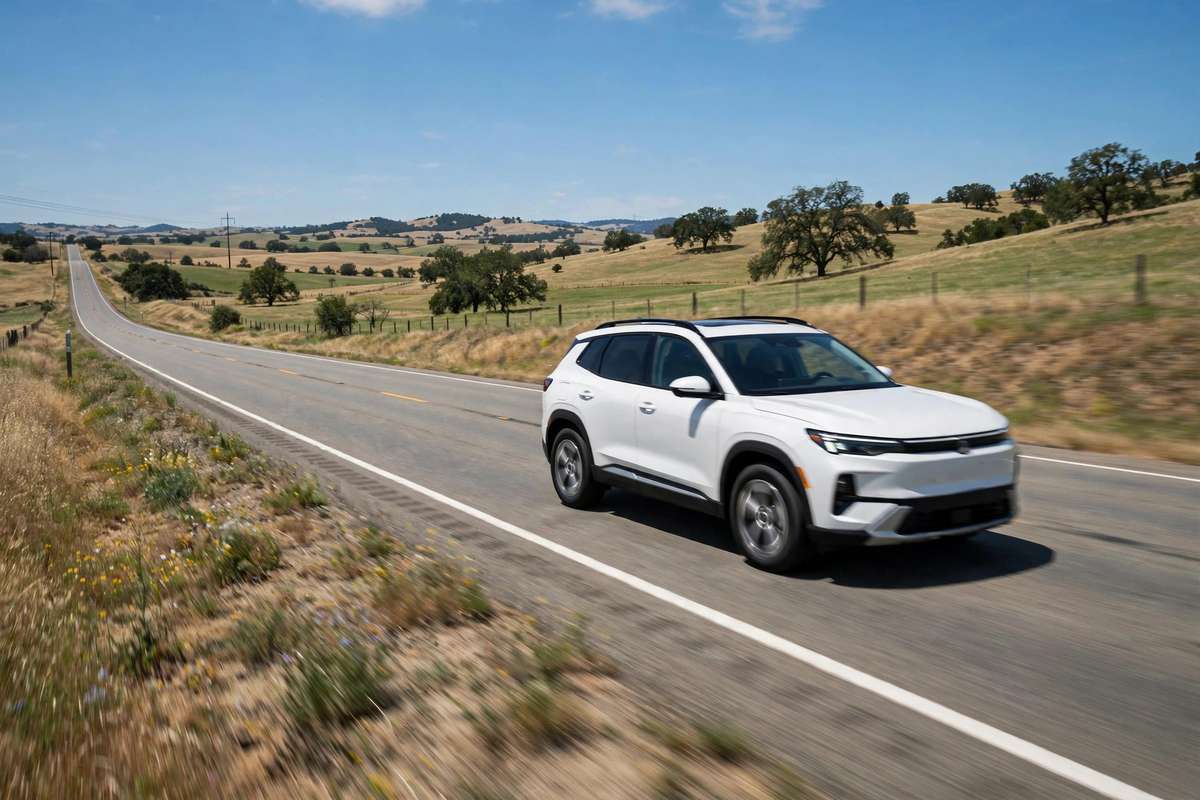
Taking over someone else’s car lease can be one of the smartest moves in car shopping, or one of the riskiest. On the plus side, you get a relatively new car, a short commitment, and often a monthly payment below what a brand new lease would cost. On the minus side, you inherit someone else’s mileage usage, wear and tear, and contract terms. Whether it is a good deal depends entirely on the details.
This guide walks through both sides honestly. You will learn what makes a lease takeover attractive, where the hidden traps are, how to evaluate a specific listing, and how the process works from first contact to driving away. By the end, you will know exactly what to check before you sign someone else’s lease.
What Taking Over a Lease Means
A lease takeover, also called a lease assumption, is the mirror image of a lease transfer. Instead of exiting a lease, you are entering one midstream. The original lessee wants out, you want a car, and the leasing company rewrites the contract in your name for the remaining term.
You step into the original contract terms: the same monthly payment, the same remaining mileage allowance, the same end date, and the same lease-end obligations. You do not get to renegotiate the payment or the residual value. What you see is what you get, which is why evaluating the listing carefully matters so much.
If you are on the other side of this transaction and need to exit, our guide to lease transfers for getting out of your lease explains the process from the seller’s perspective.
The Pros: Why Takeovers Appeal to Buyers
The biggest advantage is the short commitment. Most lease takeovers have 12 to 24 months remaining, which is perfect if you need a car for a defined period: a temporary job assignment, a gap year before buying, or a trial run with an electric vehicle before committing long term. You get a nearly new car without a three year obligation.
The second advantage is price. Original lessees often offer cash incentives to attract a buyer, effectively lowering your monthly cost. A car that leased new at 520 dollars a month might come with a 2,000 dollar incentive on 16 remaining months, bringing your effective payment to 395 dollars. That is hard to beat with a new lease.
The third advantage is skipping the worst depreciation. The original lessee absorbed the steepest first year depreciation. You step in after that hit, driving a car that still feels new while paying for the flatter part of the depreciation curve. You also skip the dealership negotiation entirely, since the payment is already set.
The Cons: Where Takeovers Go Wrong
The biggest risk is the mileage allowance. You inherit whatever miles remain, and the original lessee may have used more than their share. A lease with 18 months left but only 9,000 miles remaining gives you 500 miles a month. If you drive 1,000 miles a month, you will owe excess mileage charges of 20 to 30 cents per mile at turn-in. On 9,000 excess miles, that is 1,800 to 2,700 dollars.
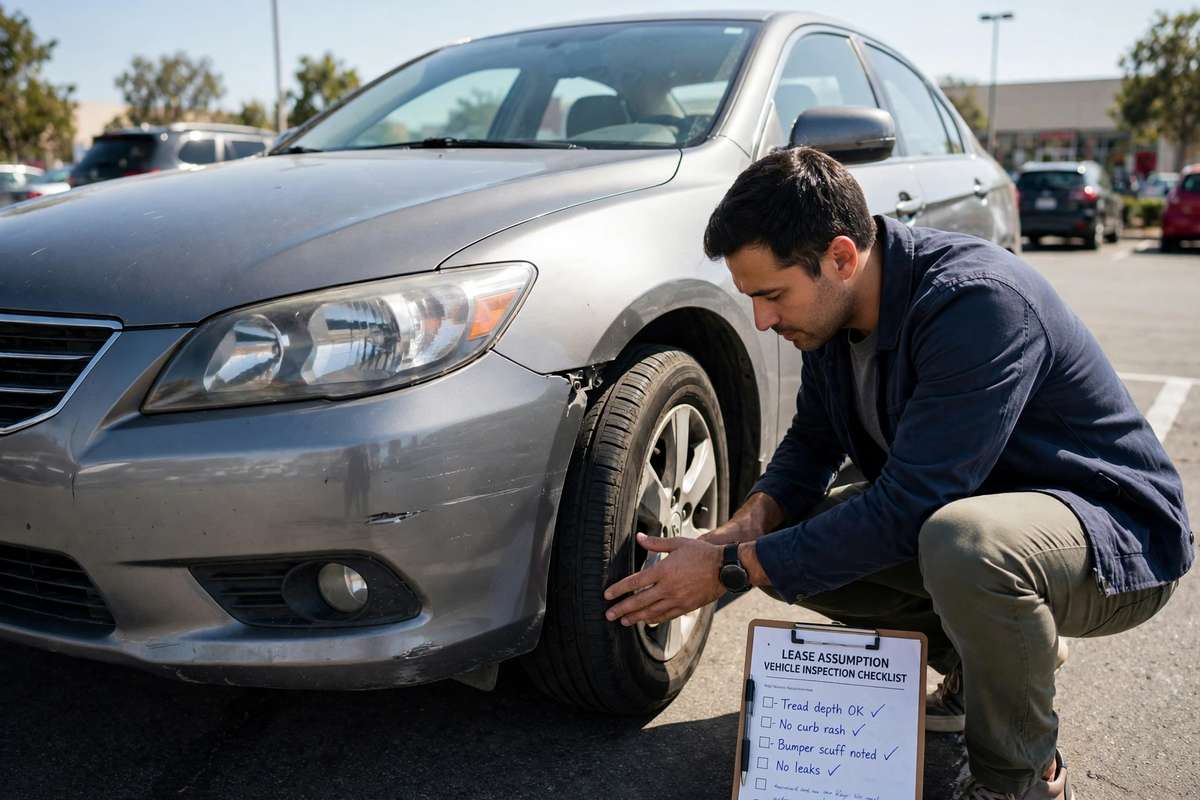
The second risk is wear and tear. The original lessee drove the car for a year or two before you. Dents, curb rashed wheels, stained upholstery, and worn tires become your problem at lease end, because the lease-end inspection happens on your watch. Always inspect the car thoroughly before you commit, and understand the wear and tear charges that apply at lease end so you can price any existing damage into your decision.
The third risk is contract rigidity. You cannot change the payment, the term, or the mileage allowance. If your needs change six months in, you face the same exit problem the original lessee had. A takeover is a commitment, just a shorter one.
Limited selection
You can only choose from what is listed. If you want a specific color, trim, or option package, you may wait months for the right car to appear. Takeovers reward flexibility and punish pickiness.
How to Evaluate a Takeover Listing
Start with the effective monthly payment. Take the listed monthly payment, subtract any seller incentive divided by the remaining months, and add the amortized transfer fee. That is your true monthly cost. Compare it to what a new lease on a similar car would cost. The takeover should be meaningfully cheaper to justify the risks.
Next, check the mileage math. Divide the remaining miles by the remaining months to get your monthly allowance. Compare that to your actual driving. Be honest about your mileage, because excess mileage charges are one of the most common takeover regrets.
Then inspect the car like a lease-end inspector would. Walk every panel, check the wheels for curb rash, test every electronic feature, examine the tires for tread depth, and look for interior stains or damage. Anything you find is leverage: either the seller fixes it, increases the incentive, or you walk away. Our overview of how car lease transfer exits work includes tips on what inspectors flag, which doubles as your pre-takeover checklist.
Questions to ask the seller
Ask why they are transferring. Job relocation and family changes are neutral reasons. Ask about accidents, even minor ones, and get a vehicle history report. Ask whether all scheduled maintenance was performed and request records. Ask about the tire condition and whether they are the original tires. Ask if any warning lights are on or if anything needs repair. Honest sellers answer easily. Evasive sellers are telling you something.
Questions to ask the lender
Call the leasing company before you apply. Confirm the exact remaining term, payment, and mileage allowance. Ask about the transfer fee and who pays it. Ask whether the original lessee is fully released, because that affects their motivation but not your obligation. Ask about the lease-end purchase option and disposition fee, since those will be your costs at turn-in.
The Takeover Process Step by Step
First, find a listing that fits your needs and contact the seller. Discuss the incentive, the car’s condition, and the timeline. Second, both of you complete the lender’s transfer application. You will undergo a credit check similar to a new lease approval, so your credit should be in reasonable shape.
Third, once approved, the lender prepares new contract documents. Read them carefully. Confirm the payment, term, mileage allowance, and lease-end terms match what you were told. Fourth, arrange the vehicle handoff. Inspect the car again, document its condition with dated photos, record the exact mileage, and complete any required registration and insurance steps.
The whole process typically takes two to six weeks from first contact to handoff. Rushing it benefits no one. Take the time to verify everything, because once the contract is in your name, the obligations are yours.
Takeover vs Buying Used vs Leasing New
Compared to buying a used car, a takeover gives you a newer car with warranty coverage and a defined exit date, but you build no equity and face lease-end charges. Compared to leasing new, a takeover offers a shorter term and often a lower effective payment, but you get no choice of color or options and inherit someone else’s usage patterns.
The takeover wins when you need a car for one to two years, the effective payment beats a new lease, the mileage works for your driving, and the car is in good condition. It loses when the mileage is tight, the car shows wear, or the effective payment is close to new lease pricing. In that last case, the certainty of a new lease is worth the small premium.
Red Flags That Should Stop the Deal
Walk away if the seller wants to transfer outside the lender’s process. Walk away if the mileage math does not work for your driving and the seller will not increase the incentive to cover the difference. Walk away if the car has undisclosed damage or a checkered history. Walk away if the lender will not confirm the terms in writing before you apply.
Also be cautious with very short remaining terms under six months. The transfer process itself can eat a month or two, leaving you with little driving time for the fees and hassle. And be wary of sellers who pressure you to decide quickly. A good takeover listing will still be good next week after you have done your homework.
The Bottom Line on Lease Takeovers
Taking over someone’s car lease is a legitimate shortcut to a good car at a good price, but only when the numbers work. Calculate the true effective payment, verify the mileage allowance against your real driving, inspect the car like an inspector, and run everything through the lender. Do that homework and a takeover can be the smartest car decision you make this year. Skip it and you inherit someone else’s expensive mistake.