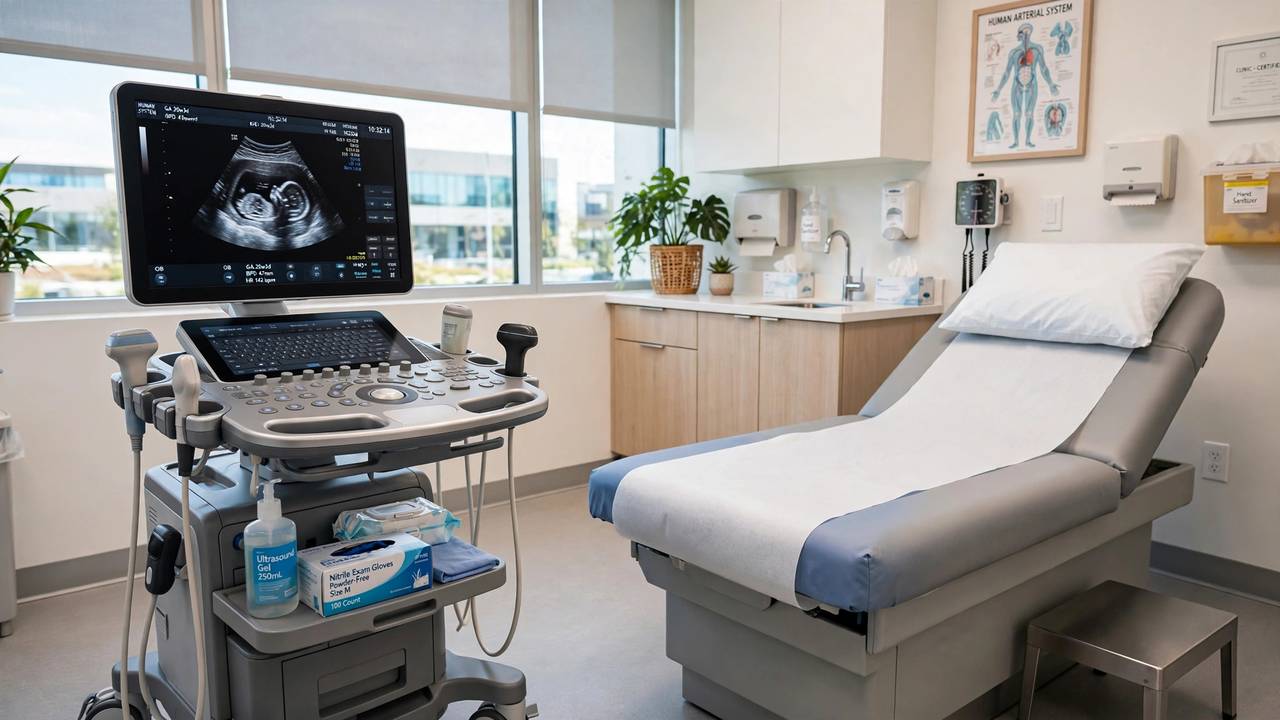
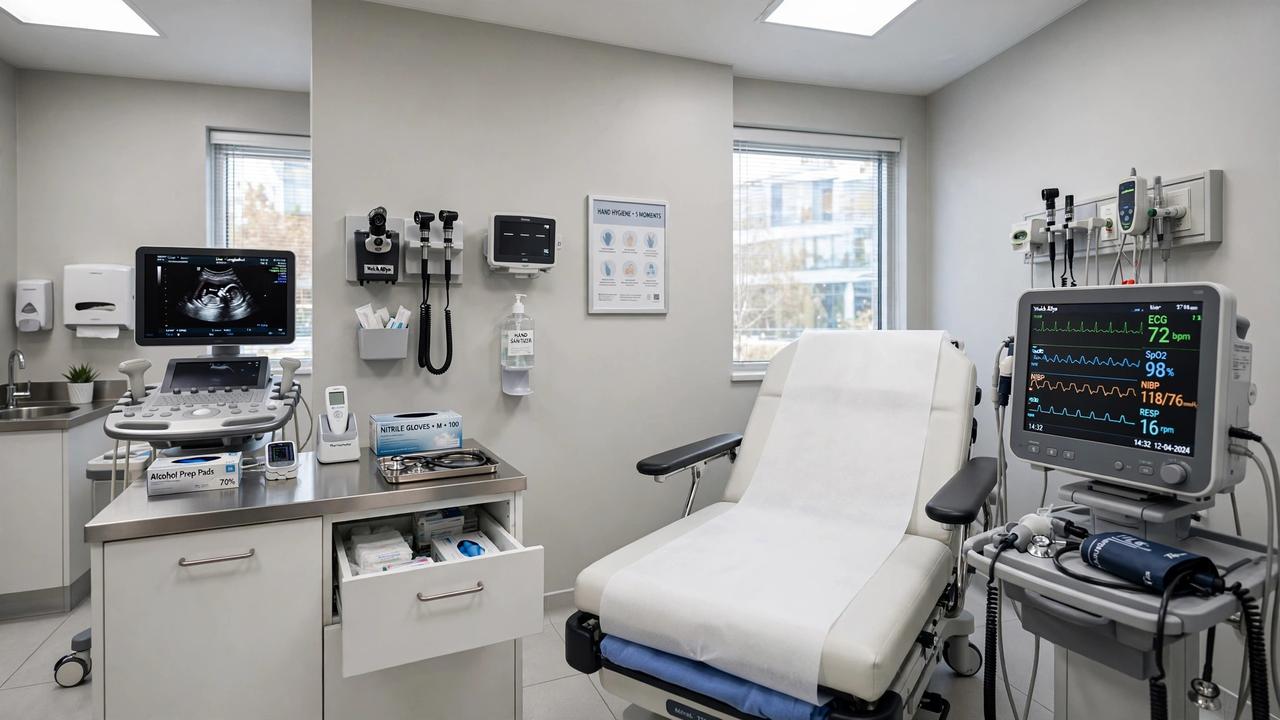
Ultrasound has become one of the most versatile tools in outpatient medicine. Obstetricians, cardiologists, vascular specialists, urologists, and urgent care clinics all rely on it daily. But a quality ultrasound system costs anywhere from $25,000 to $250,000, and high end machines with advanced transducers and software packages sit at the top of that range.
For clinics, ultrasound equipment leasing offers a practical way to put advanced imaging in every exam room without draining capital reserves. The equipment is relatively portable, the technology evolves at a steady pace, and the lease structures are straightforward compared to larger imaging modalities.
This guide covers what ultrasound equipment leasing costs, which systems suit different clinic types, how to structure the lease, and what to watch for in the contract. It is written for practice managers, physicians, and clinic owners evaluating ultrasound for the first time or replacing aging machines.
What Ultrasound Systems Cost
Ultrasound pricing spans a wide range because the category covers everything from handheld point of care devices to full console systems. A basic cart based system for general imaging might cost $30,000 to $60,000. Mid range systems with multiple transducers and specialty software run $75,000 to $150,000. Premium systems for cardiology or advanced obstetrics can reach $150,000 to $250,000.
Transducers are a significant part of the cost. A single high frequency linear probe or 3D 4D transducer can cost $8,000 to $25,000, and most practices need three or four probes to cover their clinical range. Make sure your equipment quote includes every transducer you need, since adding them later at retail price is expensive.
Handheld and laptop based ultrasound devices are the fastest growing segment. These cost $2,000 to $15,000 and are generally purchased outright rather than leased, since the amounts fall below most lessors’ minimum thresholds. For a clinic that only needs occasional bedside imaging, a handheld device may eliminate the need for a lease entirely.
Typical Lease Payments for Ultrasound
On a 60 month fair market value lease with good credit, expect monthly payments of roughly $22 to $35 per $1,000 of equipment value. A $50,000 mid range system would run about $1,100 to $1,750 per month. A $150,000 premium cardiology system would cost $3,300 to $5,250 monthly.
Shorter terms raise the payment but reduce total cost and technology risk. A 36 month lease on that $50,000 system might run $1,600 to $1,950 per month. Longer 72 month terms drop the payment to $850 to $1,050 but keep you paying on technology that may feel dated by year five.
Many clinics lease multiple systems at once, for example one per exam room. Leasing companies often offer slightly better rates on bundled packages, so get a quote for the full fleet rather than leasing machines one at a time.
Choosing the Right Lease Structure
The right structure depends on how fast your ultrasound technology needs to change. For general purpose systems that will serve your clinic for many years, a dollar-buyout option builds ownership and eliminates end of term uncertainty. You pay more each month, but the machine is yours at the end.
For specialty systems where image quality and software features advance quickly, a fair market value lease keeps payments lower and gives you a clean upgrade path. Cardiology and advanced obstetric systems fall in this category, since new transducer technology and AI assisted measurements arrive regularly.
Some vendors offer technology refresh programs built into the lease. These let you upgrade to a newer model mid term for an adjusted payment. They can be attractive, but read the terms carefully: the upgrade usually extends the lease and resets the clock, so the total cost can exceed two consecutive standard leases.
Matching the System to Your Clinic
Different specialties need different capabilities, and overbuying is a common and expensive mistake. An urgent care clinic doing basic abdominal and soft tissue scans does not need the same system as a maternal fetal medicine practice doing detailed fetal echocardiography.
Start by listing the exams you perform most often and the transducers each requires. Then match the system specifications to that list. A mid range system handles general radiology, OB GYN, and vascular work well. Cardiology needs dedicated cardiac presets, strain imaging, and transesophageal capability. Point of care applications in emergency or primary care can often be served by compact systems at half the price.
Get demonstrations from at least two vendors with your own clinical staff operating the machines. Image quality differences that look minor in a brochure become obvious when your sonographers compare systems side by side. The staff who will use the machine daily should have a vote in the selection.
Service, Warranty, and Software
Ultrasound service contracts typically cost $5,000 to $15,000 per year for mid range systems and more for premium machines. The contract should cover preventive maintenance, parts, and loaner equipment during repairs. For a clinic that depends on ultrasound revenue daily, a loaner guarantee is worth negotiating explicitly.
Software licensing is an increasingly important cost. Advanced measurement packages, AI assisted analysis, and specialty applications are often sold as annual subscriptions rather than one time purchases. Confirm whether these are included in your equipment quote and lease, or whether they represent a separate ongoing cost.
Transducer damage is the most common repair issue. Probes are fragile and expensive, and a single dropped transducer can cost $10,000 or more to repair. Some service contracts exclude transducer damage or cap the number of covered repairs. Understand these limits before you sign, and budget for the possibility of at least one transducer repair during the lease term.
Evaluating Lease Proposals
As with any equipment lease, compare total term cost across at least three proposals. The monthly payment tells only part of the story. Ask each lessor for the complete picture: documentation fees, interim rent, insurance requirements, and end of term options.
Be skeptical of advertised lease rates that seem unusually low. Vendors sometimes advertise a teaser rate that applies only to the shortest term, the smallest system, or customers with perfect credit. Reading the fine print on any lease advertisement helps you spot the conditions hiding behind the headline number.
Confirm what happens to the software licenses at lease end. If your advanced measurement packages are subscription based, they may not transfer with a buyout. For FMV leases where you plan to return the machine, make sure there are no data migration or decommissioning fees buried in the contract.
Installation and Training
Ultrasound installation is simpler than most imaging modalities, but it still requires planning. Console systems need adequate space, proper electrical outlets, and network connectivity for image archiving. If your clinic uses a PACS system, confirm compatibility before the machine arrives.
Training is often underestimated. A new ultrasound system with unfamiliar software can slow your sonographers down for weeks. Most vendors include applications training in the purchase price, typically one to three days on site. Negotiate for additional training days if your staff is transitioning from a different vendor’s platform.
If you are opening a new clinic or expanding into a new space, coordinate the equipment delivery with your facility timeline. Your medical office lease considerations should account for the space, electrical, and networking requirements of the imaging equipment, so review both agreements together before committing.
Tax and Accounting Notes
Monthly lease payments for ultrasound equipment used in your clinic are generally deductible as business expenses. This makes leasing attractive from a cash flow and tax perspective, especially for practices in higher tax brackets.
If you choose a dollar buyout structure, the tax treatment generally follows a financed purchase: you depreciate the equipment rather than deducting the full payment. Section 179 may allow you to deduct a large portion of the cost in the first year, which can be advantageous for profitable practices. Discuss both paths with your accountant before deciding.
Keep clean records of the equipment’s business use percentage. If a machine is used partly for personal or non business purposes, which is rare in a clinic setting but possible in a home office arrangement, the deduction must be prorated.
Avoiding Common Mistakes
The most frequent mistake clinics make is leasing more machine than they need. A premium system impresses at the demonstration but adds thousands to the monthly payment for features your practice rarely uses. Match the system to your actual exam mix, not your aspirational one.
Another common error is ignoring the transducer budget. Clinics negotiate hard on the console price and then discover that the probes they need add $30,000 to the package. Get the complete system quote, transducers and software included, before requesting lease proposals.
Finally, do not sign a lease before your staff has tested the machine. A system that looks good on paper but frustrates your sonographers will cost you in productivity and morale. The demonstration period is your best protection against a five year mistake.