Opening a veterinary practice or upgrading your clinic’s technology requires serious capital. A digital X-ray system alone can cost tens of thousands of dollars, and once you add ultrasound, dental equipment, surgical tools, and an in-house lab, the total quickly pushes past six figures. For most new and growing practices, paying that much upfront is not a realistic option.
Equipment leasing offers a practical way forward. Instead of buying diagnostic and treatment equipment outright, you pay a fixed monthly amount over a set term, much like leasing a work vehicle. At the end of the term, you can buy the equipment, renew the lease, or return it and upgrade to newer technology. This guide walks through how veterinary equipment leasing works, what it typically costs, and what to look for before you sign.
Why Veterinary Practices Lease Instead of Buy
The biggest reason practices lease is cash flow. A startup clinic already faces build-out costs, hiring, inventory, and marketing. Leasing spreads the cost of expensive equipment over time so the equipment starts generating revenue before it is fully paid for. A new ultrasound machine booked for several scans a week can cover its monthly lease payment many times over.
Technology turnover is another factor. Veterinary imaging and lab equipment improve quickly, and a machine that was top of the line five years ago may feel dated today. Leasing lets you refresh equipment on a schedule instead of owning aging machines that need costly repairs.
Modern equipment also attracts skilled associates and reassures clients that their pets get current standards of care. A practice that advertises digital dental radiography or an in-house lab has a real competitive edge. The considerations behind medical office leases follow similar logic, since healthcare businesses weigh equipment and space decisions together.
Types of Veterinary Equipment You Can Lease
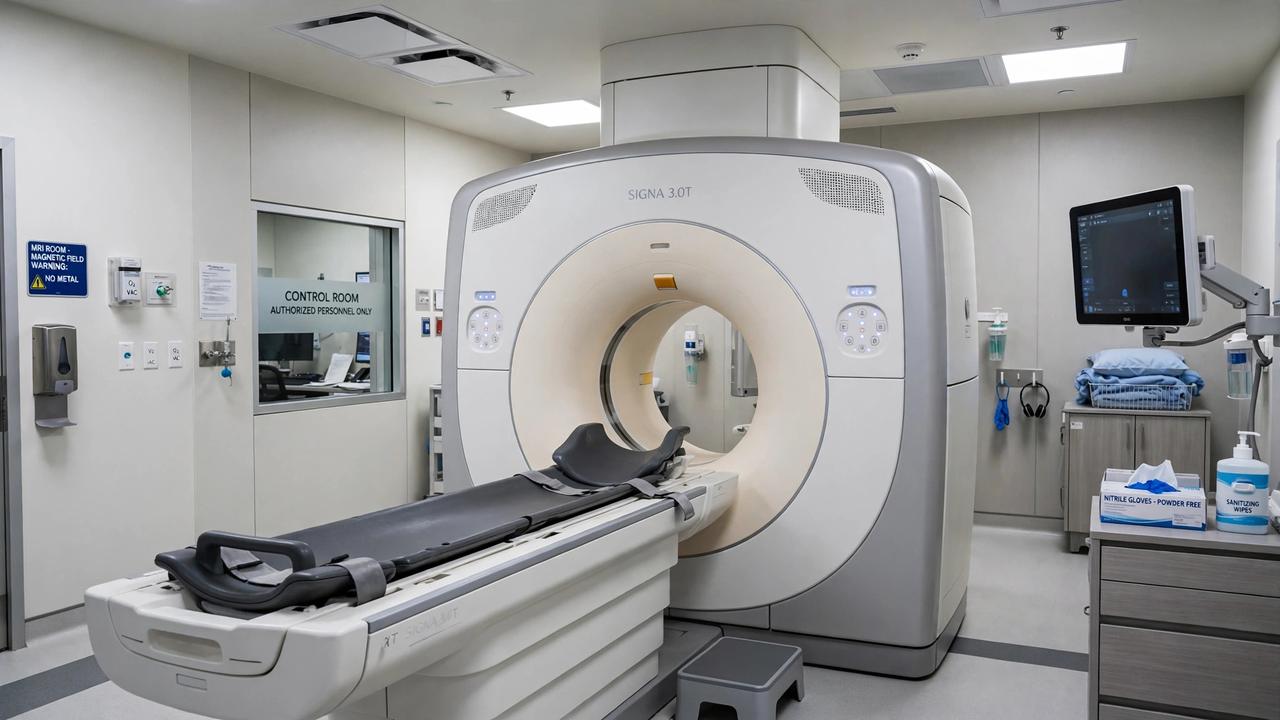
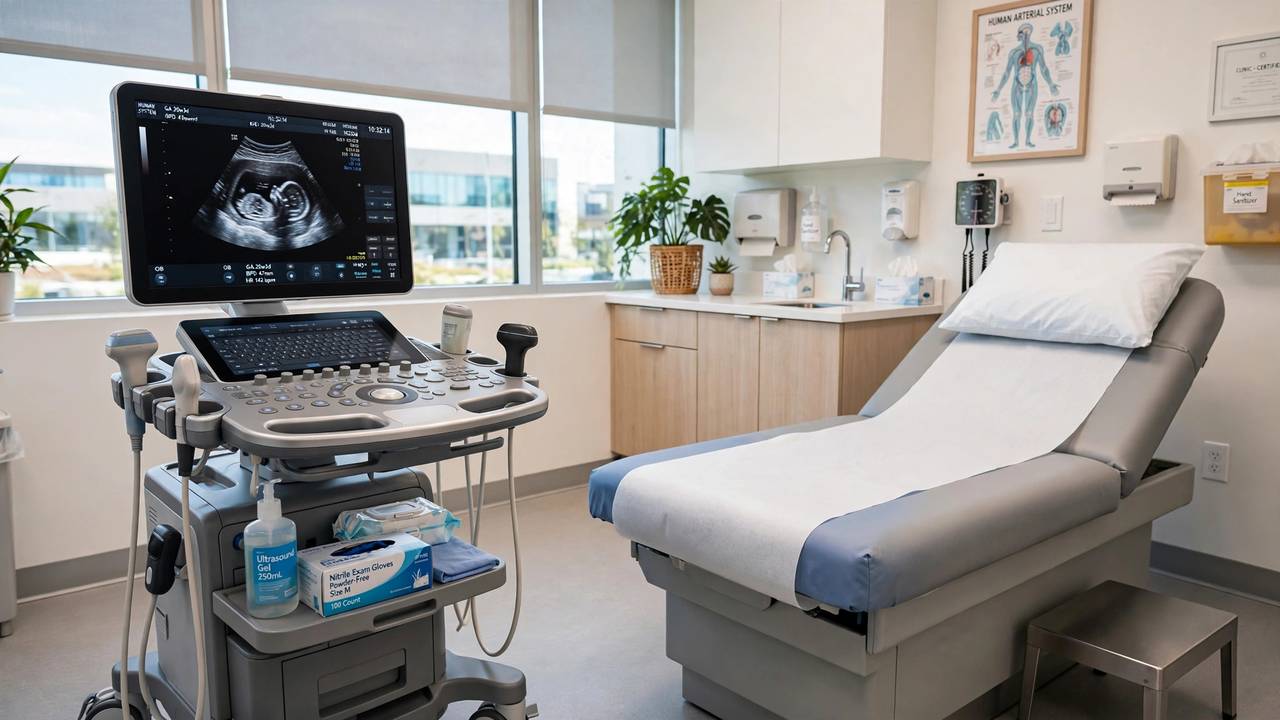
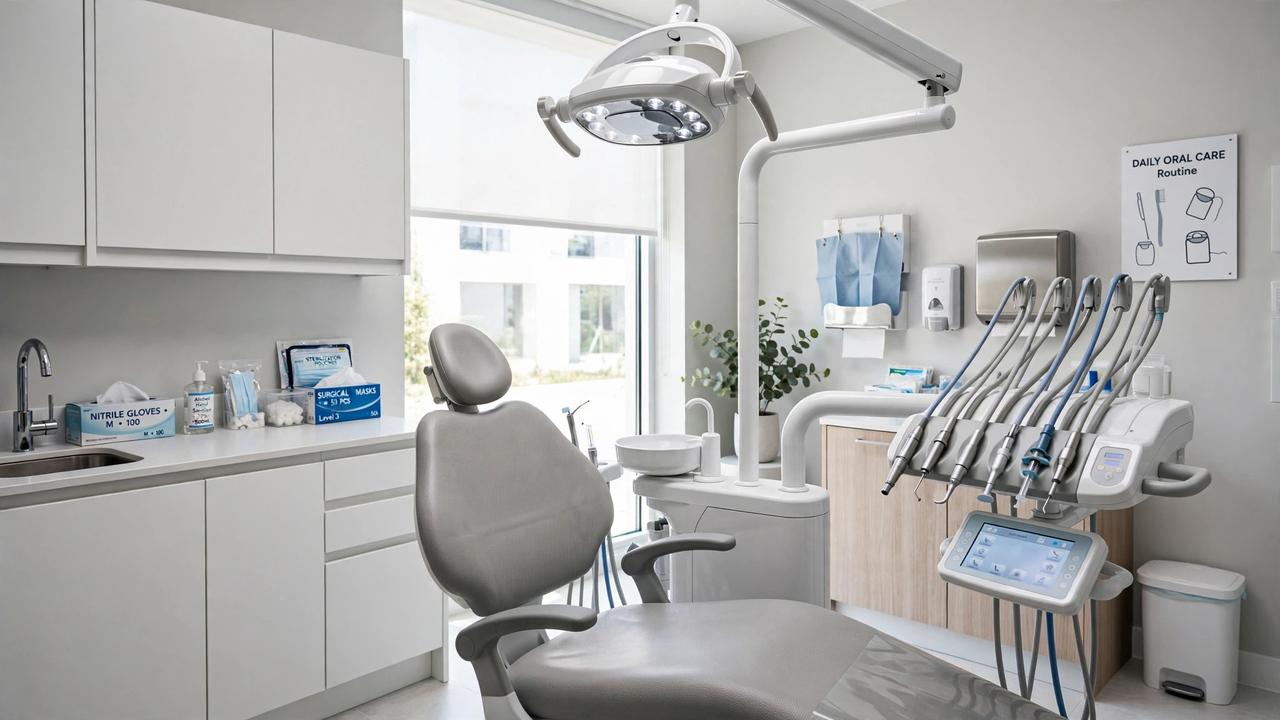
Nearly any equipment used in a practice can be leased. Imaging equipment is the most common category: digital radiography systems, ultrasound machines, and CT scanners top the list because they are expensive and technology-driven. Dental suites, including high-speed handpieces and digital dental X-ray units, are another frequent lease item.
Surgical and anesthesia equipment also leases well. Anesthesia machines, patient monitors, electrosurgical units, and surgical lights are standard items on veterinary leases. In-house laboratory analyzers for bloodwork, urinalysis, and cytology round out the clinical side. Beyond clinical tools, practices lease practice management servers and software, exam tables, kennel and boarding equipment, and even grooming stations.
Bundled leases are worth asking about. Some vendors and independent lessors will package multiple items, such as an imaging suite plus lab equipment, into a single lease with one monthly payment. This simplifies administration and can lower the total cost compared with separate leases.
Common Lease Structures for Veterinary Practices
Equipment leases come in several forms, and the structure you choose determines what happens at the end of the term and how the lease is treated for tax purposes.
Fair Market Value Leases
A fair market value lease, often called an FMV lease, gives you lower monthly payments because the lessor expects to recover part of the equipment’s cost by reselling it after you return it. At the end of the term, you can buy the equipment at its then current fair market value, renew the lease, or return the equipment. This structure works best when you want the newest technology and plan to upgrade rather than keep the equipment.
Dollar Buyout Leases
A dollar buyout lease sets a purchase price of one dollar at the end of the term. Monthly payments are higher because you are paying off the full cost of the equipment, but ownership is essentially guaranteed. Practices that intend to keep equipment for many years often prefer this structure. Learn how a dollar buyout lease works before choosing between this and an FMV structure.
Step and Deferred Payment Leases
Some lessors offer stepped payments that start low and increase over time, or deferred payment plans that give new practices a grace period before payments begin. These can be helpful for startup clinics that expect revenue to ramp up over the first year. Make sure you understand the total cost, since deferred or back-loaded payments can make these plans more expensive than they first appear.
What Veterinary Equipment Leasing Typically Costs
Monthly lease payments depend on the equipment’s price, the lease term, your credit profile, and the lease structure. As a rough guide, a $40,000 ultrasound unit on a 60-month FMV lease might run around $700 to $900 per month, while a $100,000 digital radiography suite could cost $1,800 to $2,400 per month. Shorter terms and dollar buyout structures produce higher payments.
Most veterinary equipment leases run 24 to 60 months. Longer terms mean lower monthly payments but higher total cost and a longer commitment to equipment that may become outdated. Many lessors ask for little or no money down, although startups with limited credit history may need to provide a larger security deposit or a personal guarantee from the practice owner.
Interest costs are built into the payment rather than quoted separately, so ask for the total of all payments to compare offers on equal footing. Business lease tax deductions work on similar principles to equipment leases, and comparing the effective rate across offers protects you from overpaying.
Tax Treatment and Financial Reporting
How a lease is taxed depends on its structure. Payments under an operating-style lease are generally deductible as ordinary business expenses. Leases structured as purchases may qualify for depreciation deductions and, in many cases, accelerated write-offs. The exact treatment depends on current tax law and your practice’s financial situation, so confirm the details with your accountant before signing.
Leasing can also simplify budgeting. Fixed monthly payments make it easier to forecast cash flow than irregular repair bills and replacement purchases.
What to Check Before You Sign
Read the full agreement, not just the payment schedule. Equipment leases are contracts, and the fine print around end-of-term options, maintenance, and early termination can matter as much as the monthly payment. Our guide to reading a lease before signing covers the universal checkpoints that apply to equipment leases too.
End of Term Options
Confirm exactly what happens when the term ends. Know whether the buyout is a fixed dollar amount or a market value determined later, whether renewals have preset pricing, and what fees apply if you return the equipment. Vague language around buyouts is a red flag that deserves clarification in writing.
Maintenance and Repair Responsibility
Most equipment leases make you responsible for maintenance and repairs, including manufacturer service contracts. For imaging equipment, service contracts can run thousands of dollars per year. Factor these costs into your comparison, and confirm whether the lessor requires specific service providers or allows you to choose.
Insurance Requirements
Lessors typically require you to carry property insurance covering the full replacement value of the equipment, plus liability coverage. Get a quote from your insurer before committing so there are no surprises. If you already insure your practice, adding scheduled equipment to the policy is usually straightforward.
Early Termination and Upgrade Provisions
Ask what happens if your practice closes, merges, or needs different equipment mid-term. Early termination fees can be steep, sometimes equal to most of the remaining payments. Upgrade clauses that let you trade up to newer models during the term are valuable for technology-heavy equipment and worth negotiating upfront.
Common Mistakes to Avoid
The most frequent mistake is focusing only on the monthly payment. A low payment on a long term with a large buyout can cost more overall than a higher payment on a shorter term. Always compare the total of all payments plus the end-of-term cost.
Another mistake is leasing equipment the practice does not fully use. A CT scanner that runs twice a month may not justify a lease payment when a referral or mobile imaging service could handle those cases.
Finally, avoid signing vendor-arranged leases without shopping around. Equipment vendors often partner with finance companies, and while the convenience is real, independent equipment leasing companies and your business bank may offer better terms. Get at least two quotes for any lease over $25,000.
Is Leasing Right for Your Practice?
Leasing makes the most sense when equipment is expensive, technology-driven, and central to revenue. Imaging, dental, and lab equipment fit this profile well. It also suits practices that value predictable monthly costs and regular upgrades over long-term ownership.
Buying may be better for durable, slow-changing items like exam tables, kennel equipment, and hand instruments that hold value for many years. Used equipment purchases can also stretch a tight budget, especially for startup practices.
The right choice depends on your cash position, growth plans, and how quickly your equipment will become outdated. Run the numbers for both options, talk to your accountant, and choose the path that keeps your practice equipped with healthy cash flow.