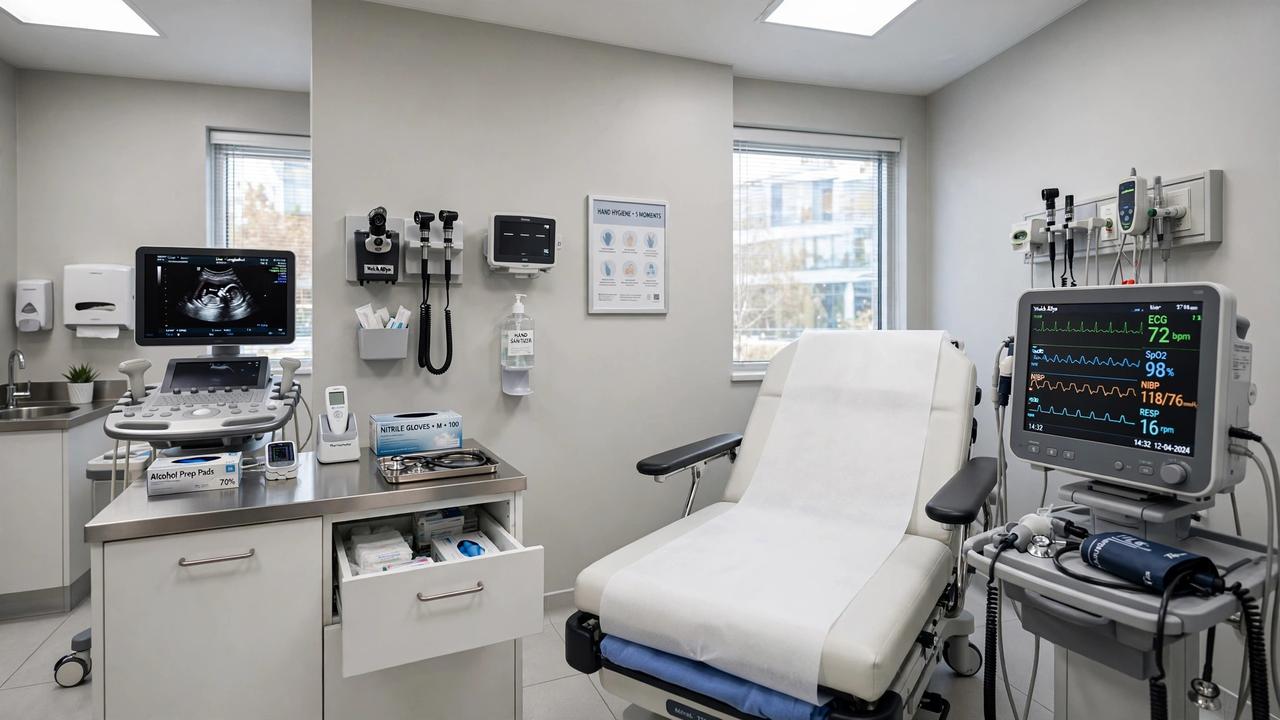
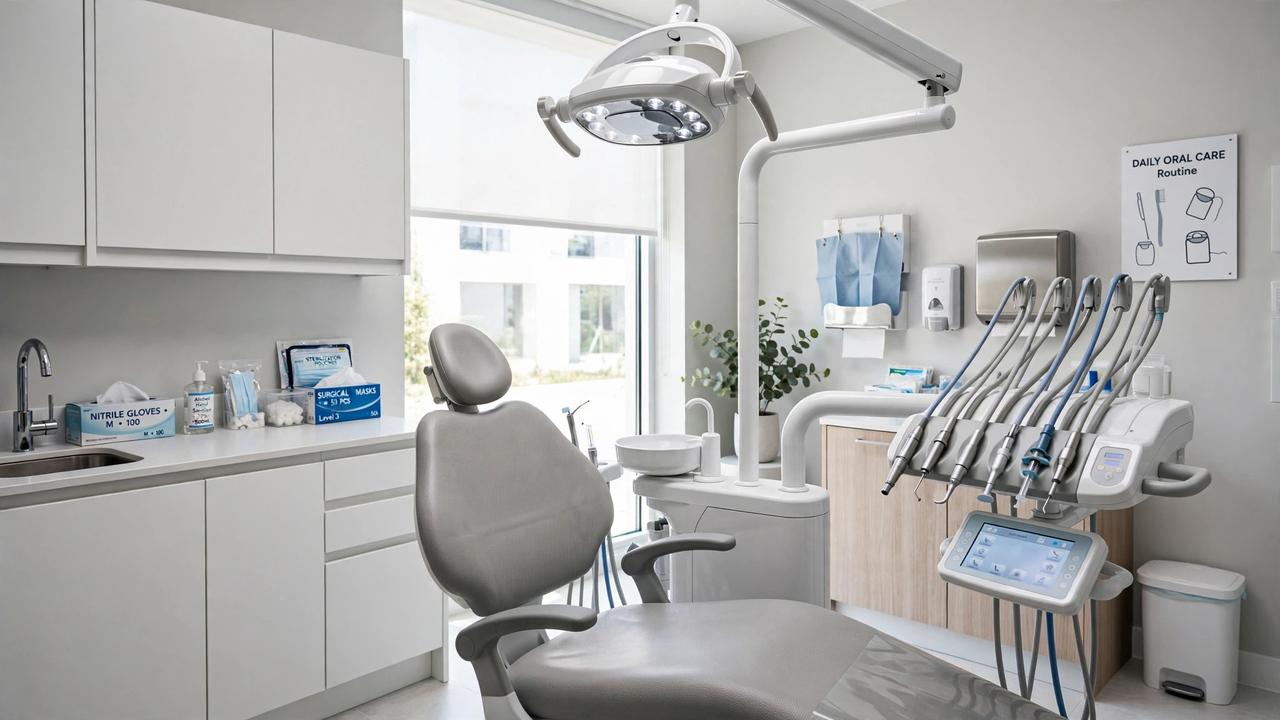
Opening or upgrading a dental practice is one of the most capital intensive moves in dentistry. A single operatory can cost $30,000 to $50,000 to equip, and a new practice with four operatories can need $200,000 or more in equipment before seeing a single patient. Chairs, delivery systems, digital imaging, sterilization, and lab equipment all add up fast.
Dental equipment leasing gives dentists a way to spread those costs over time while staying current with technology. It is the most common financing method in the industry: it preserves working capital, offers tax advantages, and lets practices upgrade equipment on a regular cycle.
This article breaks down what dental equipment leasing costs in 2026, the lease structures available, how to compare offers, and the practical details that matter for dentists.
What Dental Equipment Costs to Lease
Monthly lease payments scale with the total equipment cost. For a 60 month fair market value lease with solid credit, budget roughly $22 to $35 per $1,000 of equipment value per month. A $50,000 operatory package would run about $1,100 to $1,750 monthly, while a full four operatory buildout of $200,000 could cost $4,400 to $7,000 per month.
Digital imaging equipment tends to be the priciest single category. A cone beam CT scanner, for example, typically costs $100,000 to $200,000, which translates to roughly $2,200 to $7,000 per month depending on the lease structure and term. Digital X-ray sensors, intraoral scanners, and 3D printers fall in the $15,000 to $60,000 range each.
Lease terms also shape the payment. A 36 month lease on $50,000 of equipment might run $1,600 to $1,900 per month, while stretching to 72 months drops it to $850 to $1,050. Longer terms mean lower payments but higher total cost, and they increase the risk that the equipment feels outdated before the lease ends.
Lease Structures Dental Practices Use
Most dental equipment leases fall into one of three categories. Understanding the differences helps you match the structure to each piece of equipment.
Fair Market Value Leases for Technology That Changes
Imaging equipment, CAD CAM systems, and digital scanners evolve quickly. A fair market value lease keeps payments low and gives you the option to return or upgrade at term end. For technology you will want to replace in five years, this structure usually delivers the best economics.
If you end up keeping the equipment and buying it at fair market value, the total cost can exceed what a dollar buyout would have cost from the start. Be honest about your replacement plans before choosing.
Dollar Buyout Leases for Long Life Equipment
Dental chairs, delivery units, sterilization equipment, and cabinetry have long useful lives and stable designs. A dollar buyout lease lets you pay the equipment off over the term and own it for $1 at the end, making it the economical choice for items you plan to use for a decade or more.
Monthly payments run higher than an equivalent FMV lease because you are paying down the full purchase price. But there is no residual balloon at the end, and you are not at the mercy of the lessor’s valuation when the term expires.
Operating Leases and Bundled Service Agreements
Some dental equipment vendors offer leases that bundle maintenance, software updates, and even consumables into one monthly payment. These are common for digital imaging systems and 3D printing setups where service is critical to uptime.
Bundled leases simplify budgeting because everything arrives as a single payment. The downside is reduced transparency: it is harder to tell what you are paying for the equipment versus the service. Ask the vendor to break out the components so you can compare against separate service contracts.
Leasing for New Dental Practices
New dental practices are among the heaviest users of equipment leasing. A startup dentist often needs everything at once: chairs, X-ray, sterilization, IT systems, and office furnishings, before revenue starts flowing. Leasing the full package lets the practice open with less cash out of pocket.
Many lenders offer startup programs specifically for dental practices, sometimes financing 100 percent of the equipment cost with deferred payments for the first few months. These programs exist because dental practices have historically low default rates, which makes lenders comfortable extending credit to new graduates.
If you are a new dentist, expect to provide your personal financial statement, a business plan with revenue projections, and your dental license. Some lessors also want to see your patient acquisition plan. A personal guarantee is standard for startup leases, since the business has no track record.
Comparing Lease Offers
Never accept the first quote. Dental equipment lease pricing varies significantly between vendors, independent lessors, and banks. For any equipment package over $25,000, collect at least three proposals and compare them on total term cost, not just the monthly payment.
Look closely at the end of term options in each proposal. One quote might offer a $1 purchase option while another requires a fair market value buyout that could add thousands to the total cost. A guide to negotiating your lease buyout price can help you understand what leverage you have when the term ends.
Watch for fees beyond the monthly payment. Documentation fees, interim rent for the period between delivery and lease commencement, and late payment penalties all add up. Ask each lessor for a complete fee schedule in writing.
Also compare the maintenance expectations. Some leases require you to maintain a service contract with the manufacturer, which can cost $3,000 to $8,000 per year for imaging equipment. Factor that into your total cost comparison.
Insurance and Maintenance Requirements
Dental equipment leases almost always require you to insure the equipment against damage and loss. The lease will specify minimum coverage levels, and you will need to name the lessor as an additional insured or loss payee. These insurance requirements that often come with commercial leases follow the same logic: the party that owns the asset wants it protected.
Maintenance requirements are equally important. Most contracts obligate you to service the equipment according to manufacturer specifications and keep records. If you return equipment in poor condition at lease end, you can face reconditioning charges. For imaging equipment, keep calibration records organized from day one.
For high use items like handpieces and delivery system components, understand what counts as normal wear. Ask the lessor for their return condition standards before you sign, not when the lease is ending.
Tax Treatment of Dental Equipment Leases
Lease payments for equipment used in your dental practice are generally deductible as ordinary business expenses in the year you pay them. This is one of the main financial advantages of leasing over buying, since purchases must typically be depreciated over several years.
Dollar buyout leases are treated differently from true leases for tax purposes. Because the $1 purchase option effectively makes the transaction a financed purchase, the IRS generally treats it as equipment you own, subject to depreciation rather than full payment deductibility. An FMV or operating lease without a bargain purchase option is more likely to qualify for full payment deductibility.
Section 179 and bonus depreciation add another wrinkle. If you buy equipment, you may be able to deduct a large portion of the cost in the first year. Run the numbers both ways with your accountant, because the better choice depends on your income, tax bracket, and timing.
Timing Upgrades and Managing Lease End
Dental technology moves fast enough that planning your upgrade cycle matters. Digital sensors, scanners, and imaging software all improve on roughly five year cycles. If you sign a 60 month FMV lease on a CBCT scanner, the term end lines up naturally with the next generation of equipment.
Mark your calendar for the notice deadline. Most leases require 90 to 180 days written notice if you plan to return equipment at term end. Miss the deadline and the lease may convert to a month to month extension at the original payment, which is an expensive way to keep using equipment you could have replaced.
About a year before term end, start evaluating your options. Get a quote for the buyout price, check what new equipment would cost on a fresh lease, and consider whether your patient volume justifies an upgrade. Starting early gives you negotiating leverage with the lessor.
Red Flags in Dental Lease Agreements
Be cautious of leases that bundle equipment you do not need. Some vendor packages include extras at inflated prices to raise the financed amount. Itemize every piece of equipment and verify the pricing independently.
Watch for automatic renewal clauses and evergreen provisions that extend the lease indefinitely without your explicit consent. These are legal in most states, so the responsibility is on you to give timely notice.
Finally, read the default and remedy provisions. Some contracts allow the lessor to accelerate all remaining payments if you miss a single payment, which can turn a temporary cash crunch into a serious liability. Know your cure period and your rights before you sign.