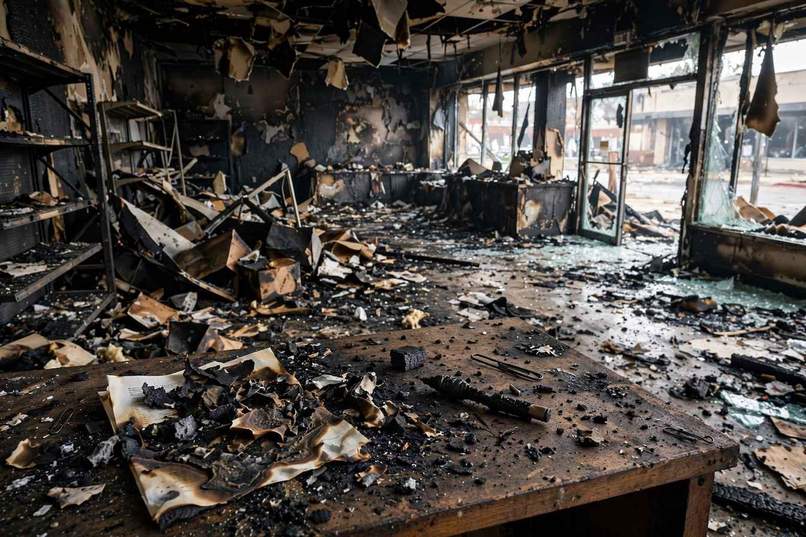
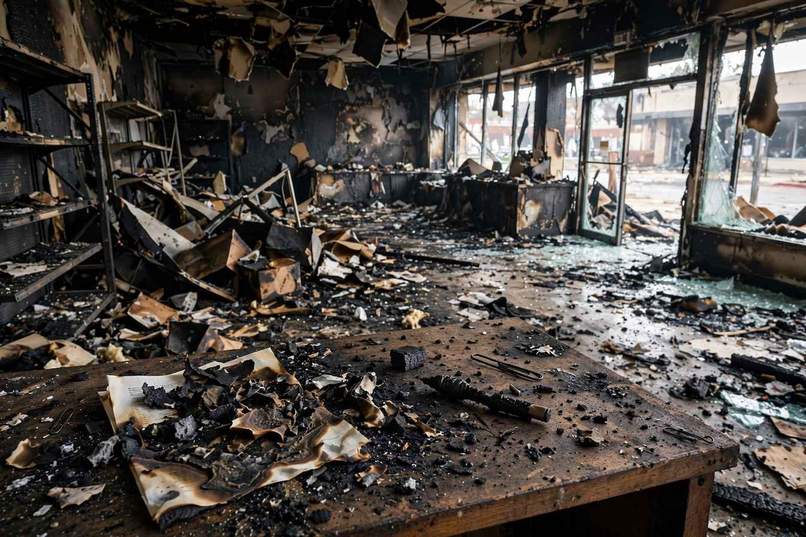
You hand back the keys, the space swept and empty. Two weeks later the landlord sends a bill for 8,000 dollars: repainting, carpet cleaning, and patching walls. You left the place broom clean. The landlord expected original condition. Your lease used both phrases in different sections, and now you are paying for the ambiguity.
Surrender condition clauses define the state the property must be in when the tenant returns it. The two most common standards, broom clean and original condition, sound similar but impose very different costs. Understanding the difference, and making sure your lease picks one standard and sticks to it, can save thousands at move-out.
Broom Clean: What It Actually Means
Broom clean is the lighter standard. It generally means the space is empty of the tenant’s property, swept free of debris, and left in reasonably clean condition. It does not typically require repainting, recarpeting, or repairing wear that accumulated through ordinary use.
The problem is that broom clean is rarely defined in the lease. Landlords and tenants fill the vagueness with their own expectations, and those expectations diverge. Tenants should push for a definition: empty of personal property and debris, floors swept or vacuumed, with no obligation to repaint or replace floor coverings worn through normal use.
Original State: The Expensive Standard
Original state, also called original condition, requires the tenant to return the space to the condition it was in at lease commencement, accounting for normal wear and tear. In practice, this standard is far more demanding than it sounds, especially after a multi-year lease.
Paint fades, carpet wears, and fixtures age. Returning a five-year-old space to its original condition can require full repainting, carpet replacement, and fixture refurbishment. Tenants who signed a lease with this standard without negotiating often face the largest move-out bills. The overlap with restoration obligations when the lease ends makes the cost even higher when alterations must also be removed.
Why Wear and Tear Exceptions Matter
Almost every surrender clause excludes “ordinary” or “normal” wear and tear, but the exception is only as good as its definition. Faded paint after five years is wear and tear. Holes in walls from mounted shelving may or may not be, depending on the lease and the landlord.
Tenants should negotiate examples into the clause: nail holes from ordinary hanging, scuffed paint in high-traffic areas, and carpet wear patterns all count as ordinary wear. Specificity prevents the landlord from classifying every mark as damage. For the gray areas, our guide to what counts as wall damage helps tenants judge where the line falls.
Which Standard Should You Negotiate
For most tenants, broom clean is the better standard, and it is worth negotiating for explicitly. It caps the move-out obligation at cleaning and emptying, leaving the landlord to handle the turnover renovations they would perform between tenants anyway.
If the landlord insists on original condition, tenants should negotiate the modifiers. Add “reasonable” wear and tear rather than just wear and tear, specify that the tenant need not repaint or recarpet, and exclude building systems the landlord maintains. Each modifier trims the potential bill.
Consistency Across the Lease
Many leases contain surrender language in multiple places: the surrender clause, the restoration clause, the alterations clause, and the maintenance clause. When these sections use different standards, the strictest one usually wins in practice, because the landlord enforces whichever costs the tenant most.
Before signing, tenants should search the lease for every condition standard and align them. If the surrender clause says broom clean but the alterations clause says return to original condition, the conflict needs resolution. A single defined term, used consistently, eliminates the argument.
Preparing for Surrender: A Practical Checklist
Smart tenants start preparing for surrender months before the lease ends. First, re-read the surrender and restoration provisions and list every specific requirement. Second, photograph the space thoroughly, so the final condition is documented. Third, get contractor quotes for any required work, because hiring your own vendors is almost always cheaper than letting the landlord bill you.
Fourth, schedule a pre-move-out walkthrough with the landlord. Walking the space together surfaces the landlord’s expectations while there is still time to address them. Get any agreements about required work in writing. Fifth, complete the work before the lease expires, because unfinished surrender obligations can extend your financial exposure if the landlord claims the space was not properly returned, a risk tenants should understand when comparing a lease extension vs renewal.
Cleaning: Professional or DIY
Leases sometimes require “professional” cleaning at surrender, which tenants read as a suggestion and landlords read as a mandate. If the lease specifies professional cleaning, hire a commercial cleaner and keep the receipt. The 300 to 800 dollar cost is far less than the landlord’s cleaning bill, which often includes a markup.
If the lease does not specify professional cleaning, a thorough DIY job usually satisfies broom clean. Either way, document the finished condition with photos and video. Timestamped evidence is the tenant’s best defense when the landlord claims the space was left dirty.
Repairs Tenants Commonly Miss
Certain items catch tenants off guard at surrender. Light bulbs and ballasts, which tenants assume are the landlord’s problem, are often the tenant’s duty under the maintenance clause. HVAC filters, ceiling tiles stained by old leaks, and restroom fixtures the tenant installed all fall into gray areas.
Exterior items matter too. Tenants with signage rights usually must remove signs and repair the facade underneath. Tenants who modified parking areas or landscaping may need to restore those as well. A careful read of the alterations and signage provisions, ideally during early renewal discussions when the landlord is cooperative, prevents last-minute surprises.
Keys, Access Devices, and Final Meter Readings
Surrender is not complete until the tenant returns all keys, fobs, and access cards. Unreturned devices can justify the landlord rekeying the space at the tenant’s expense. Tenants should inventory every access device at move-in and track them through the term.
Final utility meter readings deserve the same attention. Tenants who do not close out accounts can be billed for usage after they leave. Photograph meters on the last day and confirm account closures in writing with each utility provider.
Disputes and the Security Deposit
Surrender condition disputes most often surface as security deposit deductions. The landlord claims the space was not properly surrendered and keeps part or all of the deposit for cleaning and repairs. Tenants who documented the move-in condition, the move-out condition, and the work they performed are positioned to challenge inflated deductions.
State security deposit laws add another layer of protection, with many states requiring itemized deduction statements and imposing penalties for bad-faith withholding. Tenants facing an unfair deduction should review their rights under these statutes, covered in our guide to winning security deposit disputes.
Surrender condition is one of those lease terms that costs nothing to negotiate and thousands to ignore. Push for a broom clean standard with a clear definition, align every condition clause in the lease to that standard, document everything with photos, and do the work yourself before the landlord does it for you at triple the price. The goal is simple: walk away clean, with your deposit intact and no surprise bills following you out the door.