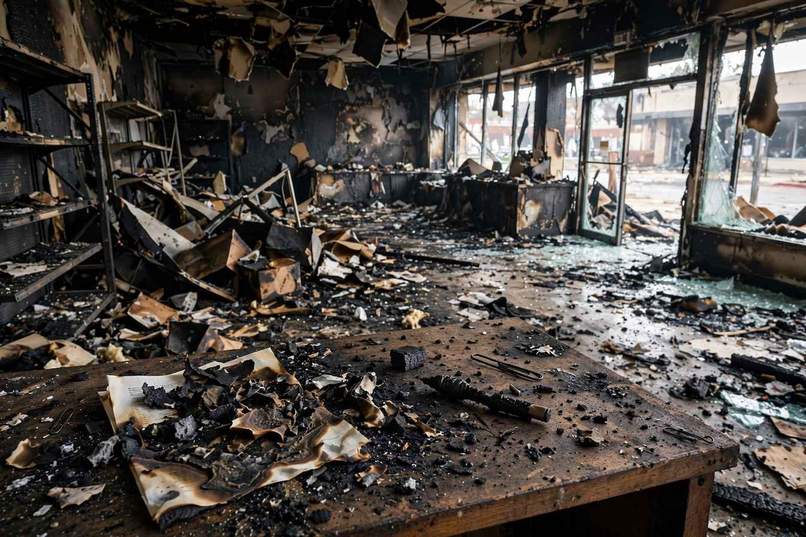
Your lease is ending in 60 days. You installed custom lighting, built a reception area, and painted the walls in your brand colors. Now the landlord says you must rip it all out and return the space to a concrete shell, at your expense. You assumed normal wear and tear would cover it. That assumption just became a five-figure bill.
Restoration obligations control what condition you must leave the space in when your lease ends. They determine whether you remove improvements, repair alterations, or simply hand back the keys. These provisions are among the most expensive surprises in commercial leasing, because the cost of restoring a space often exceeds the cost of the original improvements. Understanding and negotiating them before you sign is essential.
What Restoration Obligations Require
A restoration obligation requires the tenant, at lease end, to return the premises to a defined condition. The three common standards are: the condition at lease commencement (minus normal wear and tear), the original shell condition, or simply broom clean. The stricter the standard, the more expensive the move-out.
The critical question is whether the obligation covers all improvements or only some. Many leases require removal of all tenant alterations, including ones the landlord approved and even ones the landlord required. Others distinguish between general improvements that add value, which may stay, and specialized alterations that must be removed.
Which Improvements Must Be Removed
Landlord-drafted leases often require the tenant to remove all alterations at the tenant’s expense, regardless of who paid for them or whether they improve the property. This means the custom kitchen you installed at your own cost, which any future restaurant tenant would want, might still have to be demolished.
Tenants should negotiate carve-outs during the initial lease. A useful approach: alterations the landlord approved in writing become the landlord’s property at lease end and need not be removed, unless the landlord specifically required removal as a condition of approval. This puts the removal decision where it belongs, at the time the alteration is proposed, when both parties can assess it rationally.
The Approval Trap
Here is how tenants get caught. The lease requires landlord approval for alterations. The tenant submits plans, the landlord approves, the tenant builds. At lease end, the landlord points to the restoration clause requiring removal of “all alterations” and demands demolition. The approval, the tenant learns, was permission to build, not permission to leave the work in place.
To avoid this, tenants should add a sentence to every alteration approval request: “Please confirm whether this alteration must be removed at lease end.” Getting the answer in writing at approval time eliminates the dispute years later. Keep these confirmations with the lease file.
Cost Planning for Restoration
Restoration costs surprise tenants because demolition is expensive and the tenant pays twice: once to build, once to remove. Removing a built-out office can cost 15 to 30 dollars per square foot or more, depending on the complexity. For a 5,000 square foot space, that is 75,000 to 150,000 dollars.
Smart tenants budget for restoration from day one. Some set aside reserves over the lease term. Others negotiate a restoration cap in the lease, limiting the tenant’s obligation to a fixed dollar amount or excluding specific high-cost items like HVAC or structural changes. A cap converts an open-ended risk into a known number.
Getting competitive bids early also helps. Even a rough estimate from a demolition contractor during the first year of the lease gives tenants a realistic reserve target and strengthens their position if they later negotiate a cap with the landlord.
Restoration vs Surrender Condition
Restoration obligations and surrender condition clauses overlap but are not identical. Restoration focuses on removing alterations and returning the space to a prior state. Surrender condition focuses on the state of cleanliness and repair at handover. A lease can require both: remove your alterations and leave the rest broom clean.
Tenants should make sure the two provisions are consistent. A surrender clause requiring return in “original condition” plus a restoration clause requiring shell condition can create conflicting duties. Aligning the language avoids arguments about which standard controls. Small marks and holes also spark end-of-lease fights, so it helps to know in advance what counts as wall damage versus normal wear.
Negotiating Restoration Terms Upfront
The best time to limit restoration exposure is before signing. Tenants should push for four protections. First, an exclusion for ordinary wear and tear, defined to include the aging of improvements over a long lease. Second, a provision that landlord-approved alterations become landlord property and need not be removed unless the landlord required removal in the written approval.
Third, a restoration cost cap or a list of specific items excluded from the obligation, such as building systems the landlord will replace anyway. Fourth, the right to leave improvements in place if the landlord does not request removal within a defined period after the tenant’s move-out notice, such as 30 days. Silence then equals consent to keep the improvements.
Restoration in Renewals and Extensions
Tenants renewing a lease should revisit restoration obligations rather than carrying them forward automatically. If the space has been occupied for ten years, requiring restoration to the original condition may be unreasonable, since the landlord would renovate for a new tenant regardless.
Renewal negotiations are a good moment to convert a strict restoration clause into a broom clean standard, especially when the tenant’s improvements are aging. Landlords often agree because they plan their own renovations between tenants anyway. Raising the issue during early lease renewal negotiations gives tenants leverage while the landlord wants to keep a proven occupant.
Documenting Condition at Move-In
Restoration disputes often turn on what the space looked like at lease commencement. Tenants should photograph and video the entire space at move-in, with timestamps, and attach the documentation to the lease as an exhibit. A written condition report signed by both parties is even better.
This documentation serves two purposes. It establishes the baseline for the restoration standard, and it protects the security deposit by distinguishing pre-existing wear from tenant damage. Tenants who skip this step hand the landlord the advantage in every end-of-lease dispute. The same records help in security deposit disputes, where condition evidence decides who keeps the money.
What Happens If You Do Not Restore
Tenants who fail to meet restoration obligations face several consequences. The landlord can complete the work and bill the tenant, often at premium contractor rates. The landlord can deduct the cost from the security deposit. And if the lease has a holdover provision, incomplete restoration can technically extend the tenancy, triggering holdover rent at penalty rates.
Some leases let the landlord deem unrestored alterations abandoned, then charge the tenant for removal. Others allow the landlord to keep the improvements without crediting the tenant. Tenants should know which remedy their lease provides, because the difference between a removal bill and a forfeiture can be substantial.
Restoration obligations are a classic example of lease language that seems harmless until the final month. The cost of removing years of improvements can dwarf the last month’s rent, and the obligation is entirely avoidable with upfront negotiation. Define what must be removed, get removal decisions in writing when alterations are approved, cap the exposure, and document the starting condition. Your future self, standing in an empty space with a moving truck outside, will be glad you did.