You found the exact car you want, but the dealer with the best price is two states away. Or maybe you are relocating soon and wondering whether to lease before you go. Either way, the same question comes up: can you lease a car out of state? The answer is yes, it is done every day, but the process has wrinkles that do not exist in a local deal. Taxes, registration, transport, and lessor rules all need attention.
Leasing across state lines is not fundamentally different from leasing at home. The contract works the same way, the car is the same car, and the monthly payment math does not change. What changes is the paperwork around the deal: which state’s tax rules apply, where the car gets registered, and how the vehicle gets to you. Get those pieces right and an out of state lease can save you real money.
Can You Actually Lease From an Out of State Dealer
Yes. There is no federal rule against it, and most dealers are happy to sell to out of state customers. Large dealerships near state borders do it routinely. The dealer handles the sale the same way they would for a local buyer, and the leasing company funds the deal the same way. Your credit application, the negotiated capitalized cost, and the lease terms are all unaffected by where the dealership sits.
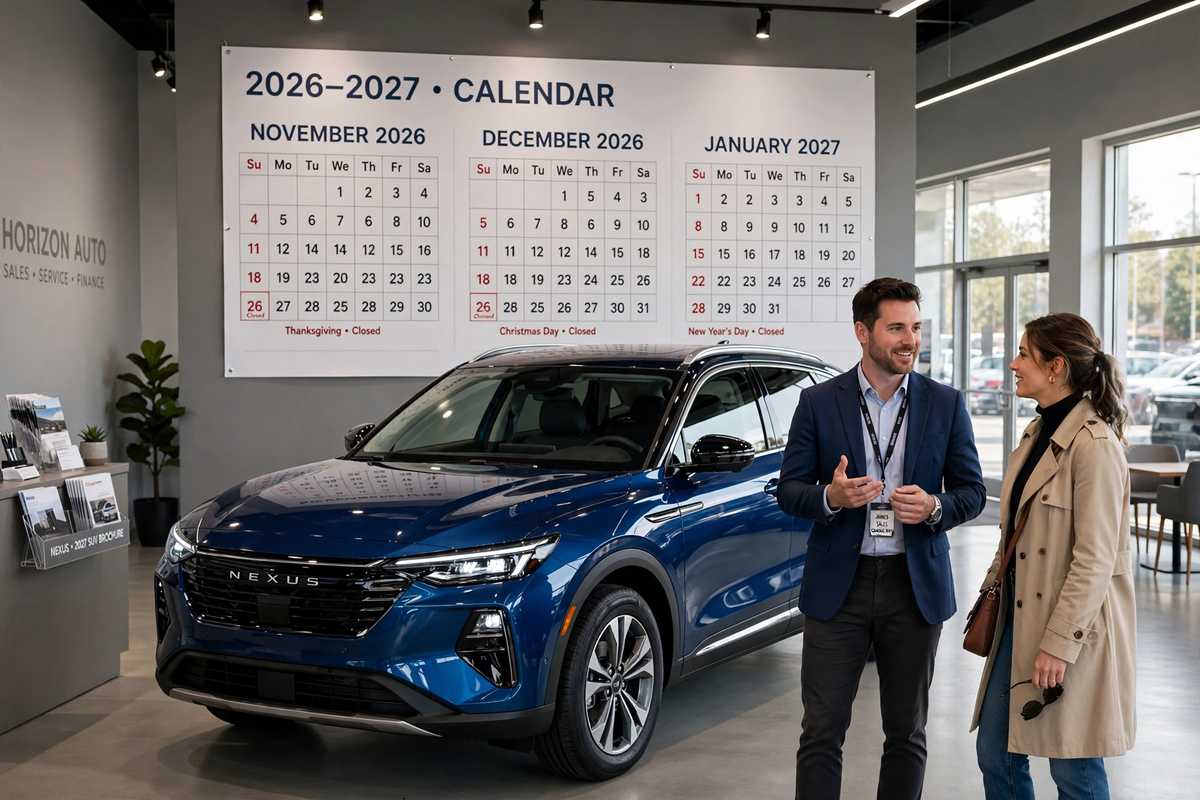
The main thing to confirm upfront is that the leasing company will register the car in your home state. Most will, since lessors operate nationally, but it is worth asking before you get deep into negotiations. You should also confirm that any manufacturer incentives or rebates in the advertised price apply to out of state buyers. Some regional incentives are restricted to residents of specific states, and losing a two thousand dollar rebate can wipe out the savings that drew you to the distant dealer.
How Sales Tax Works on an Out of State Lease
This is the part that confuses the most people, and it is the part most worth understanding. In almost every case, you pay sales tax based on where you register the car, not where you buy it. If you live in Texas and lease from a dealer in Oklahoma, Texas tax rules apply to your lease. The dealer will typically collect the correct tax for your home state or structure the deal so you pay it at registration.
Because tax treatment varies so much, from states that tax the full vehicle price to states that tax only the monthly payments, running the numbers for your specific state matters. Our guide to how sales tax on car leases works by state breaks down the different systems. One caution: a few states have unusual rules for out of state purchases, so verify with your state’s motor vehicle agency or a tax professional if the deal involves a state known for tricky tax treatment.
Where the Car Gets Registered
The car is registered in the state where you live, not the state where you bought it. The dealer will usually handle this for you by issuing temporary tags or transit plates that let you legally drive the car home, then submitting the registration paperwork to your home state. This is standard practice at dealerships that regularly sell across state lines.
One wrinkle: the leasing company holds the title on your leased car, and some states require the title holder’s cooperation to complete an out of state registration. In practice this is routine, because lessors deal with it constantly, but it can add a few days to the process. Ask the dealer how they handle the title paperwork and how long the temporary tags last, so you are not caught driving on expired transit plates.
Getting the Car Home: Transport Options
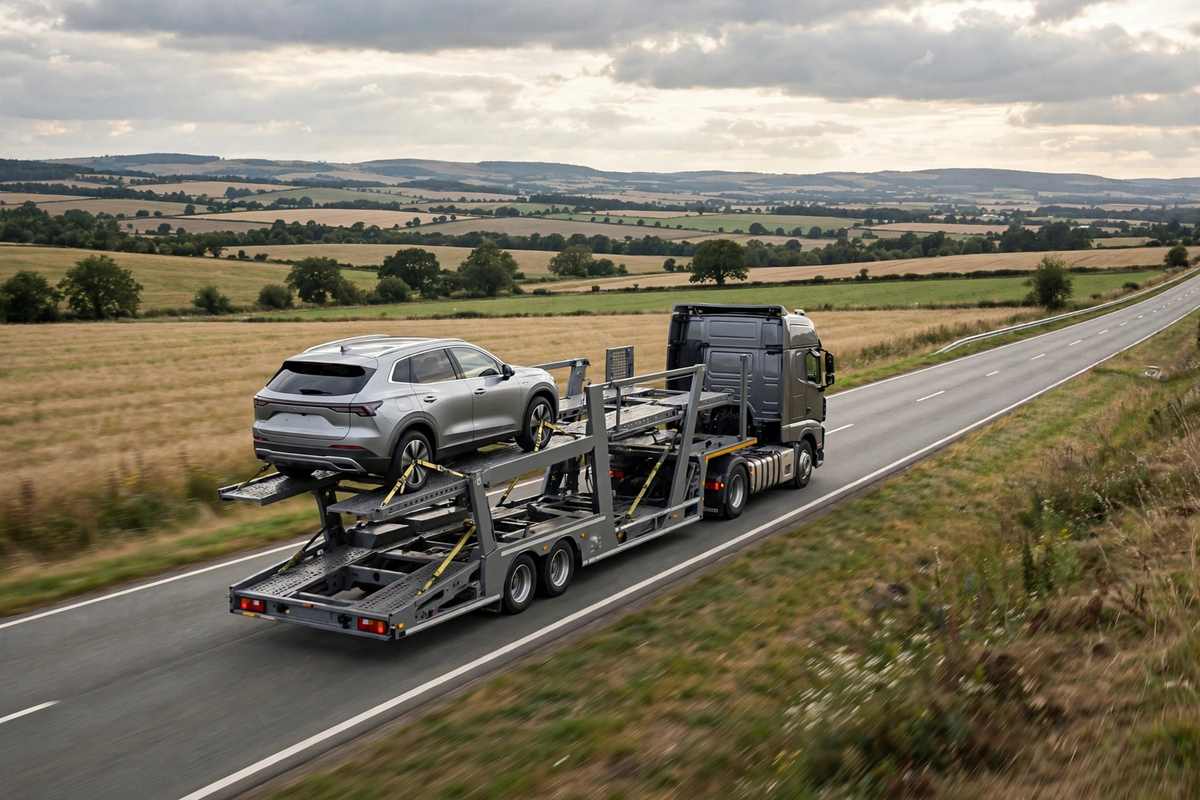
Once the deal is signed, the car has to get to you. You have two options: go get it yourself or have it shipped. Driving it home is the cheaper choice and gives you a chance to inspect the car in person before accepting delivery, which is a real advantage. Factor in the cost of your travel, fuel, and time, and compare honestly against shipping quotes.
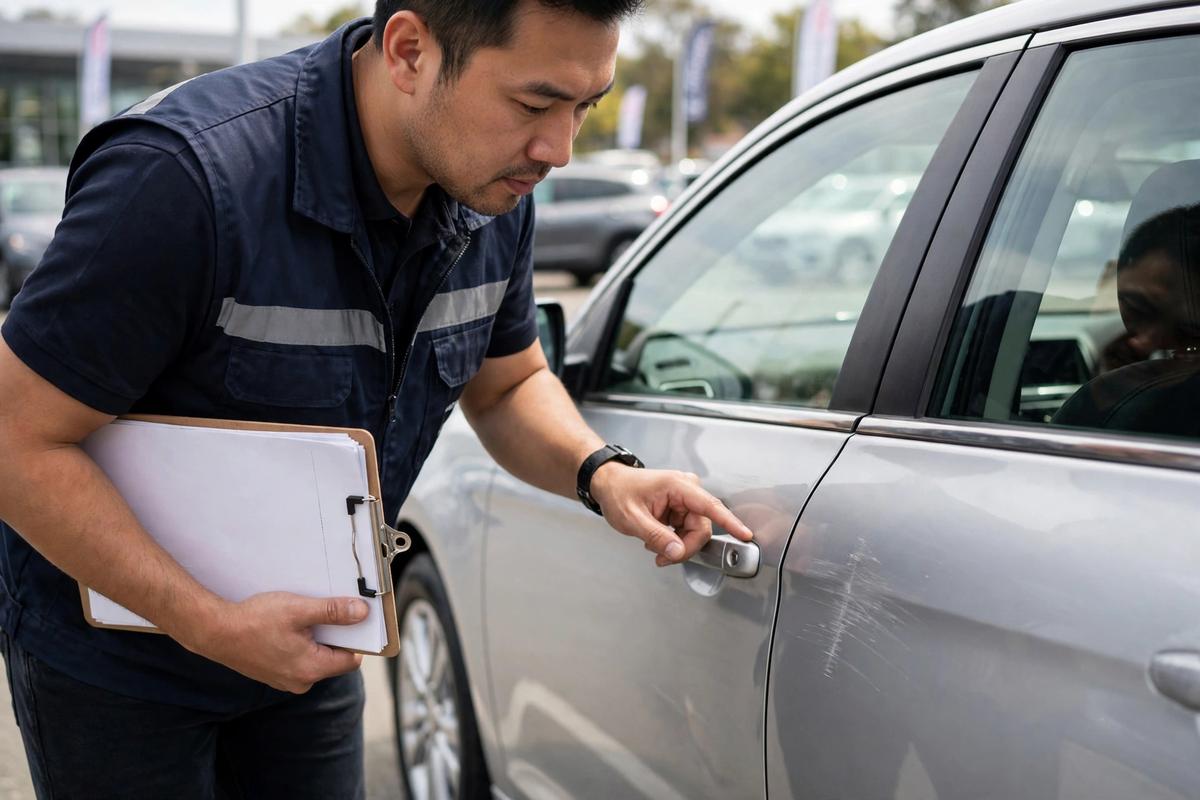
Auto transport typically costs between five hundred and fifteen hundred dollars depending on distance, and enclosed transport for high value vehicles costs more. If the dealer arranges shipping, get the carrier’s name and insurance details in writing. Inspect the car thoroughly on delivery and note any transport damage on the bill of lading before the driver leaves. Damage discovered later is much harder to claim.
Dealer and Lessor Restrictions to Know About
Not every deal crosses state lines smoothly. Some manufacturers restrict dealers from selling new vehicles outside their assigned region, a practice meant to protect local dealer territories. This usually affects only the most aggressive discount dealers, but if a faraway dealer suddenly goes quiet when they learn your zip code, regional restrictions may be why.
Leasing companies can have their own quirks too. A few smaller banks and credit unions that fund leases operate only in certain states and will not fund a deal for an out of state resident. The captive finance arms of major manufacturers almost never have this problem. If you are working with an independent leasing company, confirm they operate in your state before you spend time negotiating.
Comparing the Out of State Deal Honestly
An out of state price that looks two thousand dollars cheaper is not automatically a two thousand dollar savings. Build the full comparison: the vehicle price, any lost regional incentives, transport or travel costs, differences in dealer documentation fees (which range from under one hundred to nearly one thousand dollars by state), and any tax differences. Only then do you know whether the distant deal actually wins.
Also consider the service relationship. You will service the car locally under warranty regardless of where you bought it, so that is not a concern. But if the selling dealer promised extras like free oil changes or loaner cars, those perks usually do not transfer. And when the lease ends, you can return the car to any authorized dealer of that brand, not just the one you bought from, so the distance creates no problem at turn in. Reading the fine print on lease advertisements is especially important with distant dealers, since you cannot easily walk back into the showroom to resolve a misunderstanding.
Insurance for an Out of State Purchase
Your insurance is based on where the car is garaged, which is your home address, so buying out of state changes nothing about your policy. You will need proof of insurance to take delivery, just as with a local purchase. Arrange the policy before your pickup or delivery date, and make sure it meets the lease’s requirements from day one.
Those requirements are strict: full coverage with liability limits and deductible caps set by the lessor. If you have not reviewed them lately, our guide to full coverage insurance rules for leased cars covers exactly what the contract demands. Have your insurance card or binder ready when you sign, because the dealer will ask for it before releasing the car.
The Bottom Line on Out of State Leasing
Leasing a car out of state is a normal, workable way to get a better deal. The lease itself works exactly like a local one. The extra work is all in the logistics: confirming tax treatment for your home state, making sure registration and title paperwork flow correctly, arranging transport, and verifying that incentives and lessor coverage apply across the border. Handle those items upfront, do the full cost comparison, and the distance becomes just a detail.