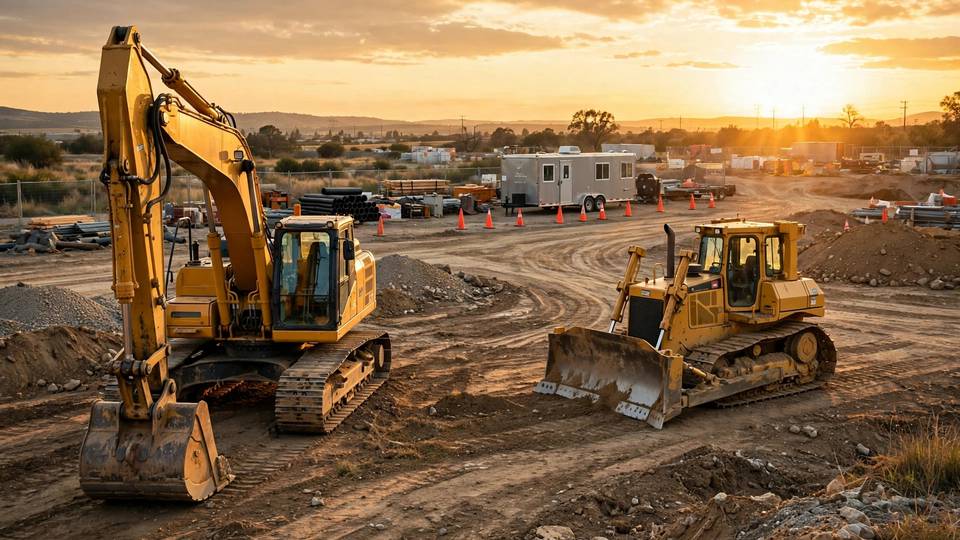
A new mid-size bulldozer can cost anywhere from $150,000 to well over $500,000, and a large production dozer climbs even higher. For most contractors, buying one outright ties up an enormous amount of working capital in a machine that sits idle between jobs. That is why leasing has become the standard way many construction firms put dozers to work without draining their credit lines.
Leasing a bulldozer gives you access to current models with full warranties, predictable monthly payments, and a clear path to upgrade when the machine wears out. In this guide, we break down the real costs of bulldozer leasing, the lease terms you will typically see, and practical tips for getting a fair deal from a dealer or independent lessor.
How Much Does It Cost to Lease a Bulldozer?
Monthly lease payments for bulldozers depend mostly on the machine’s size, purchase price, and the length of the lease. A small dozer in the 100 to 130 horsepower range, such as a John Deere 650K or a Cat D4, typically leases for $2,500 to $5,000 per month on a standard three to five year term. These compact machines suit residential site work, grading, and landscaping projects where maneuverability matters more than raw power.
Mid-size dozers in the 170 to 250 horsepower range are the workhorses of commercial construction. Machines like the Cat D6 or Komatsu D65 generally lease for $6,000 to $11,000 per month. Large production dozers over 300 horsepower, such as a Cat D8 or Komatsu D155, can run $12,000 to $20,000 or more per month. These figures assume a typical structure with 10 to 20 percent due at signing, reasonable credit, and a standard hour allowance.
Several factors move your payment up or down. A longer term lowers the monthly payment but increases total cost. A larger down payment or security deposit reduces the financed amount. Your credit profile matters too, since most equipment lessors price the implicit interest rate on your financial strength. Specialized attachments, such as rippers, winches, or GPS grade control, add to the capitalized cost and therefore to the monthly payment.
Typical Bulldozer Lease Terms
Most bulldozer leases run 36 to 60 months. Shorter terms of 12 to 24 months are available, often through a rental purchase option where a portion of rental payments applies toward a purchase. Terms longer than five years are uncommon for new machines because the dozer’s useful economic life starts working against you, and the technology gap grows too wide.
Operating Hour Allowances
Instead of mileage limits, heavy equipment leases use operating hour allowances. A common structure allows 1,000 to 1,500 hours per year, with excess hours billed at $15 to $40 per hour depending on the machine’s size and value. If your jobs keep the dozer running double shifts, negotiate a higher hour allowance upfront rather than paying steep overage charges at lease end.
Track your hour meter readings regularly and compare them against your allowance. Running over does more than trigger fees. It also accelerates depreciation, which can make a planned buyout less attractive at the end of the term. Some lessors offer seasonal hour banking, which lets you average heavy months against light ones.
End of Lease Options
At the end of the term you generally have three choices: return the machine, extend the lease, or buy it for a predetermined price. Fair market value leases let you buy the dozer for whatever it is worth at the time, while fixed purchase option leases set the buyout price in advance. Many contractors prefer the dollar buyout lease structure for heavy equipment because it functions much like a purchase, with ownership transferring for a nominal amount at the end.
Think about your long term needs before choosing an end of term option. If you expect steady work for the dozer and plan to keep it for a decade, a buyout-oriented structure usually makes more sense. If you always want machines under warranty and prefer rotating fleet, a fair market value lease with a clean return makes the refresh easy.
Types of Bulldozer Leases
The lease market for heavy equipment offers several structures, and the right one depends on your cash flow, tax situation, and how long you intend to keep the machine. Each structure treats the payment, the end of term, and the tax deductions differently.
Fair Market Value Lease
An FMV lease typically offers the lowest monthly payment because the lessor assumes the machine will still have significant value when it comes back. You can return the dozer, renew the lease, or buy it at its fair market value as determined by an appraisal. This structure works best for contractors who want the newest machine every few years and value flexibility over ownership.
Dollar Buyout Lease
A dollar buyout lease carries a higher monthly payment but guarantees ownership at the end for one dollar or a similarly small amount. Accountants often treat this as a financed purchase rather than a true lease, which changes how you deduct the costs. This is the natural choice when you know the bulldozer will stay in your fleet for many years.
Rental Purchase Option
Many dealers offer a rental purchase option, or RPO, for contractors who need a machine immediately but want to decide on ownership later. A set percentage of each rental payment, often 50 to 75 percent, credits toward the purchase price if you buy within a defined window. This is a useful bridge when a project starts before your financing is finalized.
What to Look for in a Bulldozer Lease Agreement
Read the entire agreement before signing, not just the payment schedule. The contract defines who handles scheduled maintenance, who pays for major component failures, and what counts as acceptable wear when the machine is returned. Reading the lease before signing sounds obvious, but equipment leases contain clauses about track wear, undercarriage condition, and hydraulic system standards that surprise many first time lessees.
Insurance is another area to review carefully. Most lessors require comprehensive physical damage coverage plus liability insurance with the lessor named as an additional insured party. Insurance requirements in commercial equipment leases can be substantial, and the cost of the policy should be factored into your total cost of leasing. Ask your insurance agent for a quote before you finalize the lease so the numbers are accurate.
Pay attention to the maintenance and return conditions. Bulldozers take punishment, and lessors know it. The lease should spell out your obligations for track tension, undercarriage replacement thresholds, cab condition, and fluid service intervals. Returning a dozer with a worn undercarriage can trigger thousands of dollars in reconditioning charges, so understand the standards from day one and maintain the machine to them.
Tips to Get the Best Bulldozer Lease Deal
Get quotes from at least three sources: the equipment dealer, an independent equipment leasing company, and your bank or credit union. Dealer captive finance arms sometimes offer subsidized rates on new models, but independent lessors can be more flexible on used equipment and seasonal payment structures. Comparing three real quotes gives you leverage and a clear picture of the market.
Negotiate the capitalized cost, not just the monthly payment. The capitalized cost is the agreed price of the machine at the start of the lease, and it is the biggest driver of your payment. A discount on the machine price flows straight through to a lower monthly payment. Also ask about the money factor or implicit interest rate so you can compare financing costs apples to apples.
Time your deal strategically. Dealers are often more flexible at the end of a model year or when new emissions standards are approaching, since they want to move current inventory. If you can align your project start with these windows, you may capture a meaningfully better payment. Also consider making a larger initial payment if it lowers your rate enough to justify the cash outlay.
Is Leasing a Bulldozer Right for Your Business?
Leasing fits contractors who value predictable costs, want newer machines with current technology, and prefer to preserve credit capacity for other needs. If your backlog is project based and you are not sure the dozer will be needed after the current job, a lease or rental purchase option keeps you from owning an idle asset.
Buying outright can make more sense if you have the cash, run the machine to high hours, and have in house mechanics to handle maintenance. Owner operators who put 2,000 plus hours per year on a dozer sometimes find that the long term economics favor ownership. Run the numbers for your specific utilization before deciding.
Leasing a bulldozer is ultimately a financing decision, not just an equipment decision. Understand the total cost of each structure, read the return conditions carefully, and match the lease term to how long you realistically need the machine. Done right, a lease puts iron on the ground for your next project without tying up the capital your business needs to grow.