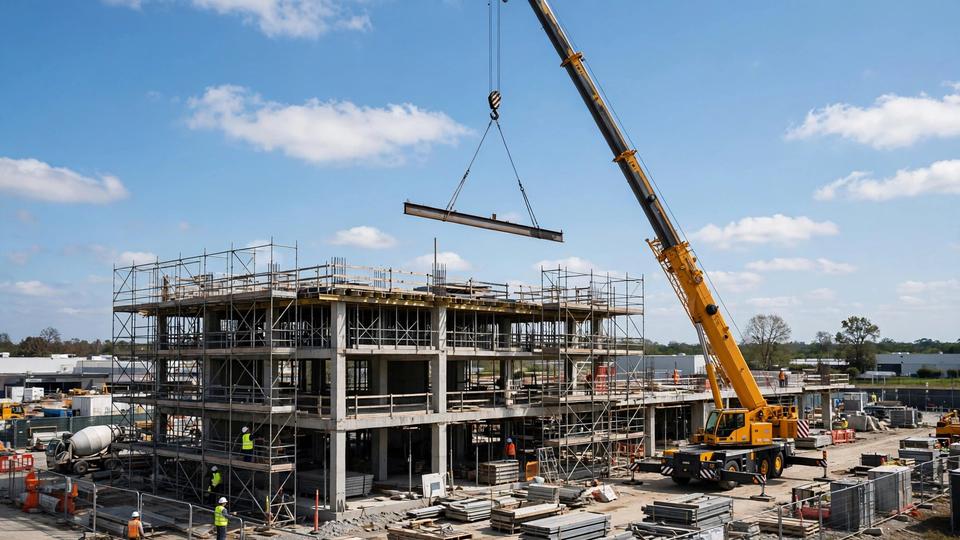
Cranes are among the most specialized and expensive machines on any job site. A new all-terrain mobile crane can cost well over a million dollars, and even a modest boom truck runs into six figures. For most contractors, cranes are needed for specific lifts over defined periods, which makes them a natural fit for leasing rather than buying.
Crane leasing comes with its own rules, risks, and cost structure. Insurance is heavier, operator requirements are stricter, and the difference between a lease and a rental matters more than with other equipment. This guide covers crane leasing costs, typical terms, and what contractors should negotiate before signing.
Types of Cranes Contractors Lease
Mobile and All-Terrain Cranes
Mobile cranes, including all-terrain and rough-terrain models, are the most commonly leased. They drive or are transported to the site, set up in hours, and handle the lifting needs of most commercial and industrial projects. Capacities range from 15 tons to over 600 tons, and lease pricing scales sharply with capacity.
Tower Cranes
Tower cranes are typically leased rather than purchased, even by large contractors. A tower crane lease often includes erection, climbing, and dismantling, since few contractors have the specialized crews for that work. Terms are usually tied to the project schedule rather than a standard multi-year lease, which makes tower crane agreements closer to long-term rentals.
Boom Trucks and Carry Deck Cranes
Smaller contractors often lease boom trucks and carry deck cranes for setting trusses, HVAC units, and precast panels. These machines are less expensive and simpler to operate, and their leases look more like standard equipment leases. Small business vehicle leasing follows similar patterns, with predictable payments and clear end-of-term options.
What Crane Leasing Costs
Crane lease costs vary dramatically with capacity and type. A boom truck or small carry deck crane might lease for $2,500 to $5,000 per month. A mid-range all-terrain crane in the 60 to 100 ton class can lease for $12,000 to $25,000 per month on a multi-year term. Large all-terrain cranes above 200 tons can exceed $40,000 per month.
Tower cranes are usually priced per project: a typical lease including erection and dismantling might run $15,000 to $30,000 per month for the crane itself, with mobilization, operator wages, and maintenance adding substantially to the total. Because tower crane agreements bundle so many services, compare the all-in cost rather than the headline rate.
Credit, term length, and the machine’s residual value affect pricing the same way they do for other equipment. New cranes from established manufacturers hold value well, which helps keep FMV lease payments reasonable. Negotiating the buyout price at lease end can recover value when the machine depreciated slower than the lease assumed.
Lease vs. Rental: An Important Distinction for Cranes
With cranes, the line between leasing and renting matters more than with other equipment. A lease is a longer-term financing arrangement where you take on insurance, maintenance, and operating responsibility. A rental, especially a bare rental or an operated rental, is project-based and the rental company retains most of the risk.
The wet lease versus dry lease distinction is central here. A wet arrangement includes a certified operator and sometimes rigging crew, while a dry arrangement provides the machine alone. Many crane leases are dry, which means you must supply or hire a licensed operator. Factor operator wages, which can exceed $100 per hour in some markets, into your cost comparison.
For most contractors, renting with an operator makes sense for occasional lifts, while leasing a crane you will use across multiple projects can lower the per-lift cost. Be honest about utilization: a leased crane sitting idle still generates a monthly payment.
Typical Crane Lease Terms
Crane leases commonly run 36 to 84 months for mobile cranes, longer than many other equipment leases because of the high asset value. Tower crane arrangements are usually 6 to 24 months tied to a specific project. Payment structures can be fixed monthly, or in some cases seasonal or project-milestone based.
Maintenance responsibility almost always falls on the lessee for mobile cranes, and crane maintenance is specialized and expensive. Annual inspections are legally required, and major component replacements like wire rope and hydraulic cylinders can cost tens of thousands of dollars. Some lessors bundle a service contract into the lease, which is worth serious consideration.
End-of-term options follow the standard patterns: dollar buyout, fair market value purchase, or return. Because cranes hold value when well maintained, FMV leases are popular. Extending or renewing a lease is also common when a project runs long or the crane stays productive past the original term.
Insurance and Liability: The Big One
Insurance is the most demanding part of a crane lease. Lessors require coverage for the full replacement value of the crane plus riggers liability, which covers damage to the load being lifted and third-party property. Riggers liability is specialized coverage that your standard general liability policy probably does not include.
Premiums are significant. Annual insurance for a leased mobile crane can run from $15,000 to $50,000 or more depending on capacity, territory, and claims history. Get insurance quotes before you commit to a lease, because in some cases the insurance cost changes the lease versus rent calculation entirely. Insurance requirements in commercial leases show how lessors across industries protect their assets, and crane lessors are among the strictest.
Operator certification is equally important. Most jurisdictions and most lessors require operators to hold current certification from an accredited body, plus any state licenses. An uncertified operator can void your insurance and your lease. Confirm the requirements in writing before the crane arrives on site.
What to Negotiate in a Crane Lease
Mobilization and Demobilization
Getting a large crane to and from the site costs real money: permits, escort vehicles, and assembly crews. Clarify whether mobilization is included in the lease or billed separately, and who pays if the crane must move between your projects. These costs can reach five figures per move for large machines.
Maintenance and Inspection Responsibility
Spell out who performs required inspections, who pays for wear items like wire rope and tires, and what happens when a major component fails. Ambiguity here leads to the most expensive disputes in crane leasing. A detailed maintenance schedule attached to the lease protects both sides.
Downtime and Replacement
Ask what happens if the crane breaks down. Does the lessor provide a replacement machine, and how quickly? Is there rent abatement during extended downtime? For a contractor with a schedule to keep, a week without a crane can cost more than the machine itself.
Hour and Usage Limits
Some crane leases cap annual operating hours. Crane work is episodic, so caps are usually generous, but confirm the numbers match your project plans. Excess hour penalties on a crane can be steep, so this is worth a careful read.
Common Mistakes to Avoid
The most expensive mistake is underestimating insurance. Contractors sometimes sign a crane lease and discover the insurance quote afterward, only to find it adds 20 to 30 percent to the monthly cost. Always get the insurance quote first.
Another mistake is leasing a crane for a single project without a plan for the rest of the term. If the project ends in year one of a five-year lease, you are paying for an idle asset. Project-tied lease terms or rentals fit single-project needs better.
Skipping the lift planning is a third pitfall. Every significant crane lift should have an engineered lift plan, and many leases and insurers require one. A lift plan done late can delay the project and, in the worst case, create a safety incident that no lease structure can fix.
Is Crane Leasing Right for Your Business?
Leasing a crane makes sense when you have steady lifting work across multiple projects, certified operators on staff, and the insurance capacity to support the machine. It spreads a major capital cost into predictable payments and can end in ownership of a valuable asset.
Renting with an operator is usually smarter for occasional or specialized lifts, single projects, or capacities you rarely need. It costs more per lift but carries none of the long-term commitment, maintenance risk, or insurance burden.
Either way, treat a crane agreement with more care than a standard equipment lease. The dollars are bigger, the risks are sharper, and the contract details matter more. Get the insurance quote early, negotiate mobilization and maintenance terms, and match the commitment to work you can actually see. Done right, a leased crane becomes a reliable profit center instead of an expensive surprise.