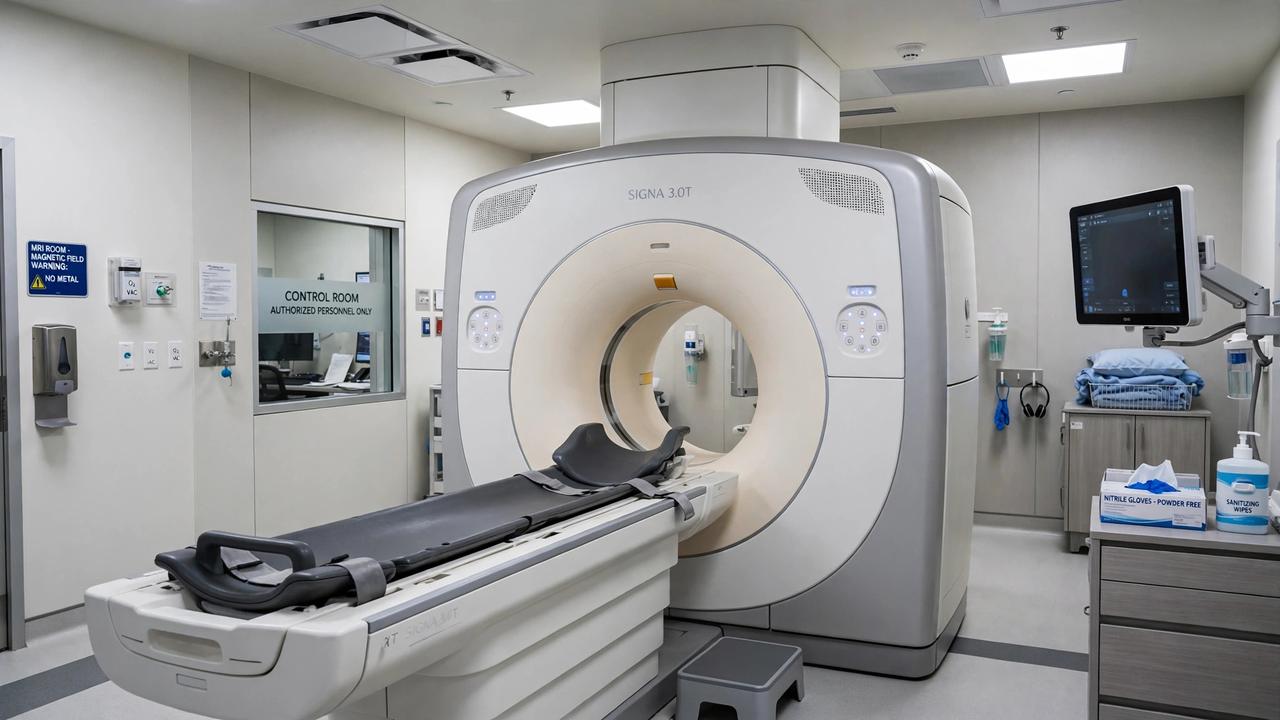
An MRI machine is one of the largest single investments a medical facility can make. New systems typically cost between $1 million and $3 million, and that figure does not include the site preparation, shielding, cooling systems, and installation that can add hundreds of thousands more. For most clinics and imaging centers, paying cash is not realistic.
Leasing an MRI machine is the standard path for independent imaging centers, orthopedic groups, and smaller hospitals. It converts a multi million dollar purchase into monthly payments, often with the option to upgrade as magnet technology advances. But MRI leases are more complex than typical equipment leases, because the installation is permanent, the service costs are enormous, and the machine itself is difficult to relocate.
This article covers what MRI machine leasing costs in 2026, how these leases are structured, the hidden costs that catch buyers off guard, and how to evaluate a proposal.
What an MRI Lease Costs in 2026
For a new 1.5T MRI system costing $1.5 million, expect monthly lease payments in the range of $25,000 to $45,000 on a 60 to 84 month fair market value lease with good credit. A high field 3T system at $2.5 million could run $40,000 to $75,000 per month. Refurbished systems at $400,000 to $800,000 bring payments down to roughly $7,000 to $15,000 monthly.
The lease term has a major effect on the payment. Stretching a $1.5 million system from 60 months to 84 months might drop the monthly payment by $5,000 to $8,000, but it adds two more years of payments on technology that may feel dated by year six. Most facilities settle on 60 to 72 months as the balance point.
Credit quality matters more at this scale than for smaller equipment. A lessor financing $2 million will scrutinize your financials closely, and the rate difference between top tier and mid tier credit can mean $200,000 or more over the life of the lease.
Costs Beyond the Machine
The MRI machine itself is only part of the total project cost. Site preparation is the biggest add on: RF shielding for the scan room, structural reinforcement for the magnet’s weight, dedicated cooling systems, and electrical upgrades. A new installation typically costs $200,000 to $500,000 in construction alone.
Service contracts are the largest ongoing expense. A full service agreement on a new MRI runs $100,000 to $200,000 per year, covering preventive maintenance, parts, and emergency repairs. Some leases bundle the service contract into the monthly payment, which simplifies budgeting but raises the financed amount significantly. Others leave service separate, which requires you to contract directly with the manufacturer or a third party provider.
Helium refills, though less frequent with newer sealed magnet designs, can still cost $20,000 to $30,000 per event on older systems. When you build your business case, model the full cost of operation, not just the lease payment.
How MRI Leases Are Structured
MRI leases almost always use a fair market value structure because the technology changes and the machines have strong secondary markets. At term end, you can return the system, extend the lease, or purchase it at fair market value. Dollar buyout structures are rare for MRI because the total financed cost would be enormous and the technology risk sits entirely with you.
Terms typically run 60 to 84 months. Shorter terms are unusual because the monthly payments would be crushing. Some lessors offer step payment structures, where payments start lower and increase over time, which can help a new imaging center match payments to growing scan volume.
One critical difference from smaller equipment leases: the MRI cannot easily be returned and reinstalled elsewhere. De installing and relocating an MRI costs $100,000 to $250,000, so the lessor knows that return is expensive for everyone. This gives you negotiating leverage at term end, since the lessor would rather offer you a favorable buyout or extension than pay to move the machine.
New vs. Refurbished MRI Systems
Refurbished MRI systems are a major part of the market and deserve serious consideration. A refurbished 1.5T system from a reputable provider can cost $400,000 to $800,000, less than half the price of new, while delivering image quality that satisfies most clinical needs. Lease payments drop proportionally.
The trade off is technology age and remaining useful life. A refurbished system may be five to eight years old at installation, which limits how long it stays competitive. Warranty terms are typically shorter, and software upgrade paths may be restricted. For a facility focused on routine orthopedic or neuro imaging, refurbished is often the smart play. For a center competing on cutting edge capability, new makes more sense.
Ask for the system’s service records and confirm that the refurbishing vendor is authorized by the original manufacturer. A cheap refurbished system with no service support is a liability, not a bargain.
Evaluating an MRI Lease Proposal
Start with the total cost of the project, not just the machine. A complete proposal should itemize the equipment, installation, shielding, construction, and any bundled service.
Compare at least three proposals from different sources: the manufacturer, an independent healthcare lessor, and possibly your bank. Learning how to tell if a lease deal is actually good applies the same discipline used for any major lease: compare total term cost, end of term options, and included services, not just the monthly number.
Pay special attention to the end of term language. What does fair market value mean in practice for a seven year old MRI installed in your building? Ask how the lessor determines value and whether you can commission your own appraisal. Given the relocation cost, many facilities successfully negotiate buyouts well below the initial residual estimate.
Check the insurance requirements carefully. MRI leases typically require comprehensive coverage including the full replacement value of the installed system. Review insurance requirements common in commercial leases to understand the framework, then confirm the specific coverage levels, named insureds, and deductible limits in your MRI contract.
Revenue Planning for an MRI Lease
An MRI lease only makes sense if your scan volume supports the payment. Work backward from the monthly lease cost plus service, staffing, and facility expenses to determine how many scans per month you need at your expected reimbursement rates.
As a rough example, a facility paying $35,000 per month on the lease, $12,000 on service, and $25,000 on staffing and overhead needs $72,000 in monthly revenue to break even. At an average reimbursement of $400 per scan, that means 180 scans per month, or about 8 to 9 per business day. Run these numbers with your own reimbursement rates before signing anything.
Build your model conservatively: a lease that barely breaks even at optimistic volume assumptions is one you should not sign.
Regulatory and Facility Considerations
MRI installations must comply with state certificate of need laws in some states, which require approval before adding major medical equipment. Check your state’s requirements early, because the approval process can take months and may affect your project timeline.
The facility itself needs to meet strict specifications. The magnet room requires RF shielding, the floor must support several tons, and the cooling system needs dedicated infrastructure. If you are leasing your building, confirm that your landlord approves the structural modifications. Reviewing medical office lease considerations alongside the equipment lease helps avoid conflicts between the two agreements.
Safety compliance is ongoing. MRI facilities need documented safety protocols, staff training on the magnetic field hazards, and screening procedures for patients and personnel. Factor training costs into your first year budget.
Common Pitfalls
The most common mistake is underestimating the service contract. Facilities focus on negotiating the lease payment and accept the first service quote, which can lock in above market service costs for the life of the lease. Get competing service quotes before the equipment is installed, when you still have leverage.
Another pitfall is signing a lease before the site is ready. Interim rent, the payments due between equipment delivery and lease commencement, can add thousands per month if construction runs behind schedule. Coordinate the delivery date with a realistic construction timeline, and negotiate a cap on interim rent.
Finally, do not ignore the technology cycle. MRI technology advances steadily, and a system that is state of the art today will be mid tier in seven years. If your market is competitive, plan for the possibility that you will want to upgrade before the lease ends, and understand what early termination would cost.
Making the Decision
Leasing an MRI machine is a seven figure commitment that shapes your facility’s finances for most of a decade. The facilities that do it well model revenue conservatively, compare multiple proposals on total cost, and negotiate the service contract separately.
Get the numbers right, read every clause, and make sure the scan volume is there before the first payment is due.