It is a question nearly every lessee asks at some point. Your spouse needs the car for the day, your college kid is home for the weekend, or a friend offers to drive on a road trip so you can rest. The short answer is that letting someone else drive your leased car is usually allowed, but it comes with rules, risks, and fine print worth knowing first.
The lease agreement you signed makes you responsible for the vehicle no matter who is behind the wheel. That responsibility covers insurance coverage, wear and tear, mileage, and damage. Understanding where the boundaries are lets you say yes with confidence when it is safe and no when it is not. Here is what your lease, your insurer, and your state actually require.
What Your Lease Agreement Says About Other Drivers
Most lease agreements do not forbid other people from driving the car. What they do is hold you, the lessee, accountable for everything that happens while the car is in your custody. If a friend dents the fender, the wear and tear assessment at lease end is charged to you, not to your friend. If your teenager racks up miles, those miles count against your allowance.
Some agreements go further and include a clause about authorized operators. This language typically says the vehicle may only be driven by the lessee and members of the lessee’s household, or by drivers you have disclosed to the leasing company. Read your contract’s operator clause carefully, because it defines the default permission structure for your specific lease. If the clause is restrictive, anyone outside it who drives the car is technically a violation, even if nothing goes wrong.
Commercial use is stricter. Using your leased personal vehicle for rideshare driving, deliveries, or other paid work usually violates the lease outright and voids most personal auto policies. Lending the car to a friend for an errand is one thing. Letting someone use it to earn money is another entirely.
Insurance: The Rule That Matters Most
The practical permission question is usually not the lease at all. It is the insurance policy. Most personal auto policies cover occasional drivers who use the car with your permission, a concept insurers call permissive use. Under permissive use, your spouse borrowing the car for an afternoon or a friend driving on a road trip is generally covered just as if you were driving.
The keyword is occasional. If someone in your household drives the car regularly, the insurer expects that person listed on the policy as a rated driver, with your premium adjusted for their risk. Failing to list a regular household driver can give the insurer grounds to deny a claim, leaving you exposed for the full cost of an accident.
Check whether your policy has any named driver exclusions or restrictions. Some policies exclude specific high risk drivers by name. If an excluded driver gets behind the wheel, there is no coverage at all. This matters enormously with a leased car, because your leasing company requires you to maintain full coverage insurance at all times, and an uncovered accident can breach that requirement.
Who Can Safely Drive Your Leased Car
A licensed spouse or domestic partner in your household is the simplest case. They are covered by most policies automatically, and many insurers expect them listed, which is a quick phone call. There is rarely any lease issue with a spouse driving the car.
Other licensed household members, such as adult children or roommates, are usually fine as occasional drivers, but they should be listed on the policy if they drive regularly. Teenage drivers are a special case with higher premiums and stricter rules, and they deserve their own planning. If a teen in your house will be driving the leased car, list them on your policy and confirm the premium change before handing over the keys.
Friends and extended family borrowing the car occasionally are covered under permissive use on most policies, as long as they are licensed and you gave them permission. The risk here is less about coverage and more about accountability. You cannot inspect their driving record, and if they damage the car, you are the one who pays the wear and tear bill at lease end.
Who Should Never Drive Your Leased Car
Anyone without a valid license is an obvious no. If an unlicensed driver crashes your leased car, your insurer will almost certainly deny the claim, and you will owe the leasing company for the damage out of pocket. The same goes for anyone driving under the influence. No policy covers illegal operation, and the lease consequences stack on top of the legal ones.
Drivers specifically excluded on your insurance policy should never drive the car. And anyone you would not trust with your own money should not be trusted with an asset you are contractually responsible for: at lease end, every scratch, dent, and bald tire is assessed against you.
Valet parking, car washes, and repair shops are normal custody transfers, not lease violations. But if a shop employee takes your leased car for an extended joyride and something happens, document everything immediately. The shop’s insurance should be primary, but you will need a clear paper trail.
What Happens If Another Driver Has an Accident
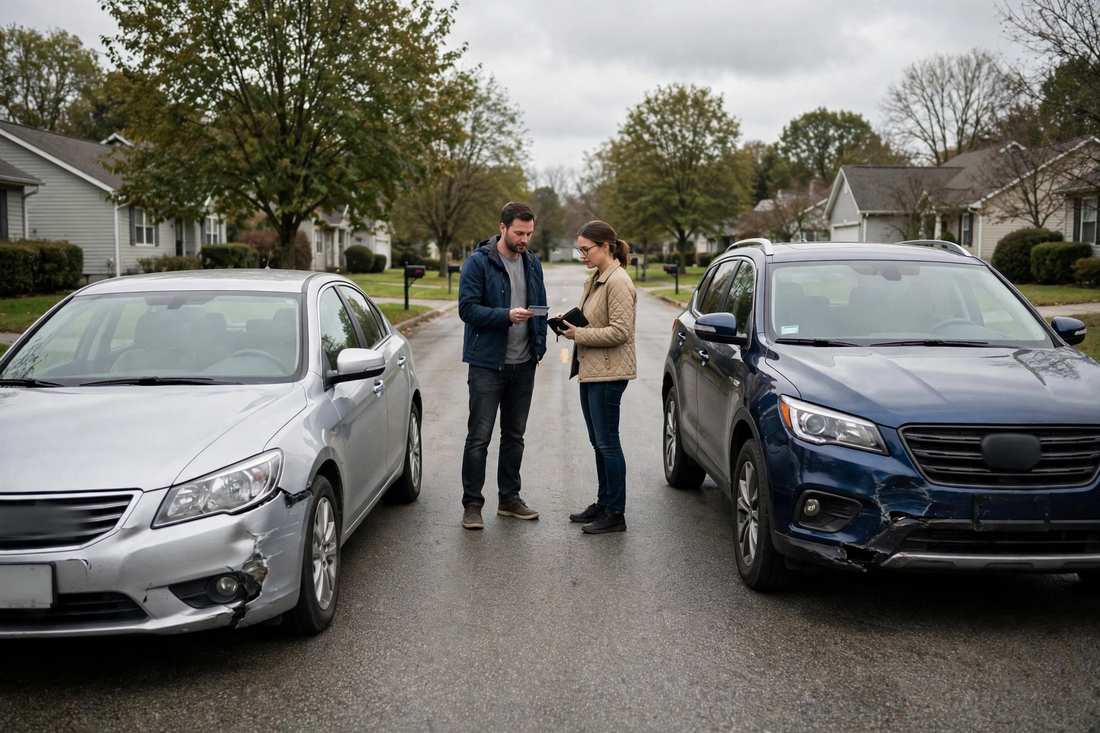
If a permitted driver crashes your leased car, the claims process works much like it would if you were driving. Your insurance is primary, the other driver’s insurance may be secondary depending on state rules, and the leasing company gets paid for its asset. You handle the claim, you pay the deductible, and any resulting premium increase lands on your policy.
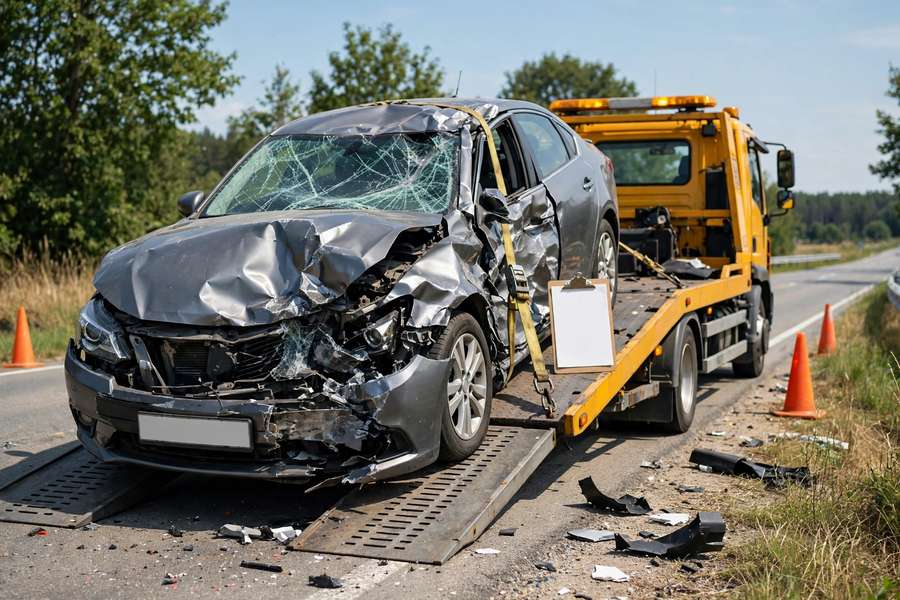
The lease specific complications come after the accident. Significant damage must be repaired to the leasing company’s standards, usually with manufacturer approved parts, and you cannot simply pocket the insurance check and drive a dented car to lease end. If the car is totaled, gap insurance covers the difference between the payout and your lease balance, but you still lose any down payment you made and you still need a new car. Our breakdown of who pays for what after an accident in a leased car walks through the full sequence.
If the at fault driver was driving without your permission, insurers generally still cover the vehicle in many states, but the leasing company will look to you for any shortfall. This is rare, but it is the strongest argument for keeping your keys secure.
Adding a Regular Driver Properly
If someone will be driving your leased car on a regular basis, the right move is to formalize it. Call your insurer and add them as a listed driver. Your premium will change, sometimes significantly for young or high risk drivers, but the coverage becomes airtight. Then check with your leasing company about whether they want the driver noted on the account. Most do not require it for household members, but asking takes minutes and creates a record.
For a driver outside your household who needs regular access, such as a long term partner living elsewhere, talk to both your insurer and your leasing company before making it routine. Getting ahead of the question beats explaining it after an incident.
Road Trips, Valets, and Other Everyday Situations
Splitting driving duties on a road trip is generally fine. A licensed friend or family member taking a shift with your permission is textbook permissive use. Just confirm they are licensed and sober, and remember the miles still count against your allowance no matter who drives.
Valet parking, car washes, and repair shops are normal parts of car ownership and do not violate your lease. The car’s custody passes to a business, not to an unauthorized driver. What you should avoid is informal arrangements that look like rentals: charging a friend per day to use the car, for example, can be treated as commercial use and violate both the lease and the insurance policy.
The Bottom Line on Lending Your Leased Car
You can let someone else drive your leased car in most everyday situations, and your insurance usually covers them under permissive use. The rules tighten for regular drivers, who must be listed on your policy, and for anyone unlicensed, excluded, or impaired, who should never drive it. Whatever happens behind the wheel comes back to you at lease end, so lend the keys the way you would lend anything you are still paying for: selectively, and with the paperwork in order.