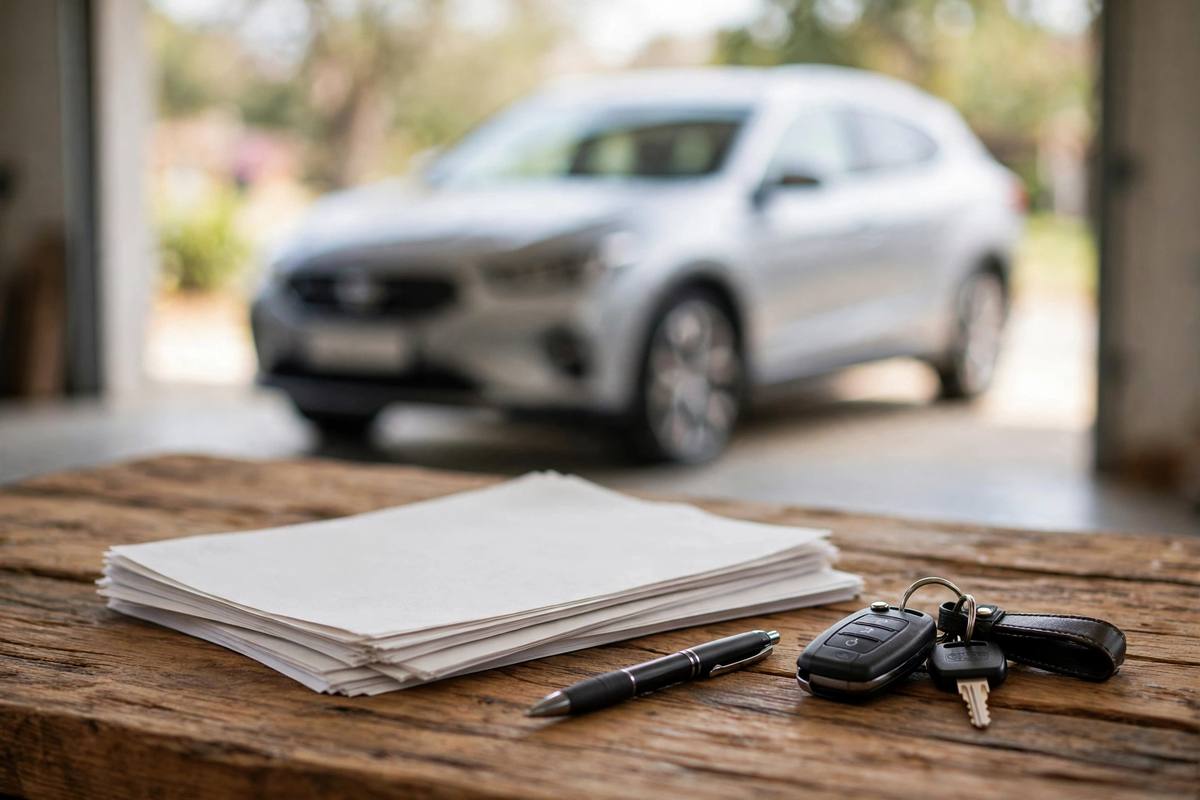
Your leased car sits parked for most of the day while you work. You have seen Turo hosts online claiming to earn hundreds of dollars a month from a car they barely drive. The idea of listing your leased vehicle and letting strangers cover your monthly payment is tempting, and it feels like found money. But before you take photos and create a listing, you need to know whether the rules actually allow it.
The honest answer is no, not in almost any situation. Your lease contract almost certainly prohibits renting the car to others, your insurance is not built for commercial use, and Turo itself requires hosts to have the legal right to rent the vehicle. Listing a leased car anyway can lead to lease default, canceled coverage, and personal liability if a renter causes a crash. Here is exactly why, and what you can do instead.
The Short Answer: You Almost Certainly Cannot
Car-sharing platforms like Turo let private owners rent out their vehicles, but a leased car is not yours to rent out. The leasing company owns the car, and your contract gives you the right to use it personally, not to run a rental business with it. Nearly every standard lease agreement in the United States includes language that bans commercial use, subleasing, and renting the vehicle to third parties.
Turo’s own host requirements reinforce this. To list a car, you must have the legal authority to rent it out, which generally means you own it or hold a title interest. A lessee does not have that authority unless the leasing company grants written permission, which almost never happens. Between the contract and the platform, the door is closed from both sides.
Why Your Lease Contract Says No
The core reason is ownership. When you lease, the leasing company buys the car and keeps the title for the entire term, while you pay for the right to drive it. Because the lender’s asset is the collateral, the contract strictly limits what you can do with it. Renting it to strangers is one of the clearest violations of those limits, and lenders treat it as a misuse of their property.
Risk is the second reason. Leasing companies price your lease around personal use: predictable mileage, normal wear, and standard insurance coverage. A car rented to dozens of strangers racks up miles faster, suffers harder wear, and faces accident risks the lender never agreed to. The contract bans commercial use outright instead of trying to price every individual rental.
Insurance completes the picture. The full coverage policy your lease requires is a personal auto policy, and personal policies exclude commercial activity. The moment a paying renter drives your leased car, your coverage may no longer apply. If that renter causes a serious crash, you could face the lease violation and the repair bills at the same time, with no insurer stepping in to help.
Turo’s Host Rules Require the Right to Rent
Turo asks hosts to confirm they have the authority to list and rent each vehicle. For a leased car, that authority belongs to the leasing company, not to you. Listing a car you do not have the right to rent violates Turo’s terms, and it can get your account suspended or permanently removed once discovered.
Some drivers wonder whether they can simply skip the disclosure and list the car anyway. That is a dangerous gamble. Turo checks vehicles through registration and insurance documents, and the leasing company’s name on the paperwork is easy to spot. Even if a listing slips through at first, a single accident, claim, or complaint from the lender can expose the arrangement and end it badly.
The Consequences of Listing a Leased Car Anyway
The leasing company can declare you in default of the lease. Default gives the lender the right to demand the vehicle back immediately, accelerate the remaining payments, and charge penalties. A default also damages your credit, which makes your next lease or car loan more expensive or harder to get approved.
Mileage is another silent cost. Most leases include an annual mileage cap, and renters do not care about your limit. A busy listing can burn through a year’s allowance in months, leaving you with overage charges of fifteen to thirty cents per mile at lease end. Reading up on how annual mileage caps work makes it clear why handing the keys to strangers gets so expensive.
Then there is liability. If a renter injures someone or damages property, lawyers will look at everyone connected to the car, including you and the leasing company. The lender will point to the lease violation and step aside, while your insurer may deny the claim because the car was used commercially. Remember that the leasing company holds the title, which is exactly why you cannot authorize strangers to use its asset for profit.
Can You Ever Get Written Permission?
In theory, a leasing company could grant written permission to list the car on Turo. In practice, this almost never happens. Major lenders and captive finance companies have firm policies against commercial use of leased vehicles, and their representatives will tell you the same thing the contract says. Asking costs nothing, but do not build your plans around a yes.
If you do ask, get any answer in writing and keep it with your lease documents. A verbal maybe from a call center agent will not protect you if the lender later claims a violation. Permission from the lender is only half the battle anyway: you would still need commercial insurance and Turo’s acceptance, each with its own requirements and costs.
Alternatives That Actually Work
If you need the car less than you expected, a lease transfer lets you hand the entire contract to another driver legally, with the lender’s approval. This removes the payment from your budget without breaking the contract. Transfer marketplaces and the leasing company’s own process can connect you with someone looking for a shorter term.
If you want rental income specifically, the clean path is to own a car outright, or finance one with a lender that allows commercial use, and list that vehicle with proper commercial insurance. Turo works smoothly when the host genuinely has the authority to rent. The same logic applies to other platforms: leasing a car for rideshare work is generally prohibited too, because commercial use is commercial use no matter which app is involved.
The Bottom Line on Turo and Leased Cars
Listing a leased car on Turo is prohibited by your lease contract, unsupported by your insurance, and against Turo’s own host rules. The potential earnings are not worth the risk of default, canceled coverage, mileage overages, and personal liability. The rules exist because the car is the lender’s asset, and lenders do not let lessees turn their collateral into a rental fleet.
If the payments are straining your budget, look at legitimate exits like a lease transfer or an early buyout. If the sharing economy appeals to you, build it on a car you own, with the right insurance and the lender’s blessing. That way the income is real, the risk is managed, and nobody can take the car away.