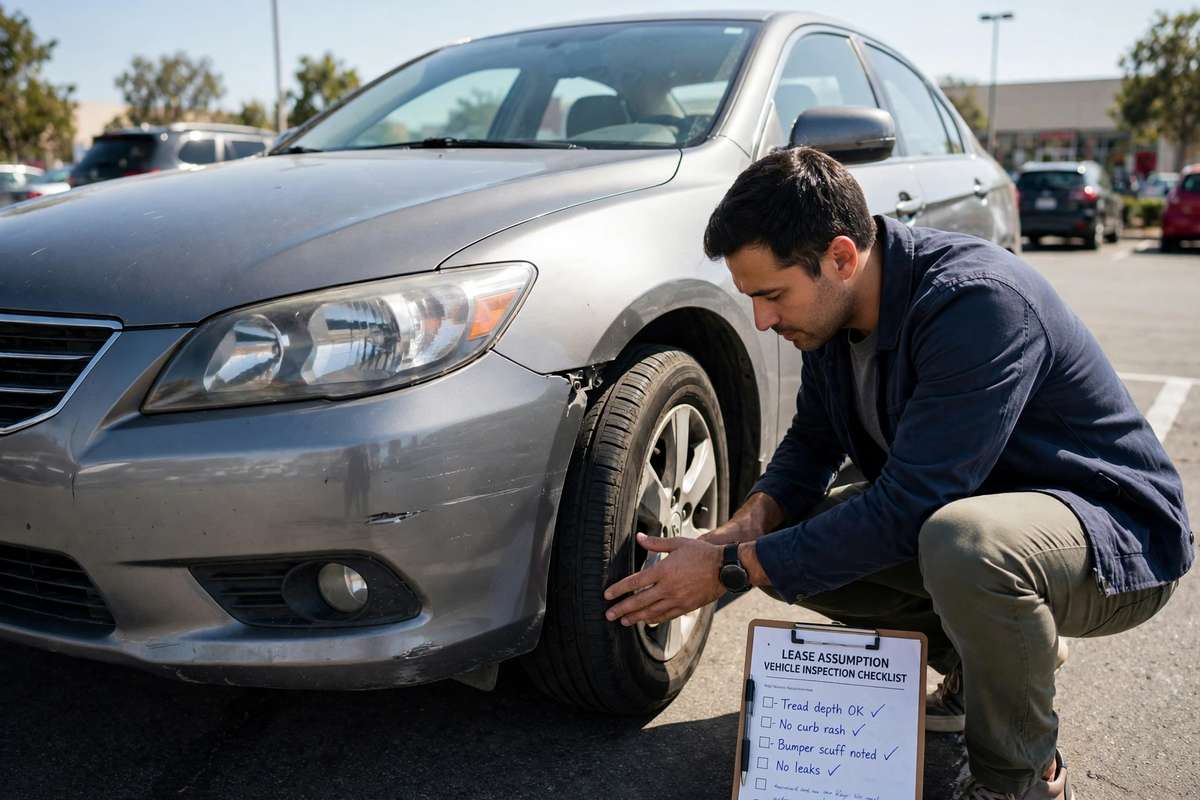
Sometimes life changes faster than a lease term. A new job, a growing family, or a longer commute can leave you with a car that no longer fits. Breaking a lease early can cost thousands, but a lease transfer lets you hand the lease to someone else and walk away clean.
A lease transfer, also called a lease assumption, moves your lease contract to a new lessee. The new person takes over your remaining payments and your mileage allowance, and you are released from the obligation. It is not free and it is not always possible, but when it works, it can save you a small fortune compared to terminating early.
How a Lease Transfer Works
The process starts with your leasing company, not with a buyer. Some lenders allow transfers and some do not, so your first step is to call and ask. If transfers are allowed, the lender will explain their requirements, which typically include a transfer fee, a credit check on the incoming lessee, and a formal application.
Once you confirm your lender permits transfers, you find someone willing to take over the lease. Online marketplaces exist specifically for this purpose, connecting people who want out of leases with people looking for short term car commitments. You negotiate any incentive with the buyer, they apply with your lender, and if approved, the lender rewrites the contract in their name.
Our detailed walkthrough of how car lease transfers work as an early exit covers each stage of this process, including typical timelines and fees you should expect.
Which Leasing Companies Allow Transfers
Transfer policies vary widely. Many captive lenders, the finance arms of the car manufacturers, allow transfers with conditions. Some charge a transfer fee of a few hundred dollars. Others, notably certain luxury brand lenders, keep the original lessee partially liable even after the transfer, which defeats much of the purpose. A few lenders prohibit transfers entirely.
This is worth checking before you sign a lease, not just when you need out. If flexibility matters to you, favor lenders with clean transfer policies. The lease contract itself usually states whether transfers are permitted, so read that section before you commit.
Also confirm whether the transfer releases you fully. A full release, sometimes called a complete novation, ends your liability entirely. Some lenders instead leave you as a guarantor, meaning you remain on the hook if the new lessee defaults. That residual risk changes the value proposition significantly.
Finding Someone to Take Over Your Lease
Listing your lease on a transfer marketplace is the most common approach. You post the car, the monthly payment, the remaining term, the mileage allowance and how much has been used, and any incentive you are offering. Shoppers browse for deals that fit their needs, often looking for short remaining terms or payments below market.
Good listings move faster. Include clear photos, the exact payment including tax, the remaining miles broken down per month, and honest disclosure of any wear or damage. Cars with low payments relative to their class, short remaining terms, and generous remaining mileage attract the most interest.
Price your incentive realistically. Offering 1,000 to 2,000 dollars to the buyer is common and often far cheaper than the early termination fee you would otherwise pay. Think of the incentive as buying your freedom at a discount.
What buyers are looking for
Transfer buyers tend to want a short commitment, a payment below what a new lease would cost, and a car in good condition with plenty of miles left. If your lease has 30 months remaining and only 8,000 miles left on the allowance, it will be a hard sell. If it has 14 months left and 18,000 miles remaining, it will move quickly.
Screening interested buyers
You do not approve the buyer, your lender does, but you can save time by being upfront about the credit requirements. Most lenders require the incoming lessee to meet similar credit standards to a new lease approval. If a buyer has shaky credit, the lender will likely decline, so it helps to mention the requirement in your listing.
Costs of a Lease Transfer
Transferring a lease is much cheaper than terminating one, but it is not free. Expect a lender transfer fee, usually between 300 and 600 dollars. Some lenders charge an application fee for the incoming lessee. You may also choose to offer a cash incentive to attract a buyer, which is negotiable between you and them.
Compare that to early termination, which often requires paying all remaining payments plus a termination fee, minus the car’s current value. On a lease with 18 months left at 450 dollars a month, early termination can easily cost 5,000 to 8,000 dollars. A transfer with a 500 dollar fee and a 1,500 dollar incentive costs 2,000 dollars. The math usually favors the transfer by a wide margin.
Alternatives If Transfer Is Not an Option
If your lender does not allow transfers, you still have options. Trading in the leased car to a dealer is often the simplest path. The dealer pays off the lease and applies any equity, or rolls any negative equity into your next deal. Our guide to trading in a leased car explains how dealers value a leased vehicle and when this route makes sense.
Extending your lease is another possibility if your problem is timing rather than the car itself. An extension gives you more time before you have to decide, which can help if you are waiting out a job change or a move. See our comparison of lease extension versus renewal to understand which option fits your situation.
For renters facing a similar need to exit a housing lease early, the playbook has parallels. Our guide to finding someone to take over your apartment lease covers the replacement tenant strategy, which works on the same principle: find a qualified replacement and let them step into your contract.
Timing Your Transfer
The best time to list your lease is when it is most attractive to buyers. That usually means a remaining term of 12 to 24 months, a healthy mileage balance, and a payment at or below the current market for similar cars. Listing early gives you time to find the right buyer instead of accepting a weak offer under pressure.
Do not wait until you are desperate. A transfer takes time: listing, fielding inquiries, the buyer’s credit application, and the lender’s paperwork can easily take four to eight weeks. Start the process as soon as you know you need out.
Protecting Yourself During the Transfer
Get everything in writing through the lender. A handshake deal where someone “takes over your payments” without the lender’s involvement leaves you fully liable. If the informal buyer stops paying or wrecks the car, the lender comes after you, because legally the lease is still yours.
Document the car’s condition at handoff with dated photos and a written condition report signed by both parties. Note the exact mileage, photograph every panel and the interior, and keep copies. If a wear and tear dispute arises at lease end, this record protects you from being blamed for damage the new lessee caused.
Confirm your release in writing from the lender before you consider the matter closed. Get a letter or email stating that your obligation under the lease has ended and the contract is now solely in the new lessee’s name. Keep that document with your financial records.
Watch for scams
Legitimate transfers always go through your leasing company. Be wary of anyone who wants to handle the transfer privately, asks you to sign over the car without lender paperwork, or offers to pay you to “hold” the lease in your name. These are red flags for fraud, and participating could leave you liable for a car you no longer control.
When a Transfer Makes Sense, and When It Does Not
A transfer makes sense when your lender allows a full release, your lease terms are attractive enough to find a buyer, and the total cost of the transfer is well below early termination. It is ideal for people whose circumstances changed mid-lease and who have a desirable car with reasonable remaining terms.
A transfer makes less sense when your payment is above market, your remaining mileage is thin, or your lender keeps you liable after the transfer. In those cases, trading in the car or negotiating an early buyout may be cleaner. Run the numbers on every option before you commit, because the cheapest exit on paper is not always the cheapest in practice.
The bottom line is that a lease transfer turns a rigid contract into a flexible one. It takes some effort to list, market, and process, but for many lessees it is the difference between a graceful exit and a painful bill. If your life no longer fits your lease, a transfer deserves to be your first call, not your last resort.