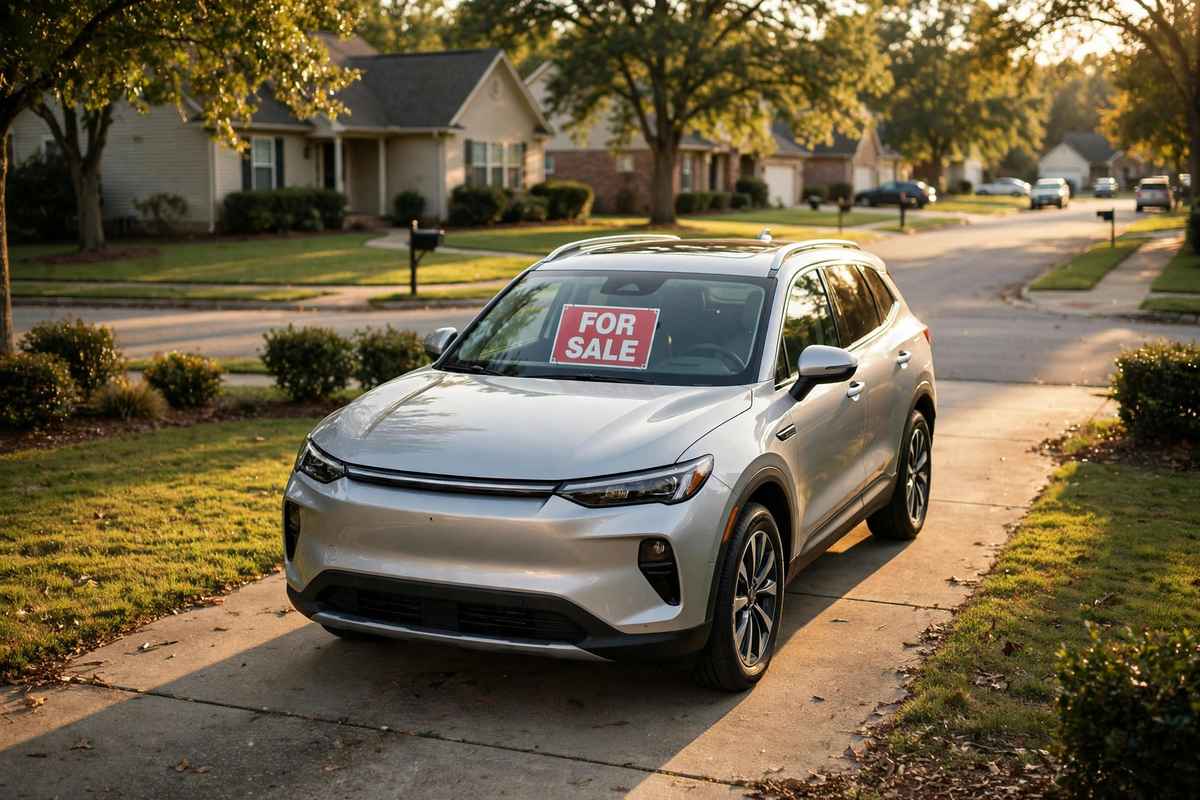
When your lease ends, you cannot just drop the car at any dealership and walk away. Where you return a leased car depends on the brand, the leasing company, and sometimes the fine print in your contract. Return it to the wrong place and you could face extra fees, a rejected return, or a bill for transportation costs.
This guide explains the dealer rules for lease returns in the United States: which dealers must accept your car, when you can use a different dealer, what paperwork to bring, and how to handle the tricky situations that come up near the end of a lease.
The Basic Rule: Same Brand, Any Franchised Dealer
For most manufacturer leases, you can return the car to any authorized franchised dealer of the same brand. If you leased a Honda from a dealer across town, you can return it to a different Honda dealer near your new home. The dealer inspects the car, processes the return with the leasing company, and sends the vehicle to auction or into the brand’s certified pre-owned program.
Dealers are generally willing to accept these returns because the leasing company pays them a processing fee, and returned cars are a source of quality used inventory. That said, no dealer is thrilled about paperwork that does not lead to a sale, so expect the return desk to ask whether you want to lease another car. A polite no is all it takes.
Check Your Contract for Exceptions
Read your lease agreement before you choose a location. A small number of contracts name a specific dealer or require the return to go through the originating dealer. Independent leasing companies and banks that are not tied to a manufacturer may have their own return networks or require you to ship the car to a designated location. When in doubt, call the leasing company and ask where to bring it.
Can You Return to a Different Brand’s Dealer?
Sometimes you can, but it depends on the arrangement. If you are trading in your leased car toward a new vehicle from a different brand, that dealer can usually pay off your lease as part of the trade. This is not technically a lease return, it is a dealer payoff, but the result is the same: you are out of the lease.
A straight return, where you hand back the keys with no new purchase, usually needs to go to a same-brand dealer or a location approved by the leasing company. If you show up at a random dealer expecting them to take your car, they will likely turn you away or charge you to transport it. Always confirm the location with your lessor first.
What About Returning to the Original Dealer?
You can always return to the dealer where you leased the car, and some drivers prefer it because the staff knows the vehicle. But you are not obligated to go back there, and there is no advantage in doing so unless the original dealer offers you a loyalty deal. Choose the location that is most convenient, not the one with sentimental value.
How to Schedule Your Return
Call the dealer a week or two before your maturity date and tell them you are returning a lease. Ask for the person who handles lease returns or the used car manager. Some dealers ask you to come during business hours on weekdays because the return paperwork needs a manager’s signature.
Ask what to bring. The standard list includes both key fobs, the owner’s manual, floor mats, the spare tire and jack, and any accessories that came with the car, such as charging cables for an electric vehicle. If you completed a pre-return inspection, bring that report too. Showing up prepared makes the appointment take twenty minutes instead of an hour.
What the Dealer Does at Return
The return process at the dealer follows a standard script. The staff verifies the vehicle identification number, records the odometer reading, and walks around the car to note obvious damage. You will sign an odometer disclosure statement and a vehicle return receipt. The dealer then notifies the leasing company that the car has been grounded, which is the industry term for a returned lease.
For a full walkthrough of everything that happens before and after this appointment, see our step-by-step guide to returning your leased car. Knowing the whole sequence helps you spot anything unusual at the dealer.
Read Before You Sign
Dealers sometimes add their own forms to the return paperwork, such as a reconditioning estimate or an agreement to pay for transport. You are not required to sign anything beyond the standard return documents unless your contract says otherwise. If a form mentions fees you do not recognize, ask for an explanation and call your leasing company if the answer is vague.
Fees You Might Face at the Dealer
The disposition fee is the most common charge, typically 300 to 500 dollars, and it goes to the leasing company, not the dealer. Excess mileage and excess wear charges are billed by the lessor after the inspection, not at the return counter. Be wary if a dealer tries to collect these on the spot or adds a separate processing fee. A few dealers do charge a small documentation fee for handling returns, but it should be disclosed upfront.
If you are leasing another vehicle from the same brand, ask about waivers. Many manufacturers waive the disposition fee for loyal customers, and some dealers will absorb small wear charges to win your next lease. Our overview of lease loyalty programs for returning lessees covers the discounts you can ask for.
Tricky Situations and How to Handle Them
Life does not always line up with a lease maturity date. If you have moved to a new state, call your leasing company for the nearest authorized return location. If the closest same-brand dealer is far away, ask whether the lessor will arrange pickup or reimburse transport. Some will, especially for high-value vehicles.
If you cannot return the car on time, contact the lessor before the maturity date. Driving past the end of the lease without an arrangement can trigger extra payments and penalties. In many cases a short extension of your car lease is available and costs less than the penalties for an unplanned holdover.
When the Dealer Tries to Sell You Instead
Expect a sales pitch. The return desk is a lead source for the sales team, and they will offer you pull-ahead deals, loyalty bonuses, and same-day lease specials. Some of these offers are genuinely good, particularly manufacturer pull-ahead programs that waive your remaining payments. But do not let a time-pressured pitch replace your own research. If the numbers are not clearly in your favor, finish the return and shop on your own schedule.
After the Return: Confirm It Is Closed
Your job is not done when you hand over the keys. Within a few weeks you should receive a final statement from the leasing company with any remaining charges. Confirm that the account shows the car as returned and that no further payments are due. Keep your return receipt and inspection paperwork until the account balance is zero and you see the closed status in writing.
If the leasing company claims the car was never returned, your return receipt is your proof. This is rare, but it happens when dealer paperwork gets lost, and the receipt settles the matter immediately.
The Bottom Line
Returning a leased car to the right dealer is mostly a matter of confirming the rules before you go. Same-brand franchised dealers are the safe default, your contract may name exceptions, and your leasing company can point you to an approved location if you have moved or the situation is unusual. Schedule ahead, bring everything that came with the car, read the paperwork, and follow up until the account is closed.