When you lease a car, the dealer hands you the keys but keeps one thing firmly in their column: the risk. Because the leasing company owns the vehicle, your lease contract will require you to carry full coverage insurance for the entire term. This is not a suggestion or a dealer upsell. It is a binding requirement, and violating it can trigger penalties that are far more expensive than the insurance itself.
Many first time lessees are surprised by how specific these rules are. The lease does not just say “get insurance.” It sets minimum liability limits, caps your deductible, and demands both collision and comprehensive coverage from day one. Understanding these rules before you shop for a policy helps you budget accurately and keeps you from scrambling to fix a gap in coverage after you have already signed.
Why the Leasing Company Gets to Set Your Insurance Rules
The reason is straightforward: the car is not yours. When you lease, the lessor holds the title while you pay for the right to use the vehicle. That ownership interest means the leasing company needs its asset protected, and the lease contract is where it writes those protections in. Every major leasing company in the United States includes insurance requirements as a standard clause, and agreeing to them is a condition of the lease itself.
This also explains why the rules feel stricter than what your state requires. State minimum liability laws are designed to protect other drivers on the road. The lessor’s requirements go further because they also protect the value of the car. A policy that satisfies your state might still violate your lease if it lacks collision coverage or carries a deductible the lessor will not accept.
What Full Coverage Means on a Leased Vehicle
Full coverage is not a single policy type. It is a package that combines liability coverage with collision and comprehensive coverage. Liability pays for injuries and damage you cause to other people and their property. Collision pays to repair or replace your leased car after an accident, regardless of who was at fault. Comprehensive covers non collision events like theft, vandalism, hail, flooding, or hitting an animal.
On a lease, all three pieces are mandatory. Skipping collision or comprehensive to save money is a direct violation of the contract. The lessor will be listed on your policy as an additional interested party or lienholder, which gives them the right to be notified if your coverage changes or lapses. That listing is how they monitor compliance, so there is no quiet way around the requirement.
The Liability Limits Most Leases Demand
The most common requirement you will see is 100/300/50 liability coverage. That shorthand means one hundred thousand dollars per person for bodily injury, three hundred thousand dollars per accident for bodily injury, and fifty thousand dollars for property damage. Many leasing companies accept no less than these figures, and some require higher limits such as 100/300/100.
Compare that to state minimums, which in many states are as low as 25/50/25, and you can see why lease insurance costs more than the bare minimum policy some drivers carry. The higher limits protect the lessor from scenarios where a serious accident exhausts a small policy and leaves the vehicle’s owner exposed. Since you agreed to those limits in the contract, carrying less is a breach even if your state would allow it.
Deductible Caps Written Into Lease Contracts
Your deductible is the amount you pay out of pocket before insurance kicks in, and leases typically cap how high it can go. A very common requirement is a maximum deductible of one thousand dollars for both collision and comprehensive coverage, though some contracts set the cap at five hundred dollars. Choosing a two thousand dollar deductible to lower your premium may seem smart, but if your lease caps it at one thousand, you are out of compliance.
The logic is the same as with liability limits. A high deductible means the lessor’s asset is underinsured in a partial loss scenario, since a driver facing a two thousand dollar bill might delay or skip repairs. Keeping deductibles modest ensures the car gets fixed promptly after damage, which preserves the residual value the leasing company is counting on at turn in.
Gap Insurance: The Layer That Closes the Remaining Hole
Even with full coverage, one risk remains. If your leased car is totaled, your insurance pays the car’s current market value, but what you owe on the lease is often higher, especially early in the term when depreciation is steepest. That difference is called the gap, and without coverage for it, the bill lands on you. For a clear picture of how that scenario plays out, read our guide to what happens when your leased car is totaled.
Most leases now include gap insurance automatically, either built into the contract or as a standard add on from the captive finance company. If yours does not, buying it is strongly recommended. Gap coverage is inexpensive, often just a few dollars a month when added to a policy or a modest one time fee through the dealer, and it protects you from the single most painful surprise in leasing. A related risk worth understanding is theft, since a stolen leased car creates the same gap problem if the vehicle is never recovered.
What Happens If Your Coverage Lapses
Letting your policy lapse, even briefly, is one of the costliest mistakes a lessee can make. Because the lessor is listed on your policy, they are notified quickly. Most contracts give you a short cure period to reinstate coverage, but if you do not act, the leasing company will buy force placed insurance on your behalf and bill you for it. Force placed policies are notoriously expensive, often two to three times the cost of a normal policy, and they protect only the lessor’s interest, not yours.
Repeated lapses or a refusal to maintain coverage can be treated as a default under the lease, which gives the lessor the right to terminate the contract and demand the remaining payments. The takeaway is simple: set your auto insurance to autopay, keep your payment method current, and never assume a one week gap will go unnoticed. It will be noticed, and it will cost you.
How Accidents and Claims Work on a Leased Car
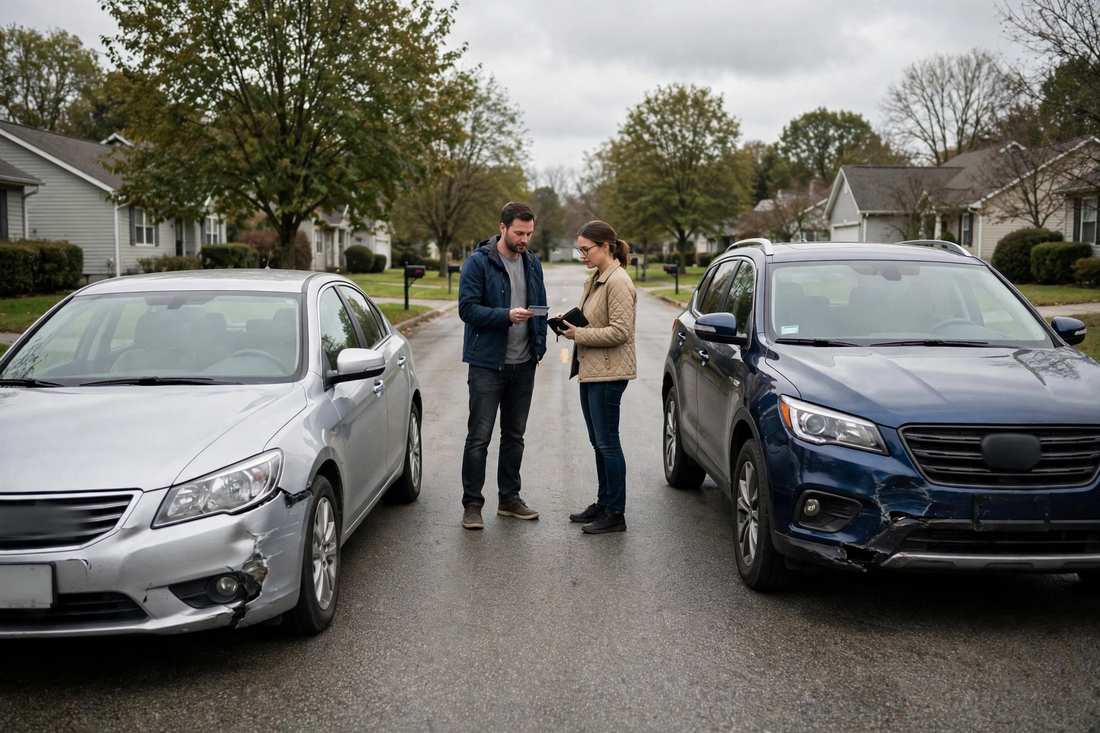
When an accident damages your leased car, the claims process has one extra party involved: the lessor. Insurance checks for repairs are often made out to both you and the leasing company, or paid directly to the repair shop, which prevents the money from being spent elsewhere. You are still responsible for getting the car repaired to the manufacturer’s standards, because returning a poorly repaired car at lease end can trigger wear and tear charges on top of everything else.
If the car is declared a total loss, the settlement goes to the lessor first, since they own the vehicle. Gap insurance then covers any shortfall between the settlement and your lease payoff. You walk away without the car and without a bill, which is exactly the outcome the insurance rules were designed to produce. Skipping required coverage is what turns this orderly process into a personal financial disaster, as we explain in our breakdown of who pays for what after an accident in a leased car.
Ways to Keep Premiums Reasonable on a Lease
Full coverage on a new car is not cheap, but several strategies keep the cost manageable. First, shop your policy before you sign the lease so the premium is part of your total cost math, not a surprise afterward. Rates vary dramatically between insurers for the same driver and car, so comparing three or four quotes is worth the hour it takes.
Second, ask about discounts you may already qualify for: bundling home and auto, a clean driving record, low annual mileage, safety features on the vehicle, and defensive driving courses all reduce premiums. Third, choose your deductible at the highest level your lease allows, since a one thousand dollar deductible costs noticeably less in premiums than a two hundred fifty dollar one. Just make sure you can actually afford to pay that deductible if you need to file a claim.
Finally, revisit your policy once a year. Insurers adjust rates regularly, and loyalty rarely gets rewarded in this market.
The Bottom Line on Lease Insurance Rules
Full coverage insurance on a leased car is not optional, and the details matter. Carry liability at or above the 100/300/50 level, keep collision and comprehensive in force with a deductible at or below the contract cap, confirm gap coverage is in place, and never let the policy lapse. These rules exist to protect the leasing company’s asset, but following them protects you too. A properly insured lease means an accident or theft is an inconvenience, not a financial catastrophe.