Brakes and tires sit in a special category on a leased car. They are wear items, which means they wear down through normal driving, and wear items are almost always the lessee’s responsibility. That simple rule covers a surprising number of questions drivers have, from who pays for new brake pads to whether bald tires at turn in will cost you extra.
Understanding your obligations around brakes and tires saves money twice. It helps you plan for costs during the lease, and it protects you from inflated charges at lease return. Inspectors measure tire tread and check brake condition carefully, because these are the two areas where deferred maintenance is easiest to spot and bill.
Why Brakes and Tires Are Your Responsibility
The logic behind the rule is straightforward. The leasing company owns the car, but you control how it gets driven. Aggressive braking wears pads faster. Hard cornering wears tires faster. Because the lessee controls the wear, the lessee pays for the parts that wear.
Your lease agreement states this in the maintenance section. It requires you to maintain the car in good operating condition, and brakes and tires are explicitly part of that. The factory warranty does not cover them either, since warranties cover defects, not wear. A brake pad that wears down after 25,000 miles is doing its job, not failing.
This is the same principle that answers the broader question of who pays for maintenance on a leased car. Routine upkeep belongs to the driver. Brakes and tires are simply the most expensive routine items on that list, which is why they deserve their own planning.
Brake Service During Your Lease
Brake pads are the main brake expense you will face. A typical set lasts 30,000 to 50,000 miles depending on driving style, pad material, and whether most of your miles are highway or city. Many lessees on a three year, 36,000 mile lease will replace pads once, usually on the front axle first since front brakes do most of the work.
Expect to pay 150 to 300 dollars per axle for pads installed at an independent shop. Dealerships charge more, often 250 to 450 dollars per axle. Rotors add to the cost if they need replacement, which happens when they are warped, deeply scored, or worn below minimum thickness. A full brake job with pads and rotors can run 400 to 800 dollars per axle.
Brake fluid is a separate, smaller item. Most manufacturers recommend replacing it every two to three years, which falls squarely inside a typical lease. The service costs 80 to 150 dollars and protects the hydraulic system from moisture contamination. It is easy to overlook, but it is part of the scheduled maintenance your lease requires.
Tire Obligations During the Lease
Tires are the single most inspected item at lease return, and they are fully your responsibility during the lease. You pay for rotations, balancing, alignments, repairs, and replacements. The original tires on most leased cars are all season touring tires rated for 40,000 to 60,000 miles, which means many lessees will need at least one new set during a three year term.
Rotation every 5,000 to 7,500 miles costs 25 to 50 dollars and is the cheapest way to extend tire life. Balancing runs 15 to 25 dollars per tire when vibration appears. A four wheel alignment costs 100 to 175 dollars and should be checked after any hard pothole hit or curb strike. These small services protect a much larger investment in the tires themselves.
When tires need replacement, expect 150 to 300 dollars per tire installed for typical sedans and crossovers, more for performance cars, trucks, and EVs with specialty sizes. Buy the correct size, speed rating, and load rating for your car. Installing cheaper mismatched tires can create handling problems and may not satisfy the lease return requirements anyway.
Matching Tires and Lease Return Rules
Leasing companies require that the car come back with a matching set of tires in acceptable condition. Matching generally means all four tires are the same brand, model, size, and speed rating. Some contracts allow pairs to match by axle, but the safest approach is four identical tires.
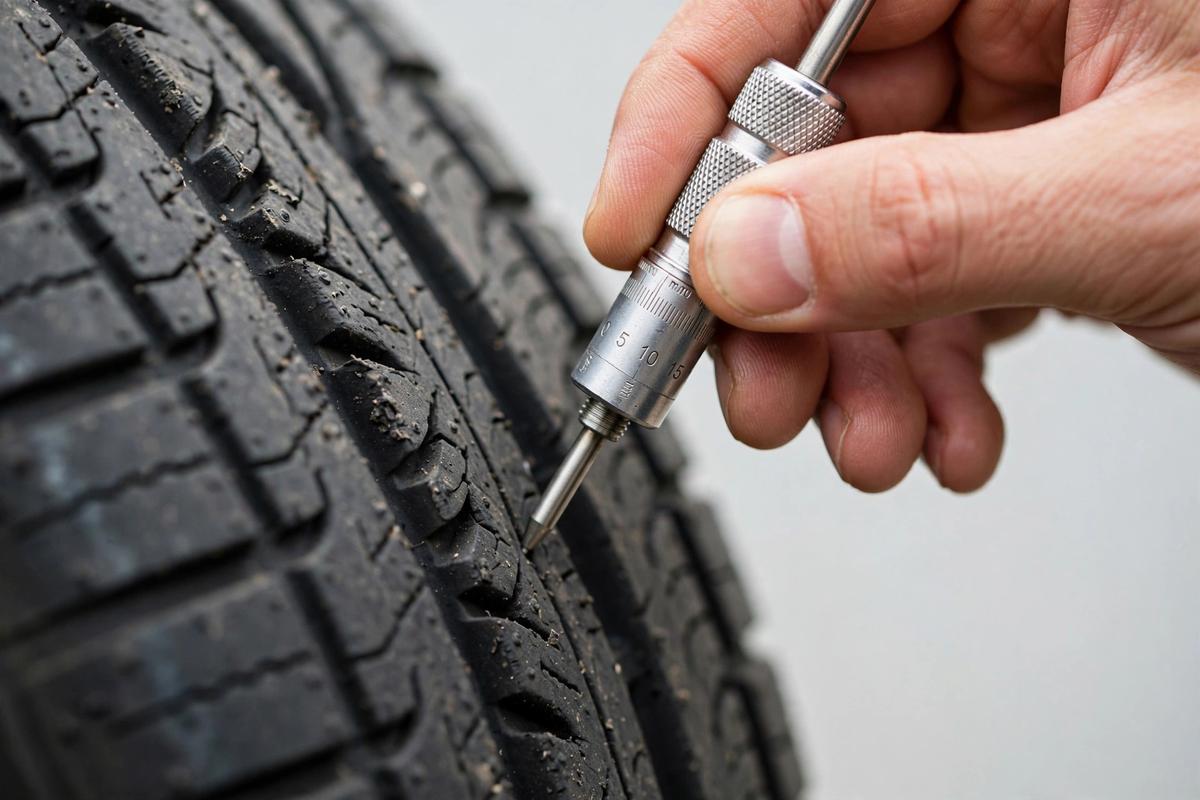
Tread depth is measured at inspection. Most leasing companies require at least 4/32 of an inch of tread remaining, which is stricter than the legal minimum of 2/32 in most states. Tires below the requirement get billed to you, often at dealership parts prices plus mounting. Replacing them yourself beforehand is almost always cheaper.
The type of tire matters too. If your car came with run flat tires, it generally needs to go back with run flats. If it came with all season tires, returning it on winter tires or mismatched performance tires can trigger a charge. Check the original equipment specs in your owner’s manual or on the driver’s door jamb sticker before you buy replacements.
Learn the full tire replacement rules before turn in well ahead of your return date. Buying the right tires at the right time is one of the easiest ways to avoid a surprise charge on your final statement.
Repairs, Punctures, and Road Hazards
A nail in the tread is your problem, not the leasing company’s. Puncture repairs cost 25 to 40 dollars at most tire shops and are worth doing promptly. Driving on a slowly leaking tire damages the sidewall and can ruin a tire that was otherwise repairable.
Sidewall damage is different. A cut or bubble in the sidewall cannot be repaired safely, and the tire must be replaced. Curb strikes are the most common cause. If you damage one tire badly enough to replace it, replace it with an identical tire to keep the set matching. A single mismatched tire can fail the return inspection.
Consider road hazard coverage if you drive in construction zones or on rough roads. Some tire shops sell it for 15 to 30 dollars per tire, and it covers free replacement for punctures and blowouts. Whether it pays off depends on your roads, but for lessees it has an extra benefit: it keeps your tire set matching without surprise costs.
What Inspectors Check at Lease End
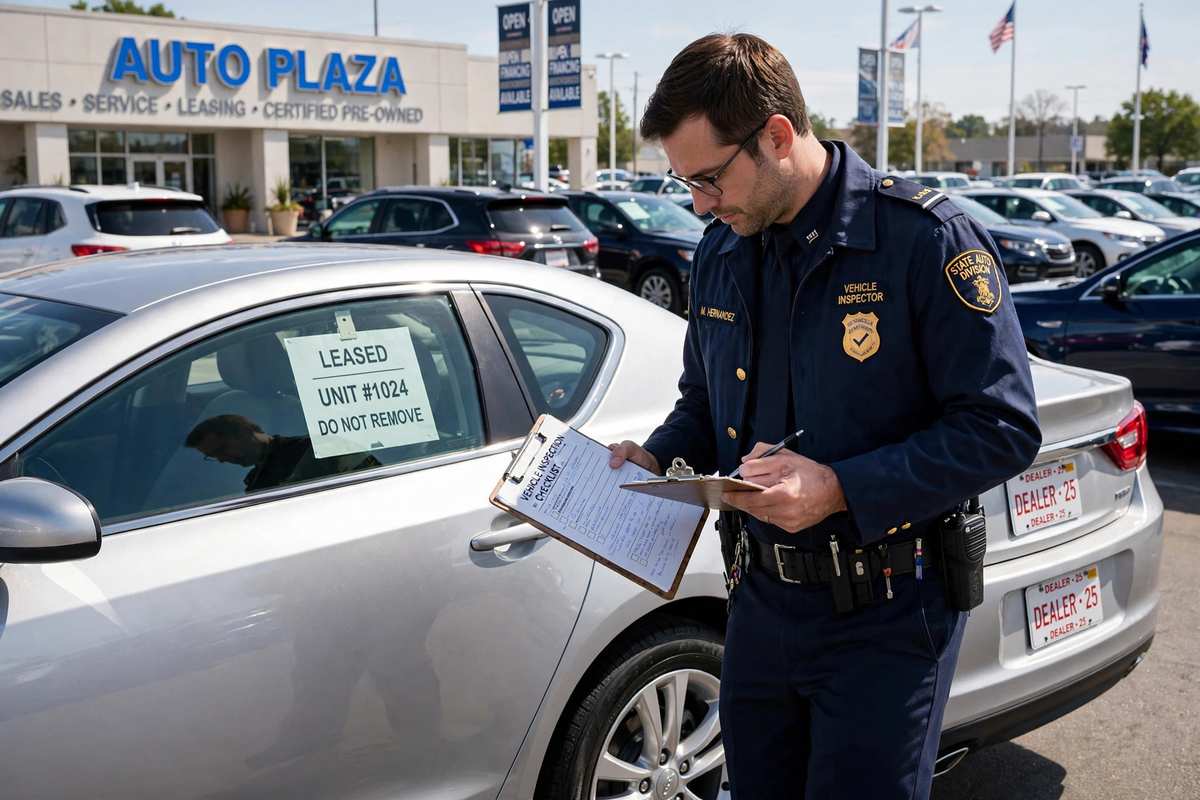
The lease end inspection includes specific measurements for brakes and tires. For tires, the inspector measures tread depth at multiple points across each tire and checks that all four match in brand, model, and size. For brakes, the inspector looks at pad thickness, rotor condition, and whether the system operates normally.
Brakes that are worn but still above the minimum may pass without a charge, depending on the leasing company’s standards. Brakes worn to the point of damaging rotors, or tires worn below the tread requirement, will be billed. The billing rates are set by the leasing company and are rarely negotiable after the fact, which is why handling these items yourself beforehand costs less.
These charges fall under the excess wear and tear rules in your contract. Worn out brakes and tires count as wear beyond normal use when they fall below the stated minimums. Knowing the minimums before your inspection lets you fix problems at shop prices instead of paying the leasing company’s rates.
Budgeting for Brakes and Tires on a Lease
A realistic budget for a three year lease includes one brake pad replacement at 150 to 300 dollars and possibly one set of tires at 600 to 1,200 dollars, plus rotations and alignments along the way. Drivers with low annual mileage may avoid the tire replacement entirely, while high mileage drivers should plan on it.
Set aside a small monthly amount for these wear items from the start of the lease. Fifty dollars a month covers most scenarios and removes the sting when the bill arrives. Compared with the monthly lease payment, it is a modest addition that keeps the car safe and the return inspection clean.
Brakes and tires are the price of driving, lease or not. The lease just makes the accounting visible, because someone measures the results at the end. Plan for the costs, maintain on schedule, and return the car with brakes and tires that meet the contract standards. Do that and these obligations become routine instead of stressful.