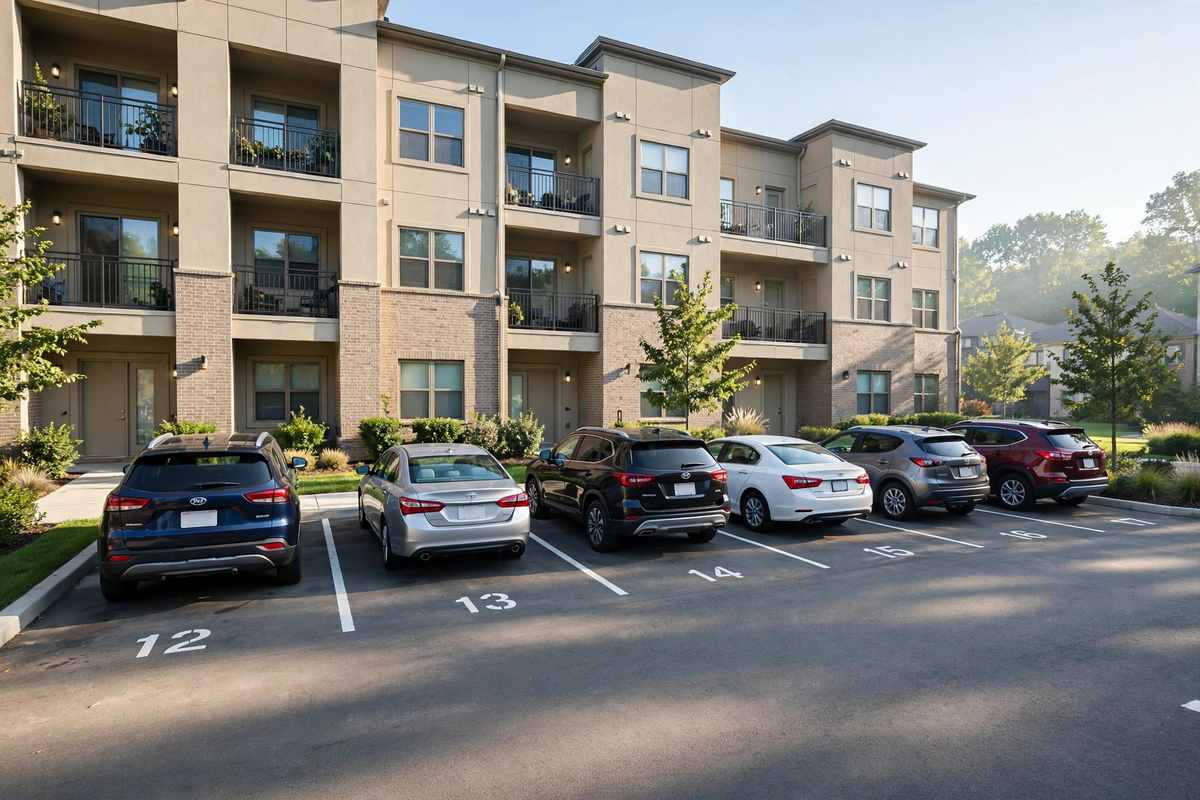
For many apartment renters, the balcony or patio is the best part of the unit. It is your outdoor space, your garden, your morning coffee spot, and sometimes your extra storage room. But that slab of concrete or wooden deck comes with more rules than most tenants expect, and violating them is one of the most common sources of lease violation notices in apartment buildings.
Balcony rules exist for reasons that go beyond landlord fussiness. Falling objects injure people below. Overloaded balconies can fail structurally. Cluttered patios attract pests and create fire hazards. And in multiunit buildings, what you do on your balcony directly affects your neighbors. Here is what the typical rules cover, why they exist, and how to enjoy your outdoor space without running afoul of your lease.
Why Balconies Have So Many Rules
A balcony is private space with public consequences. Anything you place, hang, or drop on a balcony can affect the people below, beside, and above you. Property managers write balcony rules to manage three categories of risk: safety, building appearance, and neighbor relations.
Safety rules target the physics of elevated spaces. Items fall. Railings fail under excess weight. Grills start fires that spread between units with terrifying speed. Appearance rules target curb appeal, because a building full of cluttered balconies rents for less and draws complaints. Neighbor rules target noise, smoke drift, and light pollution that cross the thin boundaries between units.
Common Balcony Rules in Apartment Leases
Most leases contain a balcony or patio clause, sometimes buried in the community rules addendum rather than the main lease body. Read both documents. These are the restrictions you are most likely to find.
Weight Limits and Structural Rules
Balconies are engineered for specific loads, and residential balconies are not designed to hold hot tubs, large aquariums, or heavy planters full of wet soil. Many leases set explicit weight limits or ban specific heavy items outright. Hot tubs on apartment balconies are banned almost everywhere, both by leases and by building codes, because the water weight alone can exceed the structural capacity.
Do not drill into balcony railings, floors, or exterior walls to mount things. Beyond the lease violation, you may compromise waterproofing membranes or structural elements. Damage to exterior building components is expensive to repair, and landlords pass those costs to the tenant who caused them.
What You Can and Cannot Store
The classic balcony violation is using the space as a storage unit. Bicycles, boxes, old furniture, tires, and general clutter are banned by most community rules. The reasons are practical: stored items block emergency egress, create fire loads, harbor pests, and look terrible from the street. Some leases allow neat storage in enclosed deck boxes while banning open piles of belongings. Others ban storage entirely except for patio furniture.
Laundry is another common restriction. Many leases prohibit hanging clothes, rugs, or linens on balcony railings. Beyond appearance, draped items can blow off in wind and become hazards.
Decorations, Plants, and Hanging Items
Most landlords allow reasonable decoration: potted plants, outdoor rugs, string lights, and patio furniture. The restrictions usually target how things are attached and how they look. Hanging planters from railings is often restricted because a falling planter is a genuine danger to people below. Freestanding planters and railing boxes that clamp without drilling are the safer, usually permitted alternative. Keep plants trimmed so they do not encroach on neighboring balconies or block walkways.
Holiday decorations get their own seasonal rules in many buildings. Management may limit the dates decorations can be up or ban anything attached to the building exterior. Check the community rules before you decorate for the holidays.
Grills, Fire Pits, and Fire Safety
This is the rule category with the hardest legal teeth, because it is driven by fire codes rather than landlord preference. The International Fire Code, adopted in some form by most US jurisdictions, prohibits open flame cooking devices on combustible balconies and within a certain distance of the building, commonly ten feet. Many local codes ban charcoal grills and fire pits on apartment balconies outright.
Electric grills are the usual exception, since they produce no open flame, and many leases permit them where gas and charcoal are banned. But do not assume. Some buildings ban all grilling on balconies regardless of fuel type, citing smoke drift and neighbor complaints. Others allow electric grills only. Read the exact language. A grill violation can be treated as a serious lease violation because of the fire risk, and in some jurisdictions it carries a fine from the fire marshal independent of anything your landlord does.
The same fire safety logic applies to fire pits, tiki torches, and candles left burning unattended on balconies. Tiki torches combine open flame with flammable fuel in a windy elevated location, which is why they appear on so many banned lists. If you want ambiance, LED candles and solar string lights give you the effect with none of the risk.
Noise, Smoke, and Neighbor Considerations
Balconies amplify neighbor conflicts because sound and smoke travel freely outdoors. Late night conversations, music, and phone calls on a balcony carry directly into neighboring units, often more clearly than indoor noise. Most buildings enforce quiet hours for apartments that apply to balconies as well, typically 10 PM to 8 AM, and balcony noise is one of the most frequent subjects of noise complaints between neighbors.
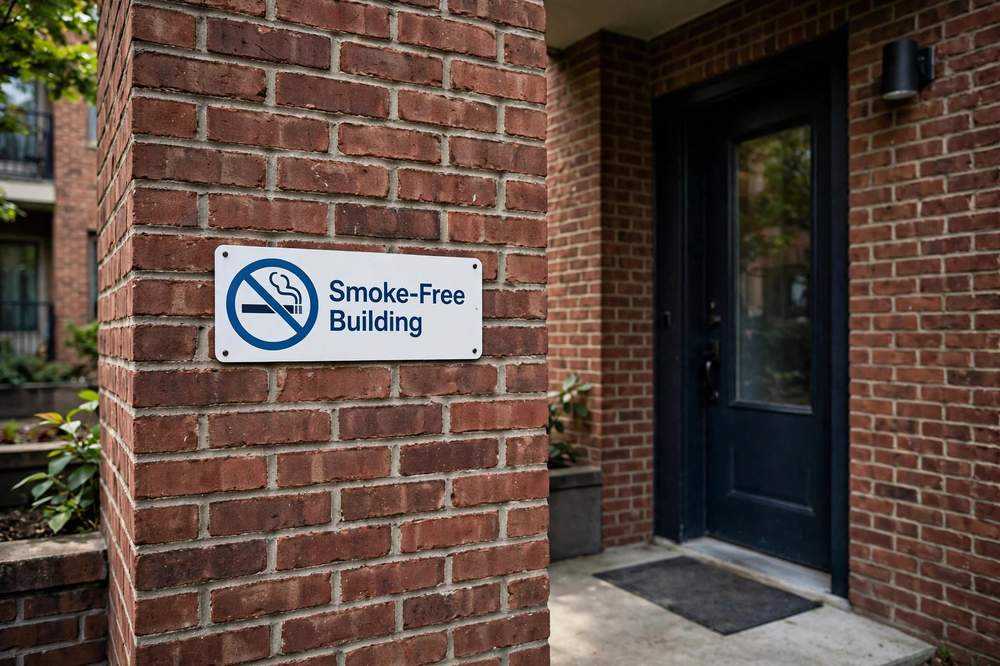
Smoke is the other classic balcony conflict. Cigarette and cannabis smoke drifts from balcony to balcony, into neighboring units through windows and ventilation intakes. Even where smoking is allowed on balconies, many leases require smokers to be considerate of neighbors, and some buildings have moved to fully smoke free properties including all outdoor areas. If your lease addresses smoking policies in rental properties, the balcony provisions are usually the most detailed part, because that is where the conflicts happen.
Pets on balconies deserve a mention too. Dogs left barking on balconies generate complaints fast, and some leases restrict or ban leaving pets unattended outdoors. Balcony railings with wide gaps are escape routes for cats and small dogs, so pet owners should add mesh or netting, preferably the removable kind that does not damage the railing. Check your lease for any pet deposit or pet rent terms that cover outdoor areas.
Privacy Screens, Awnings, and Modifications
Privacy screens are popular on apartment balconies, and most are fine as long as they attach without damaging the building. Tension mounted or zip tied bamboo screens and outdoor fabric panels usually pass muster. Anything screwed into railings or walls does not.
Awnings, satellite dishes, and permanent fixtures are a different category. Satellite dishes have special federal protection under the FCC over the air reception devices rule, which limits what landlords can restrict, but the dish must be within your exclusive use area and cannot damage the building. Awnings almost always require written landlord approval. Enclosing a balcony with windows or panels is effectively a structural alteration and is banned in virtually every standard lease.
Balcony Maintenance and Your Responsibilities
Tenants are generally responsible for keeping their balcony clean and clear, while the landlord handles structural maintenance of railings, floors, and drainage. Sweep regularly, because debris clogs balcony drains and causes water to pool and leak into the unit below. In winter, clear snow from the balcony so meltwater does not seep into the building envelope.
Report problems promptly in writing. A loose railing, cracked concrete, or a clogged drain is a safety issue, and your written report protects you if something fails later. Do not attempt structural repairs yourself. If a railing feels unstable, stay off the balcony and notify management immediately, then follow up until it is fixed. Balcony collapses are rare but catastrophic, and they are almost always preceded by visible deterioration that someone noticed and did not report forcefully enough.
Violations and Consequences
Balcony violations usually start with a written warning or a lease violation notice giving you a deadline to fix the issue. Common triggers are clutter, prohibited grills, unauthorized modifications, and repeated noise complaints. Most tenants resolve it at this stage by clearing the balcony or removing the offending item.
Repeated or serious violations can escalate. Leases typically allow the landlord to treat uncured violations as grounds for nonrenewal or, in extreme cases, eviction proceedings. A charcoal grill on a wooden balcony, for example, may be treated as a safety violation serious enough to skip the usual warning steps.
Final Thoughts
Balcony rules boil down to a simple principle: enjoy your outdoor space in ways that do not endanger anyone, damage the building, or ruin your neighbors’ day. Keep it clean, keep it within weight limits, skip the open flames unless your lease clearly allows them, and attach nothing permanently without written permission. Do that, and the balcony remains what it should be, the best square footage in your apartment, instead of the source of your first lease violation notice.