Noisy neighbors are the number one complaint in apartment living, and they can turn a home you love into a place you dread. Whether it is late night music, stomping footsteps above you, or a dog that barks at every passing car, unwanted noise affects your sleep, your work, and your peace of mind.
The good news is that most noise problems can be resolved without a war. This guide walks you through the steps that actually work, from a friendly first conversation to formal complaints and legal options. Along the way, you will learn what your rights are and how to document everything so you are never caught unprepared.
Step One: Talk to Your Neighbor
It feels awkward, but a direct, polite conversation resolves the majority of noise complaints. Many noisy neighbors have no idea they are being heard. Apartment walls and floors are often thinner than people expect, and what sounds like a private conversation to them can sound like a broadcast to you.
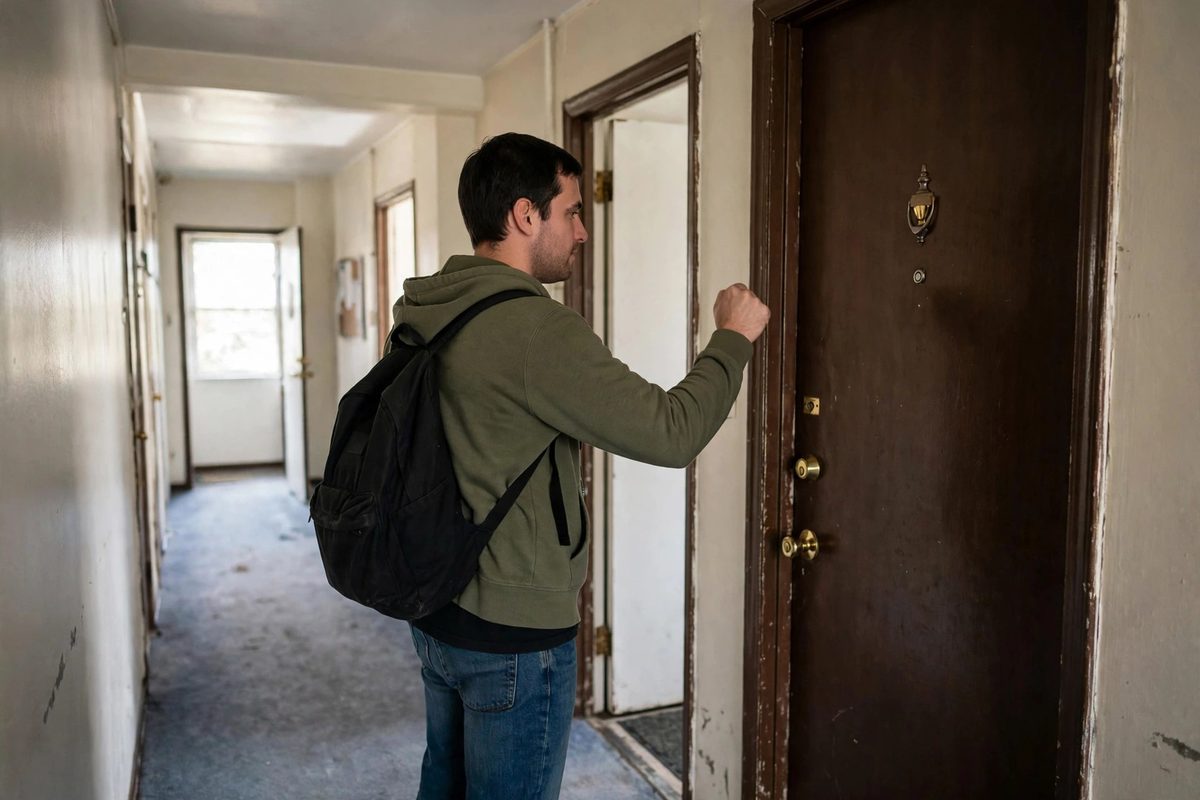
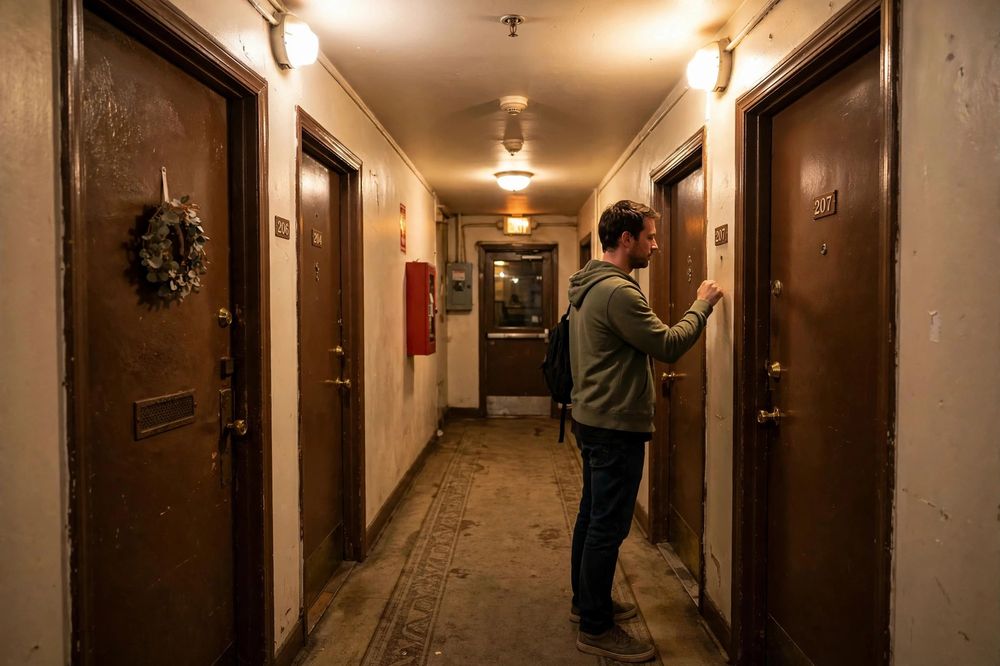
Choose a calm moment, not the middle of the noise event. Knock on the door, introduce yourself if you have not met, and describe the situation in neutral terms. Saying “I can hear bass from your speakers after midnight on weeknights” works better than “You are too loud.” Focus on the specific noise and when it happens, and suggest a practical fix, like turning down the bass or using headphones after a certain hour.
Keep the tone friendly even if you are frustrated. A neighbor who feels attacked will get defensive, while one who feels respected will usually cooperate. If the conversation goes well, exchange phone numbers so future issues can be handled with a quick text instead of another knock on the door.
Step Two: Put It in Writing to Your Landlord
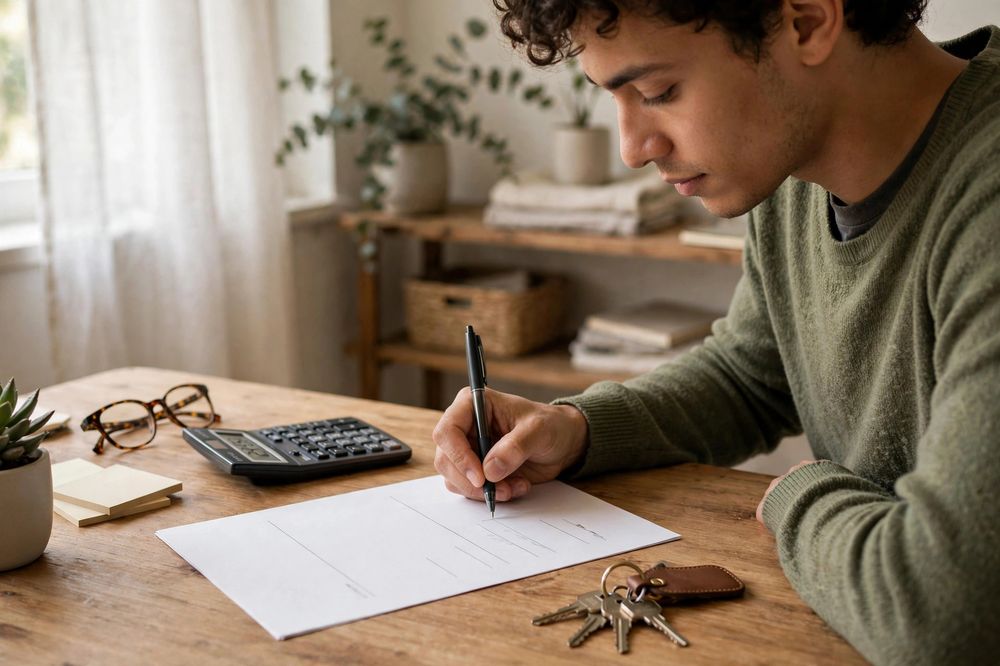
If the friendly approach does not work, or if the neighbor is hostile, escalate to your landlord in writing. Describe the noise, the dates and times it occurs, and what you have already tried. Be specific: “Loud music from unit 4B, typically 11 PM to 2 AM, three to four nights a week for the past month” gives your landlord something to act on.
Your landlord has a legal interest in resolving the problem. Most leases include a clause requiring tenants to respect quiet hours in apartments, and chronic noise violations can be grounds for a lease violation notice. Landlords who ignore repeated complaints risk losing good tenants and facing legal claims from them.
Send your complaint by email or another method that creates a record. Keep copies of everything. If your landlord promises to act, follow up in writing if the noise continues after a reasonable period. A paper trail matters enormously if the situation escalates.
Know Your Rights as a Tenant
Every tenant has a right to the quiet enjoyment of their rental home. This legal concept does not mean silence, but it does mean freedom from unreasonable disturbances. A neighbor who regularly blasts music at 2 AM is violating that right, and your landlord has a duty to address it.
Many cities also have noise ordinances that set decibel limits and quiet hours, often from 10 PM to 7 AM. These ordinances apply regardless of what your lease says, and violations can result in fines for the noisy party. Look up your local noise ordinance so you can cite it specifically in complaints.
If your landlord fails to act on documented, repeated complaints, you may have grounds for stronger remedies. In extreme cases, courts have recognized a claim of constructive eviction, where conditions become so intolerable that the tenant is effectively forced out. This is a last resort with strict requirements, but it exists for situations where landlords completely abandon their responsibilities.
Document Everything
From the first incident, keep a noise log. Record the date, time, duration, type of noise, and how it affected you. Note every action you take: conversations with the neighbor, complaints to the landlord, calls to the non emergency police line. This log becomes powerful evidence if you need to escalate.
Back up your log with recordings when it is legal to do so. Most states allow you to record noise that is audible in your own home, but check your local laws first. Video with a timestamp showing the time and the audible noise is especially compelling. Keep recordings organized by date so you can present a clear pattern rather than a pile of files.
Save all correspondence with your landlord and neighbor. Screenshots of texts, copies of emails, and notes from phone calls all count. If other neighbors are affected, ask whether they will document their experiences too. Multiple complainants are much harder for a landlord to ignore.
Step Three: File a Formal Complaint
When landlord intervention fails, a formal complaint to local authorities is the next step. Most cities let you report noise violations to a non emergency line or an online portal. Provide your documentation: dates, times, the nature of the noise, and the steps you have already taken.
Police response to noise complaints varies. In some cities, officers will visit and warn the noisy tenant, which is often enough. In others, response times are slow and enforcement is light. Even so, every official report creates a record that strengthens your position. Our guide to filing a noise complaint against a neighbor covers the process in detail, including what to expect from local authorities.
For persistent problems, some tenants file complaints with the city’s code enforcement or housing department. These agencies can investigate and pressure landlords who refuse to act. Check what agencies in your area handle tenant complaints before you call.
Protect Yourself From Retaliation
Exercising your rights should not cost you your home, but retaliation happens. A landlord who raises your rent, threatens eviction, or reduces services after you complain about noise may be violating laws against landlord retaliation. Most states prohibit landlords from punishing tenants for asserting their legal rights.
If you suspect retaliation, document the timing carefully. A rent increase or eviction notice that arrives days after your noise complaint looks very different from one that follows a documented lease violation on your part. Keep every piece of evidence, and consider consulting a tenant rights attorney if the retaliation is serious.
Never retaliate against the noisy neighbor yourself. Making counter noise, damaging their property, or confronting them aggressively can turn you from the victim into the problem. Stay calm, stay documented, and let the formal process do its work.
Practical Ways to Reduce Noise Yourself
While you work the formal channels, small changes can make your home more livable. Heavy curtains, bookshelves against shared walls, and thick rugs with padding all absorb sound. A white noise machine or a fan can mask intermittent noise enough to let you sleep.
Earplugs and noise canceling headphones are inexpensive and effective for sleeping and working. If the noise comes from above, a rug and a polite request that the neighbor use furniture pads can help. None of these replace your right to quiet enjoyment, but they can preserve your sanity while the process plays out.
Final Thoughts
Handling noisy neighbors is a sequence, not a single action. Start with a friendly conversation, escalate to your landlord in writing, know your rights, document everything, and use formal complaints when informal ones fail. Each step builds the record that makes the next step work.
Most noise disputes end at step one or two. The renters who get results are the ones who stay calm, stay specific, and stay persistent. You have a right to enjoy your home, and the process exists to protect it.