Nothing tests apartment living quite like noise. One upstairs neighbor with a subwoofer can turn your peaceful evening into a low-budget concert, and a late-night party down the hall can make an early workday feel impossible. Quiet hours exist to keep those conflicts from becoming constant battles.
Quiet hours are the designated times when residents are expected to keep noise to a minimum. They show up in leases, building rules, and city ordinances, and knowing exactly what they cover can save you a lot of frustration. Whether you are dealing with a noisy neighbor or worried about becoming one, here is how quiet hours actually work.
What Quiet Hours Usually Mean in Apartment Buildings
Quiet hours are time windows during which loud activities are restricted. In most apartment buildings they run overnight, often from 10:00 PM to 8:00 AM. During these hours, residents are expected to keep music, television, conversations, and other sounds at a level that does not disturb neighbors.
Quiet hours do not mean total silence. Normal living sounds like footsteps, flushing toilets, or a quiet conversation are generally expected and accepted. The rule targets noise that is unreasonably loud or prolonged, the kind of sound that keeps other people awake or makes it hard to enjoy their own homes.
Where Quiet Hours Come From
Quiet hours can come from several sources at once. Your lease may contain a noise clause, your building may have community rules, and your city may have a noise ordinance that applies to everyone. When these overlap, you are expected to follow whichever standard is strictest.
Lease Clauses and Building Rules
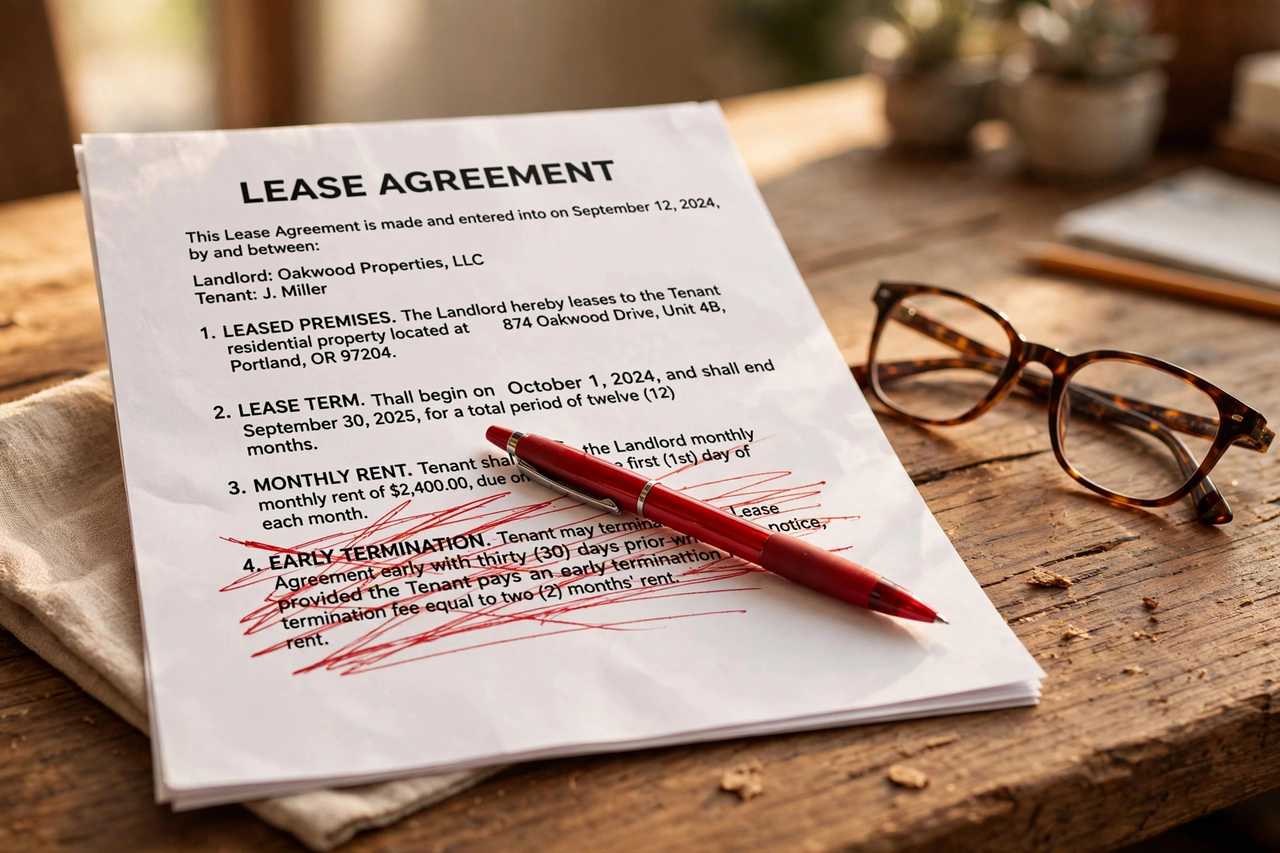
Most leases include a noise or nuisance clause that requires tenants to avoid disturbing other residents. Some leases spell out exact quiet hours, while others simply say that tenants must not create unreasonable noise. Reading your lease carefully is the first step in knowing what rules apply to you. If you want a refresher on what to look for, our guide to reading your lease before signing covers the key clauses in plain language.
Building-specific rules can be even more detailed than the lease. Many apartment communities post their quiet hours in common areas or in a resident handbook. These rules often cover specific sources of noise like musical instruments, construction in units, and party limits. Because you agreed to them when you signed your lease, they carry the same weight as the lease itself.
City and County Noise Ordinances
Local governments set baseline noise standards that apply regardless of what your lease says. Many cities have ordinances that restrict loud noise between 10:00 PM and 7:00 AM, and some measure noise in decibels. These ordinances can be enforced by police or code enforcement, independent of anything your landlord does.
You can usually find your local noise ordinance on your city or county website. Keep in mind that a city ordinance applies to everyone in the jurisdiction, including people who do not rent. If a neighbor is violating a city ordinance, you can report it to local authorities even if your landlord is slow to act.
Typical Quiet Hour Schedules by Building Type
Quiet hour schedules vary by building type and management style. Large professionally managed complexes tend to have formal quiet hours, often 10:00 PM to 8:00 AM on weeknights and 11:00 PM to 9:00 AM on weekends. These schedules are usually printed in the resident handbook and enforced by on-site staff.
Smaller buildings and duplexes may not post official quiet hours at all. In these cases, the general standard is the one set by your lease clause or your local ordinance. Student housing near universities sometimes has stricter rules, including quiet hours during exam periods and limits on guests. If you are unsure about your building, ask your landlord or property manager directly.
What Actually Counts as a Violation
A violation is noise that a reasonable person would find disruptive. Loud music, shouting, parties, and construction noise during quiet hours are the classic examples. Repeated or sustained noise matters more than a single brief incident, so a dropped pan at midnight is not the same as an hour of bass-heavy music.
Context also matters. What counts as unreasonable depends on the time, the building construction, and local standards. Thin walls do not excuse a neighbor, but they do explain why even moderate sounds can travel. The key question is whether the noise substantially interferes with another resident’s ability to sleep, work, or rest in their home.
How Enforcement Usually Works
Enforcement typically follows a graduated process. The first response is usually a reminder or warning, either from the landlord or from another resident. Most people genuinely do not realize how loud they are being, and a polite conversation or a note from management resolves the issue.
Warnings and Written Notices
If the noise continues, landlords often issue a formal written warning or a notice to cure the lease violation. This notice references the specific lease clause or building rule that is being broken. Keep copies of any notices you receive or send, since they become part of the record if the situation escalates.
Fines and Lease Violations
Some leases and community rules allow landlords to fine tenants for repeated noise violations. The fine amounts and procedures should be spelled out in the lease or resident handbook. Repeated violations can also be documented as lease violations, which strengthens a landlord’s position if they later move toward eviction.
When Noise Becomes an Eviction Issue
Persistent noise violations can lead to eviction for lease violations. Landlords generally need to show a pattern of documented complaints and warnings, plus proof that they gave the tenant a chance to fix the behavior. Courts take repeated, well-documented noise complaints seriously, especially when other tenants have also complained.
If you believe your landlord is enforcing noise rules unfairly or selectively, it is worth understanding your protections. Our guide to landlord retaliation explains what counts as retaliation and what to do about it.
Your Rights as a Tenant
Tenants have a right to the quiet enjoyment of their rental home. This does not just mean silence from landlords, it means you are entitled to use your home without substantial interference. When a neighbor’s noise is severe and your landlord does nothing, that right may be violated.
Landlords also have an obligation to address noise problems between tenants. If you report a noisy neighbor and the landlord refuses to act, document your complaints in writing. A pattern of ignored complaints can support a formal dispute, and in extreme cases it can be part of a quiet enjoyment claim. Always keep dated copies of every complaint you file.
What to Do If Your Neighbor Breaks Quiet Hours
Start with a calm, direct conversation if you feel comfortable doing so. Many noise disputes resolve at this stage, because the neighbor did not know the sound was carrying. Introduce yourself, explain the problem, and propose a specific fix, like turning the bass down after 10:00 PM.
If talking does not work, put your complaint in writing to your landlord or property manager. Describe the noise, the times it happens, and how it affects you. Written complaints create a paper trail that verbal reports do not. For a detailed walkthrough of the process, see our guide to handling noise complaints against noisy neighbors.
How to Avoid Becoming the Noisy Neighbor
Simple habits go a long way. Keep televisions and music at moderate volume, use headphones after quiet hours start, and place speakers away from shared walls. If you have hard floors, area rugs can dramatically reduce the sound of footsteps for the neighbor below you.
When you plan something that will be loud, like a party or moving furniture, give your neighbors advance notice. A quick heads-up often prevents complaints entirely. People are far more tolerant of noise they expected than noise that surprises them at midnight.
Final Thoughts
Quiet hours are one of the simplest tools apartment communities have for keeping shared living peaceful. They work best when everyone knows the rules, so take the time to learn your lease clauses, your building policies, and your local ordinance. Most noise problems are solvable with a conversation, but knowing the enforcement process gives you confidence if that first step fails.
If you are dealing with a noise issue right now, document everything and communicate in writing. And if you are the one making the noise, a little awareness goes a long way toward keeping the peace with the people who share your walls.