Your friends are coming over for dinner, and the first question is always the same: where do I park? Guest parking rules in apartment complexes range from generous to strict, and violating them can mean a ticket, a tow, or an awkward call from your neighbor. Knowing the rules before your guests arrive saves everyone a headache.
This guide covers the guest parking rules you will most often encounter, how guest passes and permits work, and what happens when the rules are broken. Share the highlights with your visitors and you will never have to apologize for a towed car again.
Why Complexes Limit Guest Parking
Guest parking limits exist for a practical reason: parking is a finite resource. In complexes where every unit has one assigned spot and the lot is already full, unrestricted guest parking would quickly leave residents circling the block. Limits keep spaces available for the people who actually live there.
These rules also serve as a backdoor enforcement of occupancy limits. A guest who parks overnight every night for weeks starts to look like an unauthorized occupant, which is why guest parking rules and apartment guest policies usually work together. Understanding both keeps you on the right side of your lease.
Typical Guest Parking Rules
While every complex writes its own policy, most guest parking rules cover the same ground. Expect to see provisions on where guests may park, how long they may stay, and how they identify their cars.
Designated Guest Areas Only
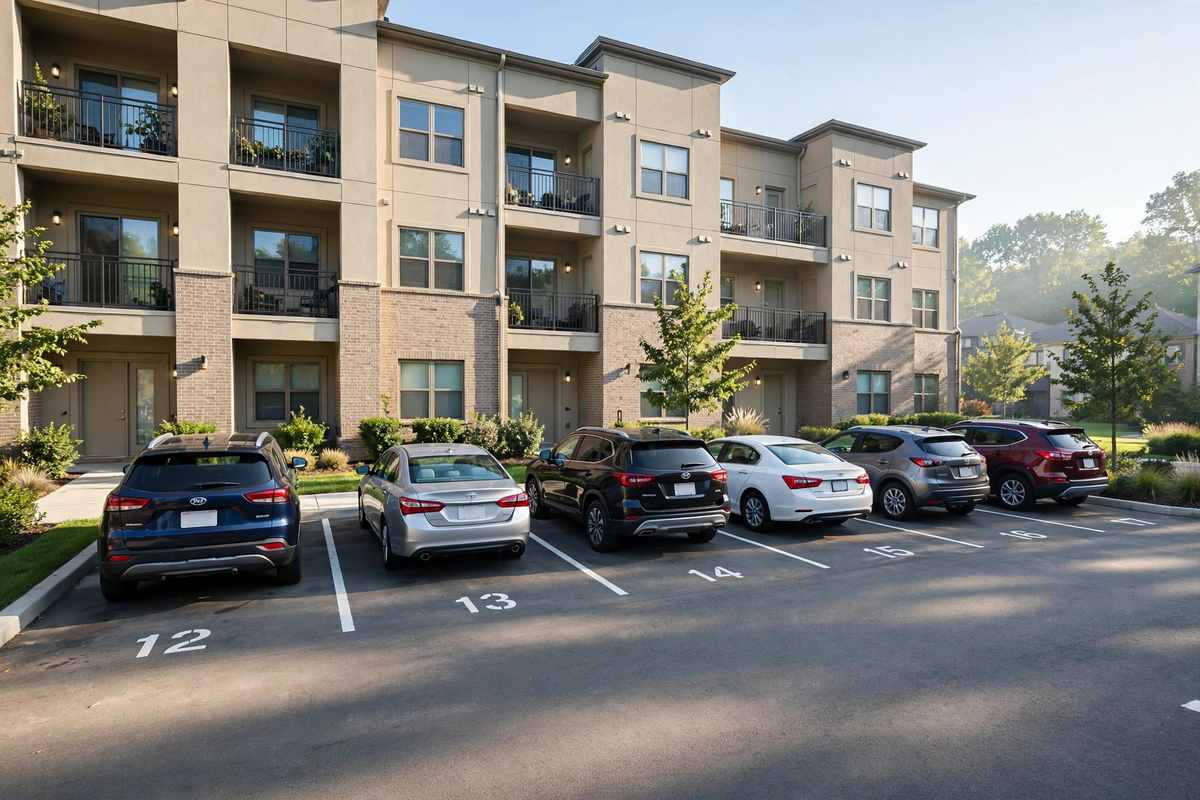
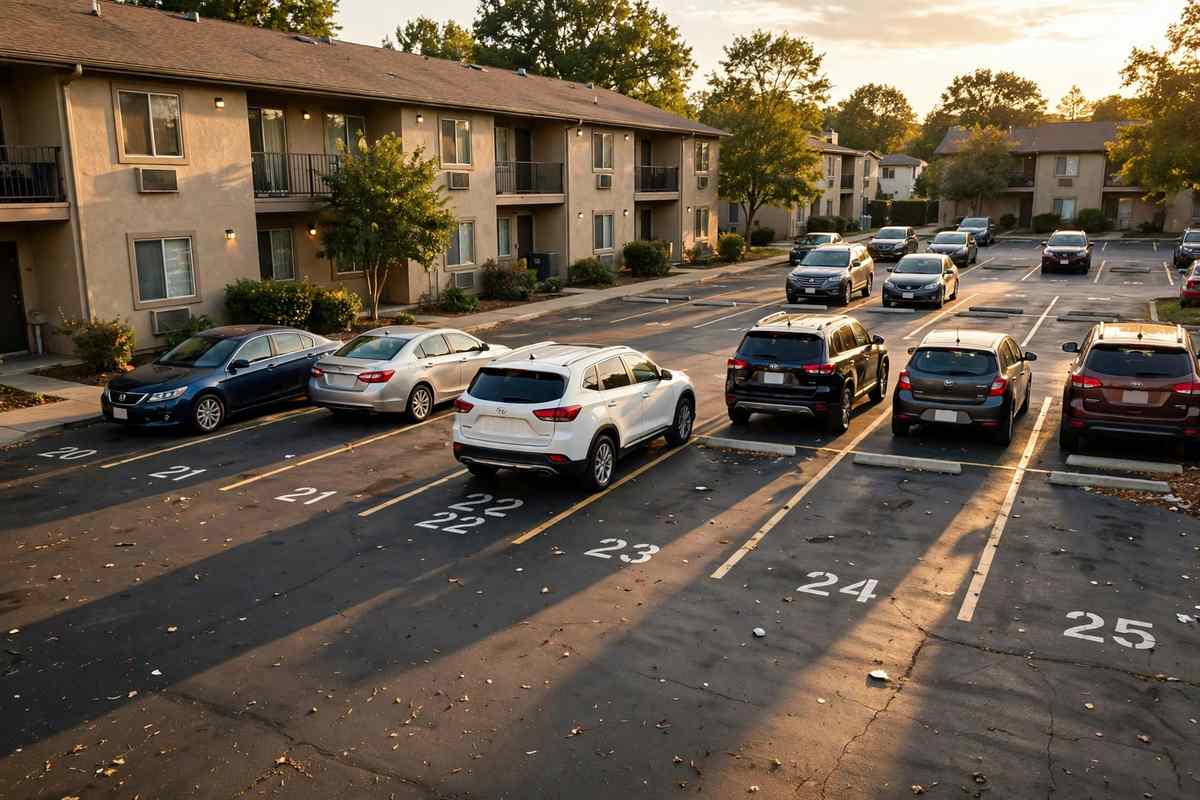
Guests are usually restricted to marked visitor spaces or unassigned overflow areas. They may not park in another resident’s assigned spot, in fire lanes, or in front of dumpsters and hydrants. If your complex has no marked visitor parking, ask management where guests should go before they arrive, not after they get towed.
Time Limits
Many complexes limit guest parking to a set number of hours, such as four or eight, or prohibit overnight guest parking entirely. Others allow overnight stays but cap the number of consecutive nights. These limits are the most commonly violated part of guest parking policy, so read them carefully.
Vehicle Registration
Some buildings require guests to register their vehicles with the management office or display a temporary guest pass on the dashboard. Registration usually requires the guest’s license plate number and the unit they are visiting. Unregistered guest cars are treated as unauthorized vehicles and may be towed.
Guest Passes, Permits, and Registration
Guest passes are the most common way complexes manage visitor parking. The resident typically picks up a temporary hangtag or printed pass from the management office, sometimes with a small deposit, and gives it to the guest to display on the dashboard. Passes are usually dated, so an old pass will not protect a car that overstays.
In larger complexes, guest registration may be handled through an online portal or a phone call to the front desk. Find out how your building’s system works before you need it at ten o’clock on a Friday night. Keep a spare pass or know the after hours procedure so a late arriving guest is not left guessing.
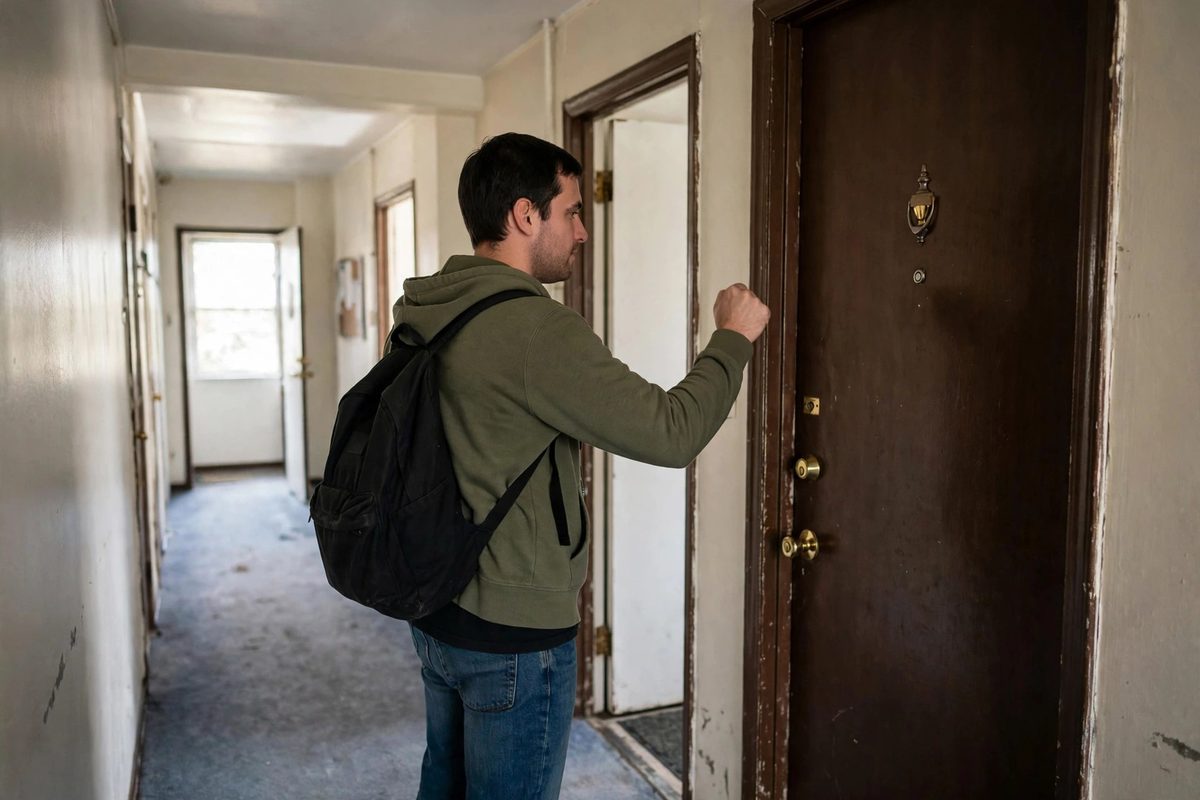
If a guest will be staying for an extended period, ask management about a temporary extended pass. Many offices will issue one for a week or two with a reasonable explanation. This is far better than hoping nobody notices, because when overnight guests start looking like tenants, both the parking violation and the unauthorized occupant issue land on you.
Time Limits and Overnight Restrictions
Overnight guest parking is where most tenants get into trouble. A complex that allows daytime visitors may still tow any car left in guest parking after midnight. Others allow overnight guests but limit them to a certain number of nights per week or per month, such as seven nights in any thirty day period.
Track your guests’ overnight stays if your complex has a monthly cap. It is easy to lose count when a partner stays over regularly, and exceeding the limit can trigger lease violation notices. If a guest’s stay will exceed the allowed time, talk to management in advance. A short conversation beforehand is always better than a tow and a violation letter afterward.
What Happens When Guests Break the Rules
Enforcement usually follows an escalating pattern. A first offense may bring a warning sticker on the windshield. Repeat violations can lead to fines charged to your account, if your lease allows them, and eventually to towing at the vehicle owner’s expense.
Here is the part many tenants miss: you are responsible for your guests’ parking behavior. The lease holds the resident accountable, not the visitor. If your guest’s car is towed, the tow company will require payment before releasing the car, and any fines will appear on your ledger. Make sure your guests understand the rules before they park.
If you believe a tow was improper, for example the signage was missing or the guest was properly registered, document everything. Photograph where the car was parked, keep the guest pass and registration confirmation, and request an itemized receipt from the tow company. You can dispute the charges with management, and in some cases through local consumer protection channels.
Holiday and Event Parking
Holidays and large gatherings test every guest parking system. When ten residents each host family on the same weekend, visitor spaces fill fast and tempers follow. Some complexes temporarily relax the rules or open overflow areas for major holidays, while others enforce limits even more strictly during busy periods.
If you are hosting a larger event, talk to management a week or two in advance. They may allow temporary street parking coordination, issue extra guest passes, or designate an overflow area for the day. Ask nearby neighbors without cars whether you can borrow their guest pass allocation. Planning ahead turns a potential towing disaster into a non issue, and your guests will appreciate clear parking directions in the invitation.
How to Be a Good Guest Parker
A few simple habits keep guest parking drama free. Always park in designated visitor areas, even if an assigned spot nearby looks empty. Display the guest pass clearly on the dashboard where enforcement can see it. Move the car before time limits expire, and never block fire lanes, dumpsters, or other cars.
As a resident host, give your guests clear instructions before they arrive: where to park, where to get the pass, and what time they need to move the car. A quick text with the parking details takes thirty seconds and prevents the most common guest parking problems. If your building’s assigned parking system confuses visitors, point them to our guide on assigned parking in apartments so they understand why resident spots are off limits.
Final Thoughts
Guest parking rules exist to make sure residents can actually use the lot they pay for. Learn where your guests may park, how the pass system works, and what the overnight limits are, then communicate those rules clearly to every visitor.
Most guest parking problems come from guests who simply did not know the rules. A thirty second briefing before they arrive protects their car, your lease standing, and your relationship with your neighbors. When everyone follows the same simple system, guest parking stays the convenience it is meant to be.