When a business needs equipment it plans to keep for a long time, a $1 buyout lease is often the first option on the table. The structure is simple: you lease the equipment for a fixed term, make every payment, and then buy it for one dollar. At that point the equipment is yours, free and clear.
It sounds like a loan with extra steps, and in many ways it is. But the tax treatment, the approval process, and the total cost can differ in ways that matter. This guide explains how $1 buyout leases work, where they beat a straight loan, and the traps to watch for.
How a $1 Buyout Lease Works
A $1 buyout lease, sometimes called a capital lease or finance lease, is built for ownership. The lessor buys the equipment you choose, and you pay fixed monthly installments over 24 to 72 months. When the final payment clears, you exercise the purchase option for one dollar and take title.
Because ownership is the clear intent from day one, accountants treat these leases as purchases. The equipment appears on your balance sheet as an asset, and the lease obligation appears as a liability. That is different from a traditional operating lease, where the lessor keeps ownership and the asset stays off your books.
Approval tends to be straightforward. Lessors like $1 buyout deals because the equipment secures the obligation and the intent to own is clear. Businesses with solid revenue but limited credit history often qualify more easily than they would for a bank loan. For background on the broader category, see how dollar buyout leases work for equipment.
$1 Buyout Versus Fair Market Value Leases
The alternative is a fair market value lease, often called a true lease or operating lease. There, the end of term purchase price is the equipment’s market value at that time, which the lessor determines. Monthly payments are usually lower because you are paying for the equipment’s use, not its full cost.
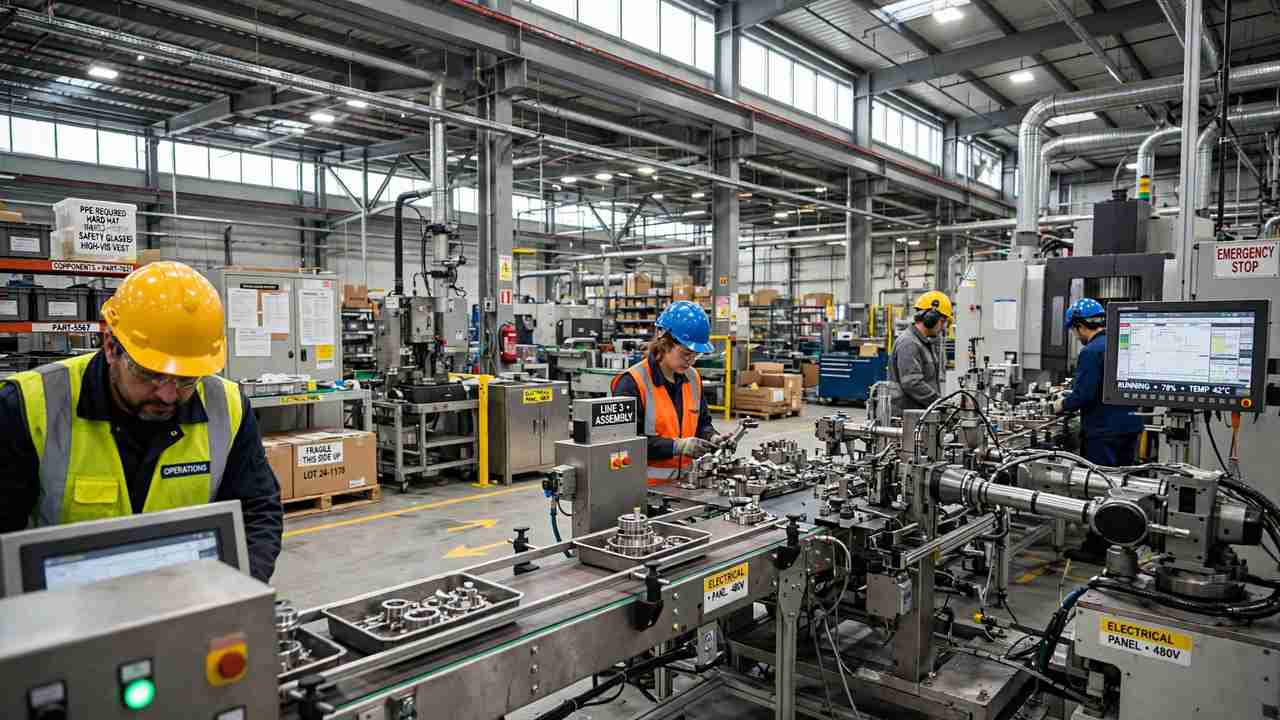
Choose the $1 buyout when you are confident the equipment will stay useful for its full life. Manufacturing machinery, restaurant equipment, and medical devices that you will run until they wear out are classic fits. Choose the fair market value lease when technology changes fast and you will want to upgrade, like computers or phone systems.
The Pros of a $1 Buyout Lease
Ownership is the headline benefit. Every payment builds toward an asset your business keeps, which matters for equipment with a long productive life. Once the term ends, your operating costs drop to maintenance alone.
Tax treatment is the second benefit. Because the lease counts as a purchase, you can typically deduct depreciation and the interest portion of the payments. Section 179 may let you deduct the full equipment cost in the first year, subject to limits and your tax situation. Your accountant should confirm the exact treatment before you sign.
Cash flow is the third. A $1 buyout lease usually requires little or no down payment, so you preserve working capital while still acquiring the equipment. For growing businesses, keeping cash free for inventory and payroll often outweighs the slightly higher total cost versus a bank loan.
The Cons of a $1 Buyout Lease
Total cost is the main drawback. The implied interest rate on a $1 buyout lease often runs higher than a bank loan for the same equipment, sometimes by 2 to 5 percentage points. Over 60 months on 50,000 dollars, that difference adds up to thousands.
You also bear all the obsolescence risk. If better equipment appears in year three, you are still paying for the old machine and you own it at the end. There is no clean return option like an operating lease offers. Make sure the equipment’s useful life truly exceeds the lease term.
Early termination is expensive. Because the lease amortizes the full equipment cost, getting out early usually means paying most or all of the remaining balance. If your business might pivot, downsize, or close a location, a $1 buyout lease is an unforgiving commitment.
What a $1 Buyout Lease Really Costs
Work from the total of payments, not the monthly figure. Multiply the monthly payment by the number of months, add any fees, then add the final dollar. Compare that total against the equipment’s cash price to see the true financing cost.
Ask the lessor for the implied interest rate. They may not volunteer it, but you can calculate it from the equipment price, payment, and term, or ask your accountant to do it. Compare that rate against a bank equipment loan quote. If the lease rate is much higher, ask the lessor to match it or explain the gap.
Fees add up. Documentation fees, interim rent, insurance requirements, and late payment penalties all appear in the fine print. Get the full fee schedule in writing.
Tax Treatment in Plain Terms
With a $1 buyout lease, the IRS generally treats you as the owner for tax purposes. You depreciate the equipment over its tax life and deduct the interest portion of each payment as a business expense. The principal portion is not deductible because you already get the depreciation deduction.
Section 179 expensing can accelerate the benefit, letting you deduct the equipment’s cost in the year you place it in service, within annual limits. Bonus depreciation has applied in various forms over the years. Tax law changes, so have your CPA model the current rules before you decide between a lease and a loan.
Some states tax lease payments differently from loan payments, and a few impose property tax on leased equipment. Ask your accountant about your state’s treatment.
When a $1 Buyout Lease Makes Sense
It fits when the equipment has a long, predictable useful life, your business is stable, and you want to preserve cash. It also fits when the tax benefits of ownership are valuable to you and a bank loan is unavailable or slow. Many small businesses choose it for exactly this combination of reasons.
It does not fit when technology moves fast, when you might not need the equipment for the full term, or when a bank offers a much lower rate. In those cases, an operating lease or a loan serves you better. Be honest about how long you will really use the equipment.
If you are unsure, compare all three paths on paper using the same equipment price and term, including all fees, and look at total cost and monthly cash flow side by side.
Negotiating Tips
Negotiate the equipment price before discussing the lease. Get a cash quote from the vendor, then make the lessor use it.
Negotiate the rate and the fees separately. Ask what the implied rate is, then ask for it to be lowered. Ask for documentation fees to be waived or capped. Everything in an equipment lease is negotiable, including the purchase option language. If you want to sharpen your approach, review tips for negotiating your lease buyout price before the conversation.
Get competing quotes. Two or three lessors bidding on the same equipment price will quickly reveal who has the best rate. Tell each one you are comparing offers. Competition is the fastest way to improve terms.
Alternatives Worth Considering
A bank equipment loan is the closest alternative and often the cheapest. If your business qualifies, compare the loan’s total cost against the lease. The paperwork takes longer, but the rate is usually lower.
A fair market value lease works better for equipment you will replace. Lower payments, a clean return at the end, and no obsolescence risk make it the right tool for fast moving technology.
An equipment lease extension or renewal can also bridge a gap. If your current lease is ending and you need the equipment a while longer, extending may beat signing a brand new $1 buyout deal.
Common Pitfalls
Skipping the total cost calculation is the biggest mistake. Monthly payment shopping without multiplying by the term hides the real price. Always compute the all in total before you compare options.
Another pitfall is the automatic renewal clause. Some $1 buyout leases convert to month to month payments at the original rate if you do not send written notice before the end of term. You could pay thousands extra for equipment you already effectively own. Mark the notice deadline on your calendar the day you sign.
Finally, do not sign a personal guarantee without understanding it. Many small business equipment leases require one. Know exactly what you are pledging and whether a corporate only signature is possible with a larger security deposit instead.
Getting Started
Get a firm equipment quote, decide on your term, and solicit lease proposals from two or three lessors. Ask each for the implied rate, the full fee schedule, and the exact purchase option language.
Have your accountant review the tax treatment and your attorney glance at the guarantee clause before you sign.