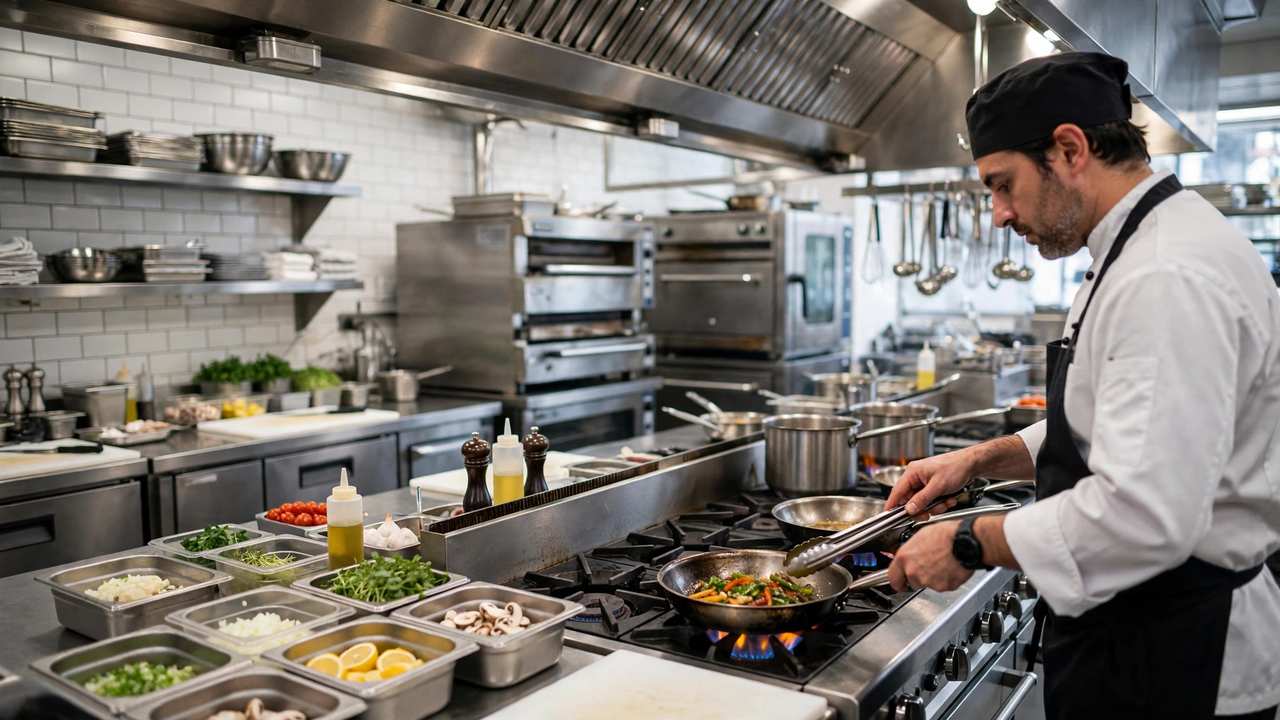
Opening a restaurant ties up more money in equipment than almost any other small business. A commercial range, a walk in cooler, a dish machine, an ice maker, and the smallwares that fill a working kitchen can easily total 75,000 to 150,000 dollars for a modest dining room, and double that for a full service operation with a bar. Very few operators want that much capital locked into steel boxes that depreciate from the day they are installed.
Equipment leasing is the alternative most restaurant owners eventually consider, and opinions about it are sharply divided. Some operators swear by it and lease every major piece in the building. Others avoid it entirely and buy used equipment for cash. Both camps have good reasons. This article lays out the real pros and cons so you can decide which side fits your situation.
How Restaurant Equipment Leasing Works
The basic idea is simple. A finance company buys the equipment you need, you pay them a fixed amount each month for a set term, and at the end you either own the equipment, return it, or keep paying at a reduced rate, depending on the contract. The equipment lives in your kitchen the whole time and you use it exactly as if you owned it.
Terms typically run 36 to 60 months for restaurant equipment, though high value items like combi ovens and walk in refrigeration sometimes qualify for longer schedules. Payments are fixed, which makes budgeting straightforward, and most leases let you add equipment later under the same master agreement.
Leasing is not the same as renting. Rental agreements are usually short term and include maintenance, while equipment leases are multi year commitments where you handle repairs. It is also not the same as a bank loan. Loans give you ownership from day one with the equipment as collateral. Many leases only transfer ownership at the end, and the tax treatment can differ in ways worth discussing with an accountant before you choose. Owners comparing financing structures should read our guide to lease versus buy tax write offs for the general framework.
The Case for Leasing: Real Advantages
Preserving Cash for the Hard First Year
The strongest argument for leasing is cash flow. Restaurants fail most often in the first 18 months, and the cause is usually running out of money, not bad food. Every dollar not spent on a fryer is a dollar available for payroll during a slow month, a marketing push, or the emergency repair that always arrives at the worst moment. Leasing converts a six figure equipment bill into a manageable monthly line item.
This matters even for well funded openings. Investors and partners judge how efficiently you deploy capital. Showing that you equipped the kitchen for 2,500 dollars a month instead of spending 120,000 dollars upfront leaves the balance sheet healthier and the business more flexible if the concept needs to pivot.
Faster Upgrades as the Menu Evolves
Menus change. A restaurant that opens as a sandwich shop may add dinner service, and dinner service may need a charbroiler the original kitchen never had. Leased equipment is easier to swap or supplement because the lessor has a built in process for adding items to your agreement. Owned equipment has to be sold, usually at a steep loss, before new equipment can take its place.
Technology upgrades follow the same logic. Point of sale terminals, kitchen display systems, and digital menu boards go obsolete in three to four years. Leasing them on matching 36 month terms means you refresh the technology exactly when it ages out.
Tax Treatment Can Favor Leasing
Lease payments are generally deductible as a business operating expense, which reduces taxable income in a simple and predictable way. Purchased equipment, by contrast, is usually depreciated over several years under IRS rules, and while Section 179 allows many businesses to deduct the full purchase price in year one, that requires having enough profit to absorb the deduction. A new restaurant running at a loss gets little immediate benefit from Section 179 but gets the full benefit of deducting lease payments against whatever revenue exists.
The details depend on the lease structure and your tax situation, and this is not tax advice. But the general pattern holds. Leasing smooths the tax benefit across the years you actually pay for the equipment, which suits businesses with uneven early earnings. For more on how businesses handle leased asset deductions, see our overview of tax deductions for leased business assets.
No Disposal Headaches
Anyone who has tried to sell a used commercial dishwasher knows the market is brutal. Used restaurant equipment sells for a fraction of its purchase price, and removing heavy equipment from a leased space can damage premises you must restore. A true lease with a return option hands that problem to the lessor.
The Case Against Leasing: Honest Drawbacks
You Pay More Over Time
This is the unavoidable math. A lease bundles the equipment cost, the finance charge, and the lessor’s profit into your payments, so the total you pay over five years exceeds the purchase price. On a 60 month dollar buyout lease the premium often runs 15 to 30 percent over cash purchase. On a true lease with a fair market value buyout, the premium can be higher still.
If the business is stable, the equipment lasts, and you have the cash, buying wins on pure cost. A range that serves for twelve years costs far less when purchased once than when leased twice. The premium you pay for leasing is the price of flexibility and preserved cash.
You May Not Own Anything at the End
True leases and fair market value leases end with a choice, not with ownership. After five years of payments you can face a buyout price of several thousand dollars for equipment you have already paid for many times over in spirit. Operators who assumed they were building equity are often surprised and frustrated at this stage.
The fix is choosing the right structure up front. If you intend to keep the equipment long term, a dollar buyout or fixed purchase option lease guarantees ownership at the end. Never sign a fair market value lease while assuming you will own the equipment. Read the end of term language as carefully as the payment amount. Our breakdown of dollar buyout equipment leases explains how ownership transfer structures differ.
Personal Guarantees Put Your Assets at Risk
Almost every equipment lease for a new restaurant requires a personal guarantee from the owner. If the restaurant fails and the lease is not paid, the lessor can pursue your personal assets. This surprises operators who formed an LLC specifically to limit personal liability. The LLC protects you from many things, but a signed personal guarantee is a hole punched straight through that protection.
Established multi unit operators can sometimes negotiate leases without personal guarantees, but first time owners should assume the guarantee is required. Understand that signing an equipment lease is personally committing to several years of payments, and size that commitment accordingly.
Maintenance Is Still Your Problem
Leasing does not include repairs unless you pay extra for a maintenance package. When the walk in compressor fails on a Friday night, you pay for the emergency service call and the spoiled inventory, exactly as if you owned the unit. Some operators assume the lessor shares this burden. They do not. Budget for a maintenance reserve from day one, leased or not.
What Lenders Evaluate in Restaurant Deals
Credit score sets the starting point, with 680 and above unlocking the best terms and lower scores still workable at higher rates. But restaurant lenders weigh two industry specific factors heavily. The first is the operator’s experience. A chef with ten years running kitchens gets more trust than a first timer with a business plan, and that trust shows up in the down payment and the rate.
The second is the lease on the space itself. Lenders want to see that your restaurant lease runs at least as long as the equipment lease, because equipment stranded in a space you lose is their worst outcome. Landlords and operators negotiating space terms can find guidance in our article on franchise lease requirements, which covers many of the same space lease issues chain operators face.
Making the Decision for Your Restaurant
Leasing makes the most sense when cash is scarce, the concept is unproven, the equipment is expensive or fast changing, and you value flexibility over lowest total cost. Buying makes the most sense when cash is available and the equipment is simple and long lived.
Many successful operators do both. They lease the big ticket and fast changing items, the combi oven, the POS system, the walk in, and they buy the simple durable stuff outright, like shelving, smallwares, and prep tables. Get quotes from at least three lessors, read the end of term terms twice, and never sign a personal guarantee you could not survive.