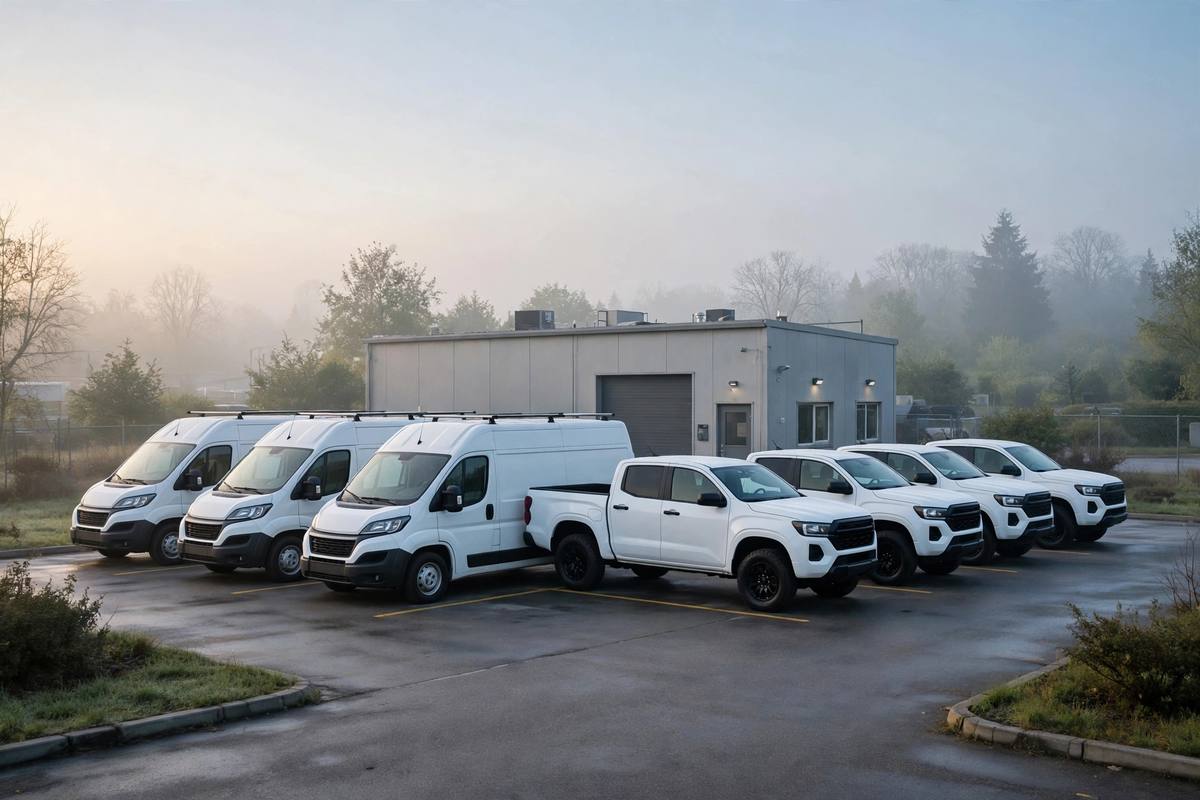
Delivery vans, service trucks, and sales cars are going electric, and fleets are leading the change. Electric vehicles cut fuel costs, need less maintenance, and help companies meet sustainability goals. For businesses that run ten or a hundred vehicles, those savings scale fast.
Leasing is how most fleets acquire vehicles, and electric models fit the model well. This guide explains how electric fleet leasing works, what charging really costs, how battery questions are handled, and which contract terms to negotiate.
Why Fleets Lease Instead of Buying
Fleet vehicles turn over on a schedule. Leasing matches the vehicle cycle to the contract term, so a business always runs current models without the hassle of selling used vehicles. Monthly payments are predictable, and maintenance packages can be bundled in.
Electric vehicles strengthen the case. Battery and drivetrain technology is still improving quickly, which makes resale values uncertain. A lease transfers that residual value risk to the lessor. When the term ends, you hand back the keys and step into newer models with better range. For an overview of how fleet programs are structured, see fleet leasing for small businesses explained.
How Electric Fleet Leasing Works
The structure mirrors traditional fleet leasing. You choose the vehicles, the lessor buys them, and you pay a monthly amount covering depreciation, interest, and any bundled services for 24 to 60 months. Mileage allowances are set per vehicle per year, and excess mileage carries a per mile charge.
Two models dominate. Full service fleet leasing bundles maintenance, tires, registration, and sometimes insurance into one payment, and the fleet management company handles the administration. Standalone leasing covers just the vehicle, and your team manages everything else. Electric fleets often favor full service because charging infrastructure and battery monitoring add complexity.
Some lessors now bundle charging hardware into the lease. Depot chargers, installation, and even electricity management software can sit inside the monthly payment. That simplifies budgeting but makes comparison shopping harder, so ask for the vehicle and infrastructure costs separately.
The Charging Question
Charging is the biggest operational change. Depot charging overnight at commercial electricity rates is the cheapest option, often cutting fuel costs by half or more versus gasoline. Public fast charging costs more and should be the exception, not the plan.
Budgeting for electricity takes care. Demand charges, time of use rates, and the cost of upgrading electrical service can surprise fleet managers. Read how to budget charging costs for an EV lease before you sign, and have your utility run a load analysis on your depot before you commit to vehicle counts.
Route planning matters too. Electric vans with 150 to 250 miles of range handle most urban delivery routes easily, but longer rural routes need a closer look. Telematics data from your current fleet tells you exactly which routes fit and which do not. Do not guess.
Battery Life and Residual Value
Battery degradation is the question every fleet manager asks. Modern lithium batteries typically lose 1 to 3 percent of capacity per year, and most manufacturers warranty the battery for 8 years or 100,000 miles. For a 3 to 5 year lease, degradation is rarely a practical problem, but it does affect the vehicle’s value at lease end.
That uncertainty is exactly why leasing makes sense. The lessor sets the residual value and takes the risk that the used EV market moves against them. Your job is to make sure the contract handles battery health fairly. Review common EV battery concerns when leasing electric cars so you know what to check in the warranty and return conditions.
Ask whether the lease includes a battery health threshold at return. Some contracts penalize excessive degradation, while others accept normal wear. Get the definition of normal in writing, tied to a measurable state of health percentage.
Tax Credits and Incentives
Federal tax credits for electric vehicles can significantly reduce the cost of an electric fleet. The commercial clean vehicle credit works differently from the consumer credit, and leased vehicles have their own rules about who claims what. Review how the $7,500 EV tax credit works with leasing and confirm the current rules with your tax advisor, because the details change.
The key point for fleets: the lessor usually claims the credit and passes the value through as a lower capitalized cost, which reduces your monthly payment. Make sure the lease quote shows this explicitly. If the lessor keeps the credit without passing it through, you are leaving money on the table.
State and local incentives stack on top. Rebates for commercial EVs, charging infrastructure grants, and reduced electricity rates vary widely by location. A fleet consultant or your utility’s commercial program can identify what your business qualifies for.
Typical Costs
Monthly payments for electric work vans generally run 500 to 1,200 dollars per vehicle depending on the model, term, mileage allowance, and bundled services. That is often higher than the equivalent gas van payment, but fuel and maintenance savings narrow the gap substantially.
Total cost of ownership is the right comparison. Electricity at commercial rates, fewer brake jobs thanks to regenerative braking, no oil changes, and simpler drivetrains typically save hundreds of dollars per vehicle per month. Run the math over the full lease term using your actual fuel and maintenance records.
Charging infrastructure is the hidden line item. Depot chargers run 2,000 to 10,000 dollars per port installed, plus any electrical service upgrade. Some businesses amortize this over the first lease term, others treat it as a facility investment that outlasts any single vehicle cycle.
Contract Terms to Negotiate
Mileage allowances need to match reality. Electric fleet contracts use the same per mile overage structure as gas vehicles, but range limits make it harder to shift miles between vehicles. Set allowances per vehicle based on its actual route, not a fleet average.
Maintenance responsibility should be explicit. Electric vehicles need less maintenance, but tires, cabin filters, and software updates still matter. If the lessor handles maintenance, confirm that their network includes EV trained technicians in your area.
Home charging policies matter for take home vehicles. If drivers charge at home, the contract or your company policy should cover reimbursement rates and who pays for the home charger installation. Without a policy, you will get inconsistent bills and unhappy drivers.
Common Pitfalls
Underestimating charging lead times is the most common mistake. Electrical upgrades, permits, and charger installation can take 3 to 6 months. Order infrastructure work before the vehicles arrive, or your new electric fleet will sit parked.
Another pitfall is signing for more battery range than the routes need and paying for capacity that never gets used. Bigger batteries cost more every month. Size the vehicle to the route, not to the worst case day that happens twice a year.
Finally, do not skip driver training. Regenerative braking, charging etiquette, and range management are new skills. A short training program prevents roadside surprises and protects battery health over the term.
Getting Started
Start with your data. Pull 12 months of fuel, maintenance, and mileage records per vehicle, then map which routes fit current electric range. That analysis tells you how many vehicles to convert and which models fit.
Get quotes from at least two fleet lessors with EV experience, and ask each to show the total cost of ownership against your current gas fleet. With the right vehicles and charging plan, an electric fleet lease cuts operating costs while keeping your monthly payments predictable.