Waiver of Subrogation: What It Means for Tenants
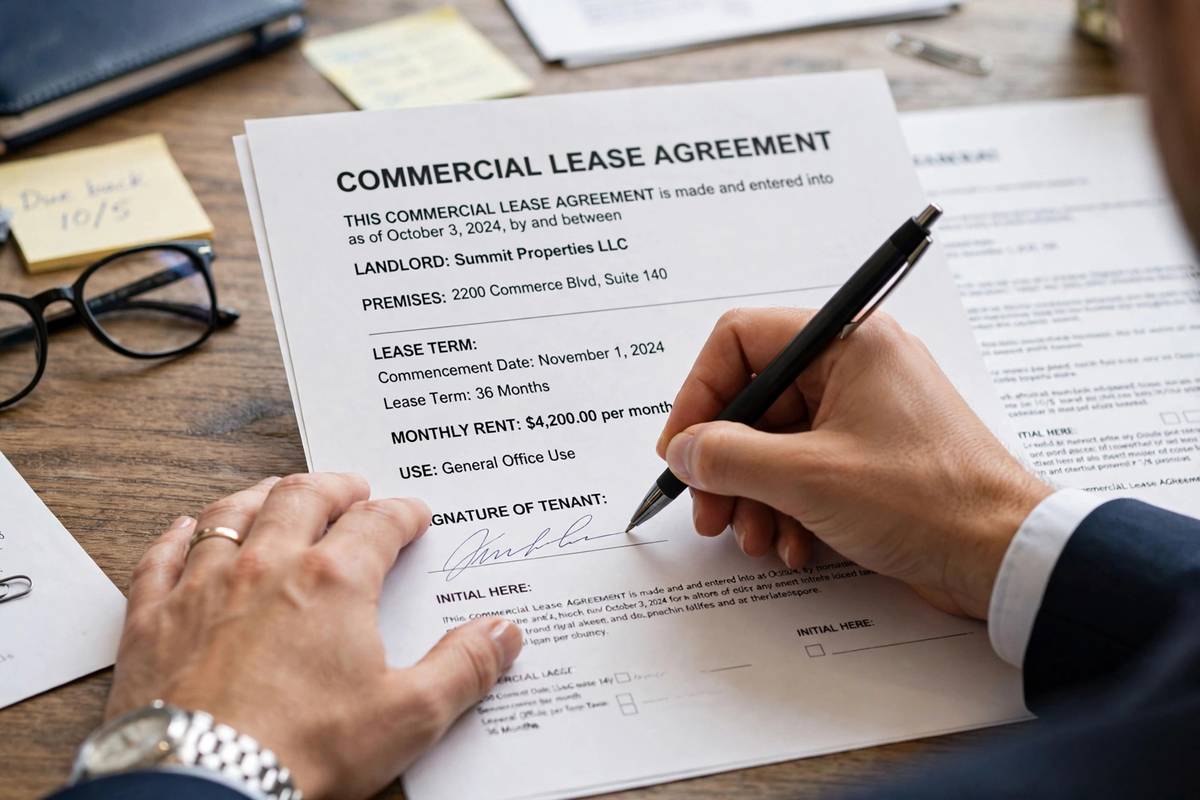
Tenant reviewing insurance policy paperwork to understand a waiver of subrogation clause in a lease

A waiver of subrogation is one of those lease clauses that looks like harmless legal boilerplate until a claim actually happens. It sits quietly in the insurance section of a commercial lease, often only a sentence or two long, and most tenants sign it without a second thought. That quiet clause, however, decides whether an … Read more

Insurance Requirements in Commercial Leases

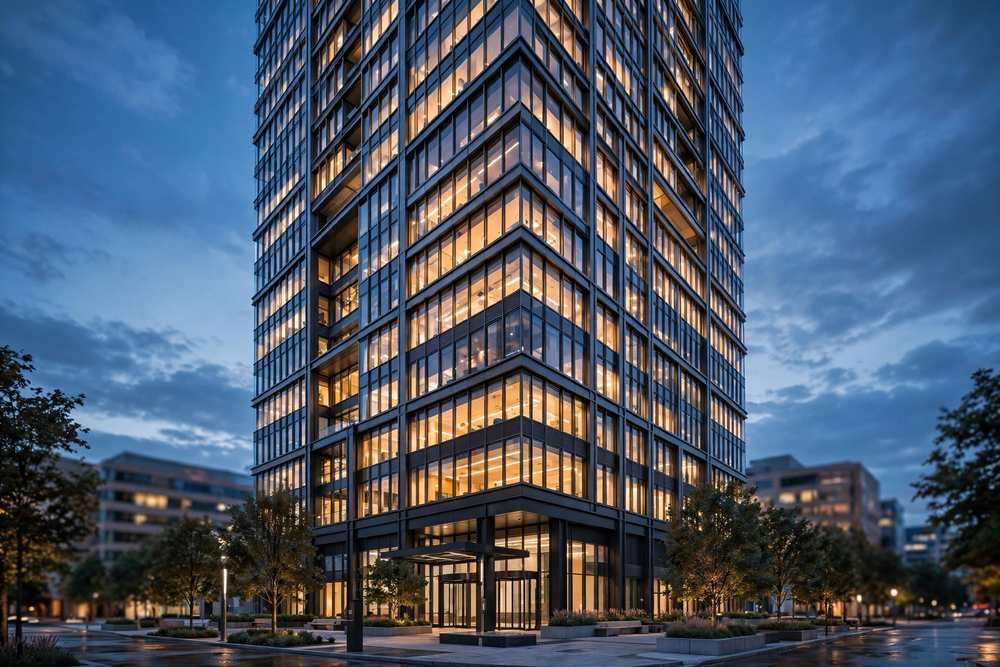
Photograph of a modern commercial office tower exterior at dusk with lights on in the windows

Insurance is a standard feature of every commercial lease, but the insurance section is often treated as boilerplate. Tenants skim it, landlords recycle it from prior deals, and nobody thinks about it again until a loss occurs. That is a mistake, because insurance requirements determine who pays when the building burns, a customer is injured, … Read more

Hazardous Materials Clauses Every Tenant Must Read

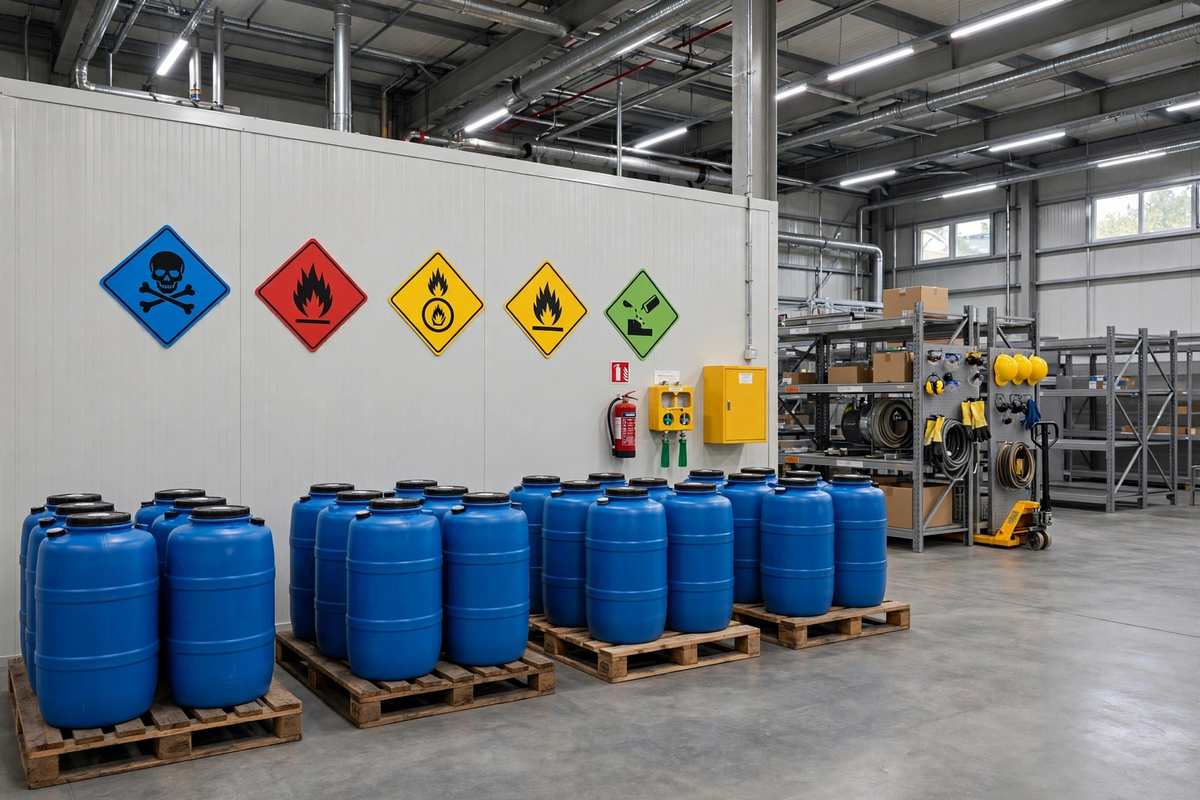
Photograph of labeled chemical storage drums on pallets inside a clean industrial warehouse

Hazardous materials clauses are among the most consequential provisions in a commercial lease, and they are also among the least read. Buried in the lease’s boilerplate, these clauses determine who is responsible when chemicals spill, who pays for the cleanup, and what happens to the tenancy if regulators get involved. Every commercial tenant should read … Read more

Phase I Environmental Reports: Tenant Guide

Photograph of an environmental consultant reviewing historical aerial photographs and site maps at a desk

A Phase I Environmental Site Assessment is the standard first step in evaluating contamination risk before leasing or buying commercial property. It is a structured investigation into a property’s environmental history, designed to identify recognized environmental conditions that could create liability for the next occupant. For commercial tenants, the Phase I serves two purposes. It … Read more

Environmental Liability in Commercial Leases

Photograph of an environmental scientist in a hard hat taking a soil sample at an industrial site

Environmental liability is one of the highest-stakes issues in commercial leasing. Contamination discovered on a leased property can trigger cleanup costs running into the millions, and federal law can hold tenants responsible even when they did not cause the pollution. For any tenant considering industrial, warehouse, or previously developed property, environmental liability deserves serious attention. … Read more

ADA Compliance: Whose Responsibility in a Lease?

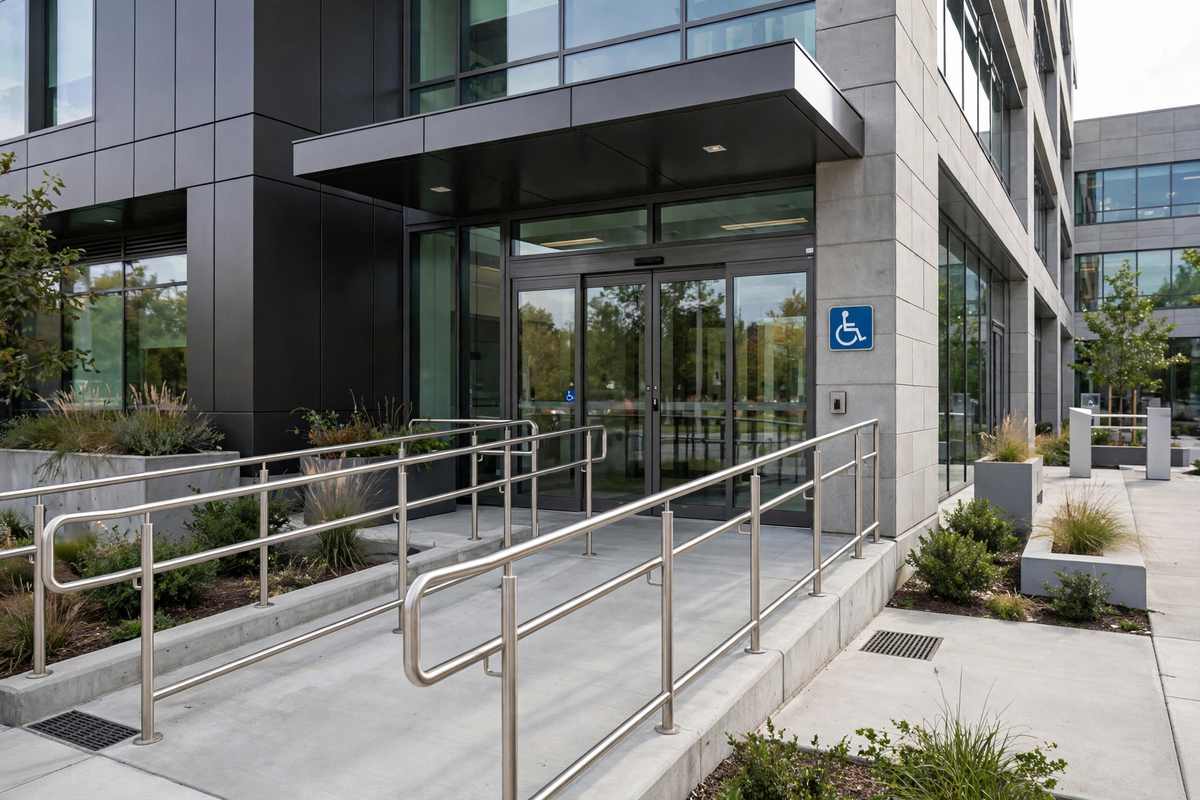
Photograph of an accessible office building entrance with wheelchair ramp, handrails, and accessibility signage

The Americans with Disabilities Act sets national standards for accessibility in places of public accommodation and commercial facilities. For commercial tenants and landlords, the ADA raises a practical question that every lease should answer: when a property needs an accessibility upgrade, who pays for it? The answer is rarely simple. Responsibility can fall on the … Read more

After-Hours HVAC Charges: Who Pays and How Much

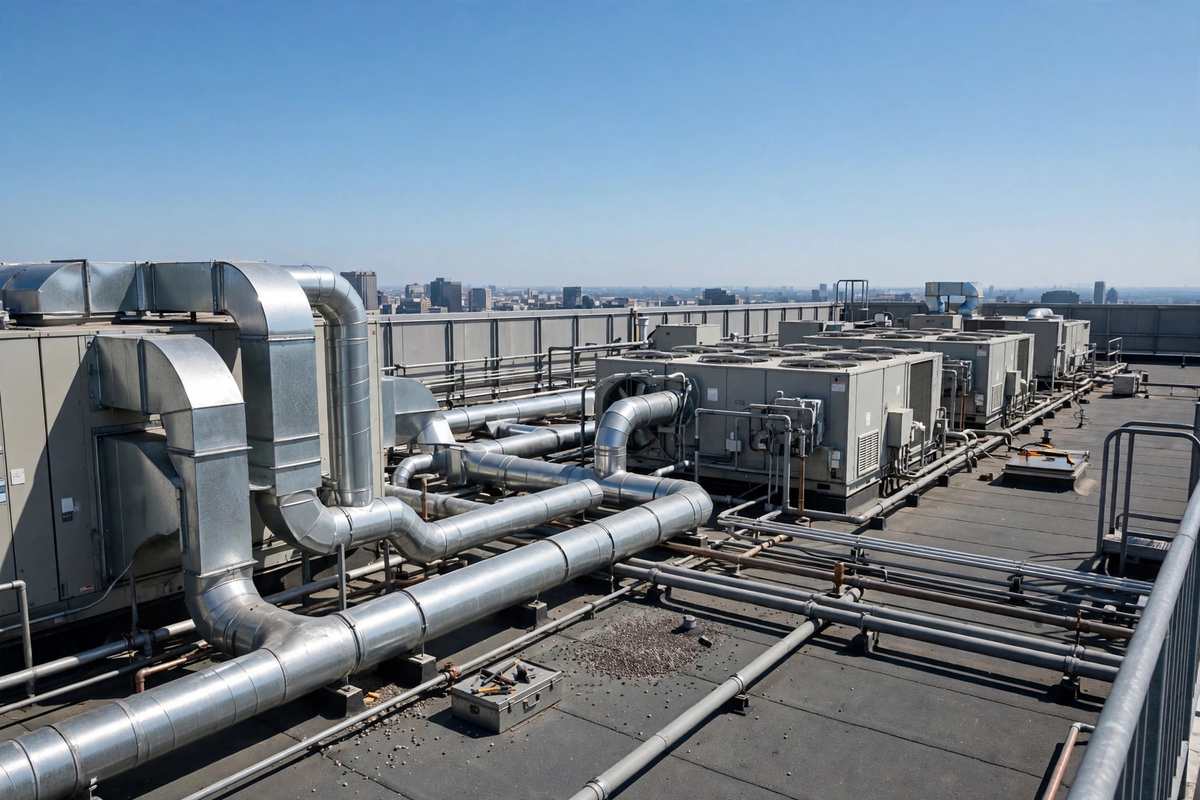
Photograph of large industrial HVAC units and ductwork on the rooftop of a commercial office building

Most commercial leases include heating and cooling during standard business hours as part of the base building services. But businesses rarely operate strictly within those hours. Evening meetings, weekend projects, and late-night deadlines all create a demand for climate control outside the normal schedule, and that demand comes with a price tag. After-hours HVAC charges … Read more

Parking Ratios: What Tenants Should Expect

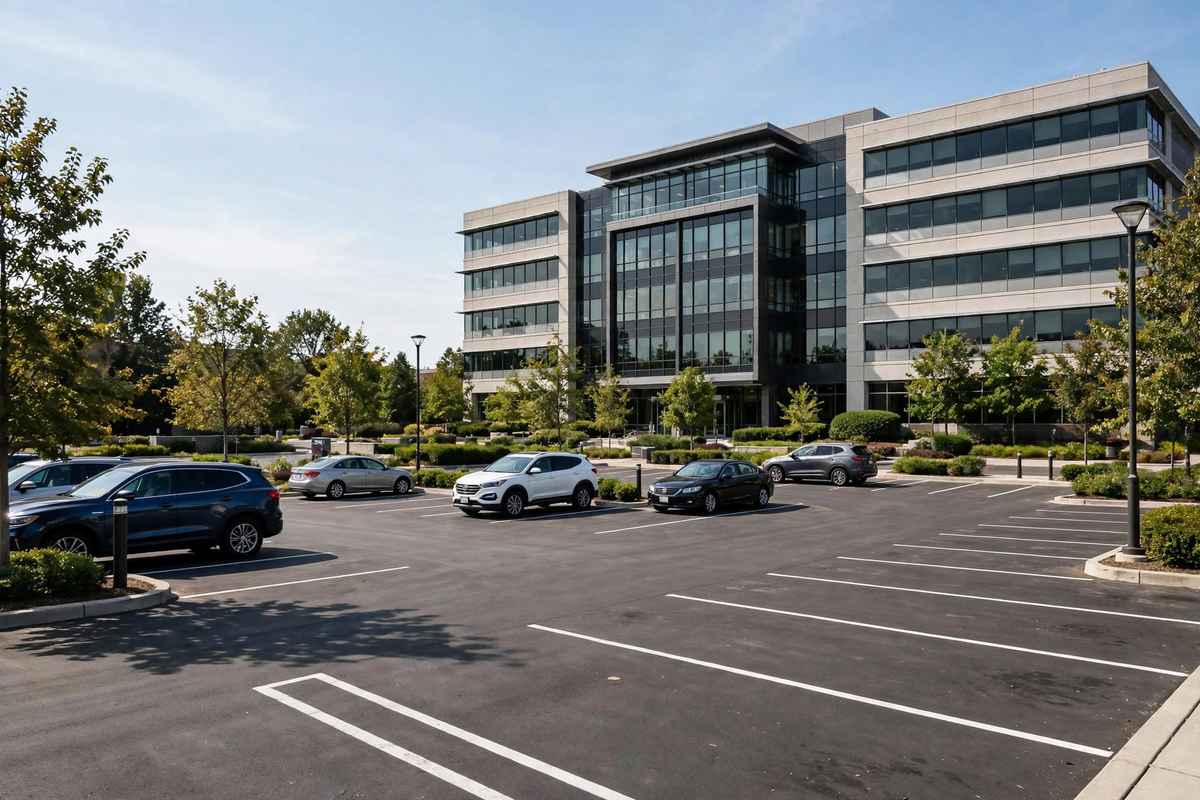
Photograph of an office building parking lot with neatly marked parking spaces and parked cars

Parking can make or break a commercial location. Employees need reliable spaces every morning, customers need convenient access throughout the day, and delivery vehicles need room to maneuver. When parking falls short, a great space can become a daily frustration for everyone who uses it. Parking ratios are the standard way landlords and tenants measure … Read more

Signage Rights in Commercial Leases Explained

Photograph of a modern retail storefront with large channel letter signage mounted above the entrance

For many commercial tenants, the sign on the building matters almost as much as the space inside it. A visible, well-placed sign can drive foot traffic, build brand recognition, and give a business a permanent sense of presence in a competitive market. That is why signage rights deserve careful attention long before a lease is … Read more

Work Letters: Negotiating Tenant Improvements

Blueprints spread on a table with a hard hat at a commercial buildout site

The work letter is one of the most negotiated exhibits in a commercial lease. It is the document that governs how the tenant’s space gets built out: who designs it, who builds it, who pays for it, and what happens when things go wrong. For tenants investing significant money in improvements, the work letter is … Read more