Landlord Recapture Rights in Subleases Explained

Modern commercial office building exterior representing landlord recapture rights

A recapture right is one of the most powerful tools a commercial landlord holds. It allows the landlord to take back leased space when the tenant asks for permission to sublease or assign the lease. Instead of approving the transfer, the landlord can terminate the lease for that space and rent it directly to the … Read more


Sublease Profit Sharing: How Recapture Rights Work

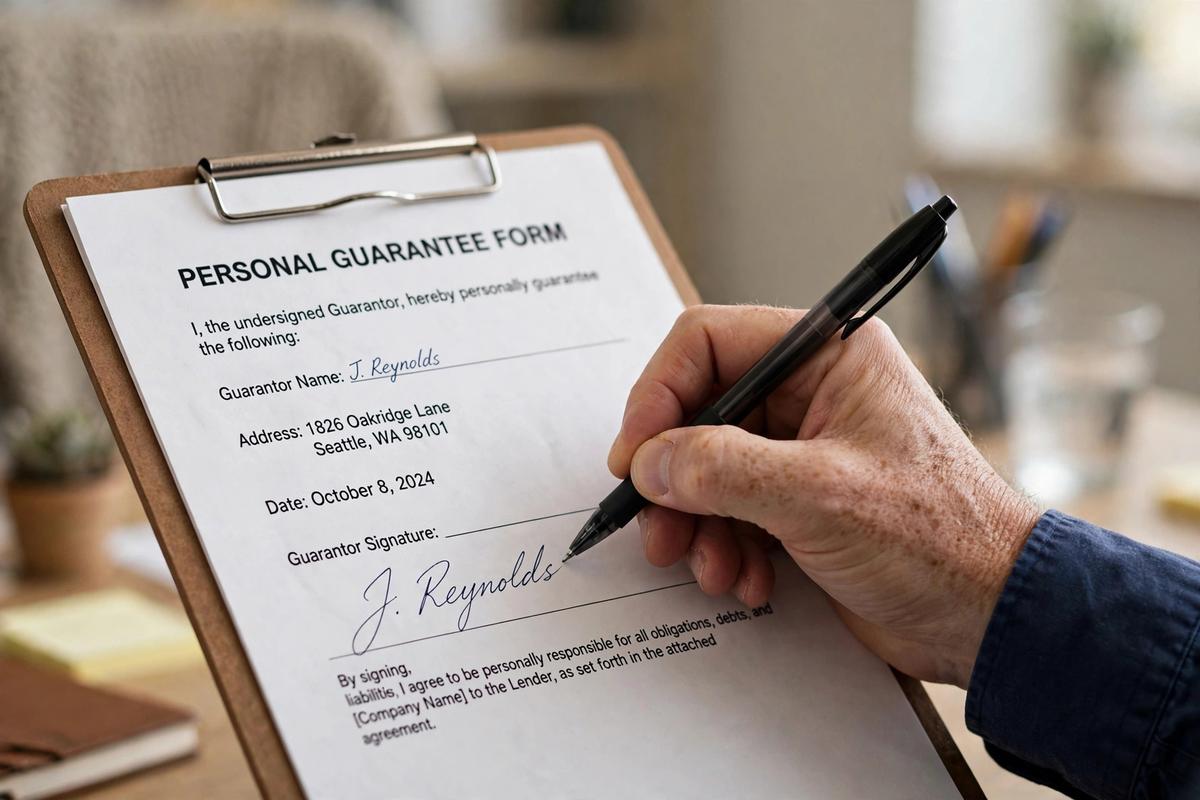
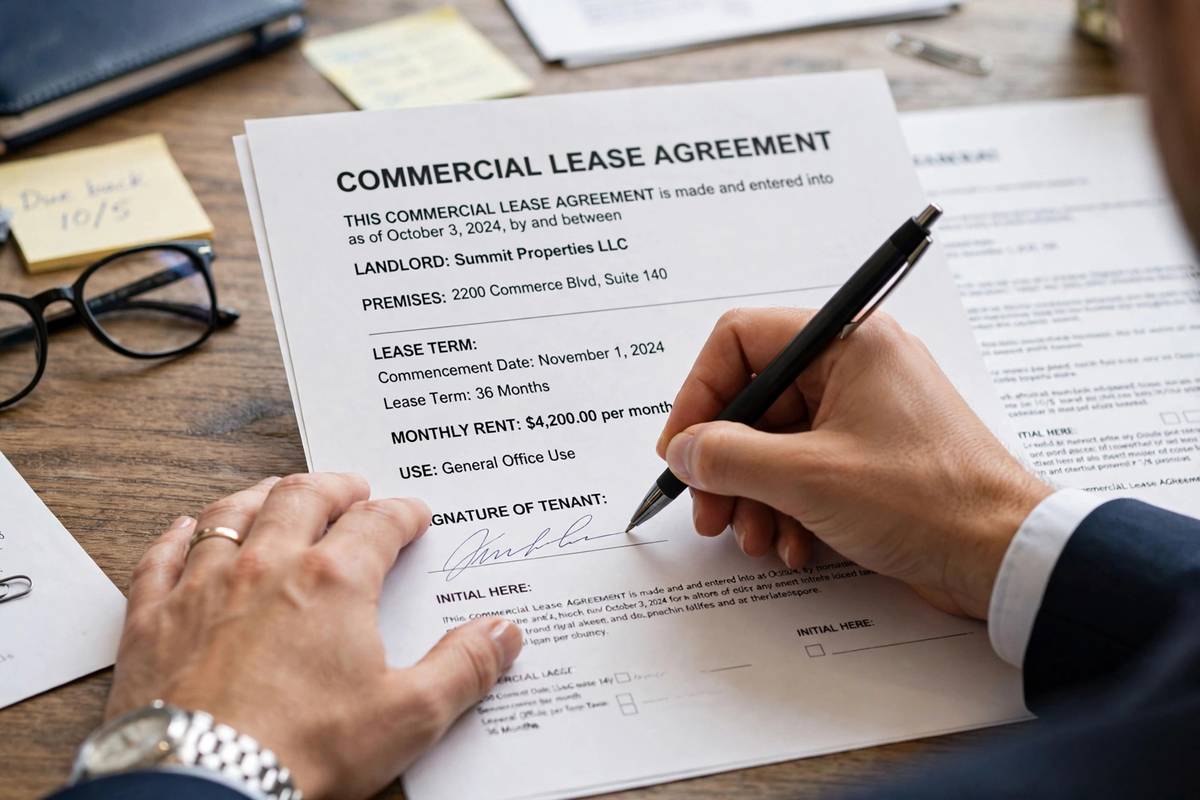
Tenant reviewing sublease profit sharing documents for a commercial lease

When a tenant subleases commercial space for more than the rent owed to the landlord, the extra money does not always stay with the tenant. Many commercial leases include profit-sharing clauses that give the landlord a cut of any sublease profit. These clauses often work hand in hand with recapture rights, which let the landlord … Read more

Lease Guaranty vs Surety Bond: Key Differences

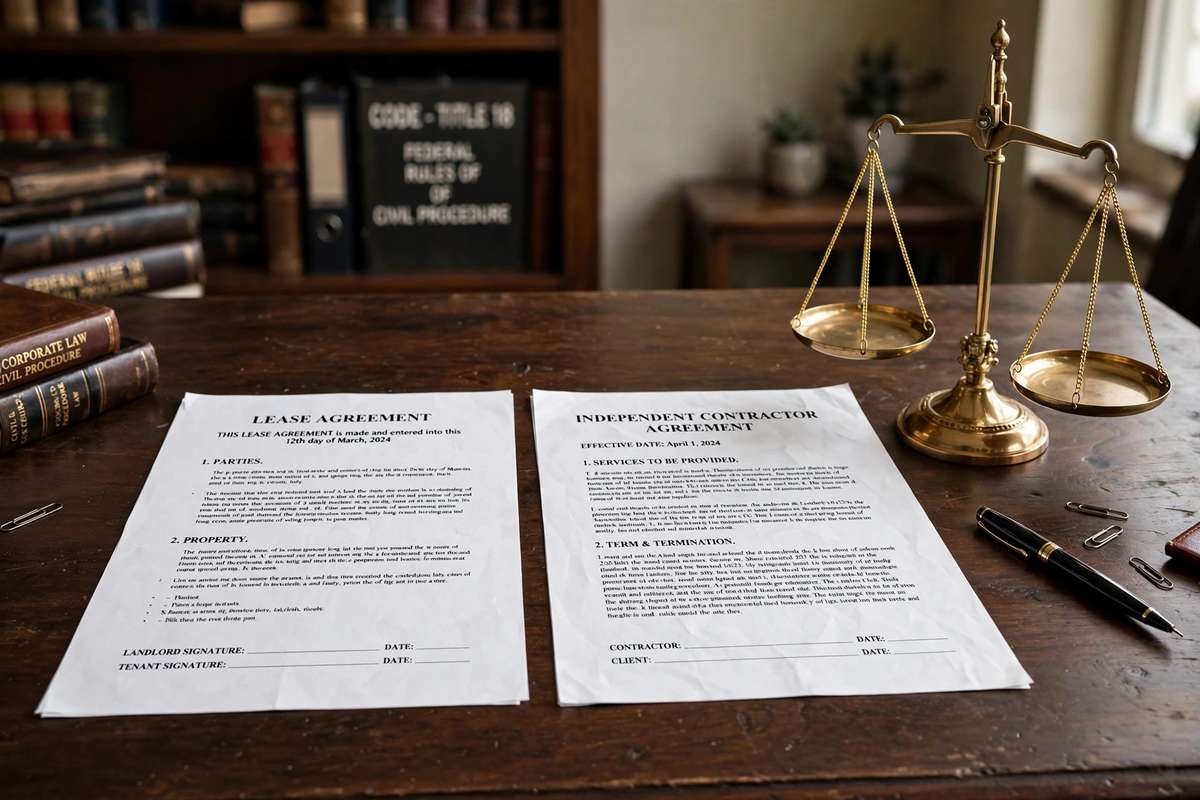
Lease guaranty and surety bond documents compared side by side with a scale of justice on a wooden desk

When a landlord wants extra assurance that rent will be paid, two instruments often come up: a lease guaranty and a surety bond. Both give the landlord someone to turn to if the tenant defaults. They work very differently, cost different amounts, and create different risks. Choosing the wrong one can cost you money, flexibility, … Read more

Letter of Credit as Lease Security Explained

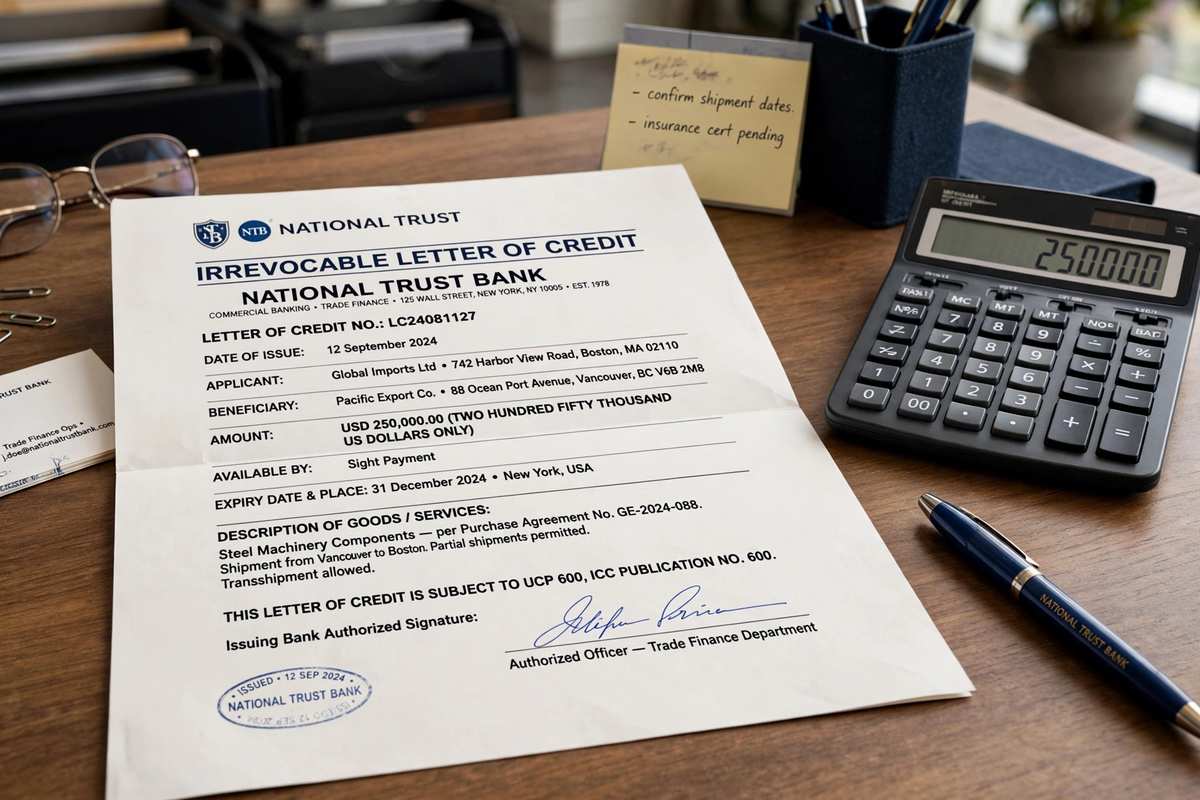
Official bank letter of credit document used as security for a commercial lease agreement

A letter of credit is a bank’s promise to pay. When used as lease security, it replaces or supplements the traditional cash security deposit with a financial instrument issued by the tenant’s bank in the landlord’s favor. If the tenant defaults, the landlord presents a demand to the bank and gets paid, usually within days. … Read more

Landlord’s Lien on Tenant Property Explained

Landlord reviewing a legal lien document on tenant property in a furnished rental unit

A landlord’s lien gives the landlord a legal claim against a tenant’s personal property as security for unpaid rent. In plain terms, it can mean the landlord has the right to keep your furniture, equipment, or inventory if you fall behind on rent. For residential tenants this sounds alarming, and in most states it is … Read more

Limitation of Liability in Commercial Leases

Lobby of a modern commercial office building subject to a limitation of liability lease clause

A limitation of liability clause puts a ceiling on how much one party can owe the other. In commercial leases, these clauses are the landlord’s favorite safety valve. They cap damages at a fixed dollar amount, at a multiple of rent, or at the value of the landlord’s interest in the property. Tenants rarely notice … Read more

Waiver of Subrogation: What It Means for Tenants

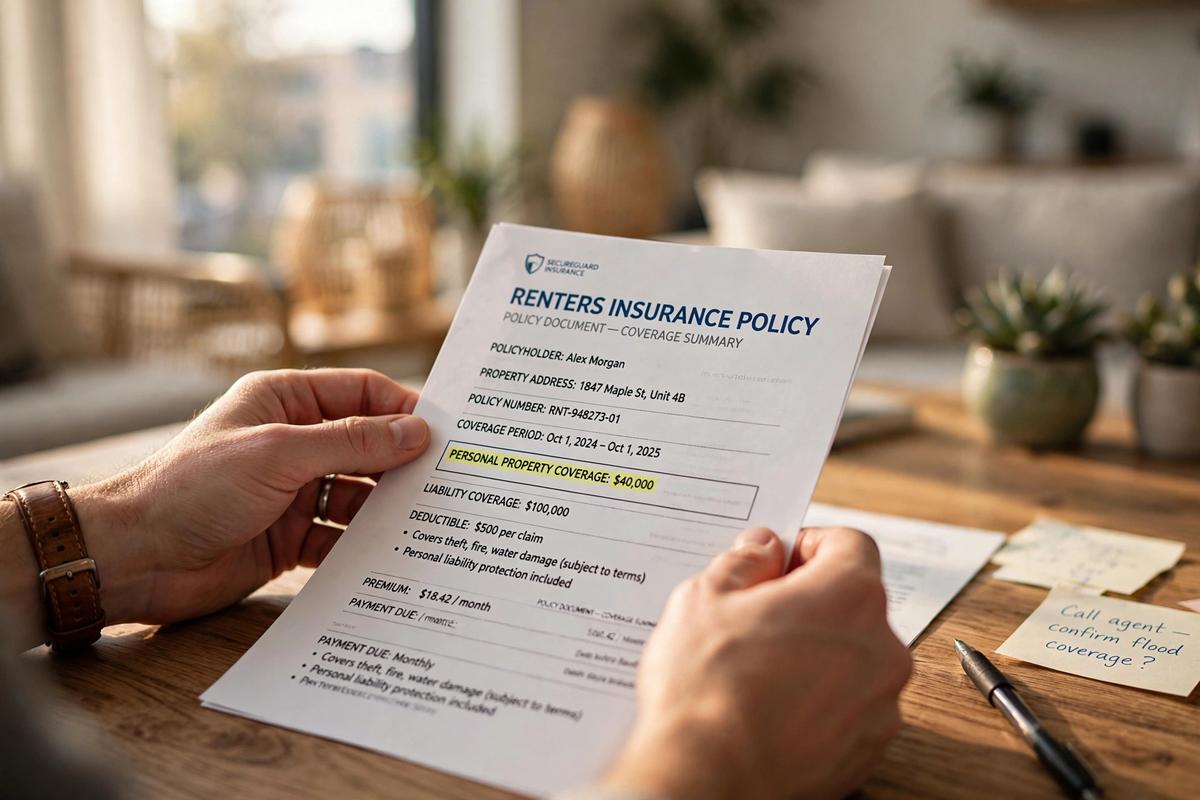
Tenant reviewing insurance policy paperwork to understand a waiver of subrogation clause in a lease

A waiver of subrogation is one of those lease clauses that looks like harmless legal boilerplate until a claim actually happens. It sits quietly in the insurance section of a commercial lease, often only a sentence or two long, and most tenants sign it without a second thought. That quiet clause, however, decides whether an … Read more