Work Letters: Negotiating Tenant Improvements
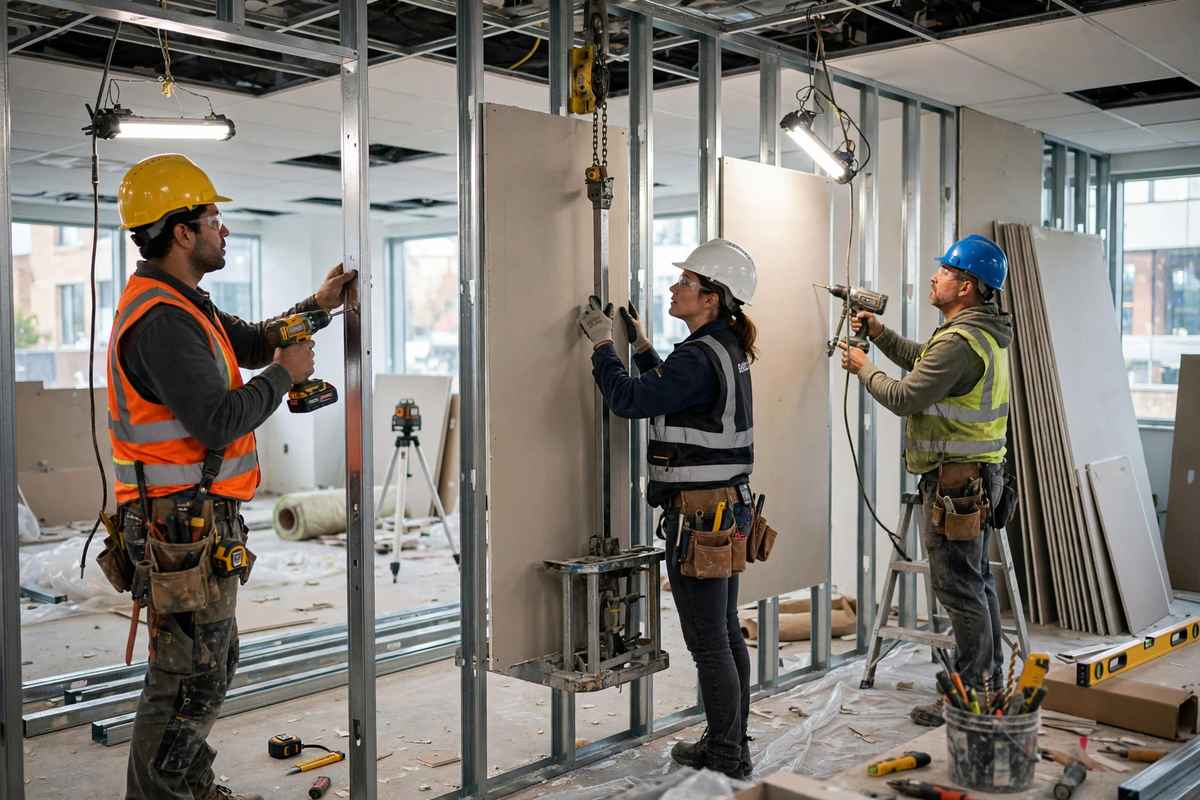
Blueprints spread on a table with a hard hat at a commercial buildout site

The work letter is one of the most negotiated exhibits in a commercial lease. It is the document that governs how the tenant’s space gets built out: who designs it, who builds it, who pays for it, and what happens when things go wrong. For tenants investing significant money in improvements, the work letter is … Read more

Landlord’s Work vs Tenant’s Work: Who Does What

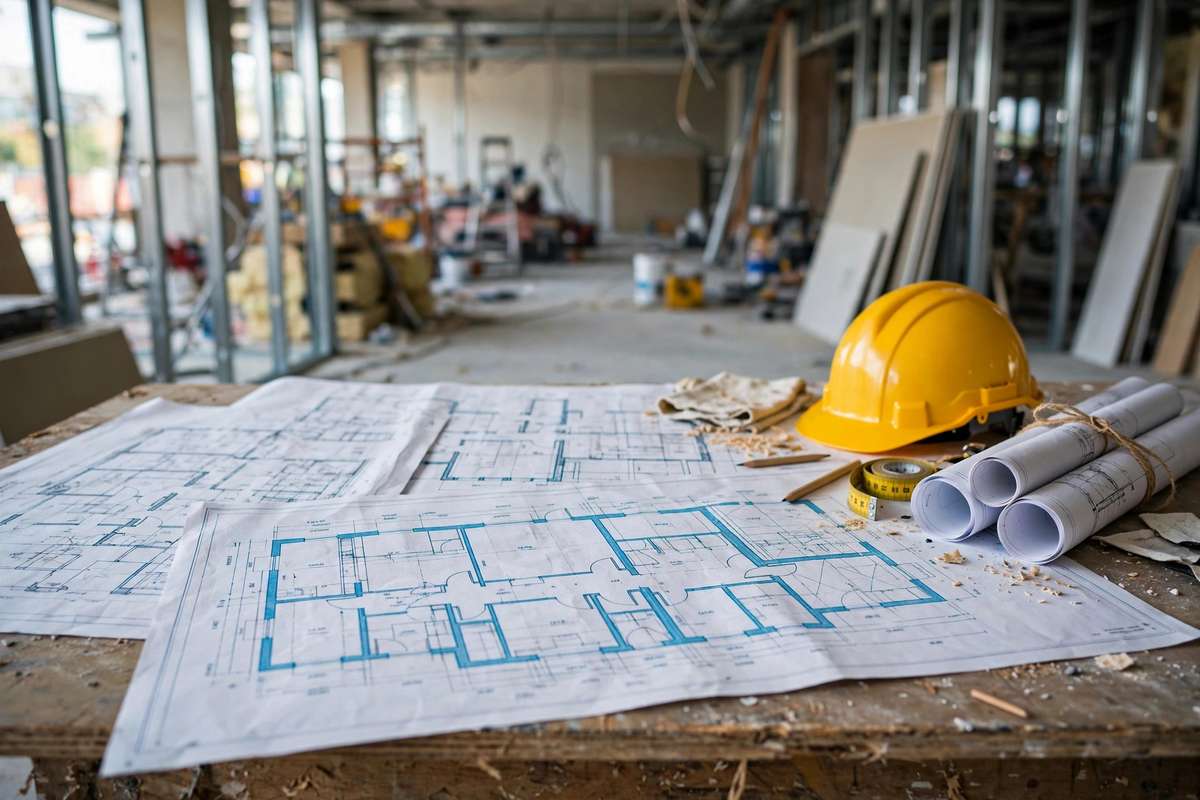
Workers building interior partition walls during a commercial office construction project

Every commercial buildout involves a fundamental question: which work does the landlord do, and which work does the tenant do? The answer determines who hires the contractors, who pays for what, and who bears the risk if construction goes wrong. Getting the division right in the lease prevents the finger-pointing that derails so many tenant … Read more

Shell vs Vanilla Box: Delivery Conditions Compared

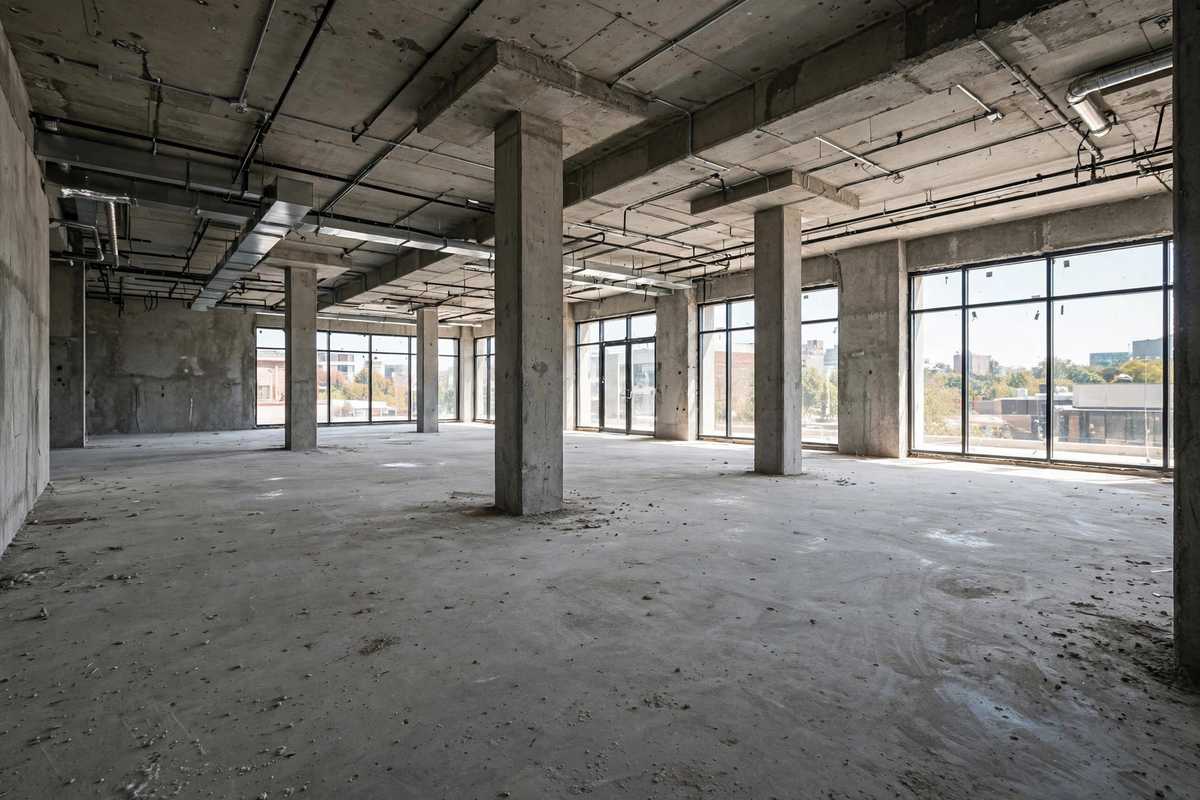
An empty commercial space in concrete shell condition with exposed columns and large windows

When a landlord hands over commercial space, the condition of that space varies enormously. One tenant might receive a raw concrete shell with no finishes at all. Another might get a finished space with painted walls, carpet, and working lights. The terms landlords use to describe these conditions, like cold shell, warm shell, and vanilla … Read more

Rent Commencement vs Lease Commencement Dates

A calendar with marked dates on an office desk next to a lease binder and pen

Commercial leases run on dates, and two of the most important are the lease commencement date and the rent commencement date. They sound similar, and in many leases they are the same day, but they do not have to be. Understanding the difference, and negotiating each one deliberately, can save a tenant months of rent … Read more

Early Access and Fixturing Periods Explained

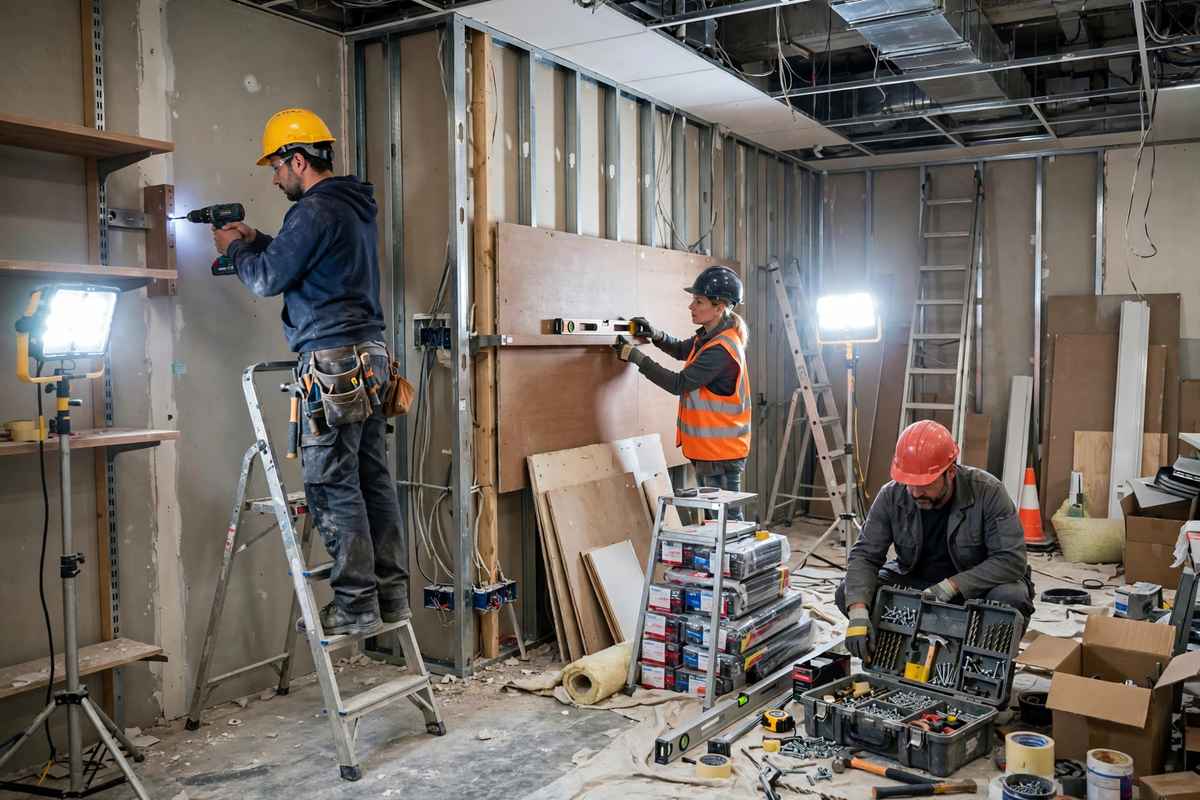
Workers installing fixtures and shelving inside a commercial space under renovation

Moving into commercial space is rarely as simple as signing a lease and showing up on day one. Most tenants need time to build out the premises, install equipment, and prepare for opening before the rent clock starts. Early access and fixturing periods are the lease provisions that make this possible, giving tenants the right … Read more

Free Rent: How to Negotiate It in a Lease

A signed lease agreement with a pen resting on it atop a wooden office desk

Free rent is one of the most valuable concessions a commercial tenant can negotiate. It means months of occupancy without paying base rent, usually at the start of the lease term. For a business moving into new space, those rent-free months can offset moving costs, fund the buildout, or simply preserve cash during the expensive … Read more

Tenant Rep Brokers: What They Cost and Why

A broker touring a business client through a bright empty office space with city views

A tenant rep broker is a commercial real estate professional who represents the tenant, and only the tenant, in a lease transaction. Unlike the listing broker, who works for the landlord, the tenant rep’s job is to find the right space at the best possible terms for the business moving in. For companies leasing office, … Read more

Who Pays Broker Commissions in Commercial Leases?

Two business professionals shaking hands in a bright commercial office building lobby

Commercial leases almost always involve brokers, and brokers have to get paid by someone. For tenants new to office, retail, or industrial space, the question of who actually writes the commission check can be confusing. In most commercial transactions, the landlord pays the brokerage commission, not the tenant. That is the standard arrangement across the … Read more

Fair Market Rent: How Landlords Determine It

Row of modern commercial office buildings with a for lease sign, representing fair market rent determination

When a commercial lease sets renewal rent at fair market rent, or when a landlord quotes you a rate for new space, that number comes from somewhere. Fair market rent is supposed to represent what a willing tenant would pay a willing landlord for comparable space in an open market. But landlords and tenants often … Read more