Kiosk Restrictions in Mall Leases Explained
Mall kiosk cart in a common area walkway near inline storefronts

Walk through any regional mall and you will see them: small kiosks and carts selling phone accessories, jewelry, pretzels, and seasonal gifts from the middle of the walkways. For mall owners, these specialty leasing units generate significant income from otherwise unused common area. For inline store tenants, they can be a source of friction, especially … Read more
Food Court Exclusivity: What Restaurants Get

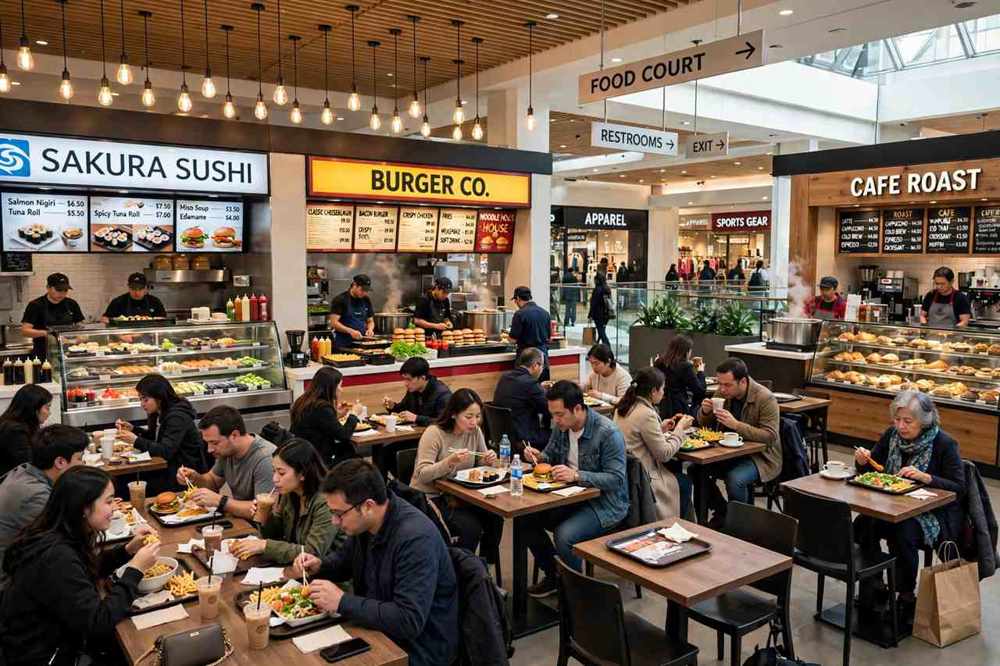
Shopping mall food court with restaurant counters illustrating exclusivity protections

For restaurants in shopping centers, the food court is both an opportunity and a battleground. High foot traffic comes with intense nearby competition, and the difference between thriving and struggling can come down to a single lease clause. Food court exclusivity provisions protect restaurants from direct competitors opening next door, and understanding them is critical … Read more

Percentage Rent Audits: Catching Underpayments

Auditor examining retail sales records to verify percentage rent payments

Percentage rent audits are how shopping center landlords verify that tenants are reporting gross sales accurately and paying the full percentage rent owed. For landlords, audits protect a major income stream. For tenants, they are a routine part of retail leasing that can become expensive when records are sloppy or sales are understated. Understanding how … Read more

Gross Sales Reporting: Tenant Obligations

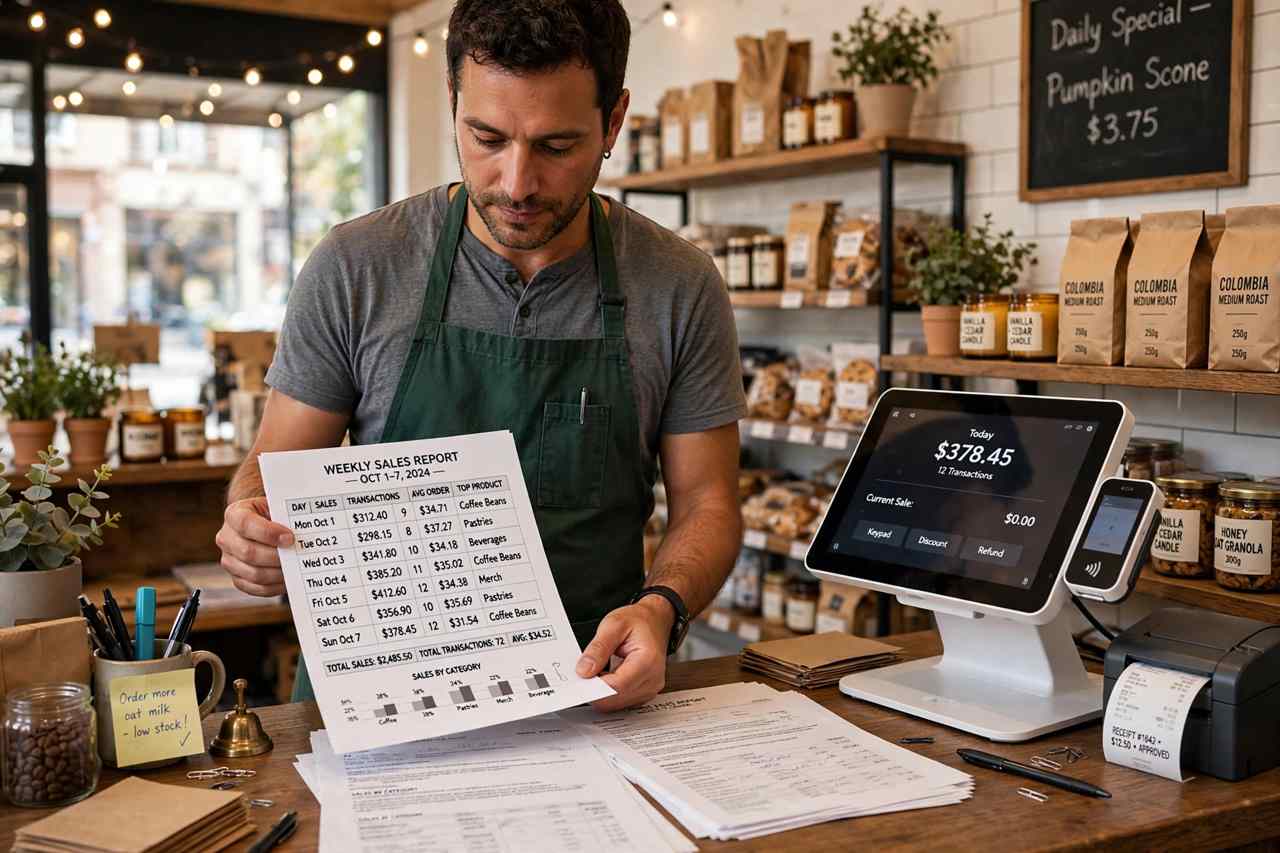
Retail tenant reviewing gross sales reports at a point of sale terminal for landlord reporting

Gross sales reporting is the engine that makes percentage rent work. In retail leases, landlords collect base rent plus a percentage of sales above a breakpoint, but that percentage is only as accurate as the sales figures the tenant reports. Because of this, most retail leases impose detailed obligations on tenants to track, report, and … Read more

Natural vs Artificial Breakpoints Explained

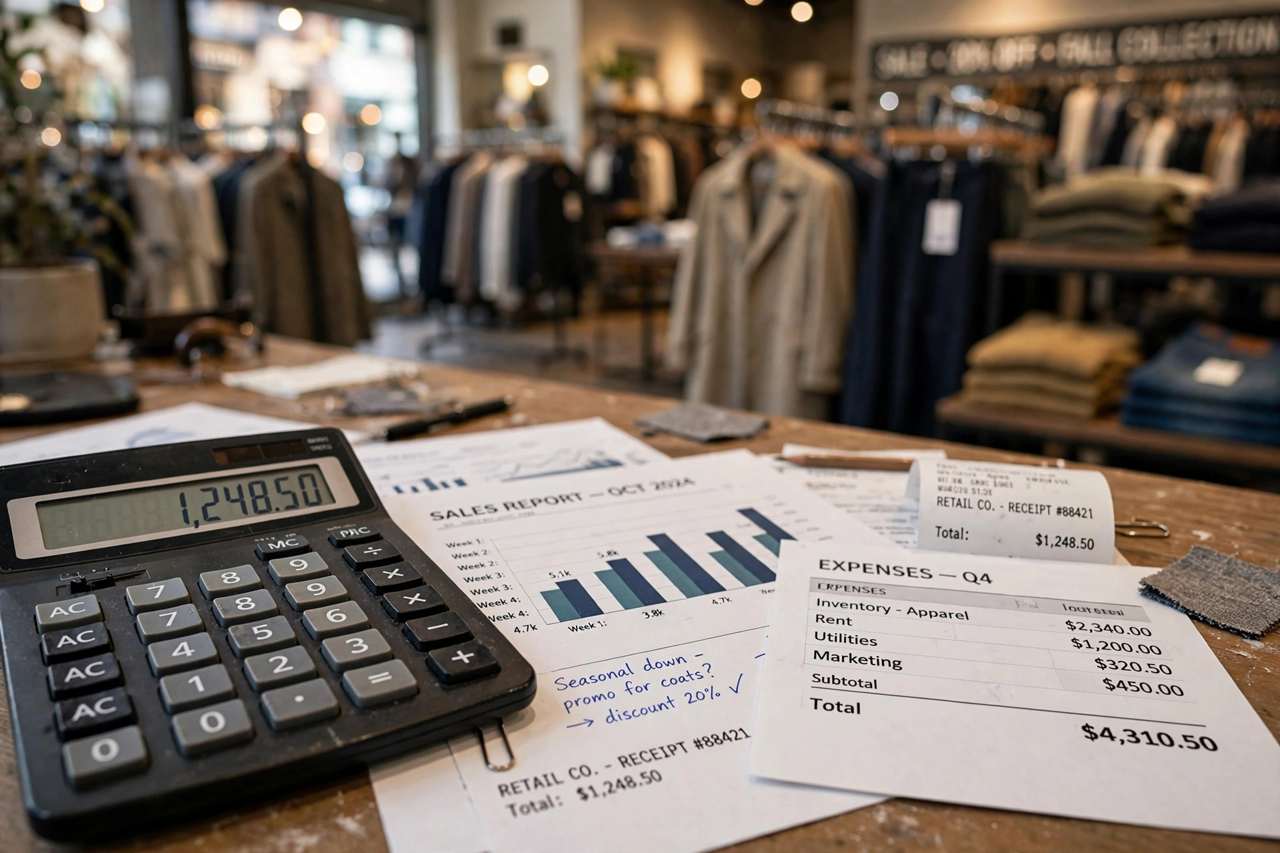
Calculator and lease financial documents illustrating breakpoint math for retail tenants

Retail leases that include percentage rent almost always include a breakpoint, the sales threshold above which the tenant pays a percentage of gross sales on top of base rent. What surprises many tenants is that there are two kinds of breakpoints, and the difference between them can be worth tens of thousands of dollars over … Read more

Percentage Rent Breakpoints: How They Work

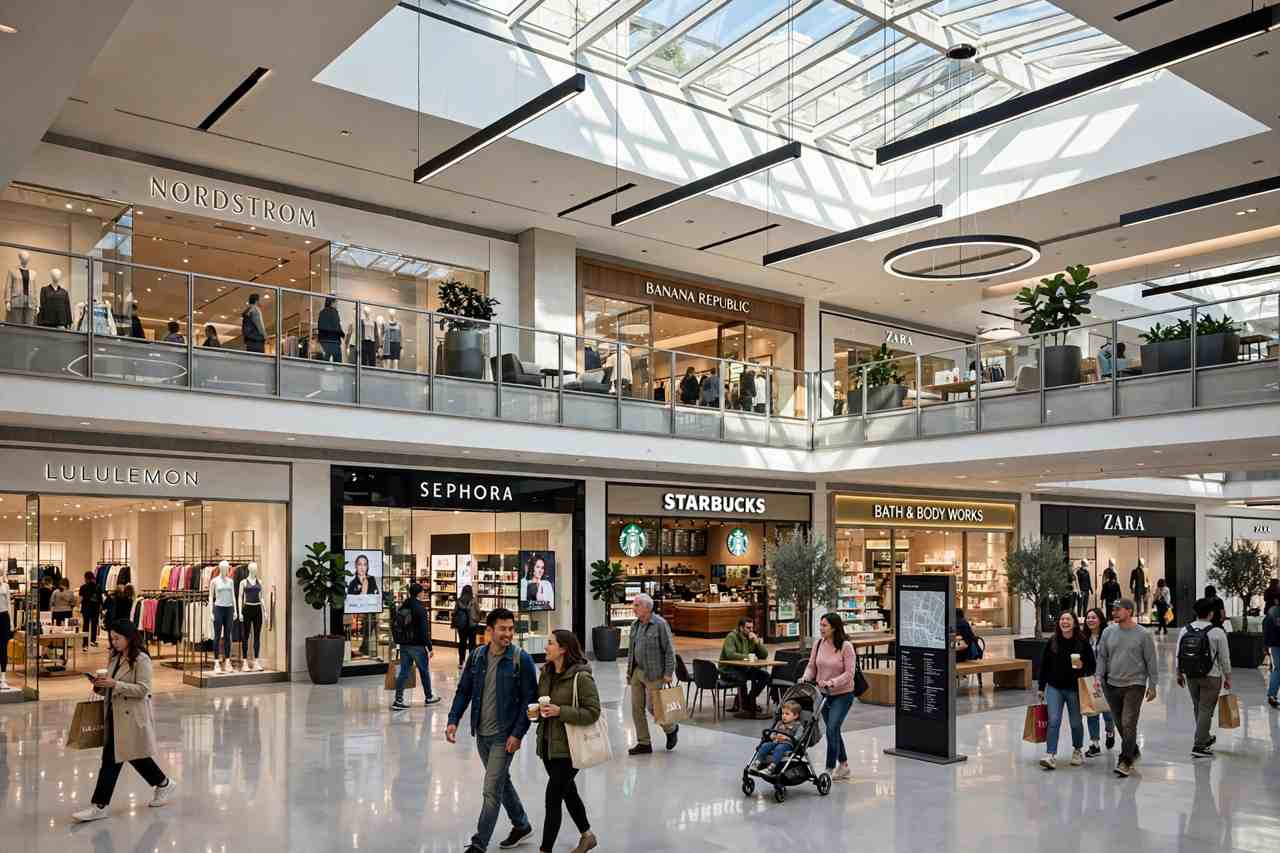
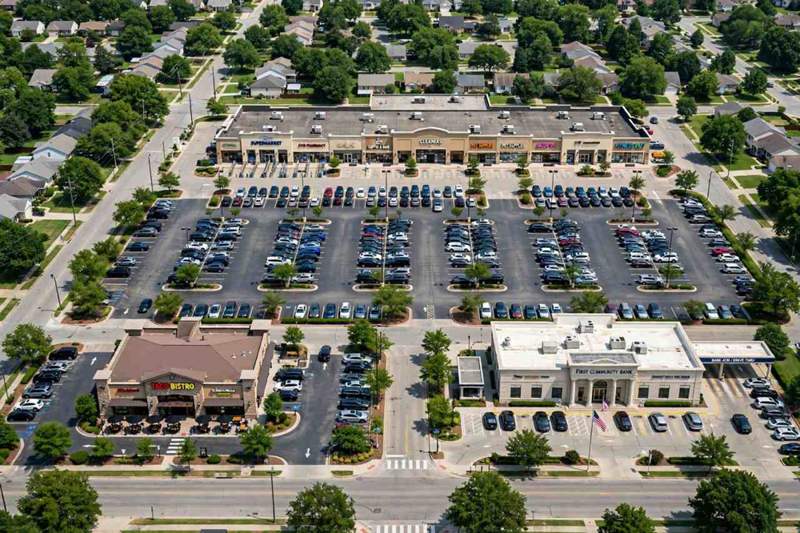
Shopping mall interior showing retail storefronts where percentage rent leases apply

Percentage rent is one of the most important economic terms in a retail lease, and it directly determines how much a tenant pays once sales pass a certain threshold. If you operate a store in a shopping center, your landlord may collect base rent plus a percentage of your gross sales above a figure called … Read more

Hours of Operation Clauses in Retail Leases

Retail storefront with glass doors and glowing open sign in the window at dusk

Shopping centers succeed when shoppers know the stores will be open. A customer who drives to a center on a Saturday evening and finds half the storefronts dark is a customer who may not come back. That is why retail leases almost always include hours of operation clauses: contractual promises by tenants to keep their … Read more

Marketing Fund Contributions in Retail Leases

Busy outdoor shopping center promenade with storefronts, promotional banners, and shoppers

Walk through any successful shopping center and you will see the marketing fund at work: the holiday events drawing weekend crowds, the social media campaigns promoting the center, the directory signage guiding shoppers to stores. Behind these efforts sits a pool of money collected from tenants, and the lease provisions governing it are among the … Read more

Common Area Rights Every Tenant Should Know

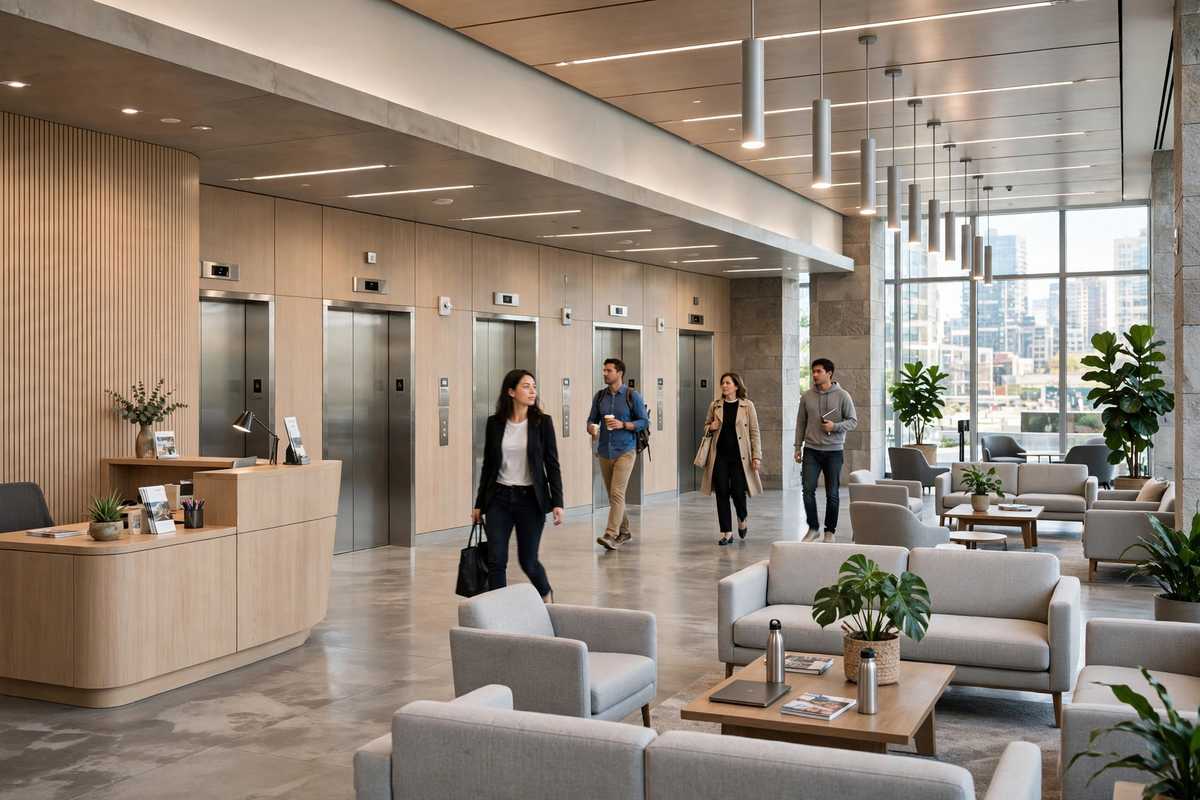
Bright modern office building lobby common area with seating, elevators, and reception desk

Every commercial tenant uses far more space than its leased premises. Lobbies, hallways, restrooms, elevators, parking lots, loading areas, courtyards, and sidewalks all make the property function, and every tenant depends on them daily. These shared spaces are the common areas, and the rights tenants have in them are defined by some of the most … Read more

Exclusive Parking: Negotiating Reserved Spaces

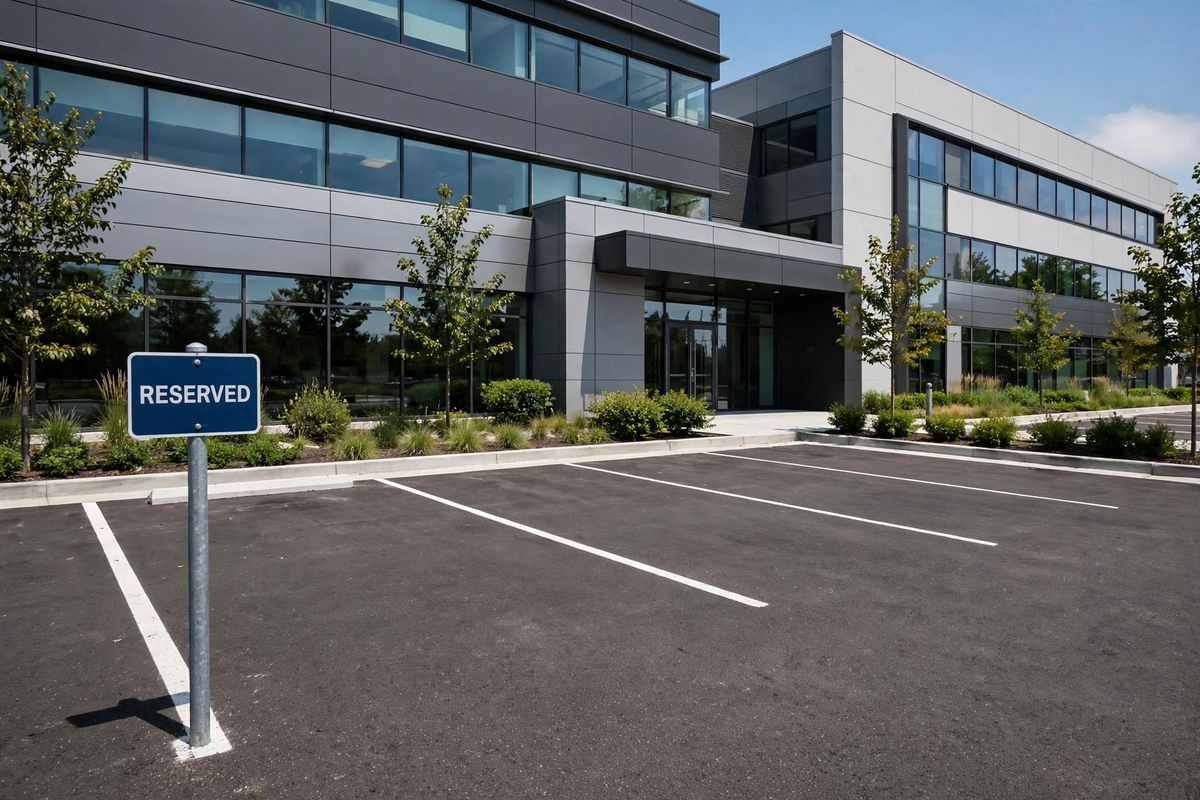
Reserved parking spaces marked with signage in front of a modern commercial office building

Parking rarely makes the headline terms of a lease negotiation, but it shapes the daily experience of every tenant, employee, and customer who uses the property. A medical office without convenient patient parking loses appointments. A restaurant without enough evening spaces loses covers. An office tenant whose employees circle the lot every morning loses morale. … Read more