Franchise Lease Requirements: What to Know
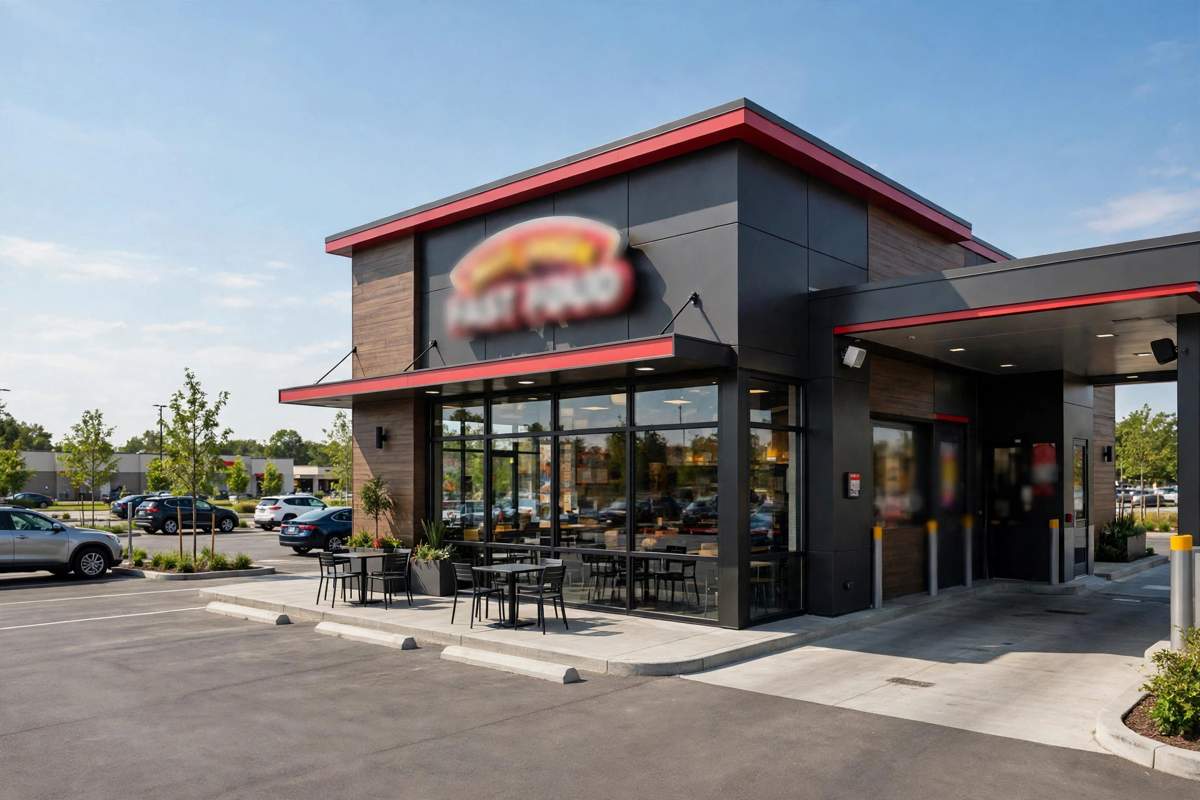
Modern franchise restaurant storefront exterior with parking lot in daytime

Opening a franchise means satisfying two demanding parties at once: the franchisor, which controls the brand, and the landlord, which controls the real estate. Each has its own requirements for the lease, and those requirements do not always align. A franchisee who signs a lease that the franchisor rejects, or a franchise agreement that the … Read more
Liquor License Transfers in Restaurant Leases

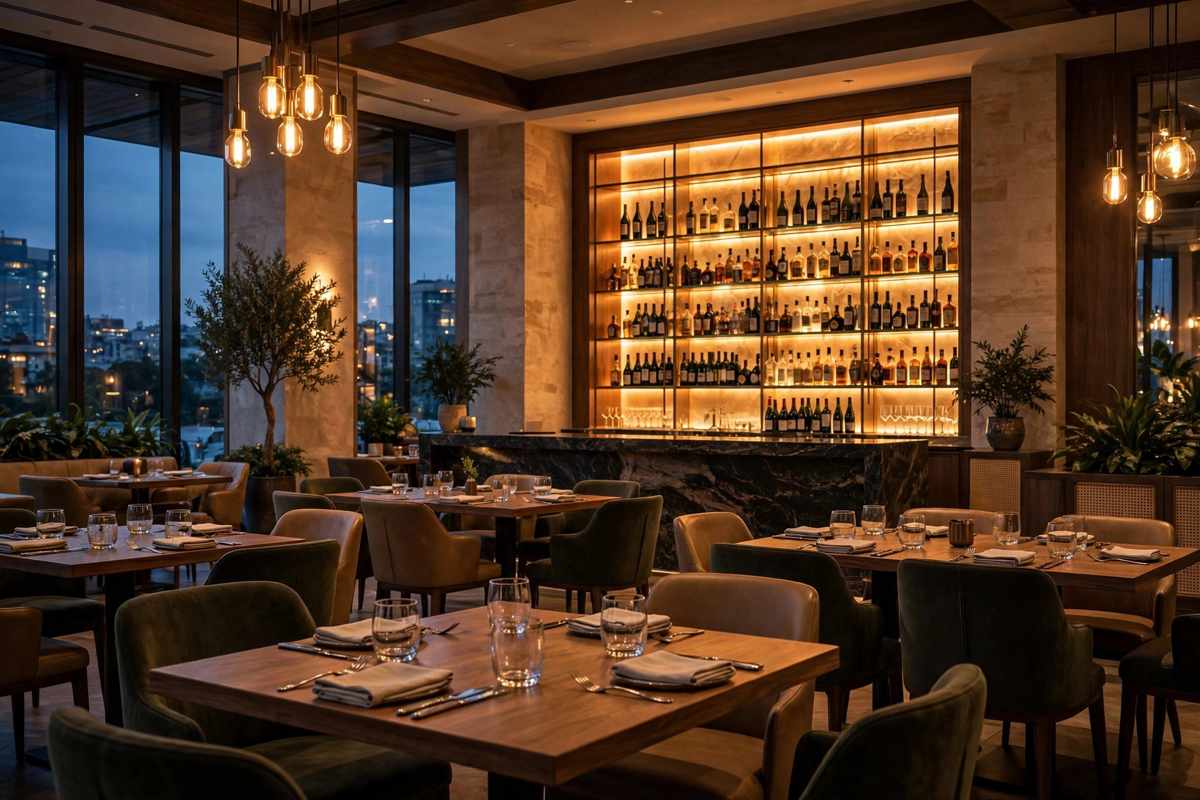
Upscale restaurant interior with a backlit bar and warm ambient lighting at dusk

For many restaurants and bars, the liquor license is the most valuable asset in the building. In states with quota systems, a license can be worth hundreds of thousands of dollars, far more than the kitchen equipment or the furniture. When a restaurant space changes hands, what happens to the license often matters more than … Read more

Zoning Contingencies in Commercial Leases

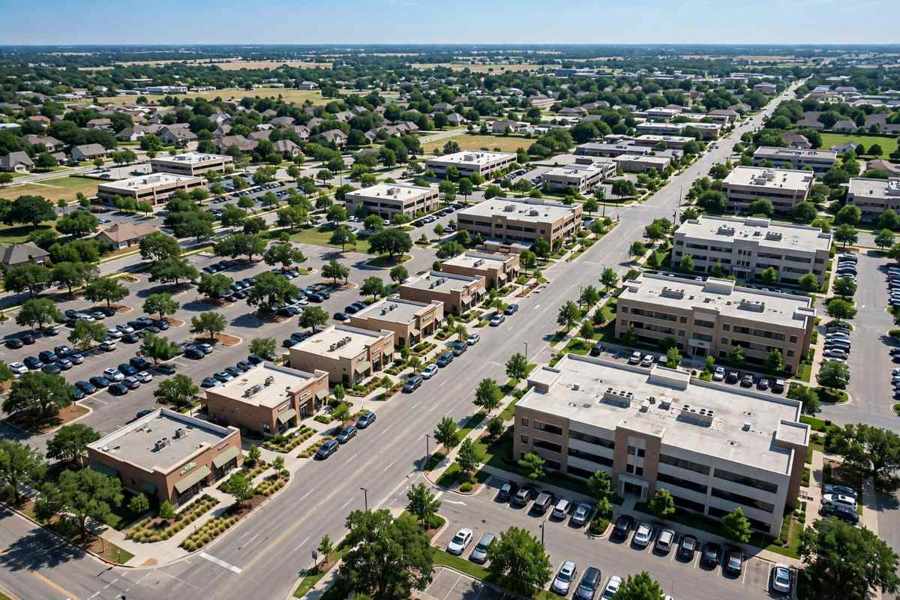
Commercial street with small shops and office buildings under a clear blue sky

Zoning determines what a tenant can legally do with a leased space, and no lease provision can override it. A restaurant cannot open in a district that prohibits food service, a medical clinic cannot operate where medical uses are banned, and a drive-thru cannot be built where the code forbids it. Yet tenants sign commercial … Read more

Seasonal Retail Leases: Key Terms to Negotiate

Festive holiday store window display with lights and seasonal merchandise at a shopping mall

Seasonal retailers, from Halloween costume shops to holiday gift stores to tax preparation offices, run their entire year on a few intense weeks. Their leases are unlike ordinary retail deals: short terms, compressed timelines, and economics that depend on capturing a narrow window of consumer demand. Getting the lease terms right is the difference between … Read more

Pop-Up Shop Leases: Short-Term Retail Guide

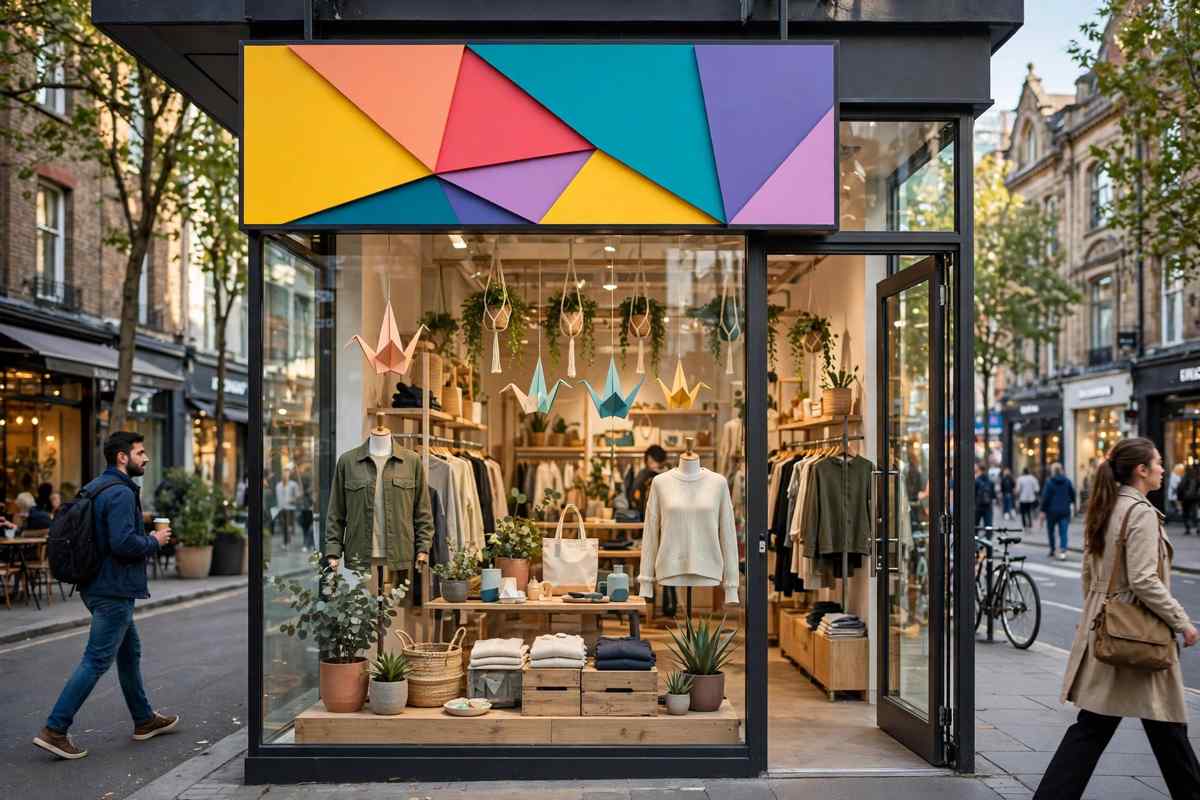
Colorful pop-up retail shop storefront with bright signage in an urban shopping district

Pop-up shops have moved from novelty to a permanent feature of the retail landscape. Brands use them to test markets, launch products, and build buzz; landlords use them to fill vacant space, generate foot traffic, and audition future permanent tenants. The pop-up lease, often just a few pages long, is the legal backbone of this … Read more

Pad Site Leases: What Developers Should Know

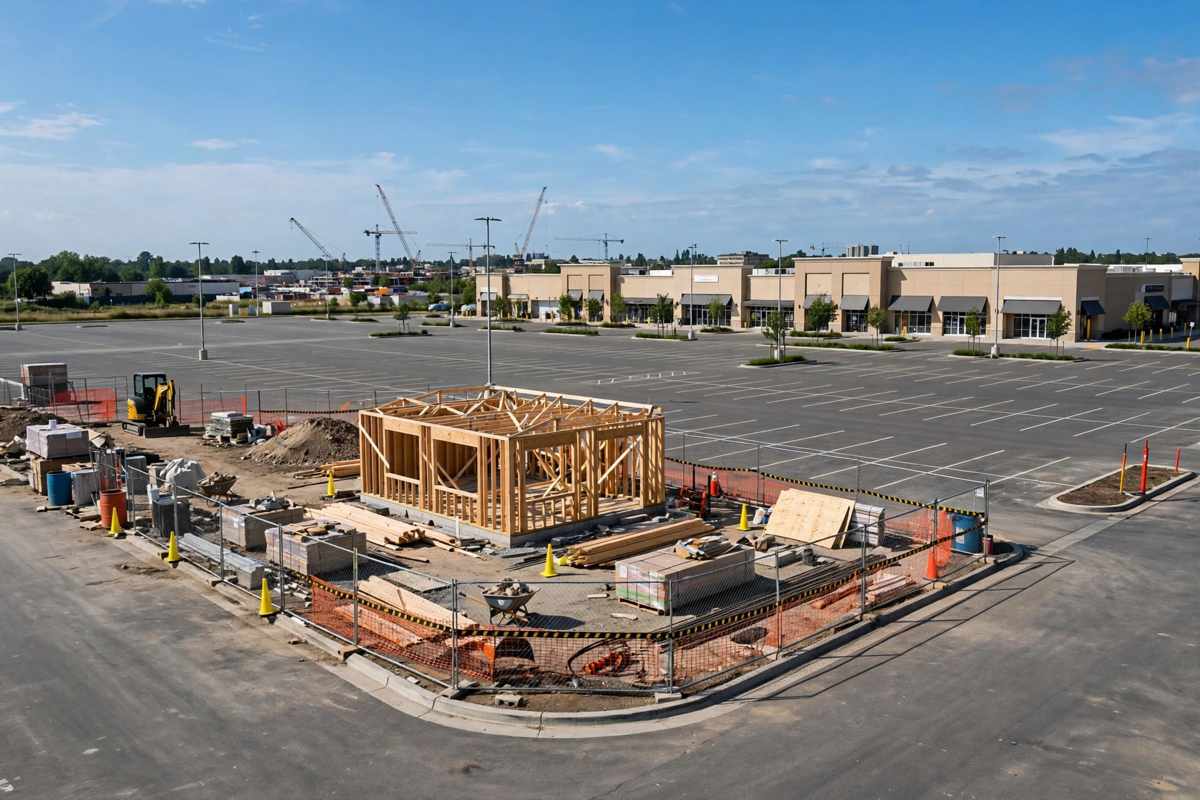
Commercial pad site building under construction at the corner of a shopping center parking lot

A pad site is a freestanding parcel, usually at the edge of a shopping center’s parking lot or along its street frontage, leased or sold for a single-tenant building such as a bank, restaurant, or drugstore. For developers, pad sites are prized assets: they command high rents, attract national credit tenants, and can be sold … Read more

Drive-Thru Rights: Lease and Approval Guide

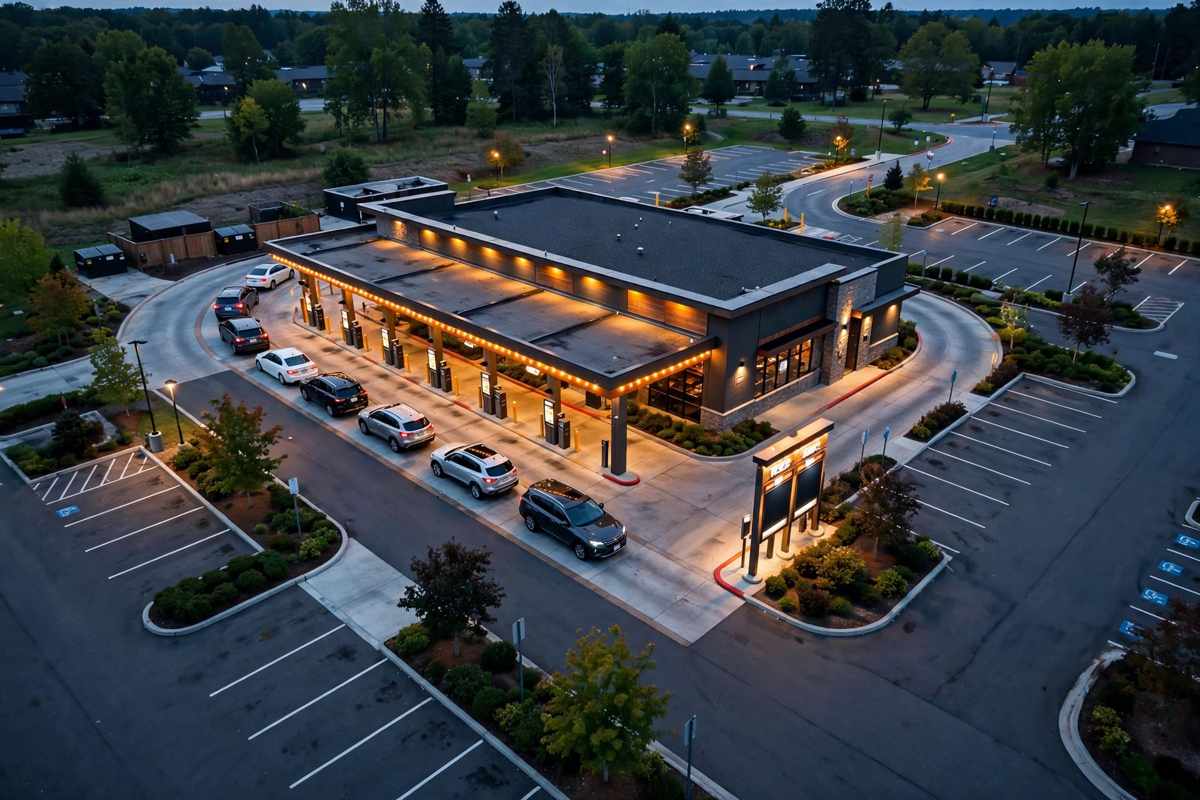
Aerial view of cars queued in a restaurant drive-thru lane at dusk

For quick-service restaurants, coffee chains, and pharmacies, the drive-thru is often the engine of the entire business. National operators report that drive-thru orders can account for more than half of total sales at many locations, which means the right to build and operate a drive-thru lane is far more than a lease convenience. It is … Read more

Outparcel Development Rights in Retail Leases

Aerial view of shopping center outparcels along the street frontage

Outparcels, the freestanding lots along the perimeter of a shopping center, are some of the most valuable pieces of retail real estate. Banks, restaurants, and coffee shops pay premium rents for these high visibility pad sites with direct street access. But developing or leasing an outparcel involves a web of rights held by the center’s … Read more

Anchor Tenant Rights in Shopping Centers

Anchor department store entrance at a shopping center illustrating anchor tenant rights

Anchor tenants are the department stores, grocers, and large format retailers whose presence draws the foot traffic that sustains an entire shopping center. Because they drive the center’s success, anchors negotiate leases with rights that smaller tenants never see. These special provisions shape everything from the center’s tenant mix to its operating hours, and understanding … Read more

Kiosk Restrictions in Mall Leases Explained

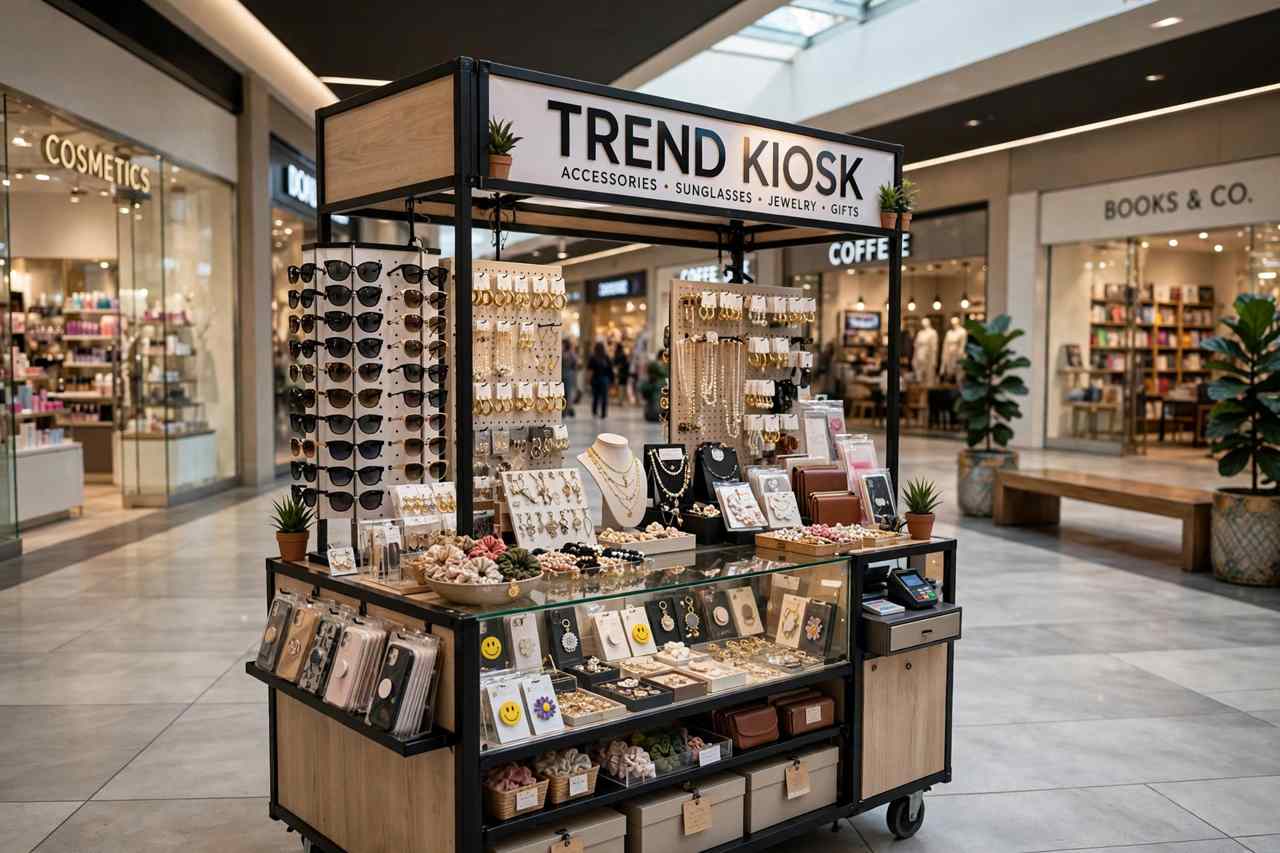
Mall kiosk cart in a common area walkway near inline storefronts

Walk through any regional mall and you will see them: small kiosks and carts selling phone accessories, jewelry, pretzels, and seasonal gifts from the middle of the walkways. For mall owners, these specialty leasing units generate significant income from otherwise unused common area. For inline store tenants, they can be a source of friction, especially … Read more