Parking rarely makes the headline terms of a lease negotiation, but it shapes the daily experience of every tenant, employee, and customer who uses the property. A medical office without convenient patient parking loses appointments. A restaurant without enough evening spaces loses covers. An office tenant whose employees circle the lot every morning loses morale. Reserved and exclusive parking rights turn this daily friction into a managed system, but only when the lease defines them clearly.
Parking provisions in commercial leases range from a simple statement that parking is available on a first come basis to detailed exhibits assigning specific numbered spaces, setting ratios per thousand square feet, and allocating costs for maintenance and security. This guide explains how exclusive and reserved parking works in US commercial leases, what to negotiate, and how to avoid the disputes that parking so reliably produces.
How Commercial Parking Rights Are Structured
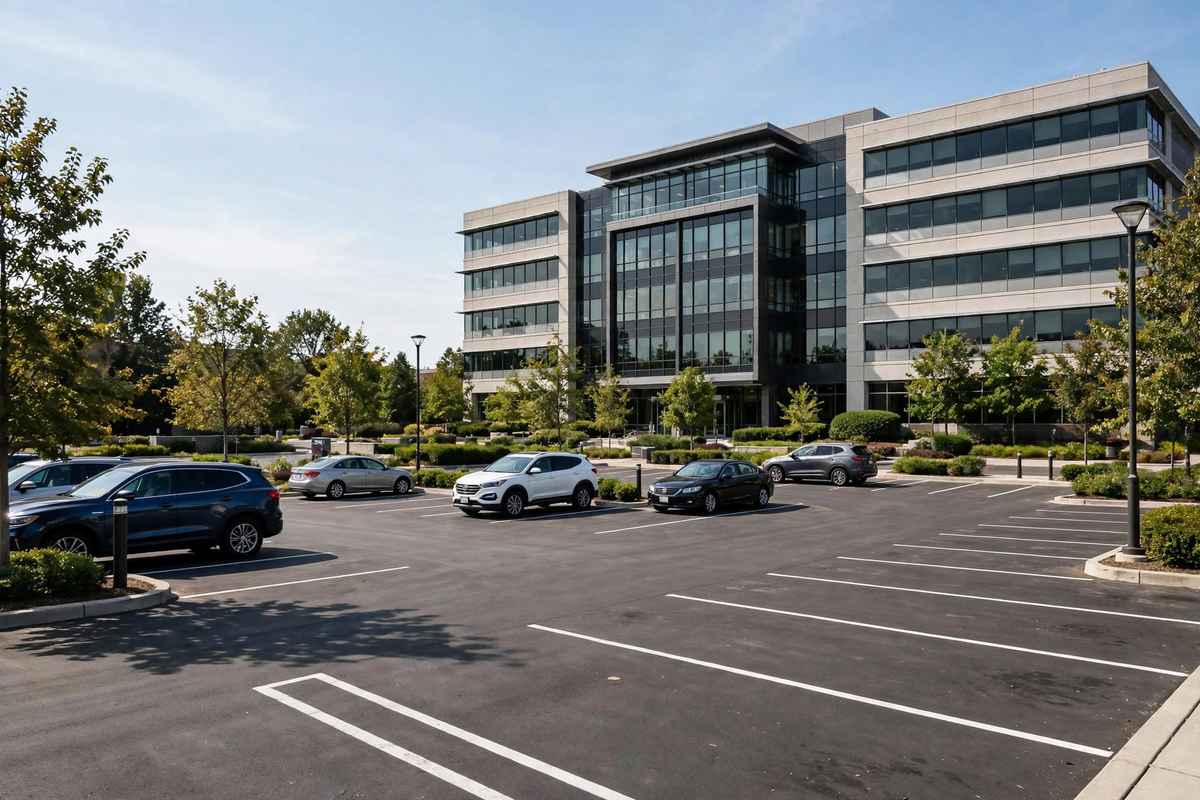
Commercial parking typically falls into three categories. Common parking is open to all tenants and visitors on a first come, first served basis, with the landlord managing the lot as a common area. Reserved parking assigns specific spaces to a particular tenant, usually marked with signage, for the exclusive use of that tenant’s employees or customers. Exclusive parking goes further, giving a tenant control over a defined section of the lot, sometimes including the right to set its own rules for that section.
Most leases blend these categories. A retail tenant might have ten reserved spaces near its entrance plus access to the common lot. An office tenant might have a set number of reserved executive spaces with the rest of its allocation in the common garage. The lease should state the numbers, the locations, and the category for each group of spaces. Vague references to “adequate parking” are an invitation to dispute.
Parking Ratios: What to Expect
Parking ratios are usually expressed as spaces per one thousand square feet of leased area. Typical suburban office ratios run from three to five spaces per thousand square feet, while retail often requires four to six or more. Medical office uses demand the highest ratios, sometimes six to eight, because patient turnover is constant. Local zoning codes set minimum ratios, and the lease cannot go below them, but zoning minimums are floors, not targets. A tenant whose business needs more parking than the code minimum must negotiate for it.
Tenants should understand what parking ratios tenants should expect in their property type and market, then compare the lease’s allocation against that benchmark. A lease offering two spaces per thousand square feet for a medical office is a problem no amount of signage will fix. If the building cannot provide the needed ratio, the tenant needs to know before signing, not after the first week of operations.
Negotiating Reserved Spaces
Reserved spaces are the most commonly negotiated parking right, and the details matter. The lease or an attached exhibit should identify the specific spaces by number or location, state who may use them, and describe the signage that marks them. “Reserved for Tenant” signs are only as effective as the enforcement behind them, so the lease should also address what happens when unauthorized vehicles park in reserved spaces: who tows, who pays for towing, and how quickly the landlord must act.
Location is often more valuable than quantity. Ten reserved spaces next to the building entrance serve a retailer better than twenty spaces at the far end of the lot. Tenants should walk the lot during negotiation and identify the specific spaces they want, then get those spaces written into the lease. Handshake agreements about “the spaces near our door” evaporate when a new tenant arrives or the landlord restripes the lot.
Consider future needs as well. A growing tenant may need more reserved spaces in year three than in year one. Negotiating a right to additional reserved spaces as they become available, or a cap on how many spaces the landlord can reassign, protects the tenant’s position over the term.
Exclusive Parking Areas
Some tenants need more than individual reserved spaces. Car dealerships need display and inventory areas. Medical practices need dedicated patient lots. Corporate headquarters may want a secured executive section. In these cases, the lease can grant exclusive use of a defined parking area, essentially treating that section of the lot as an extension of the premises.
Exclusive parking areas should be described precisely: a site plan exhibit showing boundaries, space count, and access points. The lease should state who maintains the exclusive area, who pays for restriping and repairs, who provides lighting and security, and whether the tenant may install gates, signage, or access controls. Without these details, the tenant may find it has exclusive use of a deteriorating lot it cannot afford to fix.
Costs: Maintenance, Security, and Snow Removal
Parking lots are expensive to maintain. Resurfacing, restriping, lighting, drainage, landscaping, and snow removal all cost money, and the lease must say who pays. In most commercial leases, parking lot maintenance is a common area expense shared by all tenants through operating expenses or CAM charges. Tenants with exclusive or heavily reserved areas sometimes pay a larger share or maintain their sections directly.
Tenants should review how parking costs flow through the lease’s expense provisions. A tenant with twenty reserved spaces in a lot serving ten tenants will want to confirm it is not subsidizing parking for everyone else, or vice versa. Snow removal deserves specific attention in northern markets: the lease should state the trigger depth for plowing, the expected response time, and who is liable for slip and fall incidents in the lot. Parking lot injuries generate a steady stream of claims, and the lease’s indemnity provisions should address them.
Enforcement and Day to Day Management
The best drafted parking rights fail without enforcement. The lease should give the landlord clear authority to enforce parking rules, including towing unauthorized vehicles, and should obligate the landlord to actually do so. Tenants who have fought for reserved spaces should not have to personally confront violators every morning.
Building parking rules are usually set out in the lease’s rules and regulations exhibit, which the landlord can typically amend. Tenants should make sure the lease limits the landlord’s ability to amend parking rules in ways that materially reduce the tenant’s rights. A landlord that can rewrite the parking rules at will can effectively take back reserved spaces without amending the lease. The lease should require tenant consent for rule changes that reduce the tenant’s allocated spaces or relocate them to materially worse positions.
Disputes over parking are among the most common commercial lease conflicts. When informal resolution fails, tenants should understand their options, including how parking spot disputes are resolved under lease rights, so they can act quickly when another tenant or the landlord encroaches on their allocation.
Special Situations: Garages, Valet, and ADA Compliance
Structured parking garages add layers of complexity. Access control systems, elevator maintenance, ventilation, and structural repairs all need allocation between landlord and tenants. Tenants in garages should confirm their spaces are on accessible levels, understand any height restrictions that affect their vehicles or customers’ vehicles, and clarify who pays for garage specific maintenance.
Valet operations, common for restaurants and hotels, require lease provisions addressing where valet staging occurs, who operates it, and who bears the liability for vehicles in valet custody. The tenant operating the valet typically carries garage keeper’s liability insurance, and the lease should require it.
ADA compliance is non negotiable. The property must provide the required number of accessible spaces, with proper signage, striping, and access aisles. While the landlord is generally responsible for common area ADA compliance, tenants with exclusive parking areas may share responsibility for their sections. The lease should allocate this clearly, since ADA violations carry significant penalties.
Protecting Your Parking for the Full Term
Parking rights can erode over time. Landlords redevelop portions of lots, add buildings that consume spaces, or grant new tenants generous allocations that squeeze existing ones. Tenants should negotiate protections: a minimum parking ratio that survives for the term, consent rights over lot reconfigurations that reduce their spaces, and remedies if the landlord falls below the promised allocation.
Assignment and subletting provisions should address parking too: when a tenant assigns its lease, the reserved spaces should transfer with it, and the lease should say so explicitly. Tenants in apartment settings face related questions; those navigating residential parking should review how assigned parking works in apartment complexes.
Parking Checklist Before Signing
Confirm your parking ratio against your actual business needs and local zoning minimums. Get specific spaces identified by number or location on a lease exhibit. Clarify who maintains, secures, and plows the areas you use. Understand how parking costs appear in your operating expenses. Secure enforcement rights for your reserved spaces and limits on the landlord’s ability to change the rules. Parking is daily infrastructure, and getting it right in the lease means never having to think about it again.