Trailers are the quiet backbone of freight transportation. The tractor gets the attention, but the trailer is what actually carries the cargo, and a good trailer can outlast two or three tractors over its working life. For carriers and shippers alike, leasing trailers instead of buying them is a practical way to match equipment to freight demand without tying up capital in assets that sit idle between loads.
Commercial trailer leasing covers everything from 53 foot dry vans to refrigerated units, flatbeds, and specialty trailers. Monthly payments are lower than tractor leases, terms are flexible, and the used trailer market makes for attractive lease deals. This guide covers what commercial trailer leasing costs, the options available, the requirements lessors expect, and how to choose the right structure for your operation.
What Commercial Trailer Leasing Costs
Monthly lease payments for commercial trailers are modest compared to powered equipment. A used 53 foot dry van in good condition typically leases for 350 to 650 dollars per month. A new dry van runs 600 to 1,000 dollars per month. Refrigerated trailers cost more, generally 900 to 1,600 dollars per month for used units and 1,400 to 2,400 dollars for new ones, because the refrigeration unit adds 25,000 to 40,000 dollars to the trailer’s value and carries its own maintenance needs.
Flatbeds, step decks, and other open deck trailers usually fall between dry vans and reefers, around 500 to 1,100 dollars per month depending on age and specifications. Specialty trailers such as lowboys, tankers, and car haulers command higher payments because they cost more to build and serve narrower markets. Upfront costs are light: most trailer leases require a security deposit of one to two months’ payment plus a documentation fee, so 1,000 to 3,000 dollars typically gets you started.
What Moves the Payment Up or Down
Age is the biggest factor. Trailers depreciate slowly compared to tractors, which means a ten year old dry van can still be a perfectly serviceable asset leasing for a few hundred dollars a month. The trade off is maintenance. Older trailers need more attention to brakes, tires, lights, landing gear, and door seals. A trailer that leases cheap but spends days in the shop is no bargain.
Specifications matter too. Air ride suspension, which protects fragile freight, adds to the capitalized cost versus spring ride. Logistic posts, E track, and interior lighting raise the value and the payment. For refrigerated trailers, the age and brand of the reefer unit matters as much as the trailer itself, and units with Carrier or Thermo King systems hold value better and lease at a premium that is usually worth paying.
Trailer Lease Options and Structures
The full service trailer lease is the most popular option for carriers that want simplicity. The lessor provides the trailer, handles preventive maintenance and repairs, manages licensing and inspections, and often provides a substitute trailer when yours is in the shop. You pay one monthly rate, typically 750 to 1,400 dollars for a dry van, and your maintenance risk drops to nearly zero. For fleets without their own shops, this structure is hard to beat.
The finance lease, or net lease, gives you the trailer at a lower monthly payment but leaves maintenance, licensing, and repairs in your hands. This suits carriers with their own maintenance capability who can service trailers for less than the full service premium. At the end of the term you typically have a purchase option at fair market value or a predetermined price. If you maintain trailers well and keep them long, the total cost of a finance lease often beats full service.
Short term and seasonal trailer rental fills the gap between daily rental and multi year leases. Many lessors offer three to twelve month terms for peak season surges, which lets you scale capacity for retail peak season or produce season without a long commitment. The monthly rate is higher than a long term lease, but the flexibility is worth it when demand is temporary. Always compare the seasonal rate against simply extending your long term fleet before you sign.
Matching the Trailer Type to Your Freight
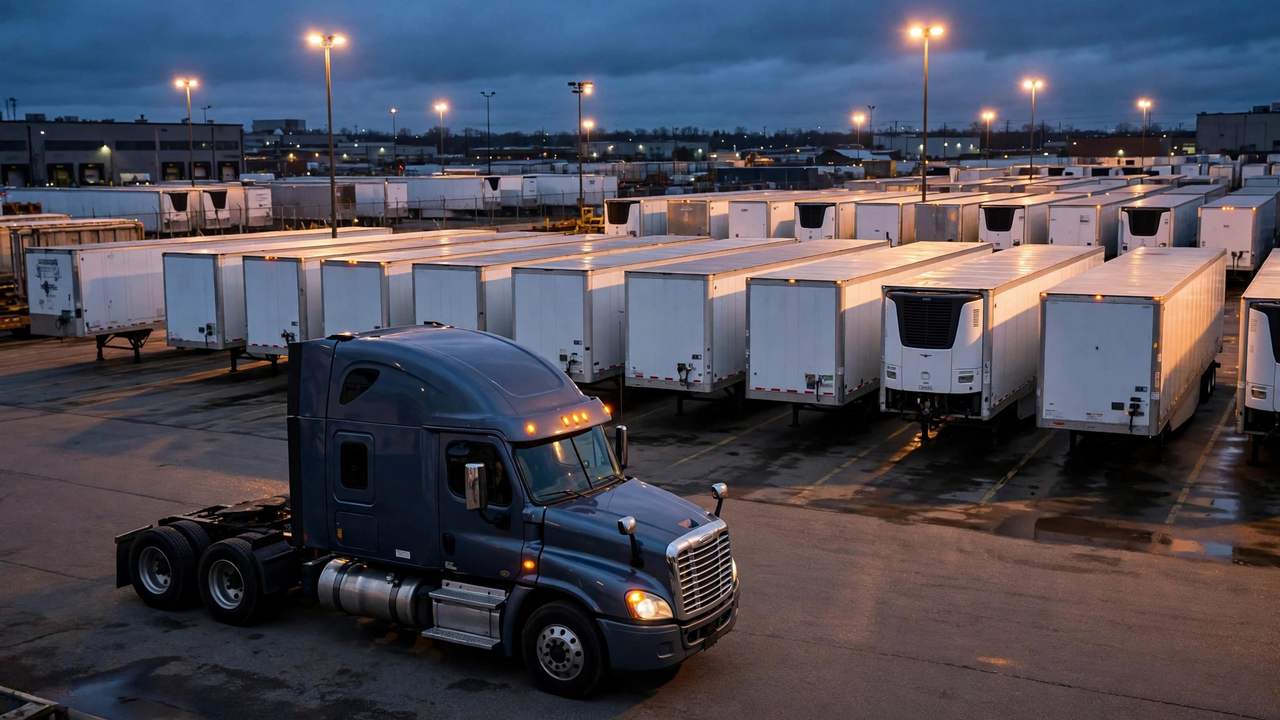
Dry vans handle the majority of general freight and are the easiest trailers to lease, with the deepest inventory and the most competitive rates. If your freight is palletized, boxed, or otherwise weather sensitive but not temperature sensitive, the dry van is your default choice. Standard 53 foot air ride dry vans are the most liquid trailers in the market, which keeps lease rates sharp.
Refrigerated trailers serve food, pharmaceutical, and other temperature controlled freight, which pays higher rates per mile but demands more from the equipment. When leasing a reefer, pay close attention to who maintains the refrigeration unit. A full service reefer lease that includes unit maintenance protects you from the 5,000 to 15,000 dollar repair bills that compressor and engine failures can produce. Verify the unit’s service history and hour meter reading before you sign, just as you would check mileage on a tractor.
Flatbeds and specialized trailers require more thought because the market is thinner. Leasing a flatbed makes sense when you have steady open deck freight, but make sure the lease includes or clearly addresses tarps, straps, chains, and edge protectors. These consumables cost thousands per year and are sometimes excluded from base lease quotes. If you are weighing trailer decisions against powered equipment, the same total cost thinking in our pickup truck leasing guide applies, though the numbers are smaller and the equipment lasts longer.
Requirements to Lease a Commercial Trailer
Qualifying for a trailer lease is generally easier than qualifying for a tractor lease, because the dollar amounts are smaller and the collateral holds value well. Lessors still want to see an active operating authority or a lease agreement with a carrier, verifiable revenue, and reasonable credit. Many trailer lessors work with newer authorities and smaller fleets that tractor lenders would turn away.
You will need to provide your MC and DOT numbers, recent bank statements, and proof of insurance. The insurance requirements include auto liability and trailer interchange or non owned trailer coverage if you pull other companies’ trailers, plus physical damage coverage on the leased trailer with the lessor as loss payee. Premiums for trailer physical damage are relatively modest, often 100 to 300 dollars per month per trailer, but they are mandatory.
At the end of the term, most trailer leases offer a purchase option. If the trailer has served you well and the buyout price is fair, buying can be smart, since trailers have long useful lives. Our guide to negotiating your lease buyout price covers tactics that work just as well for trailers as for any other leased equipment.
Operating Costs Beyond the Lease Payment
Tires are the largest recurring maintenance cost on a trailer. A 53 foot van has eight trailer tires, and replacements cost 350 to 550 dollars each installed. With normal wear, budget for a full set every two to three years, plus roadside repairs for blowouts. Running quality tires and keeping them properly inflated extends their life and reduces the fuel penalty of underinflation across the whole combination.
Brake maintenance comes next. Trailer brakes need regular adjustment and periodic relining, and neglecting them leads to failed roadside inspections, fines, and out of service orders that cost far more than the maintenance would have. Annual federal inspections are required, and many carriers inspect trailers quarterly. Budget 2,000 to 4,000 dollars per year per trailer for tires, brakes, lights, and general upkeep if you are on a net lease where maintenance is your responsibility.
Do not overlook licensing and compliance. Trailers need current registration, and apportioned plates add cost for interstate operation. Refrigerated trailers must comply with California Air Resources Board rules for transport refrigeration units if they operate in California, which may require newer, cleaner units. Confirm compliance requirements for every state on your lanes before you choose a trailer.
Tips for Getting the Best Trailer Lease Deal
Shop the used market first. Because trailers depreciate slowly and last a long time, a five to eight year old trailer in good condition often delivers the best value per dollar of any commercial equipment lease. Have any used trailer inspected by an independent shop before you sign, checking the floor, roof, doors, landing gear, suspension, and brake lining thickness. A 300 dollar inspection can save you from inheriting someone else’s problems.
Negotiate maintenance terms as carefully as the payment. On a full service lease, get the guaranteed response time for breakdowns and the substitute trailer policy in writing. On a net lease, clarify exactly which components are your responsibility and which, if any, the lessor covers. Finally, confirm the insurance requirements early, since full coverage insurance rules on leased equipment always name the lessor as loss payee, and any gap in your coverage can delay delivery of the trailer.