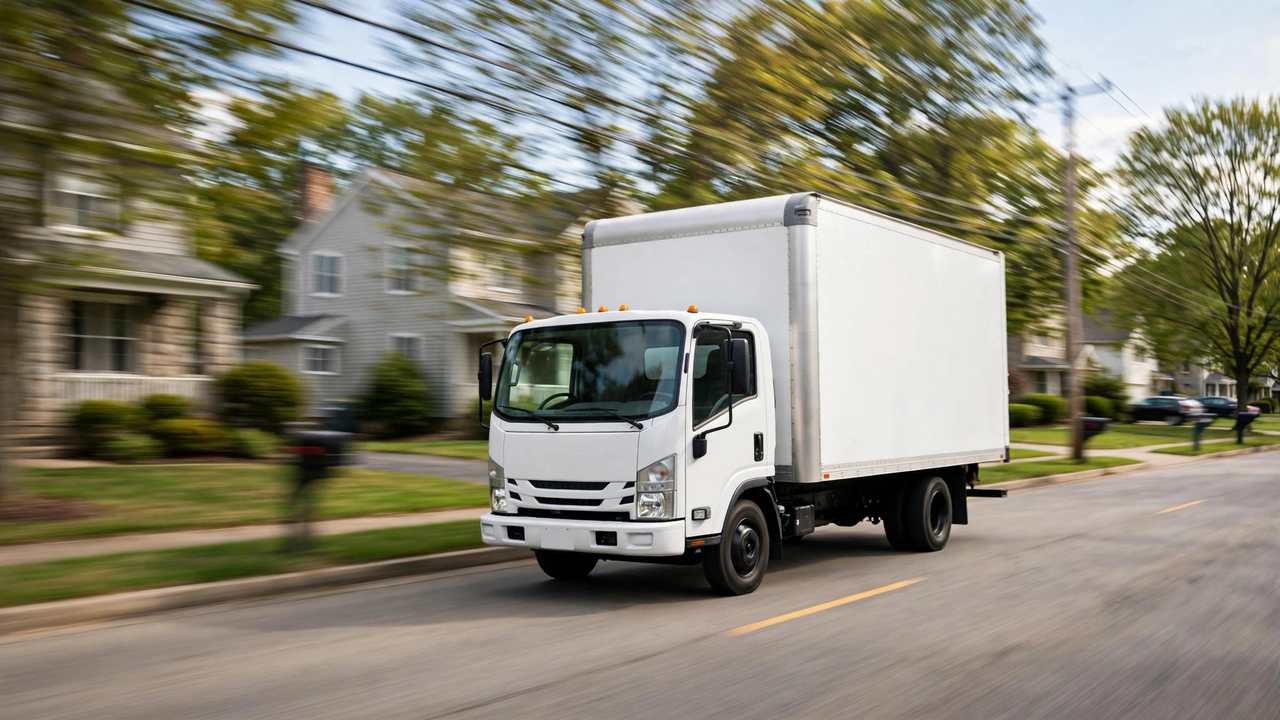
Leasing a semi truck is one of the most common ways for owner operators and small carriers to get a tractor without the massive upfront cost of buying one outright. A new Class 8 tractor can cost well over 150,000 dollars, and even a dependable used model often sells for 60,000 to 90,000 dollars. For many trucking businesses, tying up that much capital in a single asset simply does not make sense, especially when loads, rates, and maintenance costs are already unpredictable.
A lease spreads the cost of the truck over a fixed term, usually two to five years, with predictable monthly payments. It can also bundle maintenance, reduce the down payment, and give you a clear path to upgrade to newer equipment when the term ends. This guide walks through what semi truck leasing actually costs, the requirements lessors look for, the lease structures available, and how to decide whether leasing beats buying for your operation.
What Does It Cost to Lease a Semi Truck?
Monthly lease payments for a semi truck typically range from 1,800 to 3,500 dollars for a used tractor and 2,500 to 4,500 dollars or more for a new one. The exact number depends on the truck’s age and mileage, the specifications, the length of the term, and your credit profile. A three year old sleeper with 400,000 miles will lease for far less than a brand new aerodynamic tractor with a high horsepower engine and all the latest safety equipment.
Upfront costs are usually much lower than buying. Many leases require one to three months of payments as a security deposit, plus an acquisition or origination fee that often runs 500 to 2,500 dollars. Some lessors offer zero down leases to well qualified applicants, though these carry higher monthly payments. You should also budget for the first month’s payment, registration fees, and your insurance down payment, which together can add several thousand dollars before the truck ever moves.
Factors That Push Payments Up or Down
The biggest driver of your payment is the capitalized cost, which is the truck’s agreed value at the start of the lease. A truck valued at 120,000 dollars costs substantially more per month than one valued at 70,000 dollars, even with the same interest rate. Mileage allowances matter too. High mileage contracts, such as 130,000 to 150,000 miles per year, raise the payment because the truck wears out faster and carries a lower residual value.
Term length pulls in the opposite direction. A longer term, such as 48 or 60 months, lowers the monthly payment but means you pay more in total finance charges over the life of the lease. A shorter term keeps the total cost down but demands a higher monthly commitment. Your credit history also plays a major role. Strong business credit and a clean payment record often qualify you for single digit effective rates, while weaker profiles may see double digit rates that add hundreds of dollars to every payment.
Common Semi Truck Lease Structures
The most flexible structure for commercial trucking is the TRAC lease, short for terminal rental adjustment clause. In a TRAC lease, you and the lessor agree on a projected residual value at the end of the term. If the truck is worth more than projected when you turn it in, you receive the difference. If it is worth less, you owe the difference. This structure is popular with fleets because it lowers monthly payments, but it does require you to accept some risk on the truck’s end of term value.
A full service lease bundles the truck with maintenance, repairs, tires, and sometimes roadside assistance for one monthly payment, typically 3,500 to 5,500 dollars. These programs are run by major truck manufacturers and large leasing companies, and they appeal to operators who want total cost certainty. The payment is higher, but you avoid surprise repair bills that can run 10,000 dollars or more for an engine overhaul. The same principles apply to leasing a pickup truck on a smaller scale.
A finance lease, sometimes called a dollar buyout lease, works more like a purchase financed over time. Your payments cover the full value of the truck plus finance charges, and at the end of the term you buy the truck for a nominal amount, often one dollar. This is a good fit if you know you want to own the truck eventually but prefer lease style accounting or need to preserve cash flow in the early years of the contract.
Requirements to Lease a Semi Truck
Lessors want to see that you can reliably make a payment of several thousand dollars every month. Most require at least one to two years in business under your current MC or DOT authority, though some work with newer authorities at higher rates. Expect the lessor to pull both your business and personal credit. A personal credit score of 650 or above opens far more options, and scores above 700 qualify for the best terms. The general rules about what credit score you need to lease a vehicle apply here too, though commercial truck standards are stricter than consumer car leasing.
Insurance is a hard requirement, not an optional add on. You will need primary liability coverage of at least 750,000 to 1,000,000 dollars, cargo insurance, and physical damage coverage naming the lessor as the loss payee. Many lessors will not release the truck until they have certificates of insurance in hand. If you are leased onto a carrier, their insurance may satisfy some requirements, but you should confirm this in writing before signing anything.
Documents You Will Need to Apply
The application package for a semi truck lease is more involved than a consumer car lease. Have your MC and DOT numbers ready, along with proof of your operating authority. Lessors typically ask for the last six to twelve months of bank statements, recent tax returns, and a profit and loss statement, so the underwriter can verify your revenue covers the payment.
You will also need a valid commercial driver’s license, your current insurance declarations page, and references from previous lessors or lenders if you have them. Owner operators who are just starting out should expect to provide a larger down payment or an additional guarantor. It is also worth checking work truck leasing for small business owners if your operation runs lighter vehicles alongside tractors, since the application process shares many of the same steps.
Operating Costs Beyond the Lease Payment
The monthly lease payment is only part of what a semi truck costs to run. Fuel is usually the largest expense, and a long haul tractor running 120,000 miles a year can burn 18,000 to 22,000 gallons of diesel. At current prices that is 70,000 to 90,000 dollars a year, dwarfing the lease payment itself. Fuel efficiency should be a major factor in which truck you choose, since a gain of even half a mile per gallon saves thousands of dollars annually.
Maintenance costs average 15,000 to 25,000 dollars per year for a used tractor, covering oil changes, brakes, tires, and the inevitable breakdowns. A full service lease shifts this burden to the lessor, which is why many small fleets choose it despite the higher payment. Budget a fixed per mile maintenance reserve, often 12 to 18 cents per mile, so repair bills never catch you short.
Should You Lease or Buy Your Semi Truck?
Leasing usually wins when cash flow matters more than ownership. If your business is growing, if rates are uncertain, or if you want to run newer trucks with warranty coverage, a lease keeps your capital free and your repair exposure low. Leasing also simplifies taxes for many operators, since the full monthly payment is typically deductible as a business expense, though you should confirm the treatment with your accountant.
Buying usually wins when you run high mileage and keep trucks for a long time. If you drive 140,000 miles a year and plan to run a truck for seven years, ownership often beats repeated lease cycles, especially on a well maintained used truck. Buyers also avoid mileage penalties and end of lease wear charges entirely. Run the math both ways over the same horizon and let the per mile cost decide.
Tips for Negotiating a Better Semi Truck Lease
Negotiate the capitalized cost the same way you would negotiate a purchase price. Dealers and lessors often have room to move, especially on trucks that have been sitting on the lot. Get quotes from at least three sources and compare the total cost of the lease, not just the monthly payment.
Read the wear and tear clause carefully before you sign, and ask for the inspection standards in writing. Photograph the truck thoroughly at delivery. Also watch the early termination language. Commercial truck leases are hard to exit early, and termination fees can equal most of the remaining payments, so only sign a term you are confident you can complete.