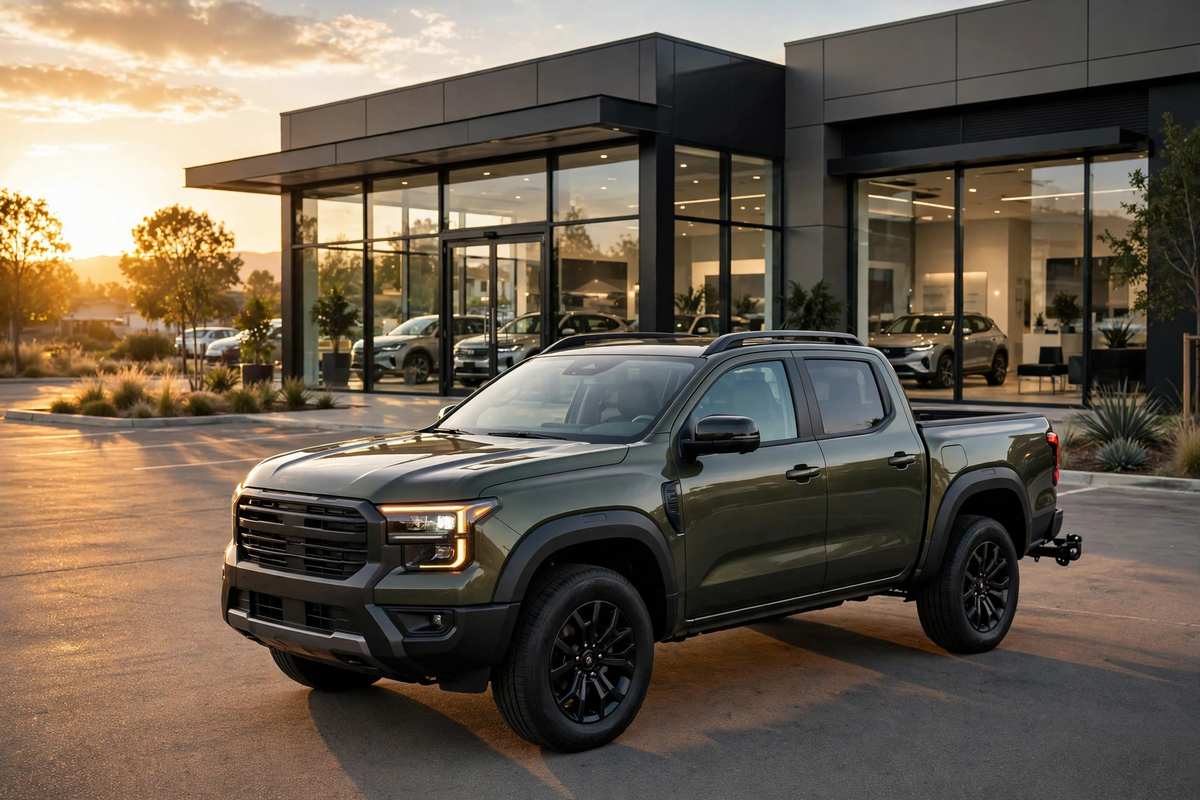
Pickup trucks are the best selling vehicles in America, and leasing one can look like a smart way to get behind the wheel of a brand new rig without paying the full sticker price. The monthly payments are lower than financing, the warranty usually covers the whole lease term, and you can swap into a newer truck every few years. But truck leases have quirks that car leases do not, and signing one without understanding them can turn a good deal into an expensive lesson.
The biggest differences come from how trucks are used. Trucks get worked hard, they are expensive to buy, and their resale values behave differently from sedans and crossovers. All of that flows into the lease math. Before you shop, it helps to know how truck leases differ, what to watch for in the fine print, and how to decide whether leasing a pickup makes sense for the way you actually use it.
How Pickup Truck Leases Differ From Car Leases
The lease math on a truck starts the same way as any other lease. The leasing company sets a capitalized cost, which is essentially the price of the truck, and a residual value, which is what they predict the truck will be worth when the lease ends. Your payments mostly cover the difference between those two numbers plus a finance charge. Where trucks diverge is in the size of those numbers and how stable they are.
Full size pickups hold their value unusually well, which means residual values tend to be high. A high residual is good news for lease payments, because you are financing less depreciation. That is one reason advertised truck lease payments can look surprisingly close to midsize sedan payments even though the sticker price is much higher. If you want a deeper explanation of how that number works, read what capitalized cost means in a lease before you start negotiating.
The other difference is how the lease treats the way you use the truck. Mileage limits apply to trucks just like cars, and trucks tempt drivers into racking up miles fast. Towing, hauling, and job site runs eat miles quickly. A standard twelve thousand mile per year allowance may feel tight if the truck is doing real work. It is worth learning how annual mileage caps work so you can pick an allowance that matches your driving instead of guessing.
Work Use and the Wear and Tear Question
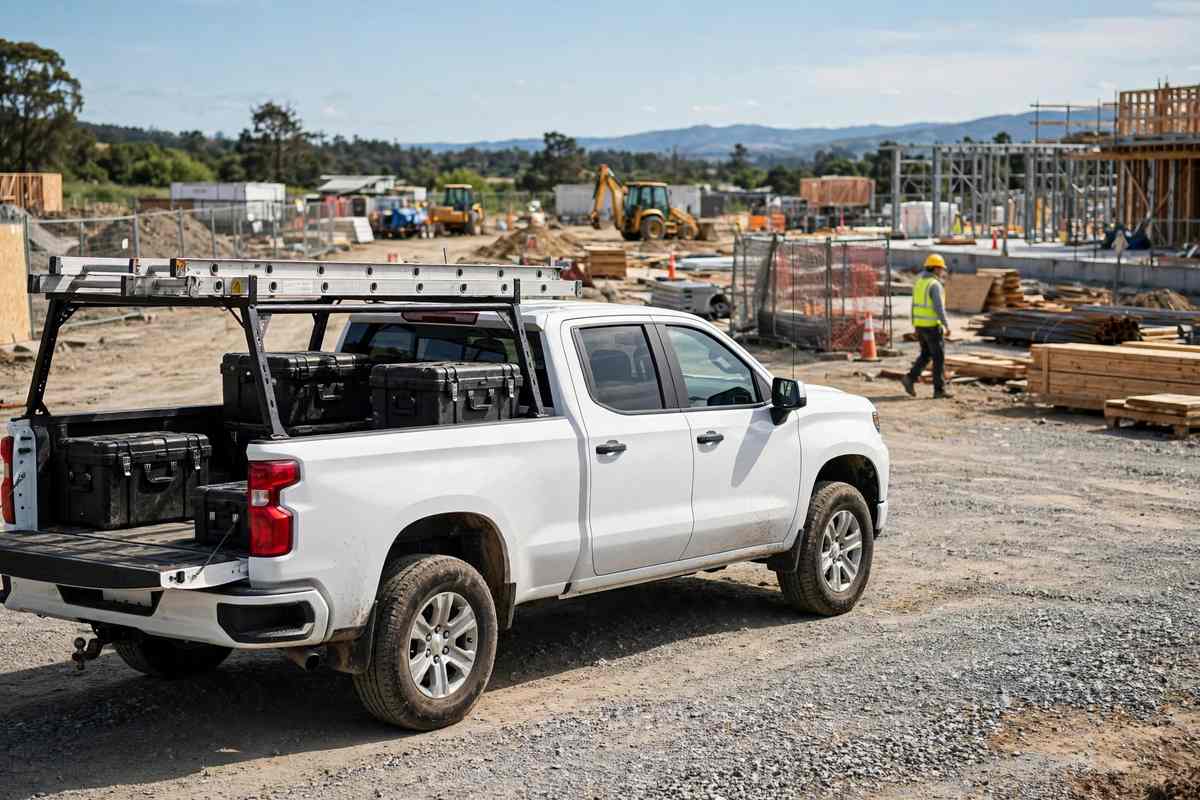
Here is where truck leases catch people off guard. Lease contracts require the vehicle to be returned in good condition, and most truck drivers put their vehicles through rougher duty than the average commuter. Scratches in the bed, scuffed bumpers, worn work boots grinding the sills, and cargo related dents are all par for the course in a working truck. At lease end, each of those can be judged as excess wear.
None of this means you cannot lease a truck you plan to work. It means you should be deliberate about it. A spray in bed liner, fitted floor mats, and seat covers cost a few hundred dollars and can save you from hundreds in wear charges later. Some lessors also sell wear and tear protection plans at signing. These are not always worth it, but on a truck that will see job sites, they deserve a harder look than they would on a garage kept sedan.
Modifications You Should Never Make to a Leased Truck
Truck owners love to personalize, and that instinct clashes with lease rules. Lift kits, aftermarket wheels, drilled bumpers for auxiliary lighting, and non removable toolboxes are all common truck modifications that a leasing company can treat as unauthorized changes. At best you pay to remove them and restore the truck. At worst you pay for diminished value.
The safe rule is simple. If a modification cannot be removed cleanly before return, do not install it. Bolt on accessories that leave the truck in factory condition when removed are generally fine, but check the lease language first. Some contracts are stricter than others about even removable additions.
Towing, Payload, and Lease Restrictions
Lease contracts rarely forbid towing outright, but they do set maintenance and condition expectations that heavy towing can complicate. Regular towing wears brakes, tires, and the transmission faster, and if that wear shows up as damage at return time, you pay for it. There is also the question of the tow package itself. Ordering a truck with a factory tow package is always smarter than adding one later on a lease.
Payload matters too. Repeatedly overloading the bed stresses the suspension and frame in ways that can be visible at inspection. Stay within the rated payload printed on the door jamb sticker. Not only is that safer, it keeps you clear of lease end arguments about abuse.
Negotiating a Pickup Truck Lease
Everything negotiable in a car lease is negotiable in a truck lease, starting with the capitalized cost. Many truck shoppers fixate on the monthly payment and skip negotiating the truck’s price, which is exactly what the dealer wants. A thousand dollars off the price cuts your payment by roughly thirty dollars a month on a typical term, so the discount matters just as much as it does in a purchase.
Watch the money factor too, which is the lease equivalent of an interest rate. Dealers sometimes mark it up quietly, and truck buyers rarely ask about it because they are focused on the payment. Converting it to an approximate APR helps you compare. Multiply the money factor by twenty four hundred to get a rough sense of the rate you are being charged.
Truck incentives peak at predictable moments: end of the model year, holiday sales events, and the weeks before a redesigned model lands. Truck manufacturers also run lease subvention programs with supported money factors on specific trims. Ask the dealer which programs are running on the trim you want, since the advertised special may only apply to a bare bones work truck while you are shopping a loaded crew cab.
Choosing the Right Lease Term and Mileage
Thirty six months is the standard truck lease term for good reason. It usually lines up with the bumper to bumper warranty, which means you are never paying for major repairs out of pocket. Stretching to forty eight months can lower the payment, but it pushes you past warranty coverage on most trucks, and one out of warranty repair can wipe out the monthly savings.
Mileage choice deserves honest math. Add up your real annual driving, including towing trips and job site runs, then add a cushion. Buying miles upfront at signing costs less per mile than paying the overage penalty at lease end, often by a wide margin. A common mistake is choosing the lowest tier to get the advertised payment, then paying thousands in overage charges. Be realistic about how far a truck really goes in a year.
To see exactly how those choices flow through to the number you pay each month, walk through how monthly lease payments are calculated. Understanding the formula turns you from a payment shopper into a deal shopper, and the difference shows up in your wallet.
Leasing vs. Buying a Pickup Truck
Leasing wins when you want a new truck every few years, value warranty coverage, and like a predictable payment. It also wins when you take the standard deduction or do not itemize, since purchase deductions are worth less to you. Buying wins when you keep trucks for a long time, drive very high miles, modify heavily, or tow and haul in ways that would rack up wear charges.
The break even math favors buying the longer you keep the truck. A truck kept eight to ten years almost always costs less to own than two consecutive leases. But that assumes you are fine driving an older truck and paying for repairs after the warranty expires. Some people are. Some people are not. The honest answer depends on your habits, not on a universal rule.
One more consideration: trucks that hold value extremely well can make lease buyouts attractive. If your truck is worth more than the contract’s residual value at lease end, buying it out and selling it yourself can put real money in your pocket. Check the market value of your truck a few months before the lease ends. A strong used truck market can turn the end of your lease into a small windfall instead of a goodbye.
The Bottom Line on Leasing a Pickup Truck
Leasing a pickup truck can be a great move, but it rewards preparation more than most vehicle leases do. Pick your mileage tier honestly, protect the bed and interior from day one, negotiate the capitalized cost like a purchase, and think twice before modifying anything. Do those four things and the truck lease works the way it is supposed to: a new truck, a predictable payment, and a clean handoff when the term ends.