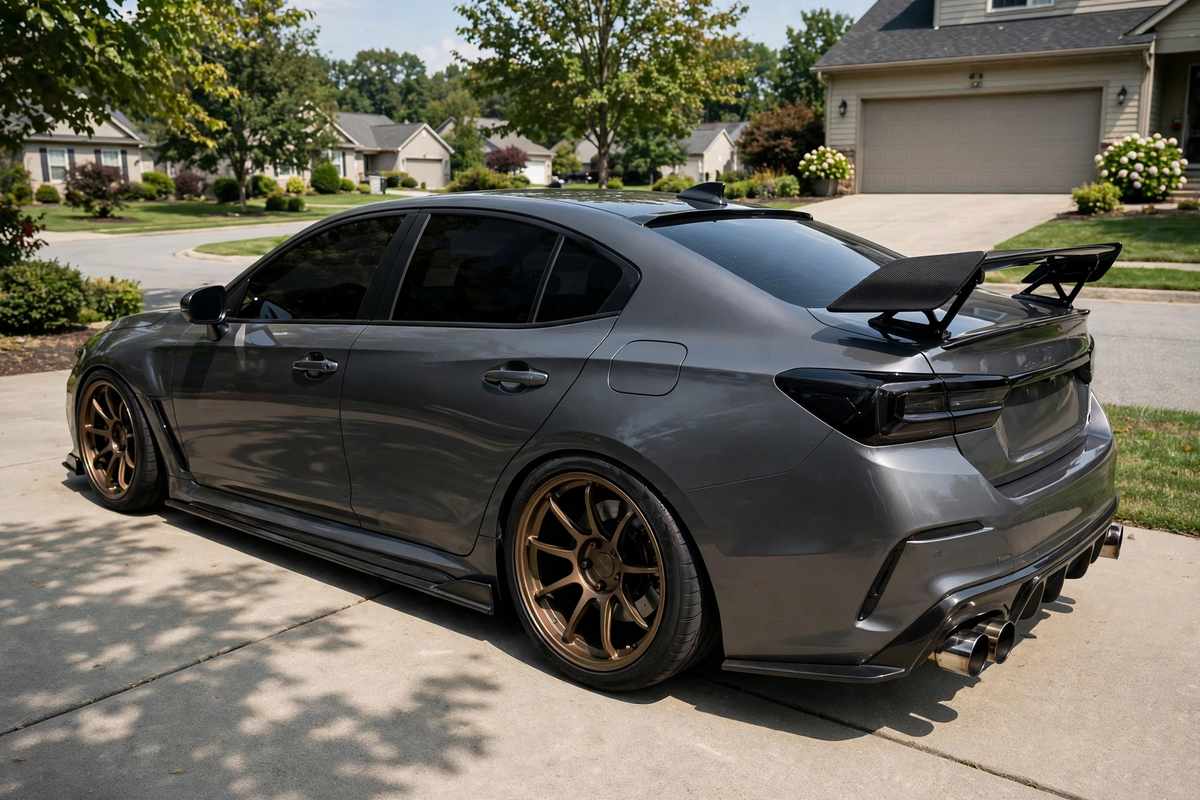
Window tint keeps the cabin cooler, cuts glare, and gives the car a sharper look. On a car you own, it is one of the most popular upgrades. On a leased car, it sits in a gray area. Some lenders tolerate it, most lease contracts technically prohibit it, and almost all of them expect the car back with factory glass. The question is not just whether tint is allowed while you drive the car, but what it costs you at turn-in.
The short answer: tint is a modification, and like other aftermarket mods on a leased car, it generally has to come off before you return the vehicle. This article covers what lease contracts say about tint, how state laws complicate the picture, what removal costs, and how to handle tint the smart way if you want it during your lease.
What Lease Contracts Say About Window Tint
Most lease agreements prohibit alterations to the vehicle without the lessor’s written permission, and tint film counts as an alteration. The contract does not usually name window tint specifically. It does not need to. The broad ban on modifications covers it, along with everything else that was not on the car at delivery.
In practice, lenders rarely come after you for tint during the lease. Nobody is inspecting your windows at month fourteen. The enforcement moment is turn-in, when the car has to be restored to factory condition for resale. At that point, tint film on the windows is treated like any other non-factory addition: it has to be removed, and any damage from the tint or its removal is your responsibility.
There is one exception worth knowing. Some dealers offer tint as a dealer-installed accessory at lease signing, and in those cases the tint is documented as part of the vehicle’s delivered condition. If your tint was applied by the dealer and noted on your paperwork, you are in the clear. Keep that documentation, because the inspector at turn-in will not know the tint was dealer-installed unless you can prove it.
State Tint Laws Add a Second Layer of Rules
Even if your lender looked the other way, state law sets hard limits on how dark your tint can be. Every state has its own rules for visible light transmission, which is the percentage of light that must pass through the glass. Front side windows are regulated most strictly, usually requiring 35 to 70 percent light transmission depending on the state. Rear windows are often allowed to be darker.
These laws matter for leased cars for two reasons. First, a tint that is illegal in your state can get you a ticket, and tickets and registration issues follow the driver, not the car. Second, if you move to a different state during your lease, the tint that was legal where you signed may be illegal where you live now. The lease contract will not protect you from a citation.
Medical exemptions exist in many states for drivers with light sensitivity conditions, but they require documentation from a physician and sometimes a special permit. An exemption covers the ticket, not the lease contract. Even with a valid medical exemption, the lender can still require the tint to be removed at turn-in.
What Happens to Tint at Lease Return
At the lease-end inspection, tinted windows are noted as a non-factory modification. The standard outcome is a removal charge. The lender’s contracted rate for tint removal typically runs $100 to $300 depending on how many windows are tinted and how stubborn the film is. Old, bubbling, or purple-tinted film costs more to remove than fresh, high-quality film.
Removal is not always clean. Tint adhesive can damage the rear window defroster lines when it is peeled off, and replacing a rear defroster grid or the entire rear glass is far more expensive than the tint removal itself. Scraping adhesive off side windows can scratch the glass, and scratched glass is billable under the same standards as other excess wear and tear. This is why removing the tint yourself, carefully, is usually the better financial move.
There is also the question of whether the dealer might just leave the tint on. Some dealers will accept a tinted car if the tint is legal, in good condition, and the car is being resold locally rather than sent to auction. Do not count on this. It is a favor, not a policy, and it depends on the dealer’s mood, the car’s value, and the tint’s condition. Plan to remove it, and treat any waiver as a bonus.
Removing Tint Before Turn-In: How to Do It Right
Professional tint removal costs $100 to $200 at most shops, and it is money well spent. Professionals use steamers and the right solvents to lift the film without damaging the defroster lines or scratching the glass. The job takes one to two hours. If your tint is old or bubbling, mention that when you book, because degraded film takes longer and may cost more.
If you remove the tint yourself, use a steamer or a hair dryer on low heat to soften the adhesive, and peel slowly at a sharp angle. Never use a razor blade on the rear window, where the defroster lines live. A plastic scraper and adhesive remover are safer on side glass too. Work in the shade, because heat makes adhesive gummy and harder to clean. After the film is off, clean every window thoroughly with glass cleaner and inspect for scratches and adhesive residue in bright light.
Timing matters. Remove the tint at least a week or two before the inspection, so you have time to deal with any damage the removal reveals. If the defroster lines got nicked or the glass got scratched, you need time to get a repair quote. Discovering the damage on inspection day leaves you paying the lender’s rate with no chance to shop around.
If You Want Tint During Your Lease Anyway
Many lessees decide the comfort and looks are worth the hassle, and that is a reasonable choice as long as you go in with open eyes. If you tint a leased car, do it in a way that minimizes the turn-in pain.
First, use a reputable shop and high-quality film. Cheap film bubbles, fades, and turns purple, and degraded film is harder to remove and more likely to damage the glass. Quality ceramic or carbon film costs more upfront but removes cleanly and looks better for the life of the lease. Keep the receipt, because it documents the film type if any questions come up.
Second, stay within your state’s legal limits, especially on the front side windows. Legal tint draws no attention from law enforcement, and it is the tint most likely to be in good condition at turn-in. Keep the tint shop’s compliance certificate in the glove box if your state provides one.
Third, budget for removal from day one. Set aside $150 for professional removal at lease end, and schedule it as part of your turn-in preparation, right alongside the dent repairs and the detailing. Treat it as a known cost of enjoying tinted windows for three years, not as a surprise. When you run the numbers honestly, a few hundred dollars for removal is a fair price for years of cooler, more comfortable driving, as long as it does not catch you off guard at the end.