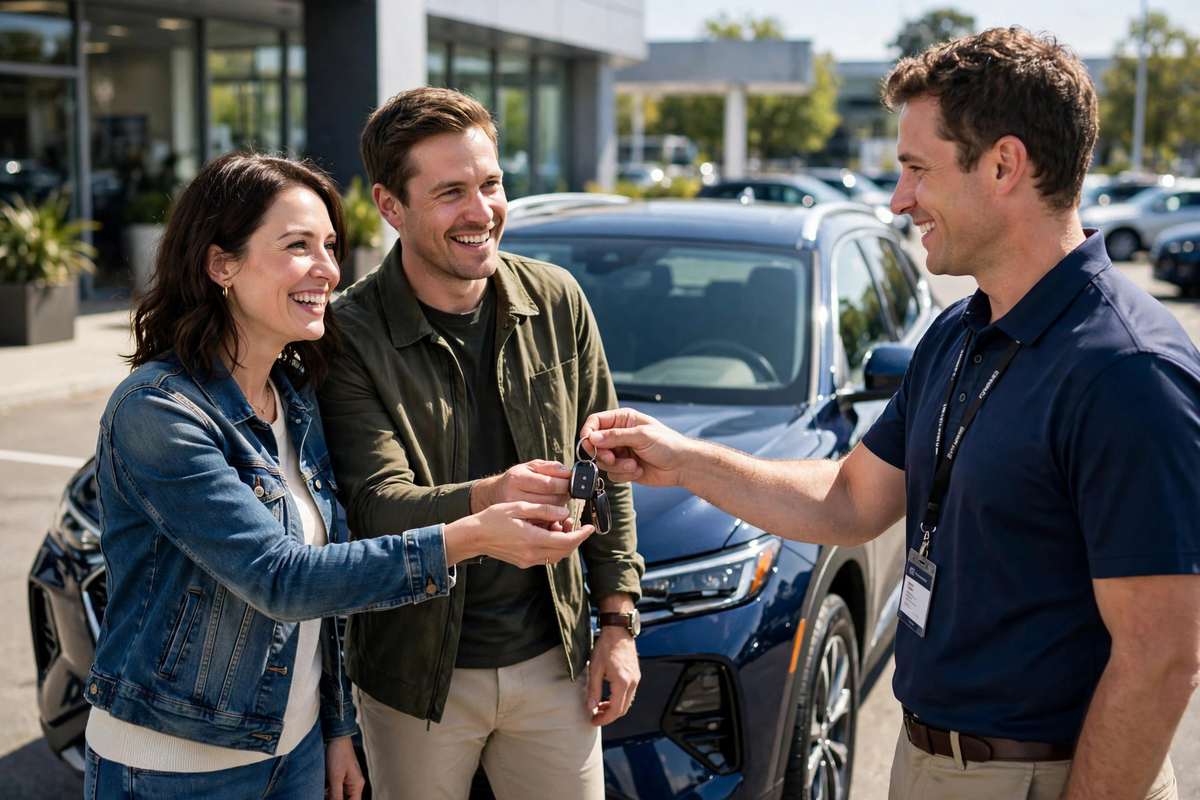
Your lease is ending, the car has been good to you, and now the leasing company is asking the big question: do you want to buy it? The buyout price was set years ago when you signed the lease, and in today’s market that number might be a bargain, or it might be well above what the car is worth. Getting this decision right can save or cost you thousands of dollars.
This guide walks through how to evaluate the buyout, when buying makes sense, when walking away is smarter, and the practical steps to complete the purchase. By the end, you will know exactly which side of the decision you land on.
How the Lease Buyout Price Works
Every lease contract includes a residual value, which is the leasing company’s prediction of what the car would be worth at the end of the term. Your purchase option price is usually that residual plus a small purchase option fee, often a few hundred dollars. This price was locked in when you signed, regardless of what the used car market did afterward.
That fixed price is what creates the opportunity. If used car values rose during your lease, your buyout price may be well below the car’s current market value. You would effectively be buying a car you know well at a discount. If values fell, the buyout may exceed what the car is worth, and buying would mean overpaying.
Some contracts also offer an early buyout option, letting you purchase the car before the lease ends. The price is typically the remaining payments plus the residual, adjusted for interest. Most people wait until the end of the term, when the math is simplest and the price is exactly what the contract states.
Step 1: Find Your Buyout Price
Start with your lease agreement. The residual value and purchase option fee are spelled out there. Then call your leasing company for the current payoff quote, which confirms the exact number and tells you the deadline for exercising the option. Get this in writing.
Ask whether the buyout price is negotiable. Policies differ: some leasing companies treat the contract price as final, while others will negotiate, especially if the car’s market value is below the residual. It costs nothing to ask, and the answer shapes your whole strategy. Even when the price is firm, returning drivers can sometimes get help through lease loyalty programs and discounts for returning lessees on their next vehicle.
Step 2: Determine the Car’s Market Value
Check the car’s value on at least two pricing sources. Look at retail listings for the same year, make, model, trim, and mileage in your area. Online valuation tools give a starting point, but real asking prices from dealers tell you what the market actually supports.
Be honest about your car’s condition. A well maintained car with low miles is worth more than average. A car with accident history, worn tires, or interior damage is worth less.
When Buying Your Leased Car Makes Sense
The buyout is below market value
This is the clearest signal. If your buyout is 18,000 dollars and comparable cars sell for 22,000, you are getting a known quantity at a 4,000 dollar discount. Even if you do not want to keep the car long term, buying and reselling can put money in your pocket.
You are over on miles or wear
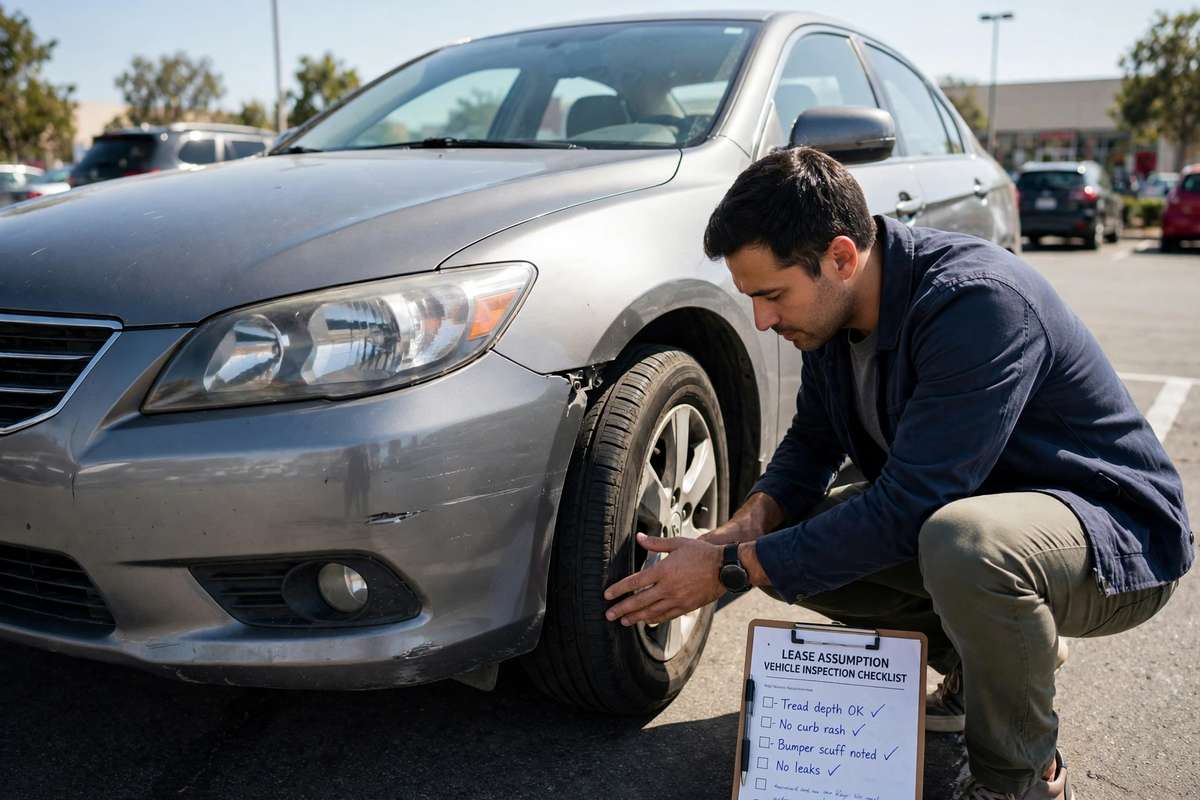
Lease end charges for excess mileage and wear can be brutal. Mileage overages often run 20 to 30 cents per mile, and damage assessments add up fast. If you would owe 3,000 dollars in fees to turn the car in, buying it sidesteps those charges entirely. Run both scenarios before you decide. A quick look at what lease end inspectors check will help you estimate the fees you might face.
You love the car and it has been reliable
Not every decision is pure math. If the car fits your life, has been trouble free, and you know its full service history, keeping it can be the comfortable choice. Familiarity with a reliable car is worth something, especially compared to rolling the dice on another used vehicle.
Financing is available at a good rate
A buyout usually means arranging financing unless you pay cash. If you qualify for a competitive auto loan rate, the monthly payment on the buyout may be close to or below your lease payment. Check rates before the lease ends so you are not scrambling.
When Walking Away Is Smarter
The buyout exceeds market value
If your buyout is 24,000 dollars and the car is worth 19,000, buying means instantly overpaying by 5,000. The leasing company set the residual too high, and their forecasting error is not your problem. Turn the car in and shop the market instead.
The car has been unreliable
A car that spent time in the shop during the warranty period will not get more reliable out of warranty. If you have doubts about its long term health, let it go. Your lease gave you an exit, so use it.
Your needs have changed
A coupe that was perfect at 25 may not suit a family at 30. A sedan may not cut it if you now need towing capacity. Leases are built for life stages, and the end of the term is a natural moment to reassess what you actually need.
You can lease or buy something better for less
Markets shift. Incentives, new models, and interest rates change the landscape every year. If a new lease or a different used car gives you more for your money, do not let attachment to your current car override the numbers.
The Third Option: Buy and Sell for a Profit
When the buyout is well below market value, you do not have to keep the car to benefit. Buy it at the contract price, then sell it privately or to a dealer at market value. The spread is your profit, minus taxes and fees.
Watch the tax math. In many states you will pay sales tax on the buyout, which eats into the margin. Some states offer a resale exemption if you sell quickly, but the rules are specific and unforgiving. Run the numbers with taxes included before counting your profit.
Timing matters too. Used car values move, and the gap between your buyout and market value can narrow. If you plan this route, line up your financing and your buyer in advance so you can move quickly once the lease ends.
Trading In Instead of Buying Out
There is a hybrid option many drivers miss. A dealer can buy the car from the leasing company at your buyout price and apply any equity toward your next vehicle. If your car is worth more than the buyout, that equity becomes your down payment on the next lease or purchase.
This works best when you are getting another car from the same dealer. Get quotes from multiple dealers, because the trade value they offer can vary. Our guide to trading in a leased car explains how to make sure you capture the full equity.
How to Complete the Buyout
Contact your leasing company a few weeks before the lease ends and request the buyout paperwork. You will need to arrange payment, either cash or financing, and handle the title transfer. Some companies let you complete the buyout online or through a dealer, while others require mailed paperwork.
Budget for the extras: sales tax on the purchase price, title and registration fees, and the purchase option fee from your contract. These vary by state, and sales tax is usually the biggest addition. Ask the leasing company for an itemized total so there are no surprises.
If you are financing, shop lenders before the deadline. Banks, credit unions, and online lenders all offer buyout loans, and rates differ. Having financing approved in advance keeps you from accepting a bad rate under time pressure. And if you decide the car is not worth buying but you still need wheels, extending your lease for a few months can buy you time to shop without rushing.
Making Your Decision
Buying your leased car at lease end comes down to three questions. Is the buyout below market value? Would returning the car trigger expensive fees? And do you actually want to keep driving it? If the answers point toward buying, arrange your financing and complete the paperwork before the deadline.
If the numbers do not work, walk away cleanly. Prepare the car properly for turn in to minimize charges, and start shopping early for your next vehicle. Either way, the key is deciding based on current facts rather than habit, because a few hours of research at lease end is worth thousands of dollars.