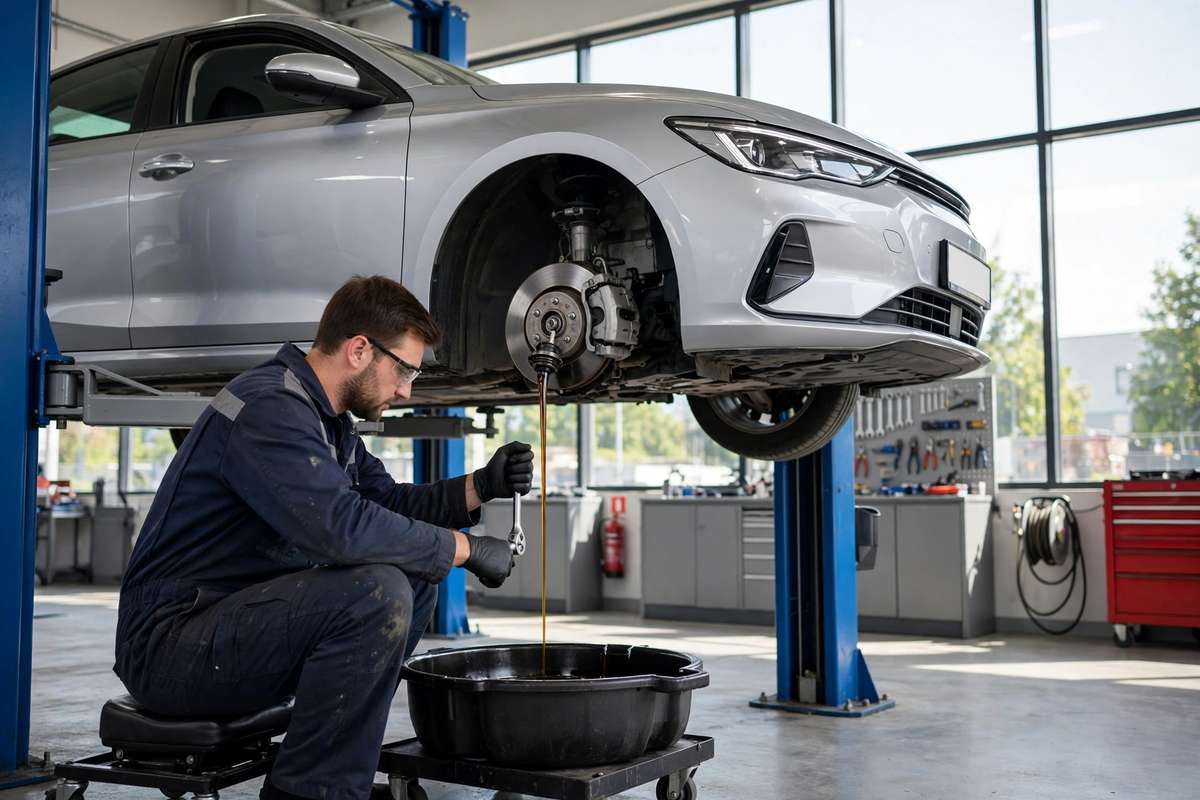
When you sign a car lease, the monthly payment is only part of the story. Oil changes, tire rotations, cabin filters, and brake inspections all keep coming due, and someone has to pay for them. Prepaid maintenance plans promise to bundle those costs into one upfront payment, so you never face a surprise service bill during your lease.
But are these plans worth it for a lessee? The answer depends on the plan’s price, what it covers, how long you keep the car, and how the lease handles maintenance responsibilities. This guide breaks down how prepaid maintenance plans work for leased cars, when they save money, and when you should pass.
What Is a Prepaid Maintenance Plan?
A prepaid maintenance plan is a package you buy, usually at the time you sign the lease, that covers scheduled service for a set period or mileage. Typical plans include oil and filter changes, tire rotations, multi point inspections, engine air filter replacements, and cabin air filter replacements. Premium plans may add brake pads, wiper blades, or alignment checks.
The plan is priced as a single amount, which you can pay upfront or roll into the lease’s capitalized cost. Rolling it into the lease spreads the cost across your monthly payments, though you will pay a small amount of extra finance charge on it, just like any other capitalized item.
Who Handles Maintenance on a Leased Car?
Before buying any plan, understand your baseline obligations. Lease contracts require you to maintain the vehicle according to the manufacturer’s schedule. Skipping maintenance can lead to warranty problems and excess wear charges at lease end.
Our guide on who pays for maintenance on a leased car explains the split in detail. In short, routine scheduled maintenance is your responsibility as the lessee, while warranty covered repairs are the manufacturer’s. A prepaid plan covers the first category, not the second.
How Prepaid Plans Are Priced
Dealers price prepaid maintenance plans based on the manufacturer’s published service schedule for your vehicle and term length. A 36 month plan on an economy sedan might cost 600 to 900 dollars, while the same term on a luxury vehicle with pricier oil and parts can run 1,200 to 1,800 dollars.
These plans are negotiable, just like the rest of the lease. The finance office presents a menu price, but there is often room to move, especially near the end of the month when sales targets loom. Get the plan price in writing and compare it against what the same services would cost if you paid for them one visit at a time.
Doing the Math: Is It Worth It?
The value question comes down to simple arithmetic. List the services the plan covers, estimate what each costs at the dealer where you would service the car, and compare the total to the plan price. If the plan costs less than the services bought separately, it saves money.
Remember to count only the services that fall within your lease term. A plan that covers 45,000 miles of maintenance provides no value for the last 9,000 miles if your lease ends at 36,000. Match the plan’s coverage window to your actual lease term and mileage allowance so you are not paying for service you will never use.
What Prepaid Plans Typically Exclude
Read the exclusion list carefully, because it is longer than most buyers expect. Tires are usually excluded or covered only for rotations, not replacement. Brake pads and rotors may be excluded on basic plans. Damage from accidents, neglect, or aftermarket modifications is never covered.
Wear items are the big gray area. Your obligations for brakes and tires on a lease continue regardless of the plan, so budget separately for a set of tires if your lease term and driving habits will wear out the originals. Knowing the exclusions upfront prevents disappointment at the service counter.
Where You Can Get Service Under the Plan
Most prepaid plans require service at the selling dealer’s service department or within the manufacturer’s dealer network. Some plans from third party providers allow independent shops, but manufacturer backed plans usually do not. Check the terms if you move or travel frequently during the lease.
There is a hidden benefit to dealer only service: a complete dealer service history. When you return the car, documented dealer maintenance supports your case that the vehicle was properly cared for, which can help if any wear or condition questions come up at inspection.
Prepaid Plans and Lease End Condition
Well maintained cars return better. Inspectors look for signs of neglect, and a documented service history is your best defense against disputes. Keeping up with oil changes and rotations is not just good for the car, it protects your wallet at turn in.
Before your lease ends, run through a thorough lease return checklist of what to fix before turn in alongside your maintenance records. The combination of proper service and smart preparation minimizes the chance of surprise charges on your final bill.
Plans From the Manufacturer vs the Dealer vs Third Parties
Not all prepaid plans come from the same place, and the differences matter.
Manufacturer Backed Plans
These are sold through the dealer but administered by the automaker or its partner. They are honored at any franchised dealer nationwide, the coverage terms are standardized, and the claims process is smooth. They tend to cost more than dealer specific plans, but the portability is worth it if you might relocate.
Dealer Specific Plans
Some dealers sell their own in house maintenance packages. These are usually cheaper, but they lock you into servicing at that one dealership. If the dealer closes or you move across town, you may struggle to use the remaining coverage. Ask what happens to the plan if you relocate or the dealership changes ownership.
Third Party Plans
Independent companies sell maintenance plans you can buy after signing the lease. Prices vary widely, and so does reliability. Research the provider’s claim payment history and read the contract’s fine print about approved shops and reimbursement procedures. A cheap plan from a company that fights every claim is no bargain.
Negotiating the Plan Price
Treat the maintenance plan like any other line item in the deal. Ask for the price breakdown, compare it to the pay as you go cost, and be willing to decline. Finance managers earn commission on these products, so a polite no often produces a lower second offer.
Timing helps. Buying the plan at lease signing is standard, but some dealers discount plans during service department promotions. You can also ask the dealer to include the first year of maintenance free as part of the overall vehicle price negotiation. Everything in a car deal is connected, so use that to your advantage.
Common Mistakes Lessees Make
The most common mistake is buying coverage that outlasts the lease. A four year plan on a three year lease wastes a full year of payments. Match the plan to your term exactly.
Another mistake is assuming the plan covers everything. Drivers get frustrated at the service counter when they learn tires, brakes, or alignments cost extra. A third mistake is forgetting to actually use the plan. Prepaid services you skip are money thrown away, so set reminders for each scheduled visit.
Alternatives to Prepaid Plans
If the numbers do not work, you have options. Paying for service visit by visit keeps your cash free and works fine if you are disciplined about scheduling. Some lessees set aside a small monthly amount in a separate savings account, which creates the same budget smoothing effect without locking into a contract.
Independent shops often charge less than dealers for routine service on out of warranty items, though warranty period service at the dealer keeps the paper trail clean. For basic items like cabin filters and wiper blades, doing it yourself takes minutes and costs a fraction of dealer prices.
How Maintenance Affects Your Lease End Bill
Lease contracts hold you responsible for excess wear and for maintenance related damage. An engine damaged by missed oil changes can become your financial problem, not the manufacturer’s. Keeping records of every service visit protects you if a dispute arises.
Prepaid plans make compliance automatic in one sense: the services are already paid for, so there is less temptation to skip them. For drivers who tend to postpone maintenance, that nudge alone can be worth the price.
Final Thoughts
Prepaid maintenance plans for leased cars can be a smart buy when the price beats pay as you go service, the coverage matches your lease term, and you will actually use every visit. They are a poor buy when the plan outlasts the lease, excludes the services you need most, or locks you into a single dealer you may not stay near. Run the numbers, read the exclusions, negotiate the price, and choose the option that fits your driving habits and your budget.