Electric cars force a question that gas cars rarely do: is it smarter to lease or to buy? The answer is less obvious than it looks. EV technology moves fast, resale values swing hard, and the federal tax credit treats leasing and buying very differently. For many drivers, the math points in a direction they did not expect.
There is no universal right answer. Your driving habits, tax situation, budget, and tolerance for changing technology all shape the decision. This guide walks through the real tradeoffs so you can choose the option that fits your life instead of following whatever the salesperson suggests.
The Big Picture: Cost Over Three Years
The simplest way to compare is to look at total out-of-pocket cost over a typical three-year period. Add up everything: down payment, monthly payments, insurance, charging costs, maintenance, and any tax credits or rebates. Then subtract the value you still hold at the end, which is the car’s resale value if you bought, or zero if you leased.
In many recent years, leasing has won this comparison for EVs. The reason is the federal tax credit pass-through on leases, which can knock thousands off the capitalized cost without requiring you to have enough tax liability to claim it yourself. A buyer with a modest tax bill might only use part of the credit, while a lessee gets the full benefit reflected in the payment.
That said, the comparison flips if you keep cars for a long time. Buying starts to win around year five or six, once the loan is paid and you are driving payment-free. Leasing is a pay-for-use model, so the savings never compound the way ownership equity does.
Depreciation: The EV Wild Card
No car topic matters more to this decision than depreciation. Electric vehicles have depreciated faster and less predictably than gas cars in recent years. Battery technology improves every model year, new models undercut older ones on price, and manufacturer price cuts on new cars push used values down overnight.
Leasing transfers this risk to the leasing company. Your residual value is locked in at signing, so if the car loses value faster than expected, that is the bank’s problem, not yours. You simply return the keys at the end. For a technology that changes as quickly as batteries, this protection has real financial value.
Buying means you own the depreciation risk. If your three-year-old EV is worth far less than you expected, your total cost of ownership rises with every dollar of lost value. On the other hand, if the market stabilizes and your EV holds its value, you keep the upside as equity.
Technology Turnover Favors Leasing
Think about how much EVs have changed in the past five years: longer ranges, faster charging, better software, and lower prices. The car you buy today could feel outdated well before the loan is paid off, especially if charging speeds or battery chemistry take another leap.
A three-year lease lines up neatly with this pace of change. You get to upgrade to the next generation of range and features without selling a depreciated car or rolling negative equity into your next loan. For early adopters and tech enthusiasts, this upgrade cycle is one of the strongest arguments for leasing.
Buyers should weigh this honestly. If you tend to keep phones for four years and laptops for six, you might be perfectly happy driving the same EV for eight years, and buying wins. If you itch for the newest features, leasing saves you from an expensive cycle of trading in cars that have lost half their value.
Driving Habits and Mileage Limits
Leases come with annual mileage caps, typically 10,000 to 15,000 miles, and exceeding them costs 20 to 30 cents per mile. EVs are cheap to drive per mile, which tempts people to drive more, and that can blow past a lease cap. Before choosing, track your real annual mileage for a few months.
High-mileage drivers usually do better buying, or at least negotiating a high-mileage lease upfront, which is cheaper than paying overage penalties at the end. Our guide to how annual mileage caps work explains the math so you can pick the right allowance instead of guessing.
Charging access matters too. If you can charge at home overnight, either option works. If you depend on public fast charging, the convenience factor and higher per-mile cost narrow the gap between leasing and buying, since both options face the same charging reality.
Tax Credits and Your Personal Tax Situation
The buyer credit and the lease credit are different animals. Buyers claim the credit on their own return, which means they need enough tax liability to use it, and the vehicle must meet strict assembly and sourcing rules. Many shoppers discover at tax time that they qualify for less than the headline $7,500.
Leasing sidesteps both problems. The leasing company claims the commercial credit and passes it through as a discount, and vehicles that fail the buyer rules can still qualify under the lease rules. You do not need any particular tax liability, and you do not file any special forms.
State incentives add another layer. Some state rebates apply equally to leases and purchases, while others favor one or the other. Research your state’s program before deciding, because a generous state rebate can tip a close comparison.
Flexibility and the End of the Term
Leases end cleanly. You return the car, pay any final fees spelled out in your agreement, and walk away. That simplicity is valuable if your life is in flux: a job change, a move, or a growing family can all change what car you need.
Ownership gives you different flexibility. You can sell anytime, modify the car, drive unlimited miles, and eventually drive payment-free. The tradeoff is that selling means dealing with the market, and in a fast-depreciating segment that can be painful.
One hybrid path deserves mention: lease first, then buy. Some drivers lease an EV to capture the credit pass-through and dodge early depreciation, then buy the car at lease end if they love it and the buyout price is fair. This works best when the residual was set conservatively, so run the numbers before counting on it.
Insurance, Maintenance, and Other Ongoing Costs
Insurance for EVs runs higher than comparable gas cars, and this hits lessees and buyers alike. Lessees face one extra wrinkle: lease agreements require higher liability limits and full coverage, which can nudge premiums up further.
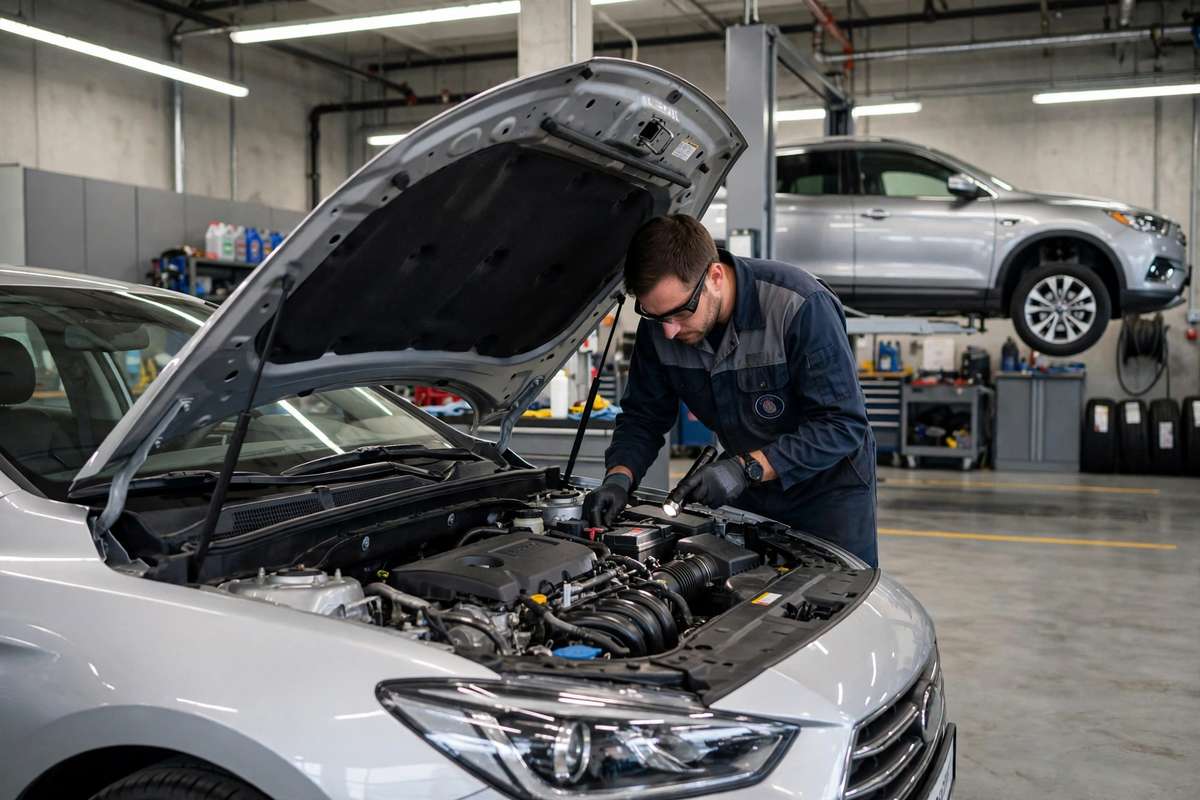
Maintenance favors EVs in general, with no oil changes and fewer moving parts, but tires wear faster on heavy electric cars and replacements are not cheap. Lessees must return the car with acceptable tires, so budget for that. Buyers face the same cost but on their own schedule.
Battery degradation is the long-term question mark. Most manufacturers warranty the battery for eight years or 100,000 miles, which covers a lease term comfortably. Buyers planning to keep the car a decade should look at real-world degradation data for the specific model, since a tired battery is the EV equivalent of a worn-out engine.
Who Should Lease an EV
Leasing tends to win for drivers who want the latest technology every few years, drive predictable moderate mileage, have limited tax liability to claim a buyer credit, or want protection from uncertain resale values. It also suits anyone who values a clean exit: no selling, no haggling, no surprises.
Business owners and rideshare drivers should run the numbers separately, since mileage and tax deductions change the picture. A high-mileage business case can still favor leasing if the deduction math works, but it needs its own spreadsheet.
Who Should Buy an EV Outright
Buying tends to win for drivers who keep cars seven years or more, drive very high or very unpredictable mileage, have the tax liability to claim the full buyer credit, or want to modify and truly own their vehicle. If you charge at home, drive a lot, and hold cars for a decade, buying is usually the cheapest path per mile.
Buying also wins when incentives are thin. If neither the buyer credit nor a lease pass-through applies to the model you want, the lease loses its biggest advantage and ownership equity becomes the deciding factor.
Making the Final Call
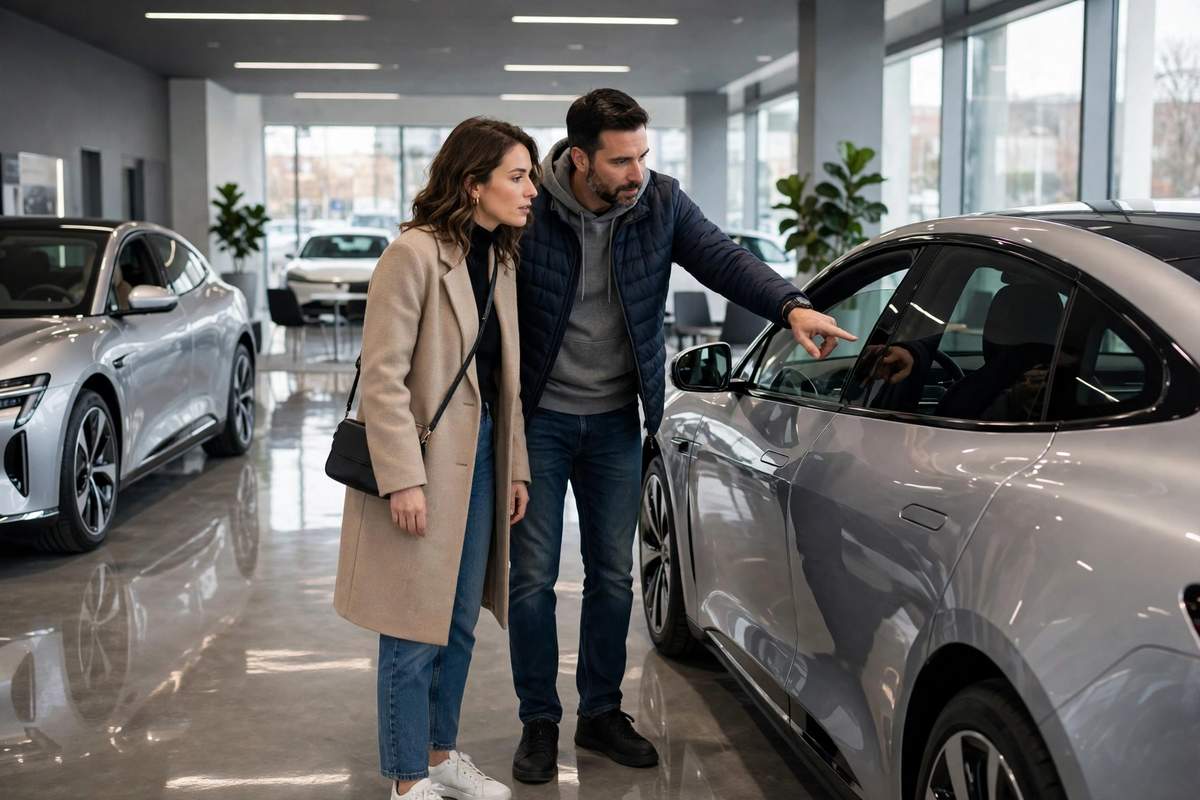
Run your own numbers with real quotes. Get a lease worksheet showing the capitalized cost, money factor, and residual, and get a purchase quote showing the out-the-door price with every incentive applied. Compare total three-year and six-year costs side by side, and be honest about your mileage and how long you actually keep cars.
The EV market rewards shoppers who do this homework. Whether you lease or buy, the biggest savings come from understanding the incentives, not from the financing label on the deal.