You are eighteen months into a thirty-six month car lease, and the dealer down the road just advertised a deal on the newer model that looks too good to pass up. Or maybe your life changed and the coupe you leased no longer fits the car seat you now need. Either way, the same question pops up: can you trade in your lease early?
The short answer is yes, you almost always can. The longer answer is that trading in a lease early is not the same as trading in a car you own, and the financial math can surprise you if you do not understand the rules first. This guide walks through how an early lease trade-in works, the rules that govern it, and how to avoid walking away poorer than you expected.
What It Means to Trade In a Lease Early
When you trade in a car you own, the dealer pays off your loan and applies any leftover value toward your next vehicle. When you trade in a leased car, the dealer buys the car from the leasing company for the remaining balance on the lease, a figure called the payoff amount. If the car’s market value is higher than the payoff amount, you have equity and the difference works in your favor. If the payoff is higher than the market value, you are upside down and that gap has to go somewhere.
Every lease contract allows an early trade-in, because the leasing company is simply selling the car before the scheduled end date. There is no rule that locks you in until month thirty-six. The catch is purely financial: early in a lease, the payoff amount is usually high because you have paid down little of the car’s capitalized cost, while depreciation has already taken its biggest bite.
The Payoff Quote: The Number That Decides Everything
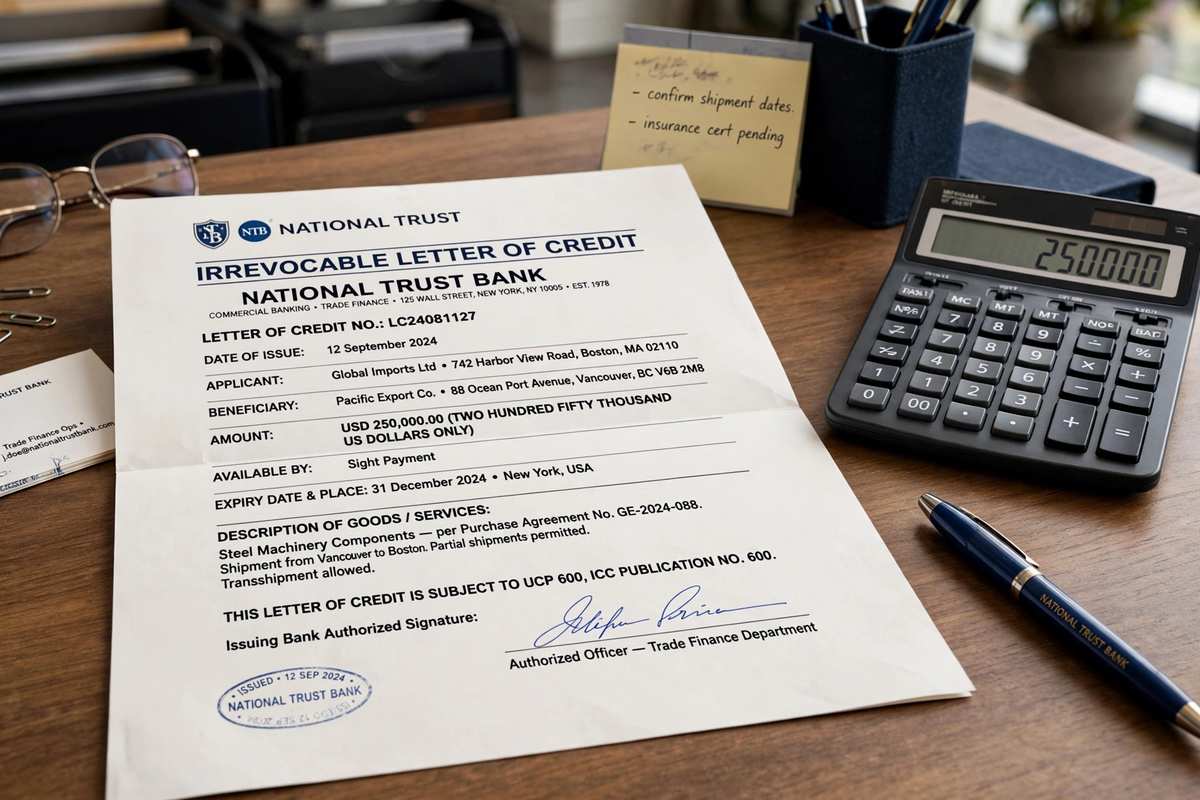
Before you can do anything, you need the current payoff quote from your leasing company. This is not the same as your remaining payments added together. The payoff quote equals the remaining lease balance, which includes the residual value plus remaining payments, adjusted for the early termination calculation in your contract. Most leasing companies issue a payoff figure good for a set number of days, usually ten.
Call the number on your monthly statement or check your online account and request a dealer payoff quote, since the dealer is the party buying the car. Write down the expiration date, because if the quote lapses before the deal closes, the numbers can shift.
How the Math Works in an Early Trade-In
Say your payoff quote is $24,000 and the dealer appraises your car at $26,000. You have $2,000 in positive equity, which the dealer can apply as a down payment on your next lease or return to you as cash. This is the happy scenario, and it is more common than it used to be, since used car values have stayed strong. For a deeper look at the mechanics, read our walkthrough of trading in a leased car and how the process works from start to finish.
Now flip it. If the payoff is $24,000 and the appraisal comes in at $21,000, you are $3,000 upside down. You can pay the difference in cash, roll the negative equity into the new lease, or walk away and wait. Rolling negative equity into a new lease means financing a $3,000 shortfall on top of the next car’s cost, which raises your monthly payment and can put you upside down on the next deal before it starts.
When Positive Equity Is Most Likely
Positive equity tends to show up later in a lease term, when the payoff balance has fallen and depreciation has slowed. It helps when you drove fewer miles than allowed, kept the car in excellent shape, or leased a model with strong resale value. Hot used car markets create surprise equity for many lessees.
When You Are Likely Upside Down
The first year of a lease is the danger zone. Depreciation hits hardest in year one while your payoff balance has barely moved. Add in the fees and taxes folded into your capitalized cost, and the gap between payoff and market value can run several thousand dollars. Dealers are happy to take your early trade-in because they buy an asset at a market-supported price and sell you a new one at a profit.
Rules and Restrictions You Should Know
A few contract rules can complicate an early trade-in. First, some leasing companies restrict third-party buyouts. A dealer outside the brand’s network may not be allowed to purchase the car directly, or may be charged a higher payoff figure than a same-brand dealer. If you leased a Honda and want to trade it toward a Ford, check before you spend a weekend shopping.
Second, a few leases include early termination fee language that applies when the car is grounded rather than purchased. In a trade-in the dealer is purchasing the car, so this fee usually does not apply, but read the termination section of your contract to be sure. Third, your payoff quote and the dealer’s appraisal are two independent numbers. Getting appraisals from more than one dealer is the single best way to improve the math, since trade values can vary by $1,000 or more on the same car.
Wear, Mileage, and Condition Still Matter
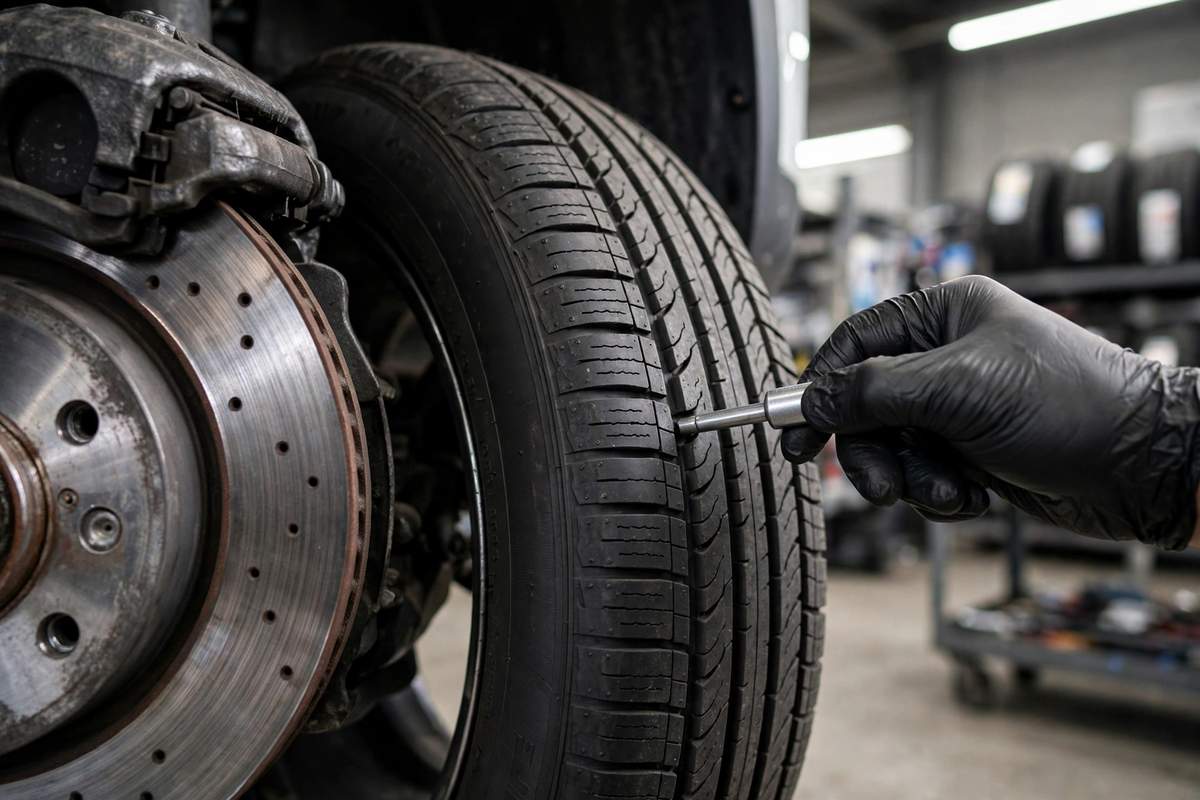
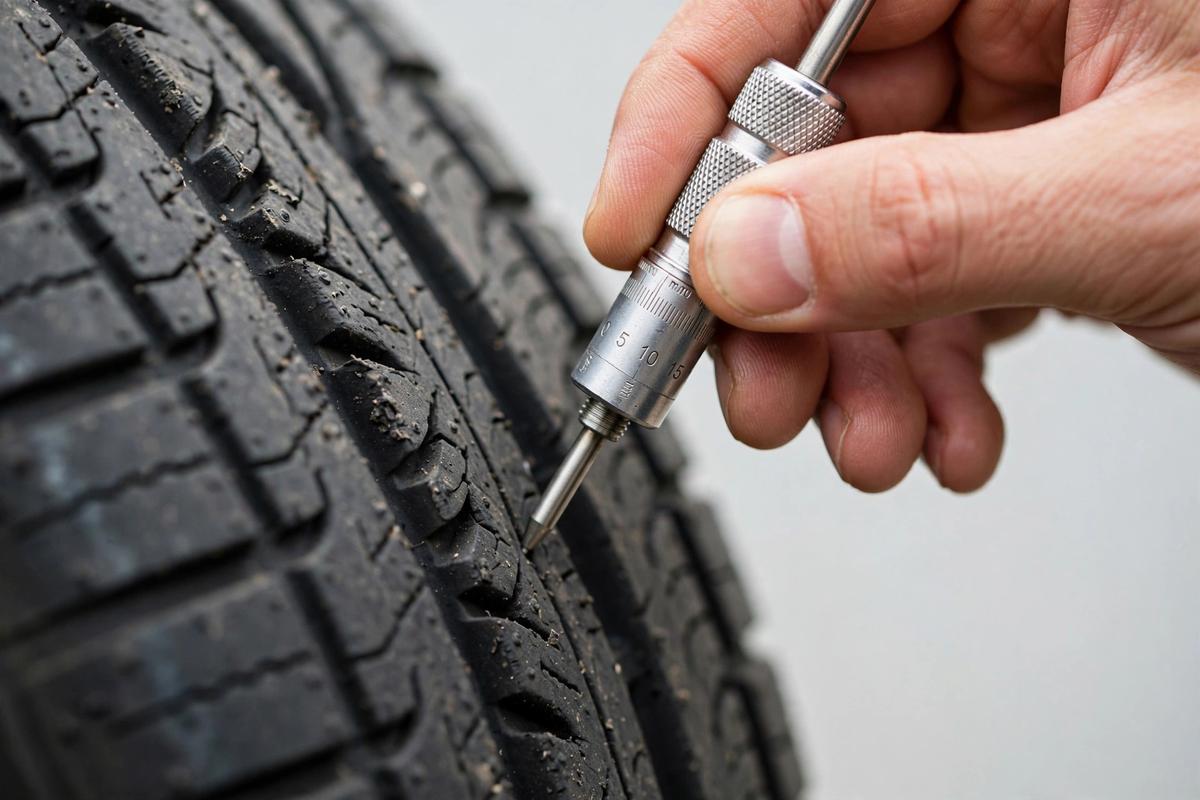
Dealers appraise your leased car like any used car, and condition directly affects the offer. Dings, scratches, worn tires, and stained upholstery drag the appraisal down and widen the gap between payoff and value. Before you seek an appraisal, review what counts as excess wear and tear on a lease so you can handle cheap fixes first.
Mileage works the same way. A car under its annual mileage cap is worth more at trade-in time than one that has blown past it. If you are well under your allowance, mention it during the appraisal. It is a genuine selling point.
Steps to Trade In Your Lease Early
Start by requesting your dealer payoff quote and confirming it is good through your expected closing date. Gather your contract, registration, and maintenance records, because a documented service history strengthens your appraisal. Then get trade-in appraisals from at least two dealers, ideally one inside your brand’s network and one outside it.
When you have numbers in hand, do the math before you fall in love with a new car. Subtract the payoff from the highest appraisal to find your equity position. If you are upside down, get a firm written figure for how the dealer plans to handle the shortfall. Never let a dealer fold negative equity into a new deal without showing you the exact monthly payment impact in writing.
Common Mistakes to Avoid
The biggest mistake is assuming you cannot trade early and waiting out a lease that no longer fits your life. The second biggest is the opposite: rushing into a new deal to escape negative equity and burying it in the next lease. That just compounds the problem.
Another common error is accepting the first appraisal. Trade values vary, and the dealer’s first offer is rarely the best. Also, do not forget sales tax. In many states, trading in reduces the taxable amount of your next vehicle purchase, which is a real savings that belongs in your math.
The bottom line is simple. Trading in your lease early is allowed, common, and sometimes smart. Know your payoff, shop your appraisal, and never bury negative equity without understanding exactly what it costs you. Do that, and an early trade-in becomes a tool instead of a trap.