One of the first questions drivers ask before signing a lease is a simple one: who pays for maintenance on a leased car? The short answer is that you handle most routine service yourself. But the details matter more than the headline, because your lease agreement spells out exact obligations, and falling short on them can cost you real money when the car goes back.
Leasing splits driving from owning. You get the keys and the monthly payment, while the leasing company keeps the title. That split creates a natural question about who pays for oil changes, tires, brake pads, and the other upkeep a car needs over two or three years. Understanding the answer before you sign helps you budget correctly and keeps surprises off your final bill.
What Your Lease Agreement Actually Requires
Every lease agreement includes a maintenance clause, and it is worth reading closely. The clause typically says you must keep the car in good working order and follow the manufacturer’s recommended service schedule. That sounds broad, but in practice it means routine items like oil changes, tire rotations, fluid top offs, and filter replacements are your responsibility.
The agreement also usually requires that service be performed on time and, in many cases, at qualified shops. Some leases allow independent mechanics, while others strongly prefer dealership service centers. Keeping receipts matters either way. If the leasing company questions whether you maintained the car, dated receipts are your proof.
Skipping required maintenance can be treated as a contract violation. At the extreme, neglecting the car can lead to penalties or charges when you return it. The maintenance clause exists because the leasing company needs the car to hold its expected value at turn in time. A car with a documented service history is worth more at auction, which is where most returned lease cars end up.
Routine Maintenance You Pay For
For most leased cars, you cover all routine maintenance out of pocket. That includes the services listed in the owner’s manual on the normal schedule. Because leases usually run 24 to 39 months, you will likely handle several service visits during the term. Here is what that typically includes.
Oil Changes and Fluids
Oil changes are the most frequent service you will pay for. Most modern cars need one every 7,500 to 10,000 miles with synthetic oil, which usually runs between 70 and 120 dollars at a dealership. Over a three year lease at average mileage, that means three or four oil changes out of your pocket.
Other fluids fall to you as well. Coolant, brake fluid, transmission fluid, and windshield washer fluid need checking and occasional replacement. These are inexpensive items, but they add up across the lease term. Checking fluid levels between service visits takes five minutes and helps you catch small problems before they grow.
Tires, Rotation, and Alignment
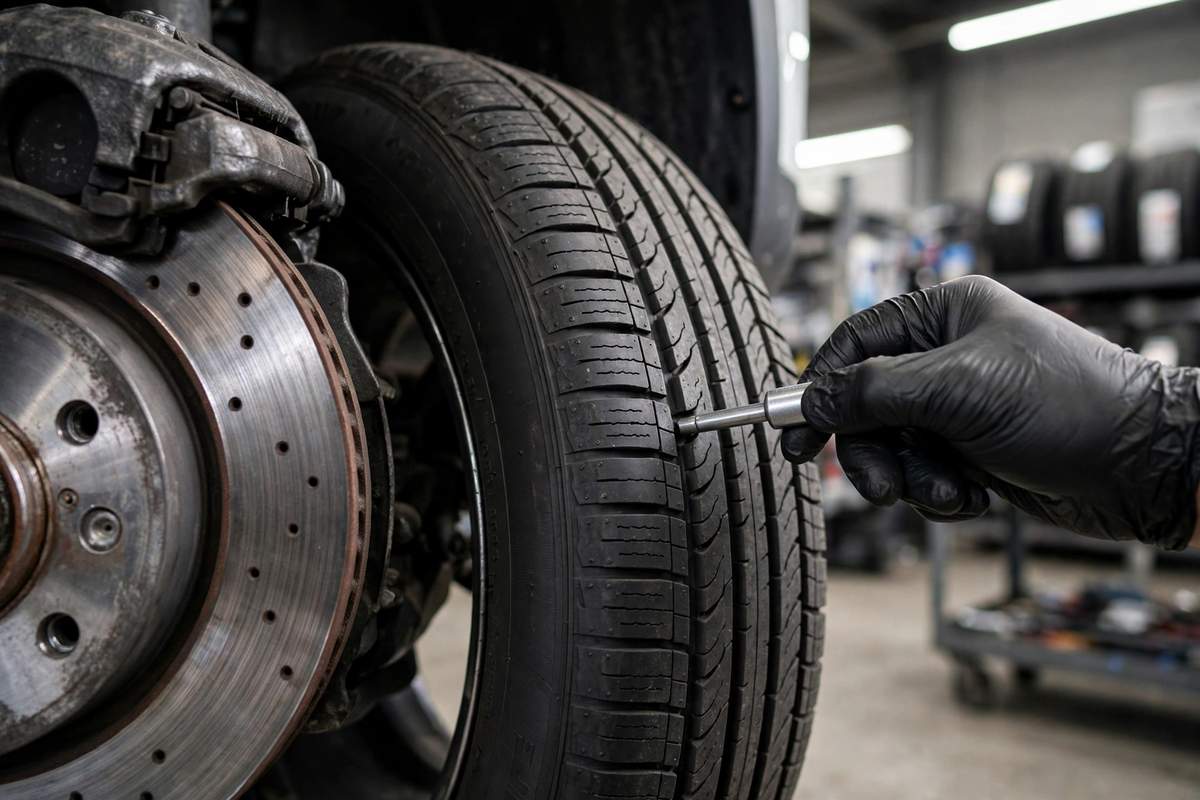
Tire rotations every 5,000 to 7,500 miles are your responsibility and usually cost 25 to 50 dollars. Regular rotation helps the tires wear evenly, which matters a great deal at lease return. Uneven or excessively worn tires are one of the most common reasons lessees face excess wear and tear charges.
Alignment is also on you when it is needed. Potholes and curb hits can knock a car out of alignment, and driving on a bad alignment wears tires unevenly. If you notice the car pulling to one side or the steering wheel sitting off center, get the alignment checked before the tires pay the price.
Brakes, Filters, and Wiper Blades
Brake pads, air filters, cabin filters, and wiper blades are wear items, and wear items are the lessee’s job. A set of brake pads typically costs 150 to 300 dollars per axle installed. Depending on your driving style, you may replace pads once during a three year lease, or not at all.
Engine air filters and cabin air filters are cheap, usually 20 to 40 dollars each, and easy to replace. Many drivers skip them, but a clogged cabin filter affects air quality inside the car and a dirty engine filter can hurt fuel economy. Wiper blades wear out roughly once a year and cost little, so replacing them is an easy win.
What the Manufacturer Warranty Covers
The factory warranty is your best friend during a lease. Because most leases end before or around the time the basic warranty expires, many repairs cost you nothing. The standard bumper to bumper warranty usually runs three years or 36,000 miles, which covers most lease terms.
Under that warranty, defects in materials and workmanship get fixed free at the dealership. That includes failed sensors, malfunctioning electronics, transmission problems, and engine issues that are not caused by neglect or damage. If something breaks and it is not a wear item, the dealer should fix it under warranty at no charge.
Powertrain warranties run longer, often five years or 60,000 miles, so engine and transmission coverage extends past most leases. Corrosion warranties also typically outlast a lease. The key distinction is simple: defects are covered, wear is not. Brake pads wear out, so you pay. A faulty brake caliper is a defect, so the warranty pays.
One warning: the warranty does not protect you if you skip maintenance. If an engine fails because you never changed the oil, the manufacturer can deny the claim. That is another reason to follow the service schedule and keep records.
Repairs After Accidents and Damage
You pay for repairs caused by accidents, curb damage, and anything outside normal use. Insurance covers accident damage beyond your deductible, but the deductible itself comes from you. Cosmetic damage like door dings and scratched bumpers is also your problem if it exceeds the lease’s wear allowance.
This is where the wear and tear rules connect directly to maintenance. A car returned with worn tires, worn brakes, or unrepaired damage gets inspected, and the inspector bills you for anything beyond normal use. Walking through a lease return checklist a few months before turn in gives you time to handle these items at reasonable prices instead of paying the leasing company’s rates.
Maintenance Records and the Lease Return
Keep every service receipt for the life of the lease. A simple folder or a phone photo album works fine. Record the date, mileage, shop name, and service performed. If you do your own oil changes, keep receipts for the oil and filters with the dates written on them.
Good records serve two purposes. First, they prove you followed the service schedule if the leasing company asks. Second, they protect warranty claims. A denied warranty claim on an engine repair can run into the thousands, and service records are the evidence that shuts that argument down.
Before your lease ends, review your records against the manufacturer’s schedule in the owner’s manual. If you missed a service, consider getting it done before the inspection. A fresh oil change and a completed service schedule make the return process smoother and remove one thing the inspector can flag.
How to Keep Maintenance Costs Down
Start by checking whether your car includes complimentary maintenance. Many lessees never realize the service is free and pay out of pocket unnecessarily. Ask the dealer at signing exactly what is covered and for how long.
Shop around for routine service. Dealerships charge premium prices, and your lease usually does not require dealer service for basic maintenance. A trusted independent shop often charges 20 to 40 percent less for oil changes, brakes, and rotations. Just confirm the shop uses parts and fluids that meet the manufacturer’s specs.
Time your major wear items wisely. If the car will need tires near the end of the lease, learn the rules about replacing tires before you turn in the car so you buy the right kind at the right time. The same logic applies to brakes. Spending money on wear items in the final months only makes sense if the lease requires a minimum condition at return.
Finally, drive gently. Smooth acceleration and braking extend the life of brake pads and tires. Avoiding potholes protects alignment and suspension. The less wear you create, the less maintenance you buy, and the cleaner your lease return inspection goes.
The Bottom Line on Lease Maintenance Costs
You pay for routine maintenance on a leased car, while the factory warranty covers defects and the manufacturer covers nothing related to wear. Prepaid or complimentary plans can reduce your costs, and smart shopping for service keeps the rest reasonable.
Budget roughly 500 to 1,000 dollars per year for maintenance on a typical leased car, depending on the brand and your mileage. Keep your records, follow the schedule, and address wear items before the final inspection. Do that, and maintenance becomes a predictable cost instead of an end of lease surprise.