You did everything right. You returned the leased car on time, with a full tank and a clean interior, yet weeks later a bill arrives demanding hundreds or even thousands of dollars for excess wear charges. That sinking feeling is familiar to millions of drivers who lease. Lease-end fees often come as an unwelcome surprise, and the line between normal wear and chargeable damage can feel like it was drawn after the fact.
The good news is that these charges are not always final. Leasing companies have a financial incentive to bill aggressively, but they also have established dispute processes, and many lessees succeed in reducing or eliminating unfair charges. The key is knowing your rights, gathering the right evidence, and following a clear process. This guide walks you through how to dispute excess wear charges on your lease, from understanding the bill to negotiating a fair outcome.
Understanding What You Were Charged For
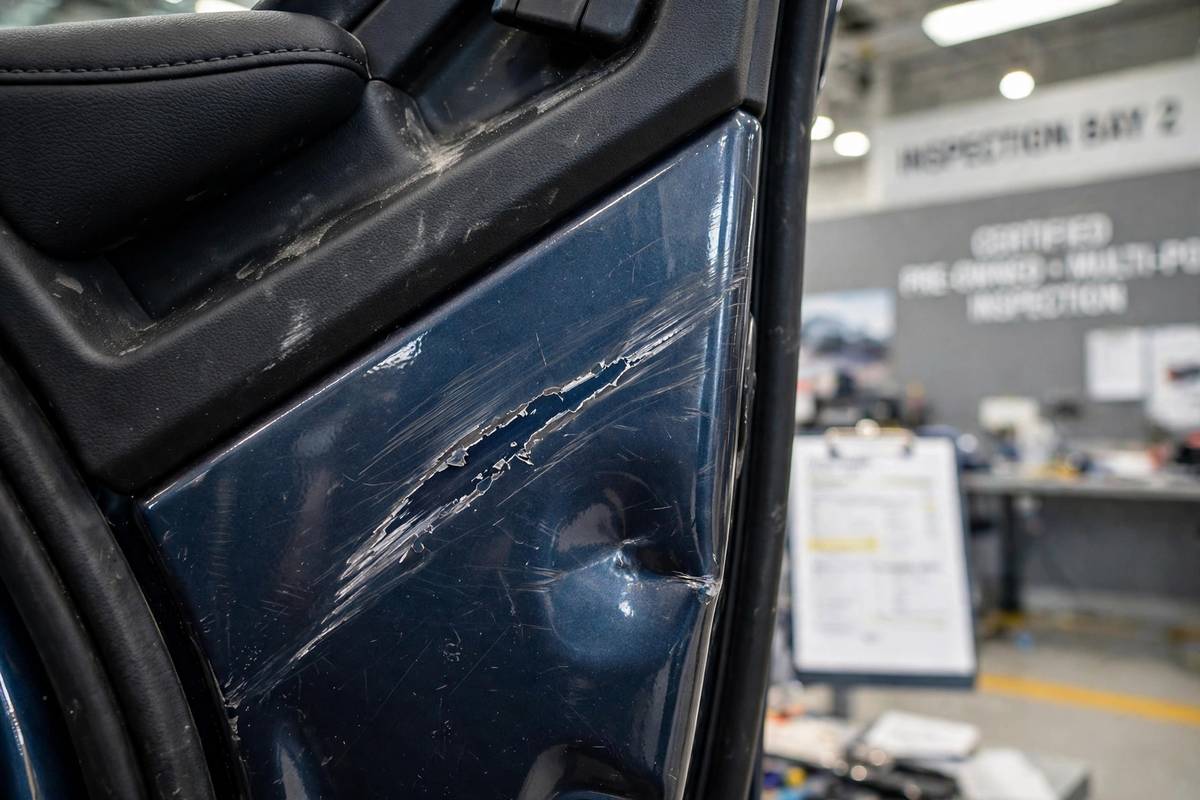
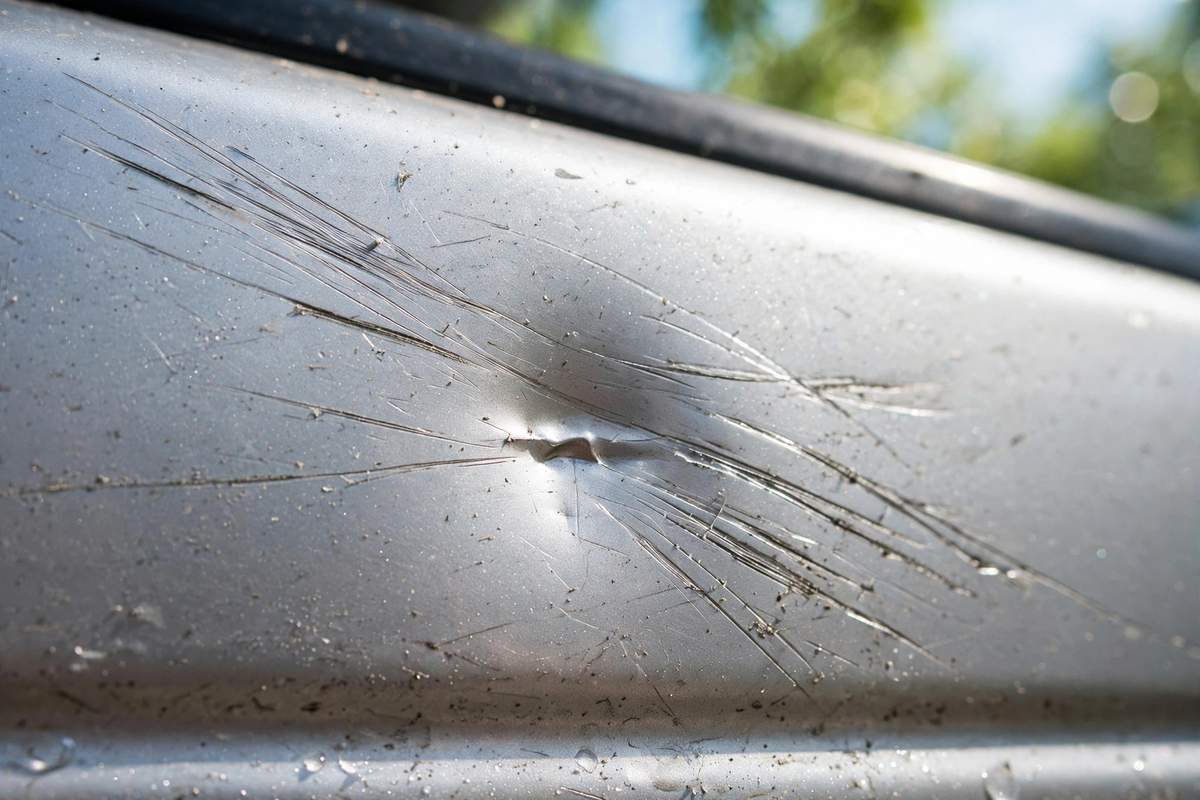
Before you dispute anything, you need to understand exactly what the leasing company is claiming. Excess wear charges typically cover damage that goes beyond what the lease agreement defines as normal wear. Common examples include large dents, deep scratches, cracked or chipped windshields beyond a certain size, worn or damaged tires, broken or stained interior parts, missing keys or equipment, and excessive mileage surcharges.
Your first step is to request an itemized invoice. Leasing companies are required to provide a detailed breakdown of each charge, including the specific damage, its location on the vehicle, and the repair cost assigned. If the bill only lists vague line items like “exterior damage” with a dollar figure, ask for the full inspection report. Without specifics, you cannot evaluate whether the charges are legitimate.
Compare each charge against the wear and tear guidelines in your original lease agreement. Every leasing company publishes an excess wear booklet or guide that defines acceptable damage, such as scratches shorter than a certain length or dents smaller than a credit card. If you do not have this guide, request it from the leasing company. Knowing what counts as excess wear and tear gives you the baseline you need to challenge charges that do not fit the definition.
Gather Your Evidence
A successful dispute is built on documentation. The strongest evidence is the condition of the car at the time you turned it in, so ideally you took photos and video on the day of return. If you did, pull them out now. Time-stamped images showing the disputed damage did not exist, or existed in a minor form, can be decisive.
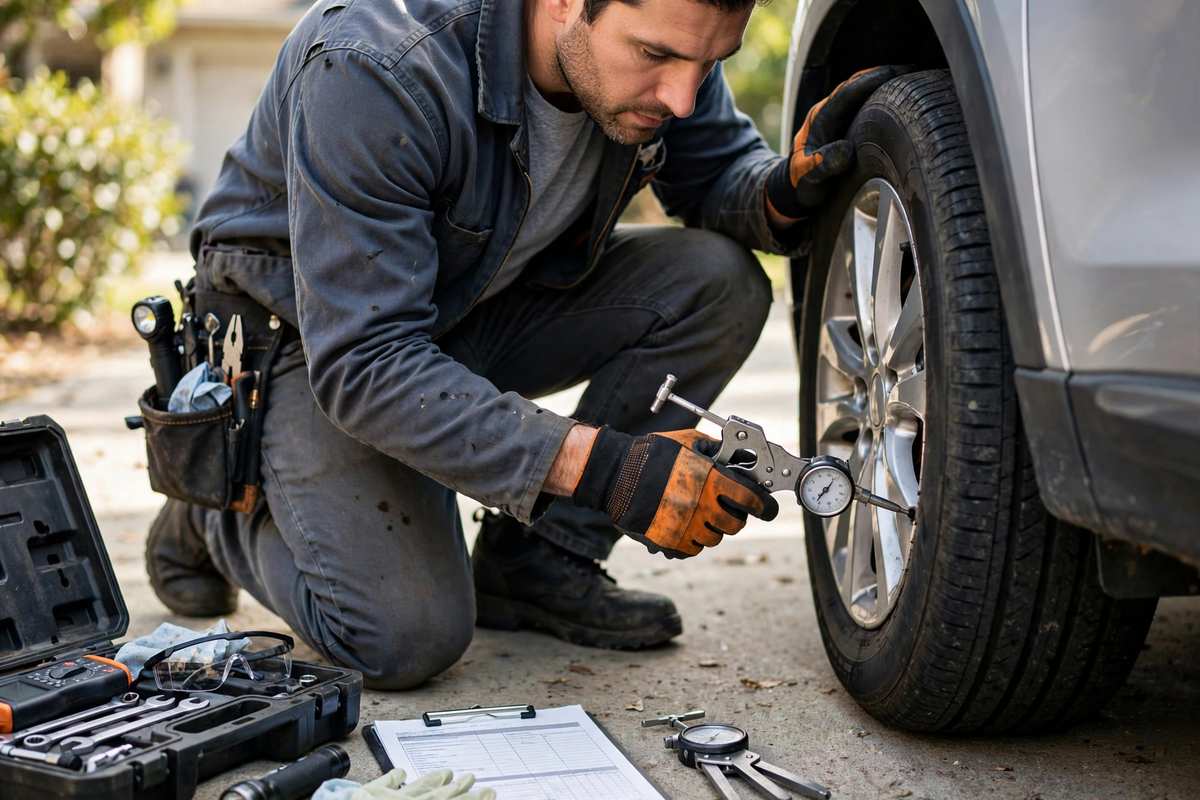
If you did not photograph the car at return, do not panic. Other evidence can still help. Your own lease return checklist notes, maintenance records showing you serviced the vehicle regularly, and any pre-inspection report from the dealership all support your case. A pre-return inspection report is particularly valuable, because it documents the condition of the vehicle before the leasing company’s inspector ever saw it.
Also gather the inspector’s own evidence. You have the right to see the photos and notes the inspector used to justify the charges. Request them in writing. Sometimes inspection photos are blurry, mislabeled, or show pre-existing damage that was noted at lease inception. Any inconsistency between the inspector’s notes and the actual condition of the car weakens the charge.
How to File a Dispute
Most leasing companies have a formal dispute process, and you should use it rather than simply refusing to pay. Start by calling the lease-end department and asking for the charge to be reviewed. Calmly explain which charges you believe are incorrect and why. Reference the specific wear guidelines and point to your evidence. Document the name of the person you spoke with, the date, and what was said.
Follow up your call with a written dispute letter or email. Written records are harder to ignore and create a paper trail. Your letter should list each disputed charge, explain why it is incorrect, attach or reference your evidence, and state the outcome you are seeking, whether that is a full reversal, a reduction, or a re-inspection. Keep copies of everything you send.
Be aware of deadlines. Many lease agreements give you a limited window, often 30 days from the billing date, to contest charges. Missing the deadline can be treated as acceptance of the bill. If you need more time to gather evidence, say so in writing and ask for an extension. Also note that the leasing company can send the balance to collections if it goes unpaid, so disputing promptly protects your credit while the matter is under review.
Negotiating the Charges Down
Even when some charges are legitimate, the amounts billed are often negotiable. Leasing companies typically bill at inflated retail repair rates, while the actual cost of repair is much lower. Asking for a reduction on this basis is common and frequently successful. A reasonable approach is to get an independent repair estimate for the same work and present it as the fair market price.
Another strong negotiating point is loyalty. If you are leasing another vehicle from the same brand or dealership, mention it. Dealerships and manufacturers routinely waive or reduce lease-end fees to keep a repeat customer. Ask the dealer to advocate on your behalf with the leasing company’s lease-end department. This informal route resolves many disputes without a formal fight.
You can also negotiate by offering to fix the problem yourself. If the issue is something like worn tires, buying a set of used tires that meet the lease specifications and presenting proof of replacement can be cheaper than paying the leasing company’s per-tire charge. Always confirm in writing that the proposed fix will resolve the specific charge before spending money.
What to Say During the Call
Keep your tone professional and factual. Open with the lease account number and the invoice date. State which charges you are disputing and reference the wear guidelines by page or section. Then present your evidence point by point. End by asking what the reviewer can do and what the next step is. Avoid threats in the first call, but you can note that you intend to pursue further options if the matter is not resolved.
When to Escalate Your Dispute
If the leasing company refuses to budge, you still have options. Many lease agreements include a clause requiring or allowing mediation or arbitration, which is faster and cheaper than court. Check your contract for the dispute resolution section and follow the steps it lays out. Consumer protection attorneys who handle auto finance cases can also send a demand letter, which often produces a settlement offer quickly.
Small claims court is another path for charges that clearly violate the lease terms. Filing fees are low, and leasing companies often settle before the hearing rather than sending a representative. Keep in mind that you should only escalate if your evidence is strong, because a court will hold you to the terms of the contract you signed.
You can also file complaints with your state attorney general or consumer protection agency. While these agencies rarely intervene in individual cases, a pattern of complaints about a particular leasing company can trigger enforcement action, and the company may resolve your dispute to close the file. The lease-end inspection process itself is worth reviewing, since procedural errors by the inspector can undermine the validity of the charges.
Preventing Excess Wear Charges Next Time
The best dispute is the one you never have to file. A few habits can protect you on future leases. First, read the wear and tear guidelines before you sign, not after you turn the car in. Knowing the rules from day one lets you make informed decisions about parking, maintenance, and minor repairs during the lease.
Second, get a pre-inspection several weeks before your lease ends. Most leasing companies offer a free inspection that identifies problems early, giving you time to fix them at a fair price instead of paying inflated turn-in rates. Third, document everything. Photograph the car at move-in and at turn-in, keep maintenance receipts, and save every inspection report.
Finally, consider the term and mileage of your lease. Choosing realistic mileage allowances and lease lengths reduces the temptation to defer maintenance, which is the root cause of many excess wear charges. A little planning at the start of the lease saves a lot of argument at the end.
The Bottom Line
Excess wear charges feel personal, but they are a business decision by the leasing company, and business decisions can be negotiated. Request the itemized breakdown, compare it to the written guidelines, gather your evidence, and file a written dispute within the deadline. Many lessees see significant reductions simply by asking the right questions in the right order. Stand your ground, stay professional, and let the evidence do the talking.