When tenants tour a commercial space, they look at the offices, the showroom, or the sales floor. What they often forget to evaluate is storage: the basement cage, the back room, the fenced yard where inventory, records, equipment, and seasonal stock actually live. Storage space is rarely glamorous, but running out of it disrupts operations fast, and leasing additional space later is always more expensive than securing it upfront.
Storage rights in commercial leases cover which ancillary spaces come with the premises, whether their use is exclusive, what can be stored in them, who is responsible for their condition, and what rules govern access. Basements, storage cages, and outdoor yards each carry their own legal and practical issues. This guide explains how storage rights work and what tenants and landlords should negotiate.
Why Storage Rights Get Overlooked
Storage space is easy to take for granted during lease negotiations because it is not the space the tenant is leasing for. The retailer is focused on the sales floor, the office tenant on the workspace, the restaurant on the dining room. Storage feels secondary until the first delivery arrives and there is nowhere to put it. By then, the lease is signed, and the tenant’s bargaining power is gone.
The economics make this costly. Leasing a separate storage unit across town means paying a second rent, adding transportation costs, and losing the operational efficiency of keeping inventory on site. Negotiating adequate storage within the leased property, even at a modest additional rent, is almost always the better deal. The time to have this conversation is before signing, when the landlord is motivated to close the deal.
Basement Storage: Rights and Risks
Basements are the most common form of ancillary storage in office and retail buildings, and they come with a specific set of issues. The first is whether the basement area is actually part of the tenant’s premises. In many leases, basement storage is licensed rather than leased, which means it can be revocable, is often excluded from the rentable square footage, and may not carry the same protections as the main premises. Tenants should confirm the legal status of any basement area and get its boundaries described in the lease or an exhibit.
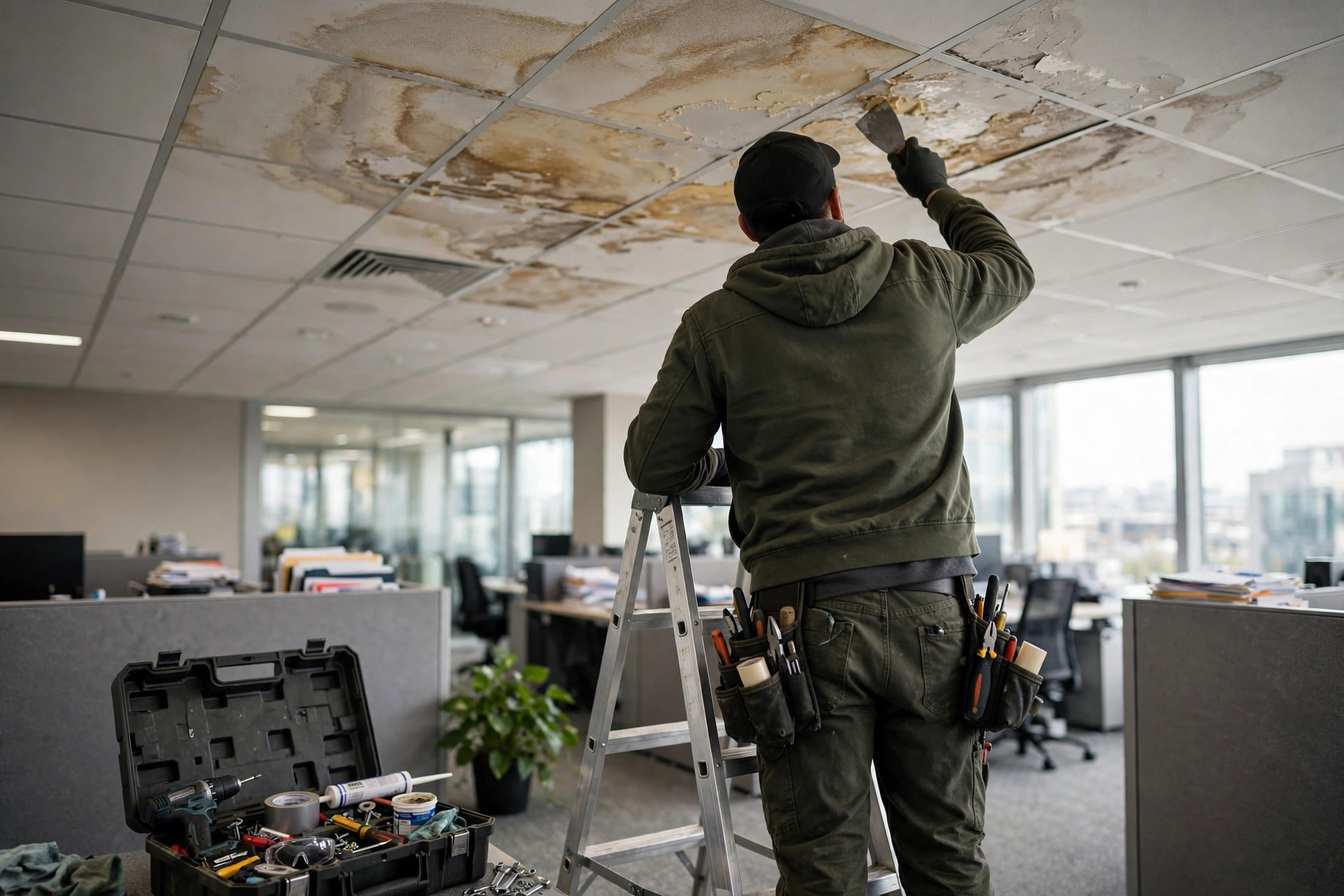
The second issue is condition. Basements flood, develop mold, and suffer from poor ventilation. A tenant storing paper records, electronics, or inventory in a basement needs to know the history of water intrusion and what the landlord will do to prevent it. The lease should state who is responsible for waterproofing, sump pumps, and dehumidification. Tenants storing valuable goods should also verify that their property insurance covers basement stored property, since some policies exclude or limit coverage for below grade storage.
Access is the third consideration. Basements are often shared among building systems, with mechanical rooms, electrical panels, and other tenants’ storage areas nearby. The lease should define the tenant’s access hours and procedures, and confirm that building staff and other tenants cannot freely enter the tenant’s storage area. If the basement is shared, consider whether a locked cage within the basement would provide better security than an open allocation of floor space.
Storage Cages: Defined Space with Clear Boundaries
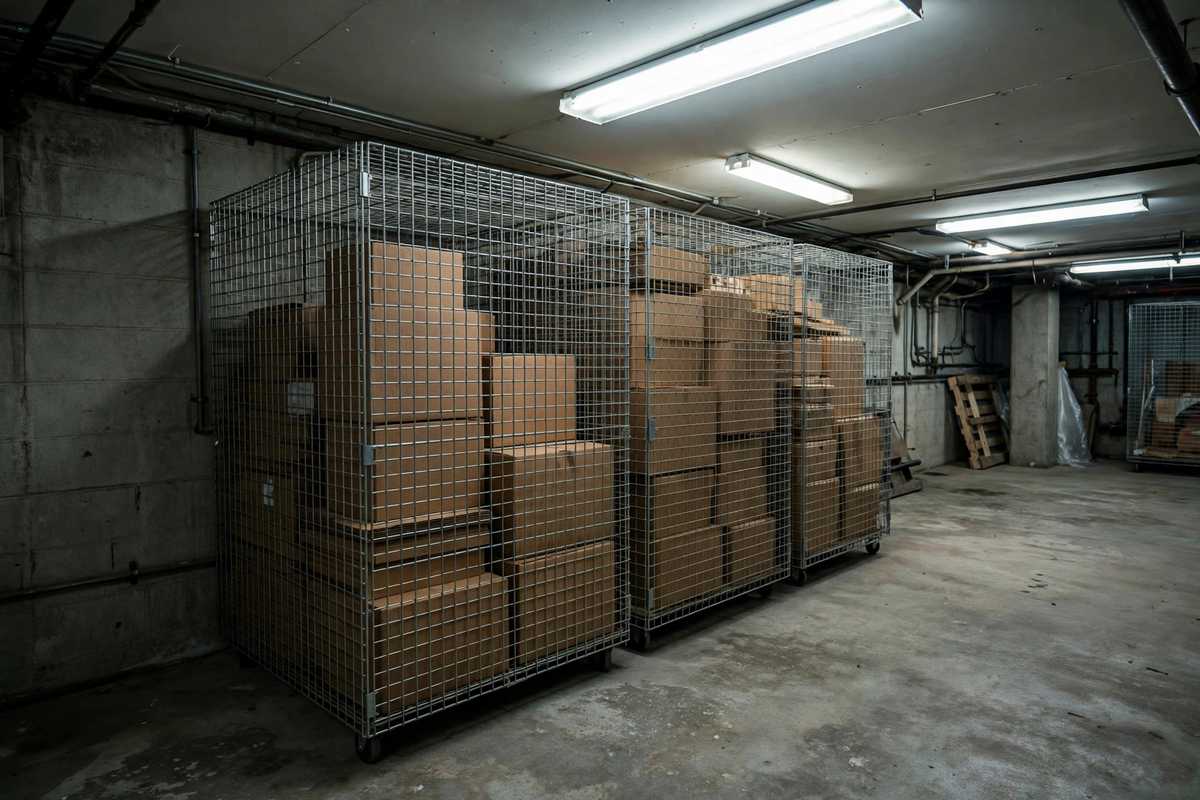
Storage cages, the wire mesh enclosures common in building basements, parking garages, and industrial properties, offer a cleaner legal arrangement than open basement space. A cage has defined boundaries, a lockable door, and usually a separate designation in the lease. This clarity helps both sides: the tenant knows exactly what space is theirs, and the landlord knows exactly what the tenant is responsible for.
When negotiating cage rights, confirm the cage’s dimensions and location, whether the tenant provides its own lock or the landlord controls access, and what happens if the building needs the cage area for its own purposes. Some leases allow the landlord to relocate a tenant’s cage on reasonable notice, which is acceptable as long as the replacement space is comparable and the landlord pays the moving cost.
Fire code compliance is a frequent issue with storage cages. Piling boxes to the ceiling in a wire cage can violate clearance requirements around sprinklers, and storing flammable materials in a basement cage can violate the building’s fire safety plan. The lease should reference the applicable fire code limits, and tenants should make sure their actual storage practices comply. A fire marshal’s citation is an expensive way to learn the rules.
Outdoor Yards: Fenced, Open, and Shared
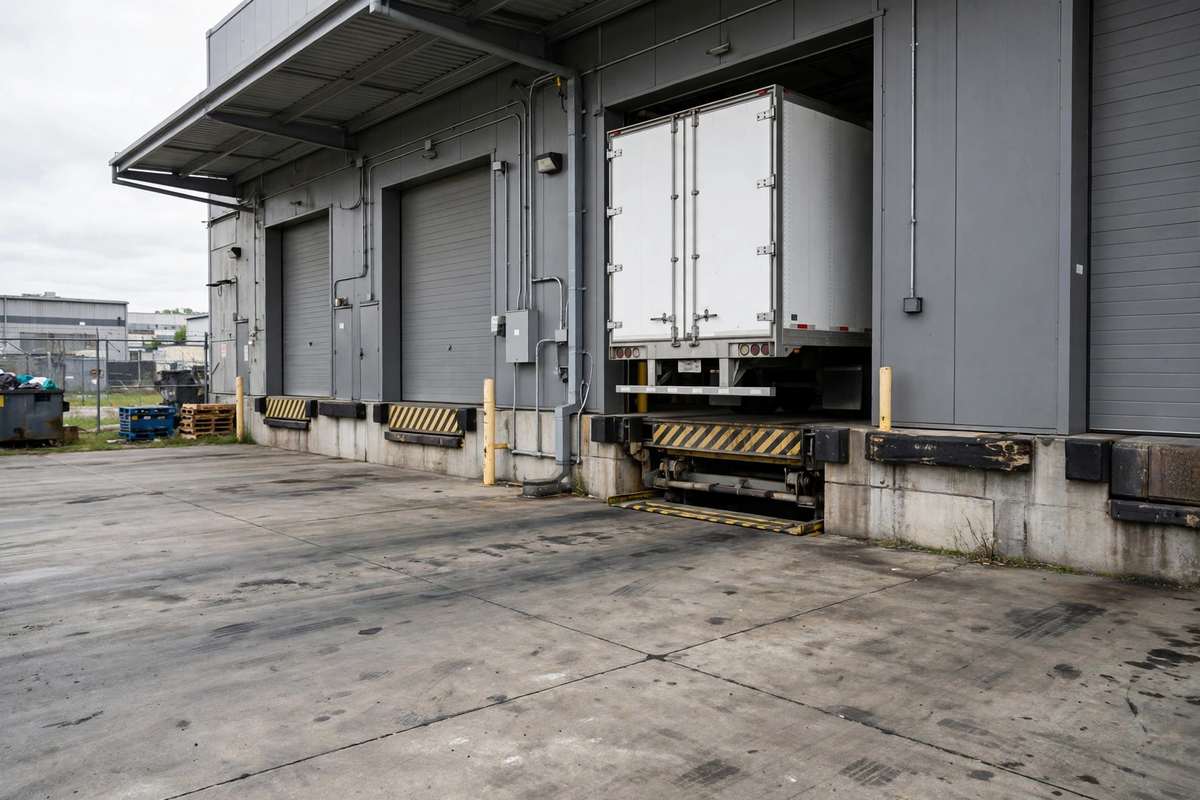
Outdoor storage yards serve industrial tenants, contractors, retailers with garden centers, and any business with bulky inventory or equipment. Yard rights raise issues that indoor storage does not. Zoning is the first: many municipalities restrict outdoor storage, require screening with fencing or landscaping, or limit the types of materials that can be stored outside. Tenants should verify zoning compliance before signing, since a lease cannot override a municipal prohibition.
Security is the second major issue. Outdoor yards are vulnerable to theft and vandalism in ways that indoor cages are not. The lease should address fencing, lighting, and who provides them. If the tenant installs its own fencing or security systems, the lease should state whether those improvements stay or go at lease end. Tenants should also confirm that their insurance covers property stored outdoors, as many policies limit or exclude open air storage.
Environmental concerns round out the picture. Materials stored outdoors can leach into soil or wash into storm drains. Tenants storing chemicals, fuels, or treated lumber need to comply with environmental regulations and should understand how the lease allocates responsibility for any contamination. The landlord will want assurances, and usually indemnification, that the tenant’s yard use will not create cleanup liability.
What Can Be Stored: Use Restrictions
Almost every commercial lease restricts what tenants can store in ancillary spaces. Common prohibitions include hazardous materials, flammable liquids beyond small quantities, perishable food without proper refrigeration, and anything that violates building codes or insurance requirements. These restrictions protect the building and keep the landlord’s insurance in force, so tenants should take them seriously.
List your actual storage needs during negotiation. If you store paint, solvents, or compressed gases, say so. Landlords can often accommodate specific needs with safeguards like a flammable storage cabinet, but they cannot accommodate needs they do not know about. Undisclosed hazardous storage discovered later can be grounds for default.
Rent, Measurement, and Cost Allocation
Storage space is priced in various ways. Sometimes it is included in the base rent at no extra charge, particularly when it is modest basement space that the landlord cannot easily lease separately. Sometimes it carries its own rent, often at a lower rate than the primary space. Outdoor yards may be priced by the square foot or as a flat monthly fee.
Tenants should confirm how storage areas are measured and whether they are included in the rentable square footage used for their share of operating expenses. Storage space that inflates the tenant’s share of building expenses without adding real value is a hidden cost. If the storage area is separately metered for utilities, or shares the building’s systems, that should be stated too.
Insurance costs deserve a specific look. Storing valuable inventory on site may require the tenant to increase its property insurance limits, and the lease’s insurance requirements for commercial leases should be reviewed with the tenant’s broker to make sure stored goods are actually covered where they sit.
Access, Security, and Landlord Entry
Storage areas need access rules that match the tenant’s operations. A contractor who needs yard access at 5 AM cannot be bound by a lease that limits access to business hours. A retailer receiving early morning deliveries needs basement access before the building opens. Negotiate access hours that fit the business, and get them in writing.
Landlord entry rights also apply to storage areas, usually on the same notice terms as the main premises. Building engineers need to reach mechanical equipment, but that does not mean they need unsupervised access to the tenant’s locked inventory cage.
Planning for Growth and Disputes
Storage needs grow. A business that fits comfortably in its cage on day one may overflow it by year three. Tenants should negotiate expansion options for storage where possible, such as a right of first refusal on adjacent cages or yard space that becomes available. Businesses planning significant growth should also review their options for expanding their leased space generally, since storage pressure is often the first sign that the whole premises is becoming too small.
When storage disputes arise, they usually involve one of three things: the landlord reclaiming space the tenant thought was permanent, damage to stored goods from building conditions like leaks, or conflicts with other tenants over shared areas. Each is easier to resolve when the lease clearly defines the space, its permitted use, and each party’s maintenance obligations. If a dispute does escalate, tenants should know how small claims court works for landlord tenant issues, since storage deposit and damage claims often fall within small claims limits.