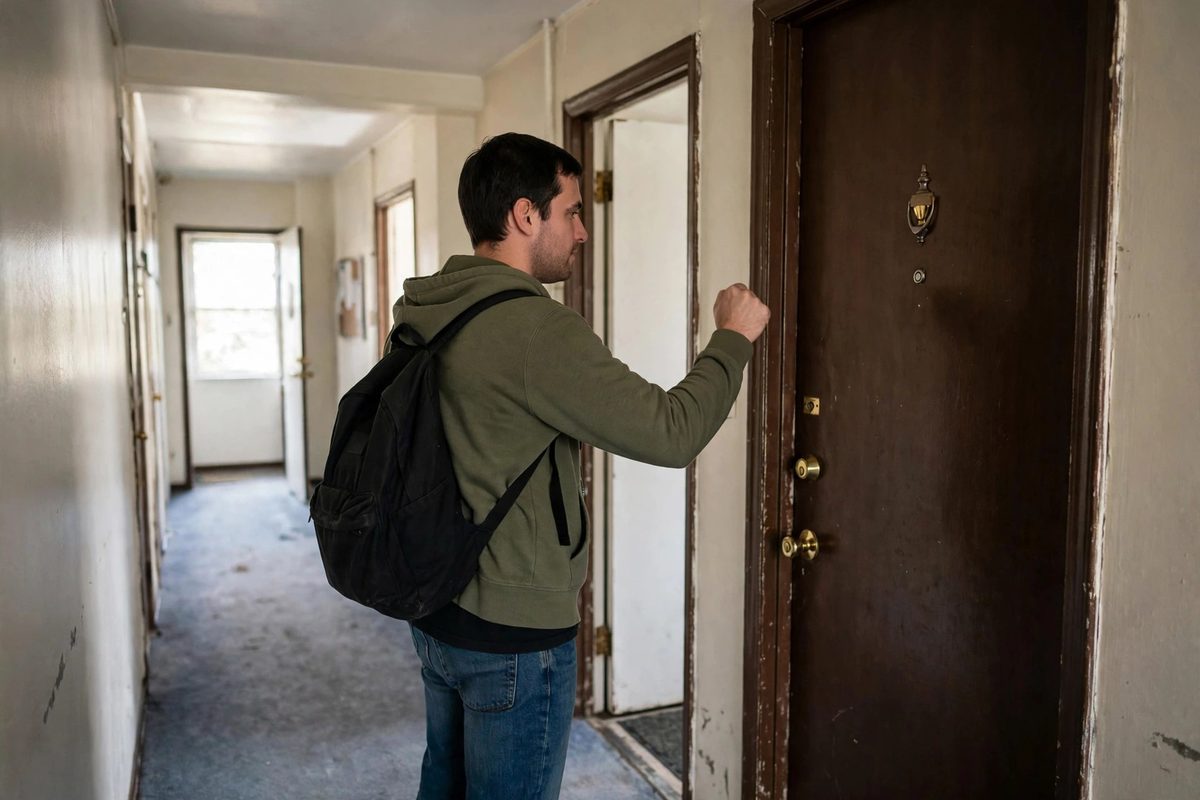
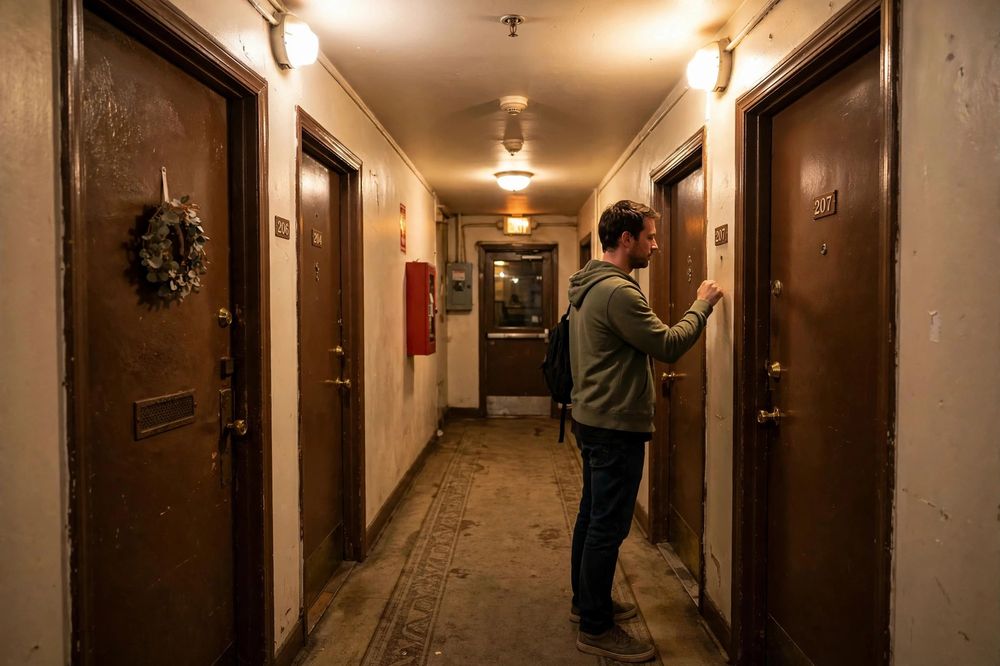
Finding a good subletter is half marketing and half detective work. A great listing attracts responsible candidates, and careful screening weeds out the risky ones. Rush either part and you could end up with a stranger in your apartment who does not pay rent on time.
This guide covers where to list your room for maximum reach, how to write a listing that pulls in quality applicants, and how to screen them efficiently. Follow these steps and you can usually find a solid subletter within two to three weeks.
The Best Places to List Your Room
Not all listing platforms are equal for sublets. The right venue depends on your timeline, your budget, and the kind of tenant your neighborhood attracts.
Facebook Marketplace and Local Groups
Facebook remains one of the strongest channels for sublets. Marketplace listings are free, reach people already looking in your area, and let candidates see your real profile, which builds trust on both sides. Local housing groups, often named after your city or university, tend to have motivated members who need a place fast. Post in two or three relevant groups for the best coverage. Start your search four to six weeks before the sublease begins, since quality candidates often plan ahead and the best rooms go quickly.
Craigslist
Craigslist still moves a huge volume of sublets, especially in major cities. The housing section is free in most markets and gets heavy traffic from renters. The trade off is volume over quality: you will get more inquiries, but a higher share will be unserious or sketchy. Never send money to anyone you meet through Craigslist, and always meet candidates in person before agreeing to anything. Our guide to spotting rental scams is essential reading before you post there.
University and Employer Networks
If you live near a college or work for a large employer, internal boards are gold. Students, interns, visiting scholars, and new hires are constantly looking for short term housing, and they tend to be responsible because their reputation within the community is on the line. Check whether your school or company maintains a housing board or email list.
Roommate Matching Sites
Dedicated roommate sites let you filter by budget, lifestyle, and move in date, which saves time. Many of them include identity verification and background check tools built into the platform. These services sometimes charge a fee, but the quality of applicants is usually higher than on free general marketplaces.
Your Own Social Network
Do not underestimate a simple post to your own friends and followers. A friend of a friend comes with a built in reference, and people are generally on their best behavior when a mutual connection is involved. Ask friends to share your post, and be specific about dates, rent, and what kind of person would be a good fit.
How to Write a Listing That Works
A strong listing answers every question a candidate has before they ask it. Start with a clear headline that includes the neighborhood, the room type, and the dates. “Sunny Private Room in Logan Square, Jan to May, $850” beats “Nice room available” every time.
In the body, cover the essentials: exact address or cross streets, monthly rent and what it includes, the sublease dates, room size and furnishings, shared versus private bathroom, and house rules on pets, smoking, and guests. Describe the building amenities, transit access, and the general vibe of the household. Be honest about quirks like street noise or a steep walk up. Candidates who self select out based on honest details save you both time.
Photos make or break a listing. Take bright, clear photos of the room, the common areas, and the building exterior during daylight hours. Tidy up first and open the blinds. Listings with good photos get dramatically more responses than those without. Include the floor plan if you have one.
End with clear next steps: how to contact you, what information you want in the first message, and your timeline for deciding. Asking for an introduction, move in date, and references upfront filters out the least serious inquiries immediately.
Screen Candidates Thoroughly
Every applicant who passes your first impression deserves a real screening. Ask for full name, employment or school status, monthly income, and references from at least one previous landlord. Verify employment with a quick call or an offer letter, and actually call the references.
Run a credit and background check when you can. Several online services offer tenant screening to individuals for a modest fee, and you can ask the candidate to pay for it or split the cost. A credit report reveals payment patterns that a charming interview will not. If you are subletting a room in a shared apartment, make sure the remaining roommates meet the finalists too. A roommate agreement signed by everyone, including the subtenant, prevents most household disputes before they start.
Meet finalists in person or over video before you commit. Ask how they heard about the listing, why they need a short term place, and what their daily schedule looks like. Listen for alignment with the household’s lifestyle. A night shift worker and an early rising student can coexist, but only if everyone knows what to expect.
Red Flags to Watch For
Certain patterns should make you pause. Candidates who cannot provide any references, refuse a background check, or pressure you to decide immediately are waving red flags. So are applicants who want to pay the entire sublease in cash upfront without explanation, or who ask you to falsify documents for them.
Inconsistent stories are another warning sign. If the reason for needing the room changes between messages, or the employment details do not match the references, keep looking. A legitimate candidate has nothing to hide and will not mind reasonable questions. Remember that you remain legally responsible for the unit, so your standards should be as high as your landlord’s would be.
Close the Deal Properly
Once you choose a subletter, move quickly but do not skip the paperwork. Sign a written sublease agreement with exact dates, rent, deposit, and rules. Collect the security deposit and first month’s rent before handing over keys. Exchange copies of IDs and emergency contacts.
Document the room’s condition together at move in, with photos and a signed checklist. Show the subtenant how things work: the thermostat, the laundry, the trash schedule, the parking situation. A thorough handoff prevents the small misunderstandings that grow into big disputes. If your lease requires it, notify your landlord of the subtenant’s arrival with the agreed documentation.
For a deeper walkthrough of managing the whole arrangement, see our full guide to subletting a room while you travel, which covers landlord approval and ongoing management in detail.
Final Thoughts
Finding a subletter is a process, not a gamble. List in the right places, write a listing that answers every question, screen every candidate like your lease depends on it, and close the deal with proper paperwork. Two to three weeks of focused effort usually produces a reliable subtenant.
The renters who struggle with sublets are almost always the ones who rushed. Take the time to do it right, and your room will pay for itself while you are gone.