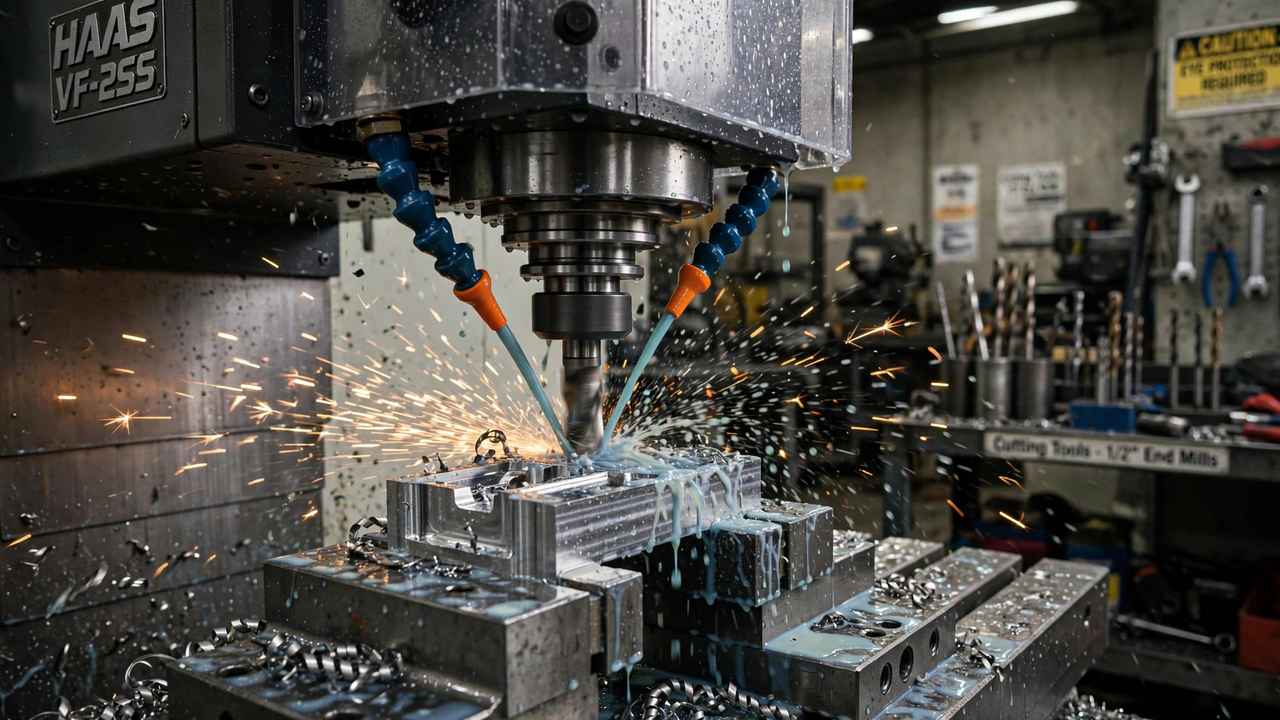
A CNC machine is often the single most expensive piece of equipment in a small manufacturing shop. A new 3-axis vertical machining center can cost 80,000 to 150,000 dollars, while a 5-axis machine or a multi-axis turning center can run well past 300,000 dollars. Few job shops can write that check without thinking twice, which is why CNC machine leasing has become standard practice across the industry.
This guide breaks down what manufacturers actually pay when they lease CNC equipment: typical monthly payments, the lease structures shops use most, the hidden costs that surprise first-time lessees, and how to negotiate a deal that fits your shop’s workload. The numbers here are realistic ranges based on how these leases are commonly structured.
What CNC Machines Cost to Lease
Monthly lease payments on CNC equipment generally run 1.8 to 2.5 percent of the machine’s purchase price per month on a 60-month fair market value lease. That means a 100,000 dollar machining center costs roughly 1,800 to 2,500 dollars per month, while a 300,000 dollar 5-axis machine runs 5,400 to 7,500 dollars per month. These are starting points, not quotes, because your credit and the machine’s residual value move the numbers.
Dollar buyout leases cost more per month, typically 2.2 to 3.0 percent of the purchase price, because you are paying for nearly the full machine plus the buyout is only one dollar. A 100,000 dollar machine on a 60-month dollar buyout lease runs about 2,200 to 3,000 dollars per month. Shops that plan to keep the machine long term usually accept the higher payment.
Factors That Move Your Payment Up or Down
The machine’s residual value is the biggest lever. A popular machine from a top brand holds its value on the used market, so the lessor risks less and your payment drops. An obscure brand or a highly specialized machine with a thin resale market costs more to lease, sometimes dramatically so.
Your credit profile matters too. Established shops with strong financials get rates close to the low end of the ranges above. Startups and shops with thin credit files pay more, and may be asked for a larger security deposit or a personal guarantee. Lease term length also affects the payment: longer terms lower the monthly amount but increase the total cost.
Lease Structures Shops Use Most
Fair Market Value Leases
FMV leases are the most common choice for CNC equipment because machine tool technology keeps advancing. A shop leases a machining center for five years, then returns it and leases the newer model with faster spindles, better controls, and tighter tolerances. The shop always runs current equipment and never has to sell a used machine.
The catch is the end-of-term decision. If the machine is still productive and the buyout price is fair, buying it can be the smart move. But if you assumed you would buy it and the appraised value comes in high, you face an unpleasant surprise. Go into an FMV lease with a clear plan for both outcomes.
Dollar Buyout and 10 Percent Buyout Leases
Shops that intend to run a machine for ten or more years usually prefer a dollar buyout or 10 percent buyout structure. You pay more each month, but ownership at the end is certain and cheap. This is the right structure for workhorse machines like basic 3-axis mills that stay productive long after the lease ends.
From a tax perspective, these structures are usually treated as purchases, which affects how you deduct the cost. Many shops use Section 179 expensing to deduct the full cost in year one. Our guide to dollar buyout lease equipment walks through how these buyouts are structured and taxed.
The Hidden Costs Beyond the Monthly Payment
The lease payment is only part of what a CNC machine costs. Rigging and installation can run 5,000 to 20,000 dollars depending on the machine’s size and your facility. Electrical work, compressed air upgrades, and foundation work for heavy machines add more. Many lessors will roll these soft costs into the lease, but they increase your payment accordingly.
Tooling is the cost that surprises new shops most. A basic tooling package for a machining center can cost 10,000 to 30,000 dollars, and specialized workholding adds more. Software is another line item: CAM software licenses, post processors, and control upgrades are rarely included in the machine price. Budget for all of it before you sign, not after the machine arrives.
Maintenance and Service Agreements
CNC machines need regular maintenance: way oil, coolant, filters, spindle checks, and periodic calibration. Most leases make maintenance the lessee’s responsibility, and deferred maintenance shows up at the end of the lease as repair charges. A disciplined preventive maintenance schedule protects both your production and your wallet.
Consider a service agreement with the machine tool dealer, especially in the first years. Factory service contracts typically cost 5 to 10 percent of the machine price per year, which sounds steep until a spindle failure stops your shop for two weeks. Some lessors bundle service into the lease payment, which simplifies budgeting. Weigh that convenience against the markup.
Spindle Hours and Usage Provisions
Unlike farm equipment leases with engine hour limits, most CNC leases do not cap spindle hours. However, some leases on high-end machines include usage-based provisions or require the machine to be used in a single location. If you run three shifts around the clock, confirm that the lease and any service agreement cover that duty cycle.
Relocation clauses matter if you might move the shop. Many leases require the lessor’s written approval before the machine can be moved, and moving a CNC machine requires professional riggers and re-leveling. Violating a location clause can be treated as a default, so read this section even if a move feels unlikely.
Negotiating Your CNC Lease
Start by negotiating the machine price with the dealer before discussing the lease. The lease payment is calculated from the selling price, so every thousand dollars you negotiate off the machine lowers your payment for the entire term. Dealers sometimes offer low lease rates while holding firm on an inflated machine price, which is a bad trade.
Get competing quotes from the dealer’s finance arm, your bank, and at least one independent lessor that specializes in machine tools. Specialized lessors understand residual values better than general lenders, which often translates to lower payments. Also negotiate the documentation fees and any interim rent charged between delivery and the first payment.
End of Lease: What Actually Happens
Six to twelve months before the term ends, contact the lessor to discuss your options. If you want to buy the machine, get the buyout quote in writing and compare it against the current used market price for similar machines. Sometimes the contractual buyout is a bargain, and sometimes the market has dropped and you can negotiate it down.
If you return the machine, the lessor will arrange an inspection. Clean the machine thoroughly, restore any modified guarding or enclosures, and gather all manuals, tooling, and accessories that came with it. Missing items get billed at replacement cost, which is always higher than you expect. Planning your exit is similar to other business equipment decisions; see our guide to early lease renewal negotiation for tactics that apply when you want to restructure before the term ends.
Leasing Used CNC Machines
Leasing a used CNC machine can cut your payment by 30 to 50 percent compared to new. This works well for proven models with strong parts availability, such as popular 3-axis mills that are five to eight years old. The machine still has plenty of productive life, and the lower payment leaves room in the budget for tooling and fixturing.
The risks are higher maintenance costs and shorter remaining technology life. Have the machine inspected by an independent technician before you lease it, and check that the control is still supported by the manufacturer. A cheap lease on a machine with an obsolete control can become expensive when a board fails and no replacement exists.
Is Leasing Right for Your Shop
Leasing makes sense when you want to preserve cash, keep technology current, or match payments to production revenue. It makes less sense for a simple, long-lived machine that you will run for fifteen years, where a purchase loan is usually cheaper in total. Run the total cost of both options, including tax effects, before deciding.
The shops that get the best lease deals are the ones that understand their numbers. Know your machine’s realistic productive life, budget for tooling and installation upfront, and negotiate the machine price as hard as the lease terms. A CNC lease should help your shop take on more work, not become a burden when orders slow down. For the tax side of the decision, our business lease vs buy tax guide covers deduction strategies that apply to equipment purchases as well.