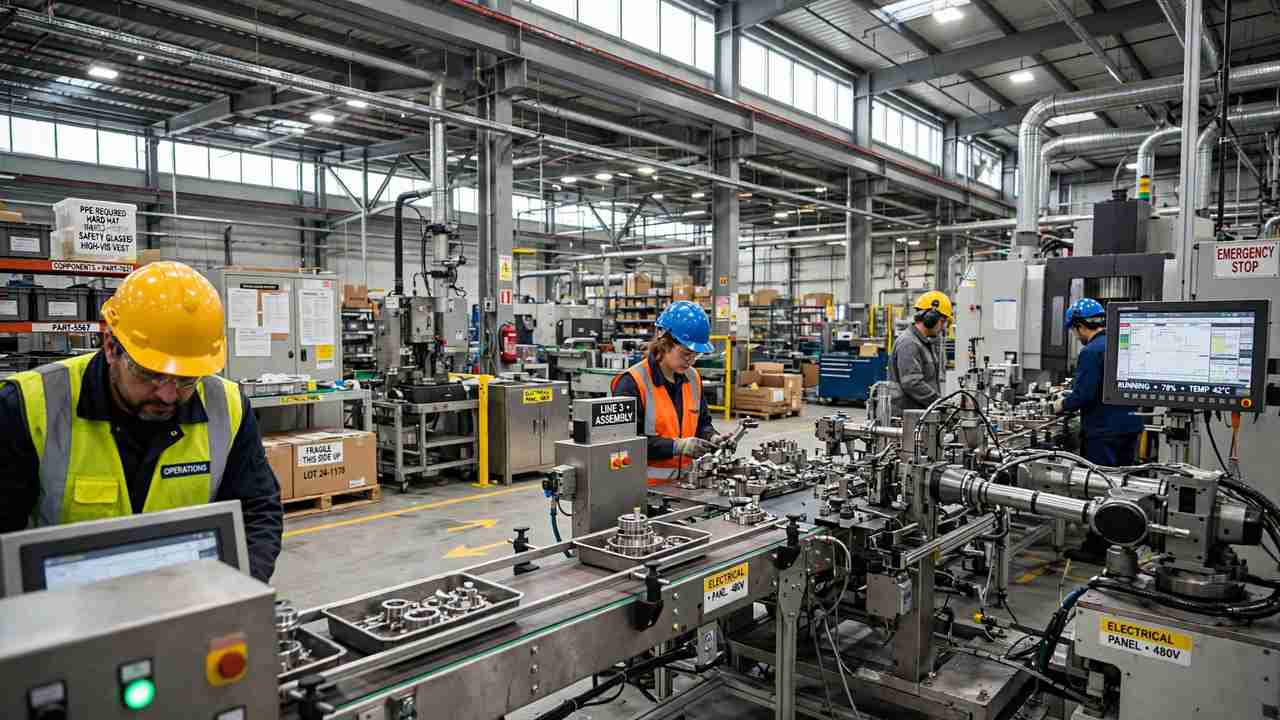
Manufacturing runs on expensive machines. Presses, lathes, injection molders, packaging lines, and material handling systems can cost hundreds of thousands of dollars each, and few small or mid-size manufacturers can afford to buy everything outright. Equipment leasing has become one of the most common ways factories acquire the machines they need.
Leasing manufacturing equipment preserves working capital, simplifies budgeting, and makes it easier to keep technology current. It also shifts the risk of equipment obsolescence to the lessor in some structures. This guide explains how manufacturing equipment leases work, which structures fit different situations, and how to avoid costly mistakes.
Why Manufacturers Lease Production Equipment
The main reason is capital preservation. A manufacturer that spends two million dollars buying a production line outright has two million dollars less for materials, payroll, and growth. Leasing the same line keeps that cash in the business, which is often more valuable than owning the machines free and clear.
Technology cycles are the second reason. In many industries, production equipment becomes outdated in five to seven years as faster, more precise, or more energy efficient models arrive. A lease timed to the technology cycle lets a manufacturer upgrade without selling obsolete equipment on the used market.
Types of Manufacturing Leases
Operating Leases
An operating lease is a true rental. The lessor retains ownership of the equipment, and the manufacturer simply pays to use it for the lease term. Payments are fully deductible as operating expenses in most cases, which simplifies accounting. At the end of the term, the manufacturer can return the equipment, renew, or purchase it at fair market value.
Operating leases work best for equipment that the manufacturer expects to replace at the end of the term. They are common for material handling equipment, forklifts, and technology that evolves quickly. The main limitation is that the manufacturer builds no equity, so this is not the right structure for machines that will run for twenty years.
Capital and Finance Leases
A capital lease, also called a finance lease, functions more like a purchase financed over time. The manufacturer records the equipment as an asset and the lease as a liability on the balance sheet. At the end of the term, ownership typically transfers to the manufacturer or can be acquired for a nominal amount.
This structure suits core production equipment that the manufacturer plans to keep for its full useful life. The accounting is more complex than an operating lease, and payments are generally split between depreciation and interest for tax purposes. For a deeper look at how these structures compare, see our overview of dollar buyout lease equipment terms.
Sale Leaseback Arrangements
A sale leaseback lets a manufacturer sell equipment it already owns to a lessor and immediately lease it back. This frees up the cash tied up in the equipment while letting production continue without interruption. It is a popular way to raise working capital during an expansion or when a large order requires upfront material purchases.
The equipment must be in good condition and have a clear market value for a sale leaseback to work. Appraisals determine how much cash the manufacturer receives, and the lease payments are then based on that amount. This is a financing move first and foremost, so compare its cost against alternatives like a term loan.
Matching Lease Terms to Equipment Life
The lease term should reflect how long the equipment will actually be productive. Leasing a press for seven years when it will be obsolete in five means paying for two years of a machine you wish you could replace. Conversely, a three-year lease on equipment that runs for ten years means paying premium short-term rates for no good reason.
Talk to your engineers about realistic equipment life before negotiating terms. Vendors can provide useful life estimates, but they tend to be optimistic. Your own maintenance team and industry peers usually give a more honest picture of how long a machine stays competitive.
Soft Costs: Installation, Training, and Software
Manufacturing equipment rarely arrives ready to run. Installation, rigging, facility modifications, operator training, and control software can add 10 to 30 percent to the project cost. Many lessors will finance these soft costs as part of the lease, which is a major advantage over bank loans that often cover only the equipment itself.
Be careful about how soft costs affect the residual value. A lessor that finances 200,000 dollars of installation on a 500,000 dollar machine is taking more risk, and the lease rate will reflect it. Still, rolling everything into one payment is usually simpler and cheaper than financing the extras separately at higher rates.
Tax Treatment and Section 179
The tax treatment of a manufacturing equipment lease depends on whether the IRS considers it a true lease or a conditional sale. True leases let you deduct each payment as a business expense. Leases that transfer ownership or contain bargain purchase options are generally treated as purchases, which means depreciation deductions instead.
Section 179 of the tax code allows businesses to deduct the full purchase price of qualifying equipment in the year it is placed in service, up to annual limits. Whether this applies to your lease depends on its structure and who is considered the tax owner. Given the dollars involved, get a tax professional’s opinion before signing. The same tax logic applies to vehicle purchases, as explained in our guide to leasing a car for business tax deductions.
Maintenance, Uptime, and Performance Guarantees
In manufacturing, downtime is the real cost. A machine that sits idle for a week can cost more in lost production than a month of lease payments. Some equipment leases include maintenance agreements or uptime guarantees from the vendor, which can be worth a premium for critical production equipment.
If the lease does not include maintenance, budget for it separately and negotiate service contracts directly with the vendor. Keep detailed maintenance logs regardless, because most leases require the equipment to be returned in good working condition. Poor maintenance can trigger expensive end-of-term repair charges.
Working With Equipment Vendors and Brokers
Equipment vendors often have captive finance arms that offer leasing on their own machines. These programs can be convenient, and vendors sometimes subsidize rates to close a sale. However, the vendor’s finance arm works for the vendor, not for you, so compare its terms with independent lessors before committing.
Lease brokers can be valuable for complex deals because they shop your request across many lessors. A good broker knows which lessors understand your industry and can structure around your production schedule. Be aware that brokers earn commissions, so ask how they are paid and make sure their incentives align with getting you good terms.
End of Lease Strategy
Start planning your end-of-lease strategy at least a year before the term ends, because manufacturing equipment is not easy to move. Returning a production line requires rigging, transportation, and coordination with the lessor’s inspectors. Buying the equipment may require an appraisal and fresh financing.
For equipment that is still productive, a buyout at fair market value often makes sense. You know the machine’s history and your team knows how to run it. For equipment that is becoming a maintenance burden, returning it and leasing a replacement lets you reset the technology clock. If your next vehicle fleet faces the same choice, our business car lease vs buy guide walks through a similar buyout decision.
Red Flags in Manufacturing Leases
Watch for automatic renewal clauses that extend the lease for a full additional term if you miss a notice deadline. In manufacturing, where leases run five to seven years, an automatic renewal can lock you into outdated equipment. Calendar the notice date the day you sign.
Also scrutinize interim rent, which some lessors charge between equipment delivery and the official start of the lease. On a large installation that takes months, interim rent can add up to a significant hidden cost. Negotiate it down or out of the agreement before you sign.
Building a Long Term Equipment Strategy
The smartest manufacturers treat leasing as part of a long term equipment strategy, not a series of one-off deals. Map out which machines you will replace on each cycle, stagger lease expirations so you never face five renewals at once, and maintain relationships with two or three lessors who understand your industry.
Done well, leasing turns equipment from a series of painful capital purchases into a smooth operating expense. Your factory stays current, your balance sheet stays healthy, and your engineers spend their time on production instead of nursing obsolete machines through another year.