Espresso machines, grinders, brewers, refrigeration, and point of sale hardware can easily total $50,000 to $150,000 for a new coffee shop. That is a heavy bill to pay in cash before you have sold a single cup. Equipment leasing spreads those costs into predictable monthly payments, which is why so many cafe owners use it to get open.
Leasing is not automatically the right call for every coffee shop, though. The terms, the equipment you choose, and the structure of the deal all affect whether you save money or overpay. This guide covers what coffee shop owners need to know: which equipment to lease, how the deals are structured, what they cost, and how to avoid the traps.
By the end, you should be able to compare lease offers confidently, ask the right questions, and decide whether leasing, buying, or a mix of both fits your shop. The principles here apply whether you are opening an independent neighborhood cafe or a franchise location.
Which Coffee Shop Equipment Is Worth Leasing
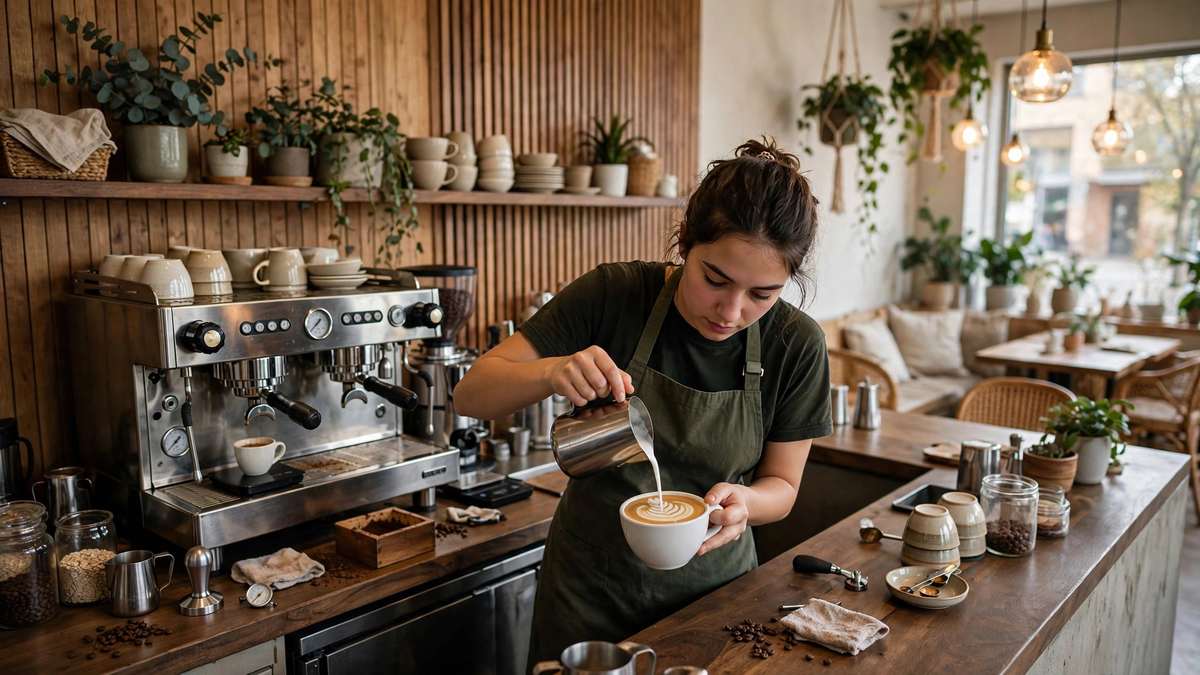
The espresso machine is the centerpiece of most leases. A quality commercial two-group or three-group machine costs $10,000 to $30,000, and it is the one piece of equipment your shop cannot function without. Leasing it preserves the cash you need for build-out, permits, and initial inventory.
Grinders, batch brewers, pour-over stations, blenders, and commercial refrigeration are also common lease items. Walk-in coolers and under-counter fridges are expensive to buy and install, and leasing them bundles the cost into the same monthly payment as the rest of your package.
Point of sale systems, kiosks, and related hardware deserve a separate look. POS technology changes quickly, and many providers offer their own lease or subscription programs with built-in upgrades. Compare the provider’s program against an independent equipment lease before committing, since the pricing models differ.
Smallwares, furniture, and decor are usually better purchased outright. Cups, pitchers, tables, and chairs are cheap relative to the paperwork a lease requires, and they hold little collateral value. Save leasing for the big-ticket items where financing actually moves the needle.
How Coffee Shop Equipment Leases Work
The process starts with quotes from equipment vendors. You choose your machines, the leasing company pays the vendor directly, and you sign a lease agreement covering the full package. Terms for coffee equipment typically run 36 to 60 months.
Installation timing matters more for coffee shops than for most businesses. Your espresso machine, water filtration, and electrical work all have to be coordinated before opening day. Make sure the lease covers delivery and installation, and get the delivery date in writing from the vendor.
Water filtration is one detail first-time owners overlook. Commercial espresso machines need proper filtration to protect the boiler and maintain drink quality. Some vendors bundle filtration into the equipment package, which means it can be included in the lease. Ask about it during the quoting stage.
Operating Leases for Coffee Equipment
An operating lease gives you the equipment for a fixed term, after which you return it, renew, or buy it at fair market value. Monthly payments are lower because you are not paying off the full price. This structure fits equipment with fast-changing technology, like POS hardware and automated brewing systems.
The downside is the lack of ownership. If you run the same machines for ten years, you will have paid far more than the purchase price. Operating leases make sense when you plan to upgrade regularly, not when you want to keep equipment for its full working life.
Finance Leases and Dollar Buyouts
A finance lease works like a purchase spread over monthly payments. You pay more each month, but you own the equipment at the end, often for one dollar. For an espresso machine you plan to use for seven to ten years, this is usually the cheaper path.
Before signing, confirm the buyout terms in writing. A dollar buyout clause on leased equipment should state the exact amount and any conditions. Vague buyout language is one of the most common sources of end-of-lease disputes.
What Coffee Shop Leasing Costs
Expect monthly payments of roughly 2 to 4 percent of the equipment value on a 36 to 60 month term. An $80,000 espresso bar package might run $1,600 to $3,200 per month. Your credit profile, the term length, and whether it is an operating or finance lease all shift that range.
Beyond the monthly payment, budget for documentation fees, any required security deposit, and interim charges between delivery and the first full payment. These smaller costs are easy to miss in the excitement of opening, but they come due fast.
Maintenance deserves its own line in your budget. Espresso machines need regular servicing, gasket replacements, and descaling. Some leases include a maintenance plan, which is convenient but adds to the monthly cost. If you service the machines yourself through a local technician, get quotes before you sign so you know the real number.
Compare the total lease cost against the cash purchase price. Add up every payment, fee, and the buyout amount, then divide by the purchase price. If the lease costs 1.4 times the purchase price or more over five years, make sure the cash flow benefit is genuinely worth the premium.
Advantages and Drawbacks for Cafe Owners
The biggest advantage is getting open with professional equipment. Customers can taste the difference between a quality espresso setup and a budget machine. Leasing lets a new cafe serve drinks at a competitive standard from day one, which drives reviews and repeat business.
Leasing also keeps your cash free for the unpredictable costs of opening. Permits, inspections, build-out overruns, and slow early weeks all demand cash. Tying up $80,000 in equipment before you open leaves no cushion for the surprises every new shop faces.
The drawbacks are the higher total cost and reduced flexibility. Once you sign, you owe the payments whether the shop thrives or struggles. Coffee shops have thin margins, and a $2,500 monthly equipment payment is a fixed cost that does not shrink when sales dip.
There are tax angles to consider as well. Lease payments are generally deductible business expenses, though finance and operating leases are treated differently. Review how tax deductions apply to leased business equipment with your accountant so the structure you choose matches your tax strategy.
Qualifying and Negotiating Your Lease
Lessors evaluate personal credit, business history, and projected cash flow. New coffee shops without operating history can still qualify, but expect stricter terms. A larger down payment, a shorter term, or a personal guarantee can bridge the gap when your business is brand new.
Personal guarantees are standard in small business equipment leases. Before signing one, understand the scope of what you are agreeing to. Reading up on how to limit personal guarantee exposure can help you negotiate caps, time limits, or release clauses into the agreement.
Get multiple quotes and let lessors compete. Vendor captive finance programs, independent leasing companies, and your bank’s equipment finance desk will price the same package differently. Three quotes is the minimum for a fair comparison.
Negotiate payment flexibility around your opening. Many coffee shops lose money for the first two to three months. A 90-day deferred payment start or graduated payments that rise as revenue builds can make the difference between surviving the ramp-up and running out of cash.
If you are opening a franchise location, check the franchisor’s equipment specifications first. Franchises often mandate particular brands and models, and some have preferred financing partners. Understanding the franchise equipment and lease requirements before you shop prevents costly mismatches.
Common Mistakes Coffee Shop Owners Make
Over-equipping is the number one mistake. A new cafe does not need three grinders, two brewers, and a nitro tap on day one. Start with the core setup that handles your expected volume, and add equipment as demand justifies it. Every unnecessary machine is a monthly payment with no return.
Skipping the service plan conversation is another costly error. An espresso machine that breaks on a Saturday morning costs you a full day of revenue. Know who fixes your equipment, how fast they respond, and what it costs before you need them. Put the service terms in writing alongside the lease.
Many owners also forget to check the lease’s end-of-term notice requirements. Some agreements renew automatically for a full year unless you give written notice 90 or 180 days before expiration. Set a reminder the day you sign, and confirm the exact notice window in the contract.
Finally, do not lease equipment you could buy cheaply. Smallwares, furniture, and basic tools rarely justify financing costs. Reserve leasing for the expensive machines that define your drink quality, and buy the rest outright to keep your monthly obligations as low as possible.