When your car lease approaches its end, the leasing company will send an inspector to evaluate the vehicle’s condition. That inspection determines whether you owe hundreds of dollars in excess wear charges or walk away clean. It is a high-stakes moment, and many lessees are starting to ask whether they should hire their own independent inspector first.
An independent lease inspection is a private evaluation of your vehicle, performed by someone who does not work for the leasing company. The idea is simple. You get an objective assessment of the car’s condition before the official inspection, giving you time to fix problems on your terms instead of paying the leasing company’s rates. But is it worth the cost? The answer depends on your situation, the condition of your car, and how you use the results.
What an Independent Inspection Actually Covers
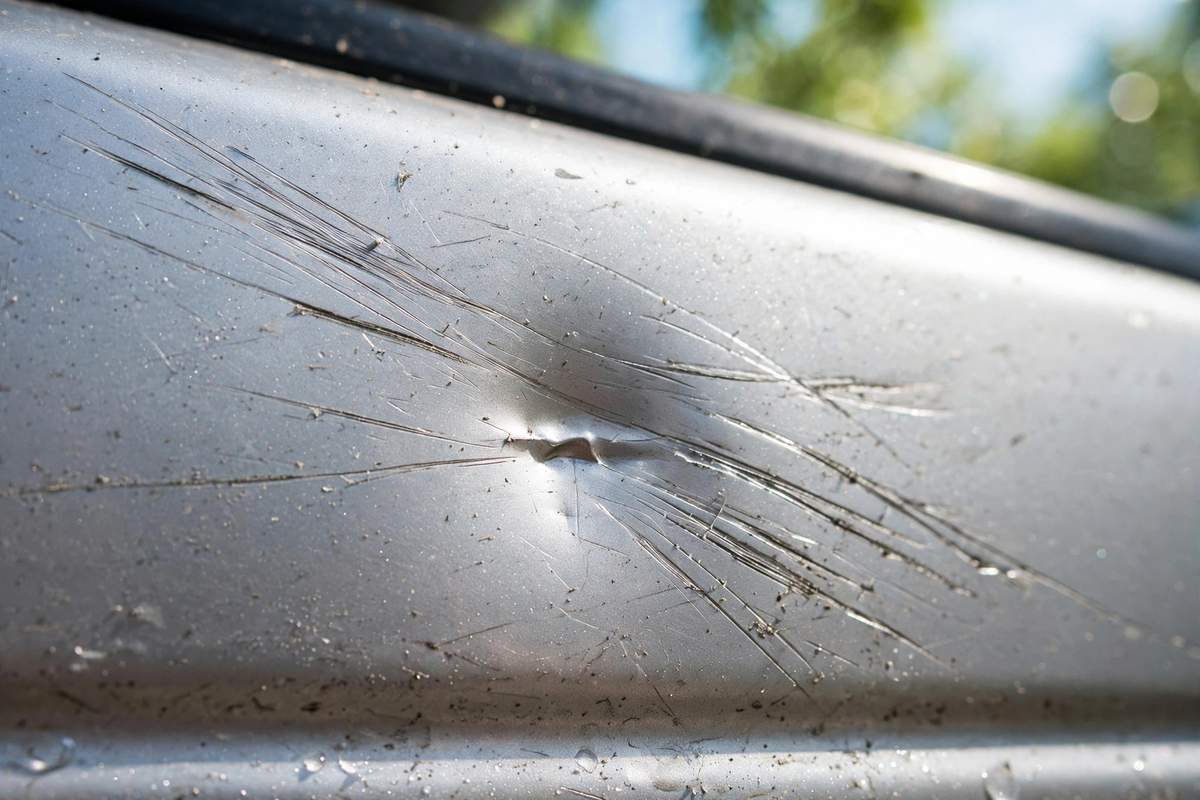
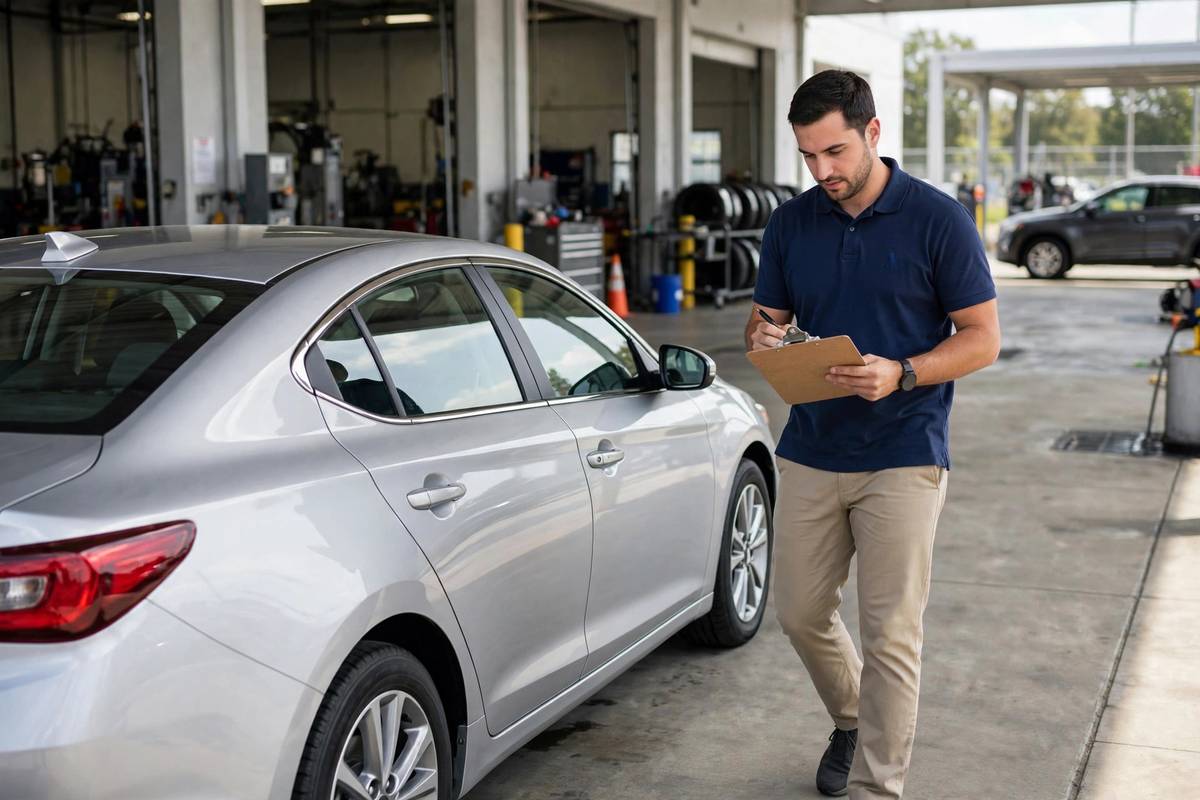
An independent inspector examines the same things the leasing company’s inspector will check. They walk around the exterior looking for dents, scratches, paint damage, and panel misalignment. They check the windshield and windows for chips and cracks, inspect the tires for wear and damage, test the lights and electrical systems, and evaluate the interior for stains, tears, burns, and broken components.
The difference is the perspective. The leasing company’s inspector works from a set of standards designed to protect the lender’s interest, and their findings directly translate into charges. An independent inspector works for you. Their report tells you what the official inspector is likely to flag and what the realistic cost of fixing each issue would be. Understanding what lease-end inspectors check helps you see how closely an independent evaluation mirrors the official process.
A thorough independent inspection produces a written report with photos, measurements, and notes on each finding. Some inspectors also reference the leasing company’s own wear and tear guidelines to estimate which findings would likely result in charges. That estimate is the real value of the service, because it turns an anxious unknown into a concrete to-do list.
How Much Independent Inspections Cost
Pricing varies by market and by the depth of the inspection. A basic independent inspection typically costs between 100 and 200 dollars. More detailed services, including a written report formatted to match the leasing company’s standards and a cost estimate for repairs, can run 250 dollars or more. Mobile inspectors who come to your home or office may charge a travel fee on top of the base price.
To judge whether the price is fair, compare it to the charges you are trying to avoid. A single excess wear charge for a dented panel can exceed 300 dollars, and leasing companies often bill aggressively for items like tire replacement, where their charge can be double the retail price. If the inspection helps you avoid even one inflated charge, it pays for itself. The question is whether you would have been charged in the first place, which depends on the condition of your car.
It is worth noting that many leasing companies offer a free pre-inspection. This is performed by their own inspector, but it happens weeks before turn-in, giving you time to address flagged issues. Before paying for an independent inspection, check whether your leasing company offers this free service. A free pre-inspection combined with your own careful documentation may be enough.
When an Independent Inspection Is Worth It
An independent inspection makes the most sense when your car has visible damage and you are unsure how the leasing company will assess it. Curb rash on wheels, a noticeable dent, a stained seat, or worn tires are all situations where an expert opinion helps you decide between repairing the issue yourself and accepting the charge. The inspector’s repair cost estimates let you make that decision with real numbers.
It is also worthwhile if you have had a bad experience with the leasing company’s inspection process before. Some lessees feel that previous inspections were unfairly harsh, and they want a second opinion on record before the official inspector arrives. Having an independent report dated before the official inspection strengthens any later dispute, since it documents the condition of the car without the leasing company’s financial interest in the findings. If you do end up in a disagreement, knowing how to approach disputing excess wear charges becomes much easier with an independent report in hand.
High-value vehicles are another good case. On luxury and performance cars, excess wear charges tend to be higher because repair costs are higher. Spending 200 dollars to protect against a 1,500 dollar charge is a sensible trade. The same logic applies if you are turning in a vehicle with aftermarket modifications, where the question of what needs to be removed or restored can get complicated.
When You Can Probably Skip It
Not every lessee needs an independent inspection. If your car is in good shape, with no visible damage and tires that meet the tread depth requirements, the official inspection is unlikely to produce surprises. Spending money to confirm what you already know is hard to justify. A careful self-inspection, using the leasing company’s wear and tear guidelines as a checklist, is a reasonable substitute.
You can also skip it if you are planning to lease another vehicle from the same brand. Dealerships routinely work with repeat customers to reduce or waive lease-end charges, and the goodwill of an ongoing relationship is worth more than an inspection report. Similarly, if you plan to buy out the lease at the end, the inspection does not matter at all, because excess wear charges are waived when you purchase the vehicle.
Finally, consider your timeline. If the official inspection is already scheduled for tomorrow, hiring an independent inspector today is impractical. The real value of an independent inspection comes from the lead time it gives you to fix problems. Without enough time to act on the findings, the report is just information you cannot use.
Doing Your Own Pre-Inspection
If you decide to skip the professional service, do a structured self-inspection instead. Wash the car and examine it in good daylight. Walk every panel and note every dent, scratch, and paint flaw. Measure scratch lengths and dent diameters so you can compare them against the leasing company’s guidelines. Check tire tread depth with a gauge, test every button and switch, and photograph everything you find. This method costs nothing and catches most of the issues an independent inspector would flag.
How to Choose an Independent Inspector
If you decide the inspection is worth it, choose carefully. Look for inspectors with specific experience in lease-end evaluations, not just general vehicle inspections. Ask whether they are familiar with your leasing company’s wear and tear guidelines, because standards vary between manufacturers and lenders. An inspector who knows the specific rules can predict charges more accurately.
Ask for a sample report before booking. A useful report includes clear photos, measurements of damage, references to the relevant wear guidelines, and estimated repair costs. Vague narrative reports without measurements are of limited value in a dispute. Also confirm the inspector’s turnaround time. You need the report with enough time left to act on it, so same-week availability matters.
Check reviews and ask about the inspector’s independence. Some inspection services have referral relationships with repair shops, which can bias their recommendations toward expensive fixes. The most trustworthy inspectors make no money from repairs and simply give you an honest assessment. A flat fee with no upselling is a good sign.
Using the Report to Your Advantage
Getting the report is only half the job. Use it strategically. First, address the easy wins yourself. Items like missing keys, worn wiper blades, or minor interior cleaning can be handled cheaply before turn-in. For more expensive items, get competing repair quotes and decide whether fixing the issue costs less than the likely charge.
Second, keep the report as dispute evidence. If the official inspector’s findings differ significantly from your independent report, that discrepancy is powerful ammunition. Present it during the dispute process with a calm request for an explanation of the differences. Many disputes are resolved at this stage because the leasing company knows its position is hard to defend.
Third, share the findings with the dealership if you are leasing again. A dealer who sees you have done your homework may be more willing to advocate for fee reductions. Reviewing car lease wear and tear standards together with your report gives you a solid foundation for that conversation.
The Bottom Line
An independent lease inspection is worth it when there is real uncertainty about your car’s condition and real money at stake. For vehicles with visible damage, high-value cars, and lessees with past inspection disputes, the 100 to 250 dollar cost is a reasonable investment. For well-maintained cars with no issues, a careful self-inspection is usually enough. The deciding factor is not the inspection itself but what you do with the information it gives you.