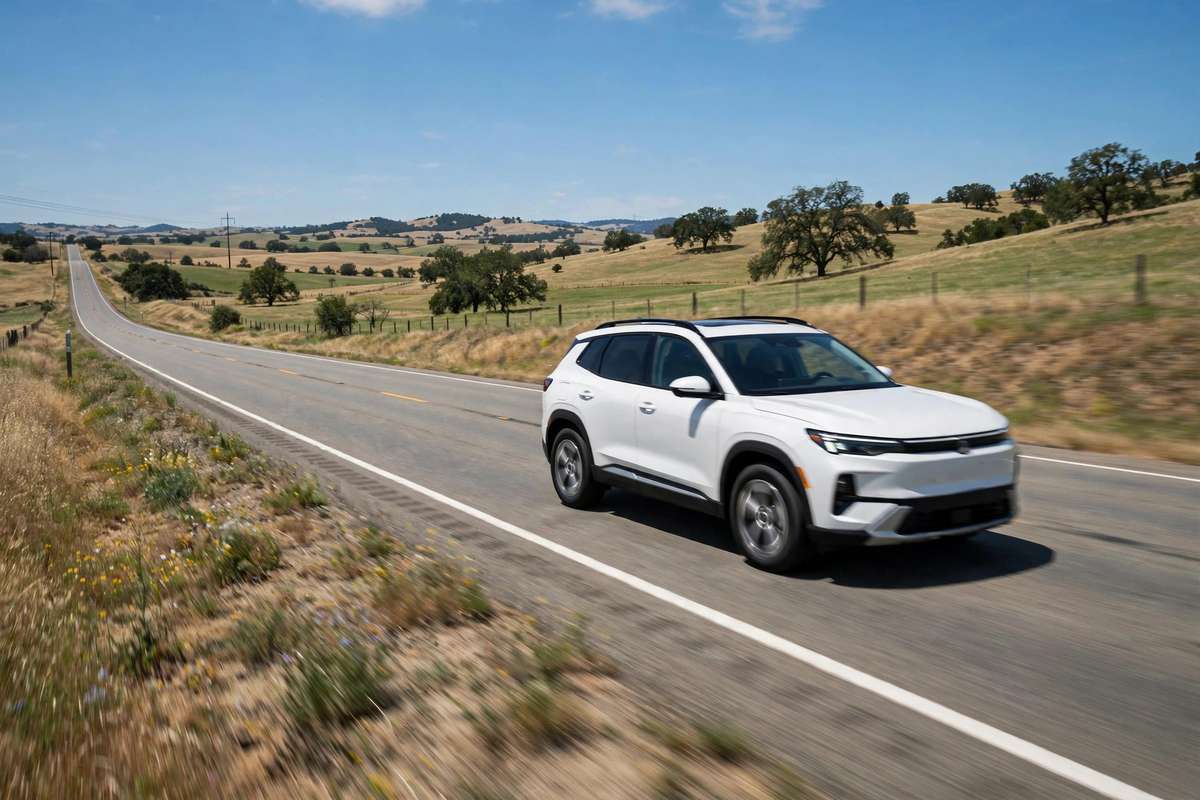
How many miles can you actually put on a leased car? There is no hard ceiling written into the contract, no point where the car stops working or the lease automatically ends. You can drive as far as you want. The real question is how many miles you can drive before the costs start to outweigh the benefits, and that answer depends on your mileage allowance, the overage rate, and your plans at the end of the lease.
This is the practical companion to understanding how annual mileage caps work. Where that guide explains the structure of mileage limits, this one answers the question drivers actually ask when they are staring at the odometer: what happens if I just keep driving, and at what point does it stop making sense?
The Short Answer: As Many As You Want, At a Price
Nothing in a standard lease agreement physically or legally limits your driving. The car does not lock up at thirty six thousand miles, and the leasing company cannot repossess it for driving too much. What the contract does is set a price for miles beyond your allowance, usually fifteen to thirty cents each, payable when you return the car. Drive ten thousand miles over, and you will owe somewhere between one thousand five hundred and three thousand dollars at turn in.
So the honest answer is that you can put unlimited miles on a leased car, but every mile past your cap has a meter running. The question shifts from whether you can drive to whether the driving is worth the per mile price. For some situations it absolutely is, and for others it quietly turns an affordable lease into an expensive one.
Doing the Math on Extra Miles
Let us make the numbers concrete. Suppose your lease allows twelve thousand miles per year over three years, thirty six thousand total, with an overage rate of twenty five cents per mile. You end up driving forty eight thousand miles, twelve thousand over the cap. Your excess mileage bill is three thousand dollars, due at lease end.
Now compare that to your alternatives. Buying the extra miles upfront at signing might have cost fifteen cents per mile, or one thousand eight hundred dollars for those twelve thousand miles, saving you one thousand two hundred dollars. Alternatively, a higher mileage tier from the start would have raised your monthly payment by perhaps thirty dollars, totaling about one thousand eighty dollars over three years. In almost every scenario, planning ahead beats paying the penalty, and driving blindly past the cap is the most expensive option of all.
When Driving Over the Cap Still Makes Sense
There are legitimate situations where racking up extra miles is the right call. If you plan to buy the car at the end of the lease, excess mileage charges do not apply, because you are not returning the vehicle. In that case, drive as much as you like. The residual purchase price was fixed at signing, and the miles you add only affect the car’s market value, which matters only if you later sell it.
Another case is the high value trip. If a new job requires a long commute for six months, or a family situation means months of highway driving, paying twenty five cents a mile for a few thousand extra miles may be far cheaper than breaking the lease or buying a second car. Context matters. The overage rate is a price, not a punishment, and sometimes it is a price worth paying.
The Hidden Costs Beyond the Per Mile Charge
Excess miles cost more than just the overage fee. Higher mileage accelerates wear on tires, brakes, and other consumables, and you are responsible for returning the car in acceptable condition. A car with fifty thousand miles is more likely to need new tires than one with thirty thousand, and a fresh set can add six hundred to one thousand dollars to your turn in costs on top of the mileage bill.
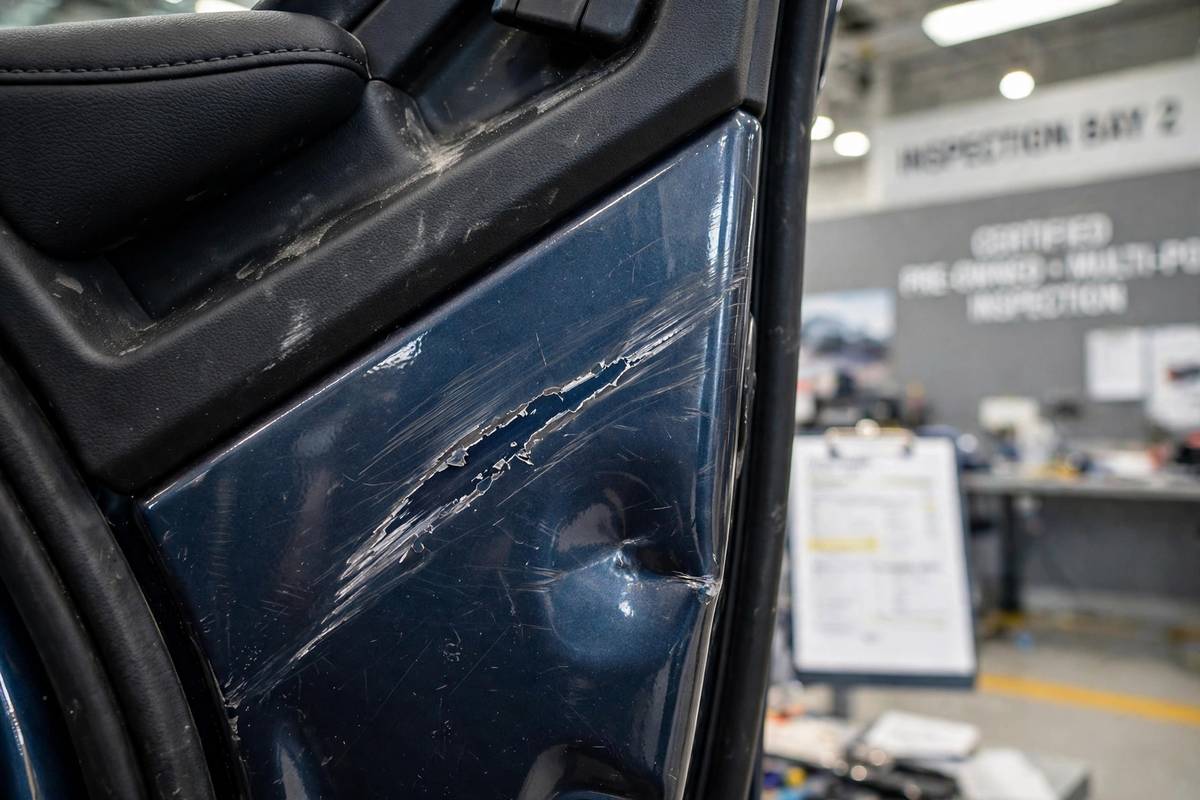
Heavy driving also increases the odds of cosmetic damage. More time on the road means more exposure to rock chips, door dings, and windshield strikes, all of which can trigger excess wear and tear charges at inspection. The mileage itself is metered, but the wear that comes with it is judged separately, and the two bills can arrive together in an unpleasant surprise.
High Mileage Leases and Specialty Options
If you know from day one that you are a high mileage driver, standard tiers may not be enough. Some manufacturers and leasing companies offer high mileage lease programs with allowances of eighteen thousand, twenty thousand, or even twenty five thousand miles per year. These are less commonly advertised, but they exist, and asking the finance manager directly is often all it takes to find them.
The monthly payments on high mileage leases are higher, since the residual value drops with expected mileage, but they are structured honestly around your real driving. For someone driving twenty thousand miles a year, a properly structured high mileage lease is almost always cheaper than a twelve thousand mile lease plus massive overage fees. If no high mileage program is available, that is useful information too. It may be a sign that buying, not leasing, is the better fit for your driving habits.
Leasing vs Buying for High Mileage Drivers
This is worth addressing directly, because it is the decision many heavy drivers get wrong. Leasing is optimized for predictable, moderate mileage. If you consistently drive eighteen thousand or more miles a year, run the buy versus lease math carefully before signing anything. A purchase has no mileage meter, and while the car depreciates faster with high miles, you are not paying a per mile penalty on top of that depreciation.
That said, some high mileage drivers still prefer leasing for the warranty coverage and the fresh car every few years. If that is you, structure the lease around reality: take the highest mileage tier available, consider a high mileage program, and budget for the possibility of buying the car at the end. What does not work is signing a low mileage lease and hoping for the best. Hope is the most expensive mileage strategy there is.
What If You Need Out of a High Mileage Lease Early
Life changes, and sometimes you need to exit a lease before the term ends. High mileage complicates this, because the remaining mileage allowance is part of what makes a lease attractive to the next driver. If you have burned through most of the miles with a year left, finding someone to take over the lease gets harder, since they would inherit a nearly exhausted allowance.
That does not make exit impossible. A lease transfer can still work if you offer a cash incentive to offset the mileage situation, and some lessors allow transfers with the overage responsibility clearly assigned. Alternatively, trading the car in or selling it to capture any equity can sidestep the mileage question entirely. The key is to act early, while you still have options, rather than waiting until the odometer forces your hand.
Practical Tips for Managing Your Miles
A few habits keep mileage under control without much effort. First, know your monthly pace: total allowance divided by lease months. Check the odometer against that pace every few months, not just at the end. Second, use your second vehicle, if you have one, strategically for the longest trips. Third, when a life change increases your driving, call the leasing company promptly to ask about buying additional miles mid term, which is usually cheaper than the end of lease rate.
Finally, keep perspective. Going a few hundred miles over the cap costs less than a nice dinner out, and it is not worth stressing over. The danger is not the occasional extra trip. It is the slow, unnoticed drift of a changed commute or a new routine that adds thousands of miles a year. A glance at the odometer twice a year is all it takes to stay ahead of it.
The Bottom Line on Leased Car Mileage
You can put as many miles on a leased car as you want. The contract does not stop you. It simply charges you for the miles beyond your allowance, and those charges add up fast enough to deserve respect. Plan your tier honestly, track your pace, and know your options if life pushes you past the cap. Do that, and the odometer stays a number on the dashboard instead of a bill waiting at the end of the lease.