Every commercial tenant uses far more space than its leased premises. Lobbies, hallways, restrooms, elevators, parking lots, loading areas, courtyards, and sidewalks all make the property function, and every tenant depends on them daily. These shared spaces are the common areas, and the rights tenants have in them are defined by some of the most important, and most overlooked, provisions in a commercial lease.
Common area provisions determine what tenants can use, what they must pay for, how the landlord can change things, and what happens when shared spaces fall into disrepair. Because common areas are shared by definition, disputes about them involve multiple tenants and can escalate quickly. Understanding your common area rights before signing puts you in a far stronger position than discovering them during a conflict. Here is what every tenant should know.
What Counts as a Common Area
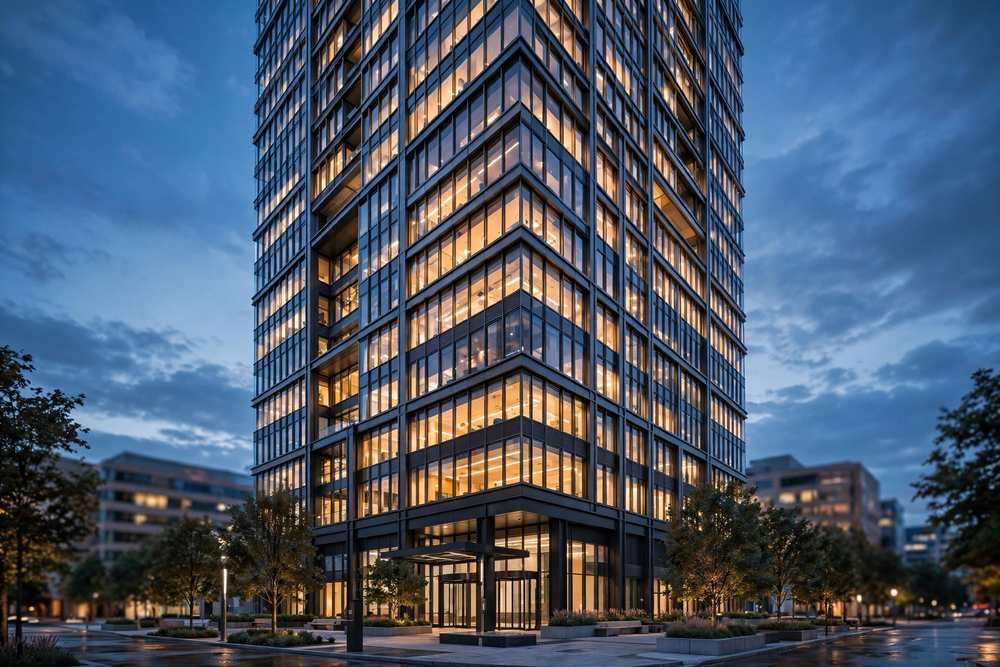
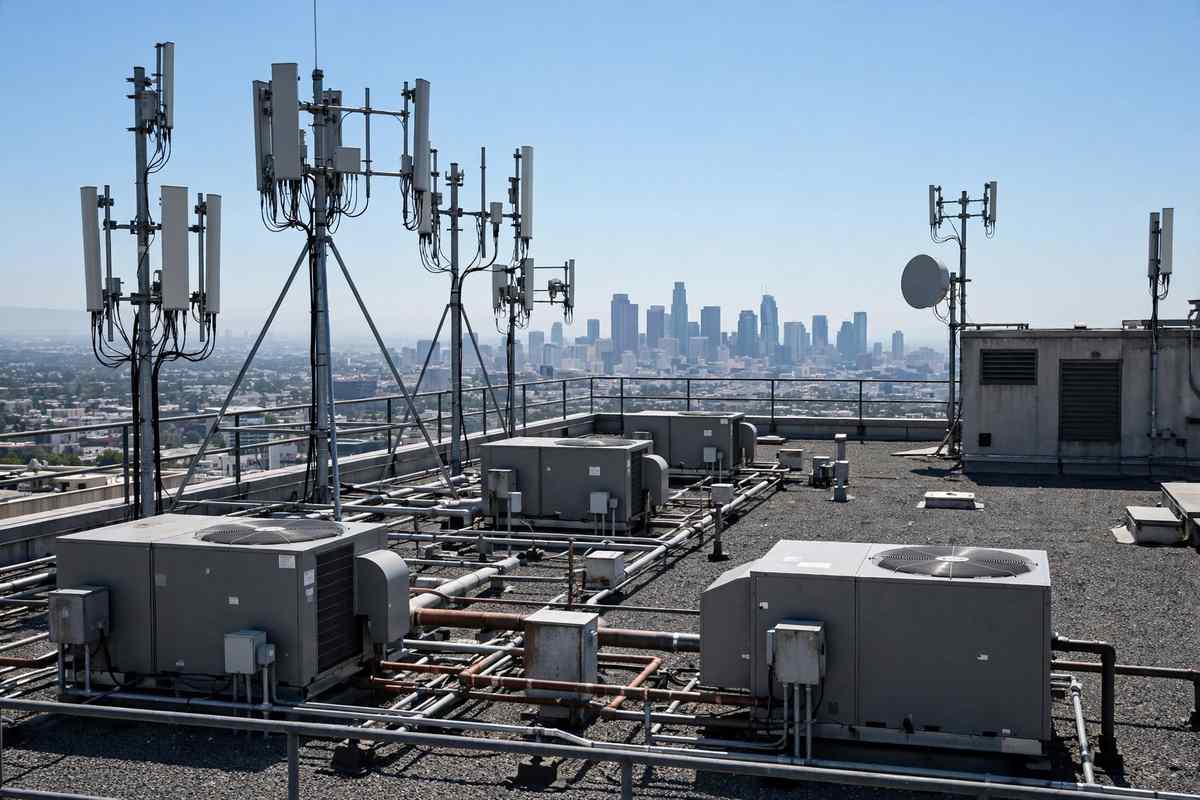
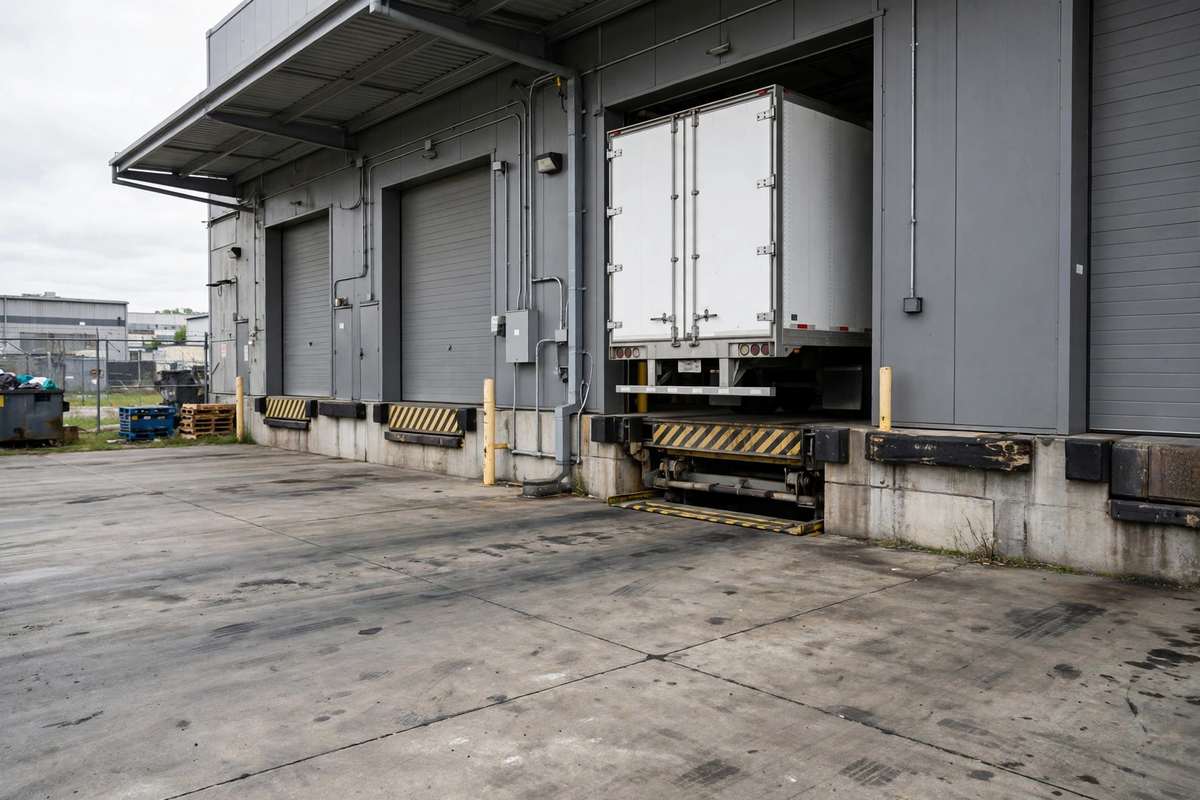
The lease’s definition of common areas is the starting point, and it varies by property type. In an office building, common areas typically include lobbies, corridors, restrooms, elevators, stairwells, and shared mechanical rooms. In a retail center, they include the parking lot, drive aisles, sidewalks, landscaped areas, and sometimes interior malls or food courts. In an industrial park, they include truck courts, shared loading areas, and access roads.
Tenants should read the definition carefully and compare it against the actual property. Areas the tenant assumes are common may be designated as another tenant’s exclusive use, and areas that look private may be legally common. The definition also determines what the tenant pays for, since common area maintenance charges are calculated from the costs of maintaining exactly these areas. An overbroad definition means the tenant subsidizes spaces it never uses.
The Right to Use: Non Exclusive by Default
Most commercial leases grant tenants a non exclusive right to use the common areas, meaning every tenant uses them together. This right is fundamental: without it, a tenant could be legally barred from the lobby of its own building. The lease usually describes this as a license or easement appurtenant to the premises, which means it travels with the lease and cannot be revoked as long as the lease is in effect.
Tenants should confirm that the use right covers everyone who needs it: employees, customers, vendors, delivery drivers, and contractors. A retail tenant needs customer access to the parking lot and sidewalks. An office tenant needs vendor access to the loading dock. If the lease grants common area rights only to the tenant’s employees, the tenant’s business operations may technically violate the lease every time a delivery arrives.
What Tenants Pay: CAM Charges Explained
The right to use common areas comes with the obligation to pay for their upkeep. Common area maintenance, or CAM, charges cover the costs of operating, maintaining, repairing, and sometimes insuring the common areas. These charges are one of the largest variable costs in a commercial lease, and they are a frequent source of disputes.
Tenants should understand exactly what can be included in CAM. Legitimate CAM expenses include landscaping, parking lot maintenance, common area lighting, security, snow removal, and management fees for administering the common areas. Items that should generally be excluded include capital expenditures that benefit the landlord’s reversionary interest, costs of leasing to other tenants, and expenses caused by another tenant’s misconduct. Reviewing operating expense exclusions tenants should negotiate before signing helps keep CAM charges honest for the entire term.
How CAM is calculated matters as much as what is included. Most leases allocate CAM by the tenant’s proportionate share of the building or center, usually based on square footage. Tenants should confirm the denominator: a share calculated against fully leased square footage is very different from one calculated against actually occupied space. Vacancy can dramatically shift the burden, so the lease should address how unoccupied space is treated.
Caps, Audits, and Gross Up Provisions
Sophisticated tenants negotiate protections against CAM escalation. Annual caps on controllable CAM expenses, often set at five to ten percent, prevent the landlord from passing through unlimited increases in costs the landlord actually controls, like management fees and landscaping contracts. Uncontrollable expenses like property taxes, insurance, and utilities are usually excluded from caps, which is standard and reasonable.
Audit rights are equally important. The lease should give the tenant the right to review the landlord’s CAM calculations and supporting records each year, within a reasonable time after receiving the annual statement. Without audit rights, the tenant has no way to verify that charges are accurate or that exclusions were honored. Many CAM disputes are resolved, or never arise, because the tenant’s right to audit keeps the landlord’s accounting careful.
Tenants should also understand how gross up clauses in operating expenses work, since these provisions adjust variable expenses to reflect full occupancy. Gross ups protect tenants from bearing the full cost of services scaled for a full building when the building is half empty, but they need to be drafted correctly to actually deliver that protection.
Management Fees and Administrative Charges
Most landlords charge a management fee as part of CAM, typically a percentage of CAM expenses or of gross revenues. These fees compensate the landlord or its management company for administering the common areas. The issue is not whether a management fee exists but whether it is reasonable and properly calculated.
Tenants should ask whether management fees in CAM charges are reasonable by comparing the lease’s fee against market standards, which commonly range from three to six percent. Watch for double dipping, where the landlord charges a management fee on top of CAM expenses that already include the salaries of on site management personnel. The lease should state the fee clearly and prohibit charging it on expenses that are themselves management costs.
Landlord’s Right to Change Common Areas
Landlords need flexibility to manage their properties. They reconfigure parking lots, renovate lobbies, add buildings, and change traffic patterns. Most leases reserve the landlord’s right to make changes to common areas, and some degree of flexibility is legitimate. The question is how much change the tenant must accept without recourse.
Tenants should negotiate limits on this right. Common protections include requiring that changes not materially and adversely affect the tenant’s access to its premises, visibility, or parking; requiring reasonable notice before disruptive work; and giving the tenant remedies, such as rent abatement, if common area construction substantially interferes with the tenant’s business. A landlord’s right to improve the property should not include a right to disrupt the tenant’s operations without consequence.
Pay special attention to provisions allowing the landlord to add buildings or expand into common areas. In retail centers, landlords sometimes reserve the right to build new outparcels in the parking lot, which can reduce parking and block visibility. Tenants should require consent rights or minimum parking guarantees that survive any redevelopment.
Maintenance Standards and Tenant Remedies
The lease should hold the landlord to a defined standard for common area maintenance. Vague promises to maintain the common areas “in good condition” are better than nothing, but specific standards are better still: lighting levels, cleaning frequency, landscaping standards, and response times for repairs. Tenants paying substantial CAM charges are entitled to know what those charges buy.
When the landlord fails to maintain common areas, the tenant’s remedies depend on the lease. At a minimum, the tenant should have the right to written notice and a cure period, followed by self help rights for critical failures: the right to perform the maintenance and deduct the cost from rent or CAM charges. Without self help rights, a tenant facing a dark parking lot or a flooded loading area has little leverage beyond complaining.
Rules, Conduct, and Shared Responsibility
Common areas work only when everyone follows the same rules. The lease’s rules and regulations typically govern noise, trash, signage, deliveries, and conduct in shared spaces. Tenants should review these rules before signing and confirm they are compatible with the business. A restaurant that needs early morning deliveries cannot be bound by rules prohibiting truck traffic before 9 AM.
Tenants also share responsibility for not abusing common areas. Blocking drive aisles, dumping trash improperly, or monopolizing shared loading zones violates most leases and creates liability to other tenants. The lease usually makes each tenant responsible for its own conduct and indemnifies the landlord against claims arising from it. Good common area citizenship is not just courteous; it is contractual.
Know Your Rights Before You Need Them
Common area provisions touch the tenant’s daily operations, its monthly costs, and its long term security in the space. Read the definition of common areas, understand the CAM structure and its protections, limit the landlord’s right to make disruptive changes, and secure real remedies for maintenance failures. These rights are hardest to negotiate after signing, which is exactly why they deserve attention before.