Pop-up shops have moved from novelty to a permanent feature of the retail landscape. Brands use them to test markets, launch products, and build buzz; landlords use them to fill vacant space, generate foot traffic, and audition future permanent tenants. The pop-up lease, often just a few pages long, is the legal backbone of this fast-moving arrangement.
Because pop-ups are short-term by design, both sides are tempted to treat the paperwork casually. That is a mistake. A short lease can still create real liability: a tenant injured customer, a damaged storefront, or a dispute over who pays for the build-out. A well-drafted pop-up agreement protects both parties without slowing down a deal that needs to close in days, not months.
What a Pop-Up Lease Should Cover
At minimum, a pop-up lease should identify the space, the term, the rent, the permitted use, and each party’s maintenance and insurance obligations. It should also address condition at delivery and surrender, signage rights, hours of operation, and the tenant’s right to install temporary fixtures. These basics prevent the most common disputes, which usually involve money: who pays for what, and what happens to improvements when the term ends.
Many pop-ups use a license agreement rather than a lease. A license gives the operator permission to occupy without creating a landlord-tenant relationship, which can simplify eviction if the operator overstays. The trade-off is that licenses offer the occupant fewer protections, and some jurisdictions treat anything that looks like exclusive possession as a lease regardless of the label. Operators who are investing real money in a build-out should understand which form they are signing and what rights it actually gives them. Either way, the document should be reviewed against the center’s standard hours of operation requirements so the pop-up’s schedule does not violate project rules.
Rent Structures for Short Terms
Pop-up rent is usually a flat monthly or weekly amount, sometimes with a percentage of sales layered on top. Because the term is short, landlords often demand rent in advance, plus a security deposit that covers potential damage and holdover. Tenants should confirm exactly what the quoted rent includes: common area charges, utilities, and marketing fund contributions are sometimes bundled and sometimes billed separately.
Percentage rent deserves attention even in a short deal. A pop-up that goes viral can generate significant sales in a few weeks, and a landlord with a percentage clause shares in that upside. Tenants should cap the percentage, define gross sales clearly, and resist audit rights that outlive the term by months. Landlords, for their part, should require sales reporting, since many pop-up deals tie marketing fund contributions to reported revenue. Clear definitions on both sides keep a successful pop-up from turning into an accounting fight.
Build-Out, Signage, and Branding
Pop-ups live or die on presentation, so the agreement must give the operator enough freedom to brand the space while protecting the landlord’s property. The tenant typically installs temporary fixtures, graphics, and lighting at its own cost and removes them at term end, restoring the space to its prior condition. The lease should set a deadline for removal and a daily penalty for holdover, since a pop-up that lingers past its term blocks the next deal.
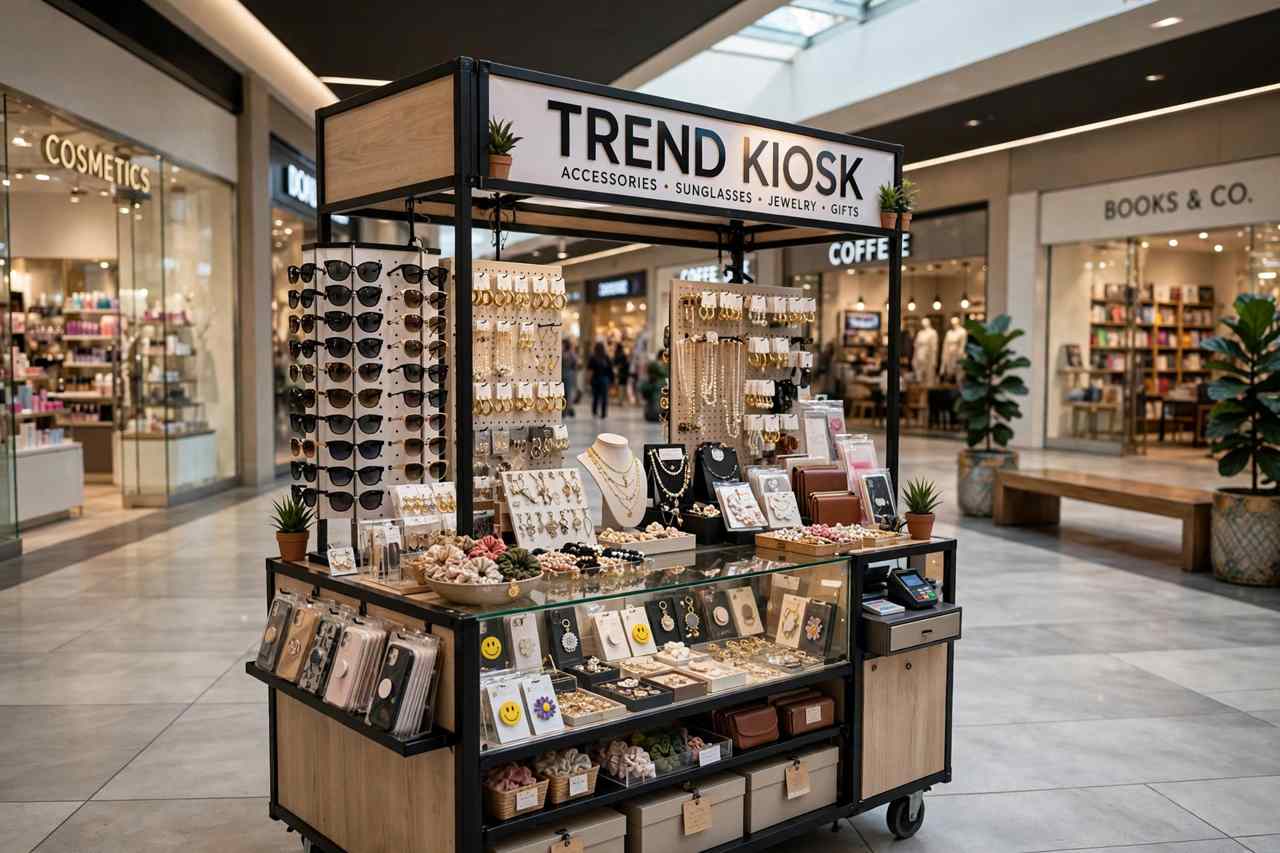
Signage is often the most negotiated point. Pop-up operators want bold exterior branding; landlords want to control the project’s appearance. The agreement should specify exactly what signage is allowed, where it goes, and how long it stays up, with a requirement to remove it promptly. Operators should also confirm that their planned use does not conflict with exclusivity rights held by permanent tenants. A cosmetics pop-up next to a department store with a beauty exclusivity clause, for example, can trigger a default under the anchor’s lease, so landlords should check kiosk and temporary tenant restrictions before signing.
Insurance, Liability, and Indemnification
Short term does not mean small risk. A pop-up with heavy foot traffic faces the same slip-and-fall exposure as any retailer, and product launches with crowds or events raise the stakes further. The agreement should require the operator to carry commercial general liability insurance with limits appropriate to the expected traffic, name the landlord as an additional insured, and provide certificates before opening day.
Indemnification should run both ways in principle but will in practice fall mostly on the operator for claims arising from its activities. Landlords should also require the operator to comply with all laws, including accessibility, fire safety, and food handling rules where applicable. Operators running ticketed events or serving alcohol need to confirm that the space is permitted for those activities and that their insurance covers them. Skipping this diligence because the term is only six weeks is how small deals produce large lawsuits.
Common Pitfalls That Sink Pop-Up Deals
The most frequent mistake is starting the build-out before the paperwork is signed. Operators eager to hit a launch date begin installing fixtures on a handshake, then discover the landlord has different expectations on rent, signage, or restoration. Even in a fast deal, no work should begin until a signed agreement exists, even if it is a short-form license. A one-page signed document beats a detailed verbal understanding every time.
The second pitfall is underestimating restoration costs. Removing custom fixtures, repairing walls and floors, and disposing of branded materials can cost thousands of dollars, and landlords will deduct it from the security deposit if the operator walks away. Operators should budget for a full restoration and get the landlord’s written acceptance of the surrender condition, with photos, to avoid disputes weeks after the space is empty.
The third is ignoring the project’s existing tenant mix. A pop-up that competes with a permanent tenant’s exclusive category can trigger a default under the anchor’s lease, exposing the landlord to claims far larger than the pop-up’s rent. Landlords should verify exclusivity before signing, and operators should ask directly whether any permanent tenant holds rights that could limit their merchandise or services. A five-minute conversation during negotiations prevents a season-ending shutdown later.
Finally, operators should remember that a good pop-up agreement is also a audition for a permanent lease. Landlords track which temporary tenants pay on time, maintain the space, and drive traffic, and those operators get the first call when permanent space opens. Treating the short document with the same seriousness as a long-term lease builds the reputation that turns a six-week test into a lasting location.
Termination Rights and Flexibility
Flexibility is the point of a pop-up, and the agreement should reflect it. Many pop-up deals include early termination rights for both sides, sometimes with as little as 30 days’ notice. Tenants want the right to exit if sales disappoint; landlords want the right to reclaim the space if a permanent tenant appears. The key is to define the economics of early exit: notice periods, termination fees, and who pays for restoration if the term is cut short.
Extension options are equally useful. A pop-up that performs well often wants to stay, and a landlord with no permanent tenant lined up is usually happy to extend. Building a pre-negotiated extension option into the original agreement, with rent and terms already set, lets both sides capture the upside without renegotiating under time pressure. Some of the most successful permanent leases in retail began as pop-ups with well-drafted extension rights, which is why both sides should treat the short document as the potential foundation of a longer relationship rather than a throwaway form.